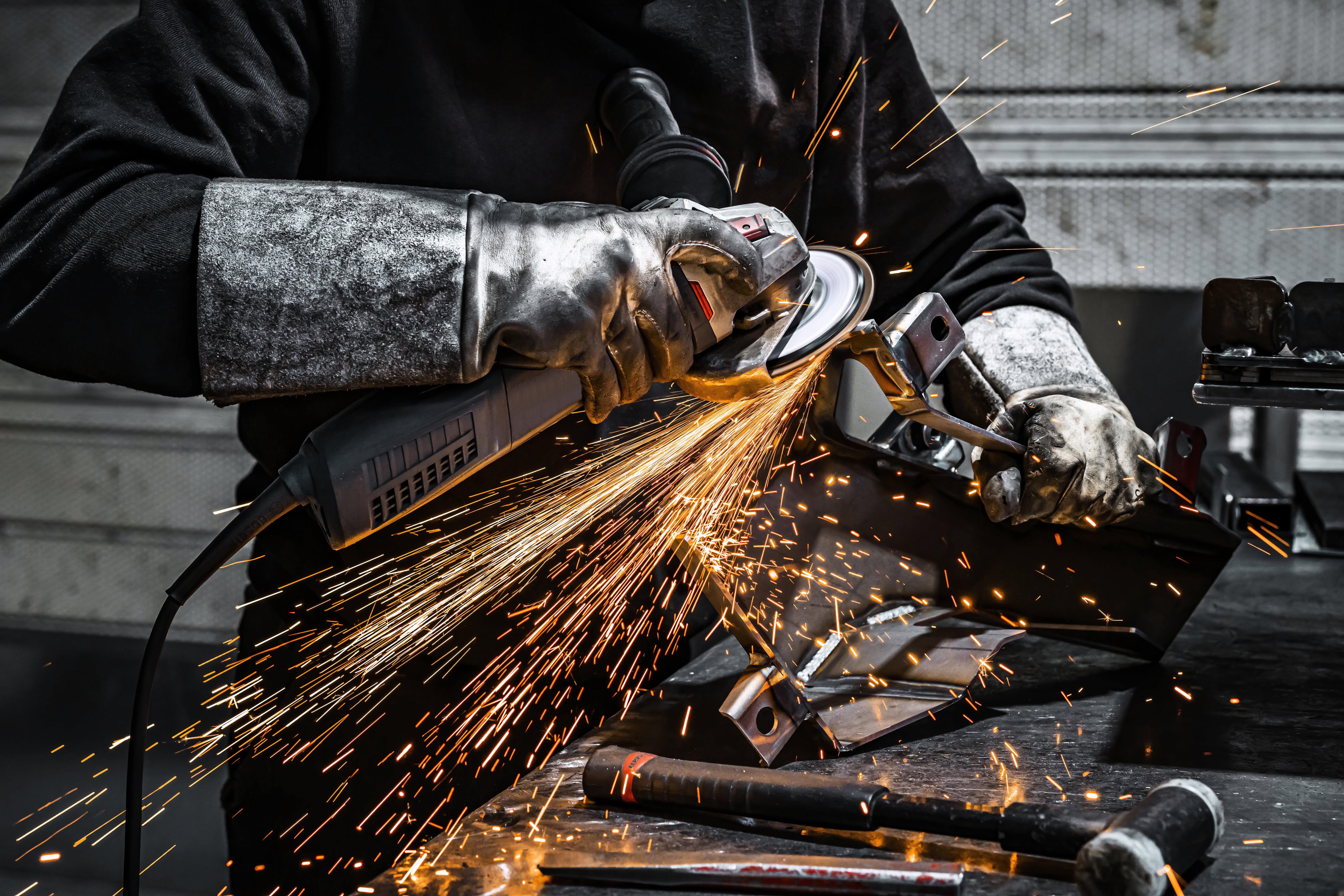
Carpentry is the activity of assembling elements intended for the creation of various types of structures, both fixed and mobile. Generally, carpentry is thought to be a field exclusive to professionals, but this is not the case. Metal carpentry is part of our daily life and encompasses works and structures that surround us: from warehouses to houses, from stairs to roofs, shelters, monuments, or works of modern architecture to the window and door sector. It is, therefore, the art of constructing structures in wood or metal.
In a previous article, we had already addressed the topic, explaining the difference between light and heavy carpentry and focusing on heavy carpentry. In this article, however, we will better understand what is meant by light carpentry, the works associated with it, the specific fasteners, and the reference standards.
What is Meant by Light Carpentry?
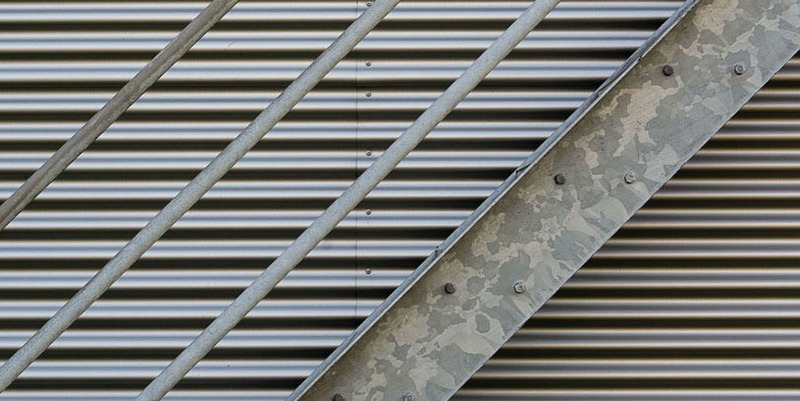
Contrary to what one might think, the terms heavy carpentry and light carpentry do not refer to a difference in weight but to different processes and materials used. While the former involves load-bearing and structural work, light metal carpentry pertains to the creation of works such as gates, railings, doors, as well as fences, enclosures, and roofs, typical of both civil and industrial structures.
Therefore, the main distinction between the two types of carpentry lies in the fact that heavy carpentry refers to the construction of load-bearing structures, while talking about light carpentry means referring to the construction of non-load-bearing structures. This implies that, to ensure reliability and strength of the works, these are carried out with different types of materials and steel sheets of various thicknesses.
In both cases, it will be the company specialized in carpentry work to suggest ad hoc solutions. Having a deep knowledge regarding sheet metal processing, it will advance versatile and creative proposals for every situation.
Types of Screws and Bolts for Light Carpentry
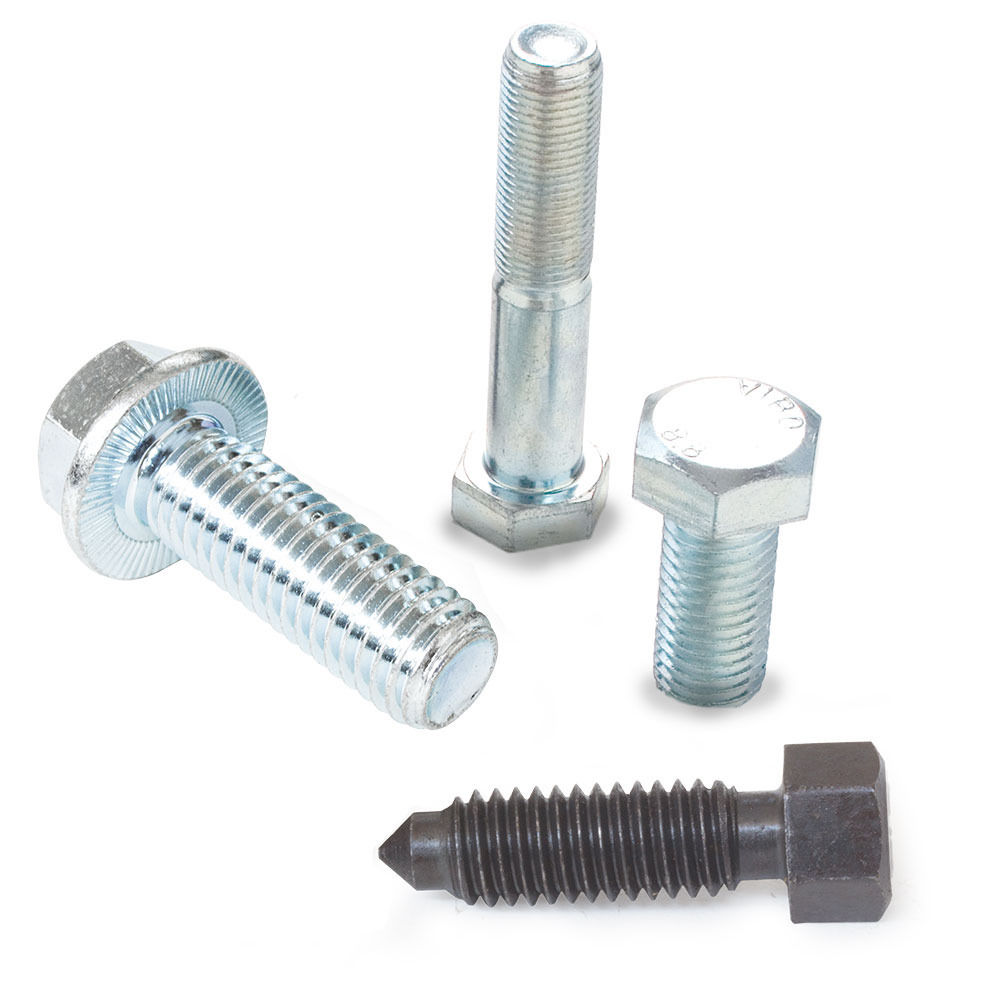
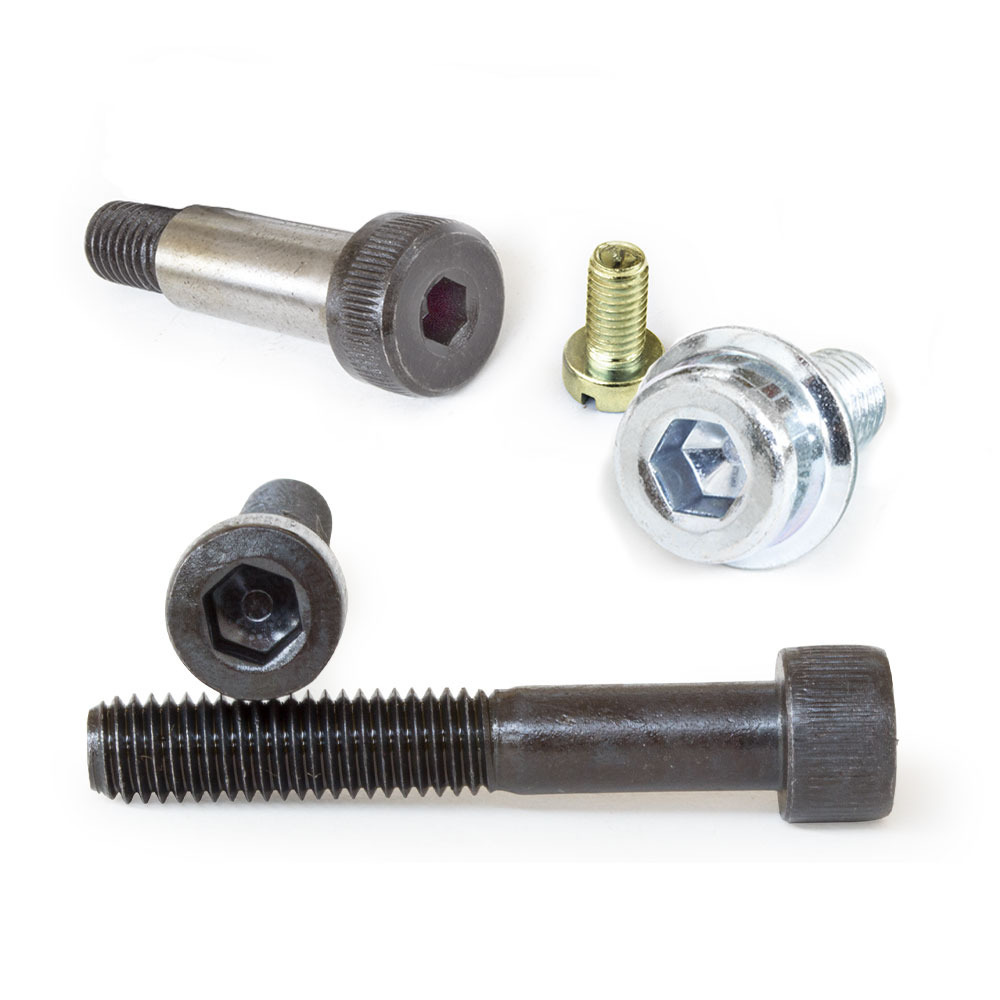
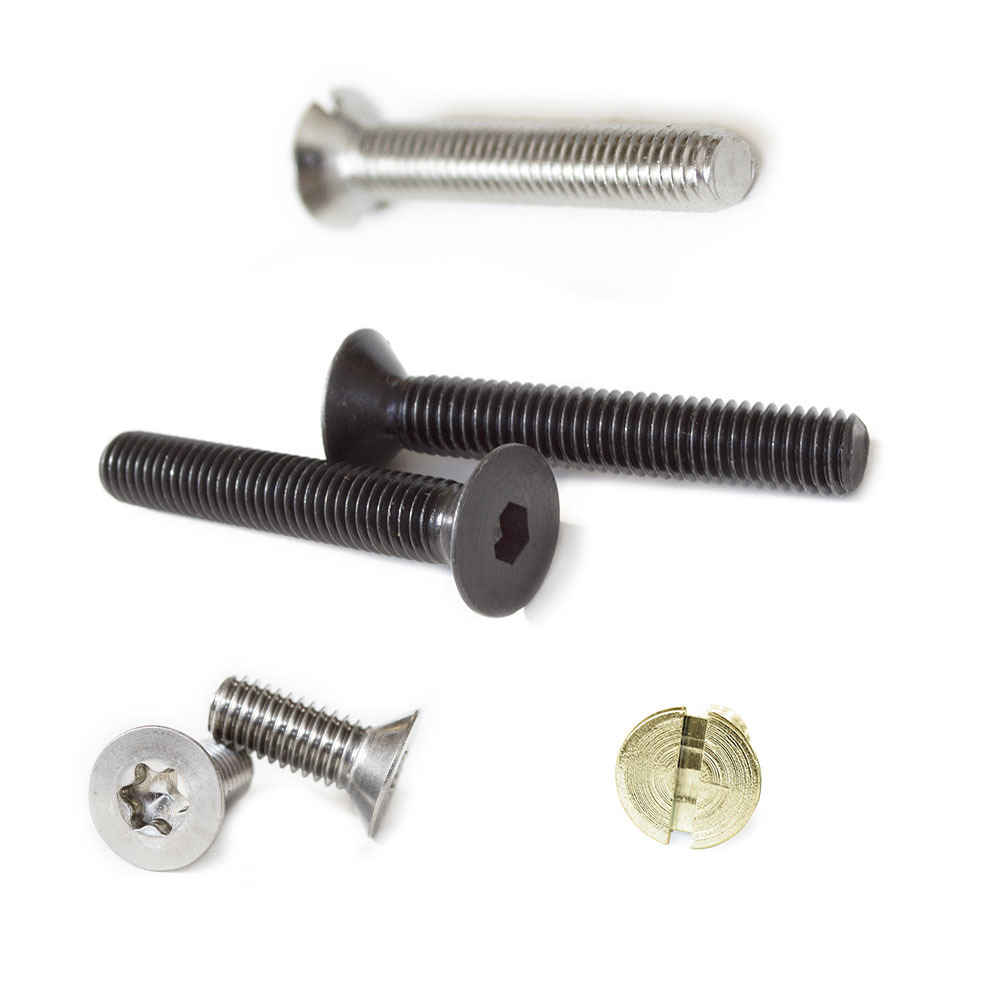
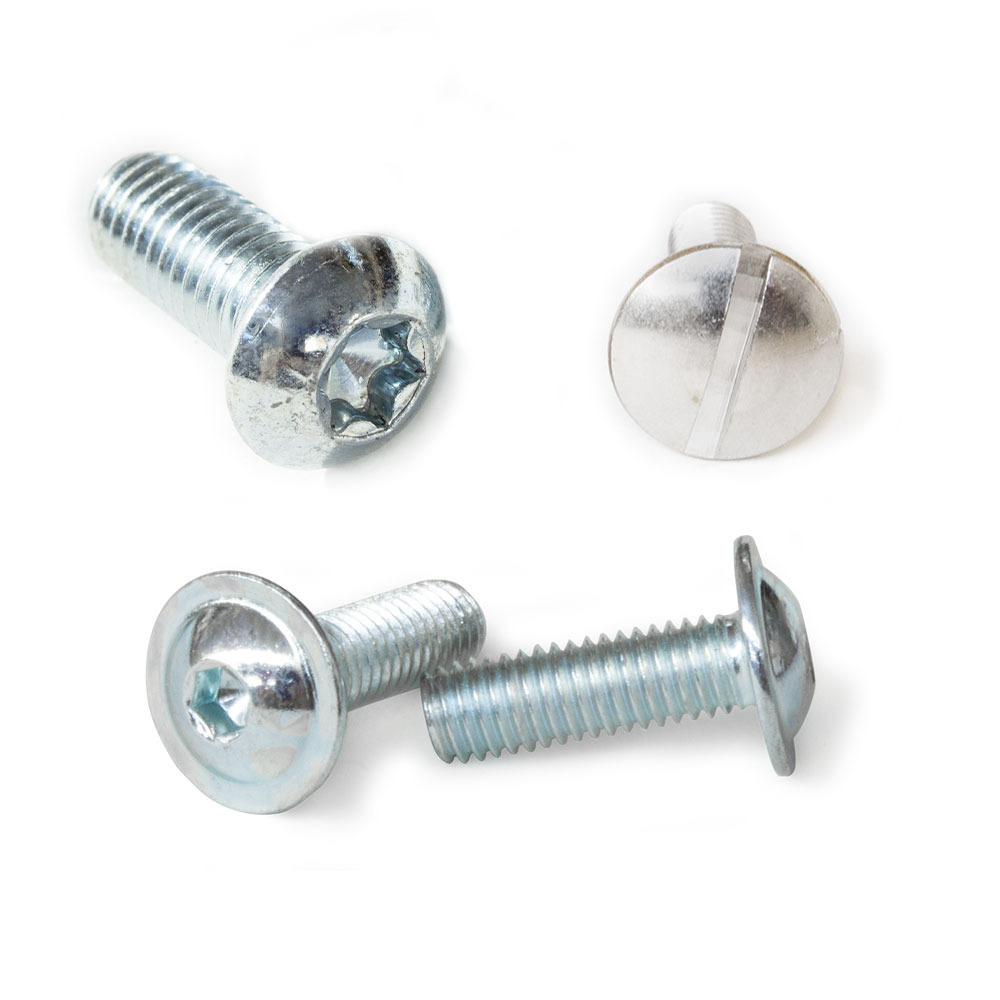
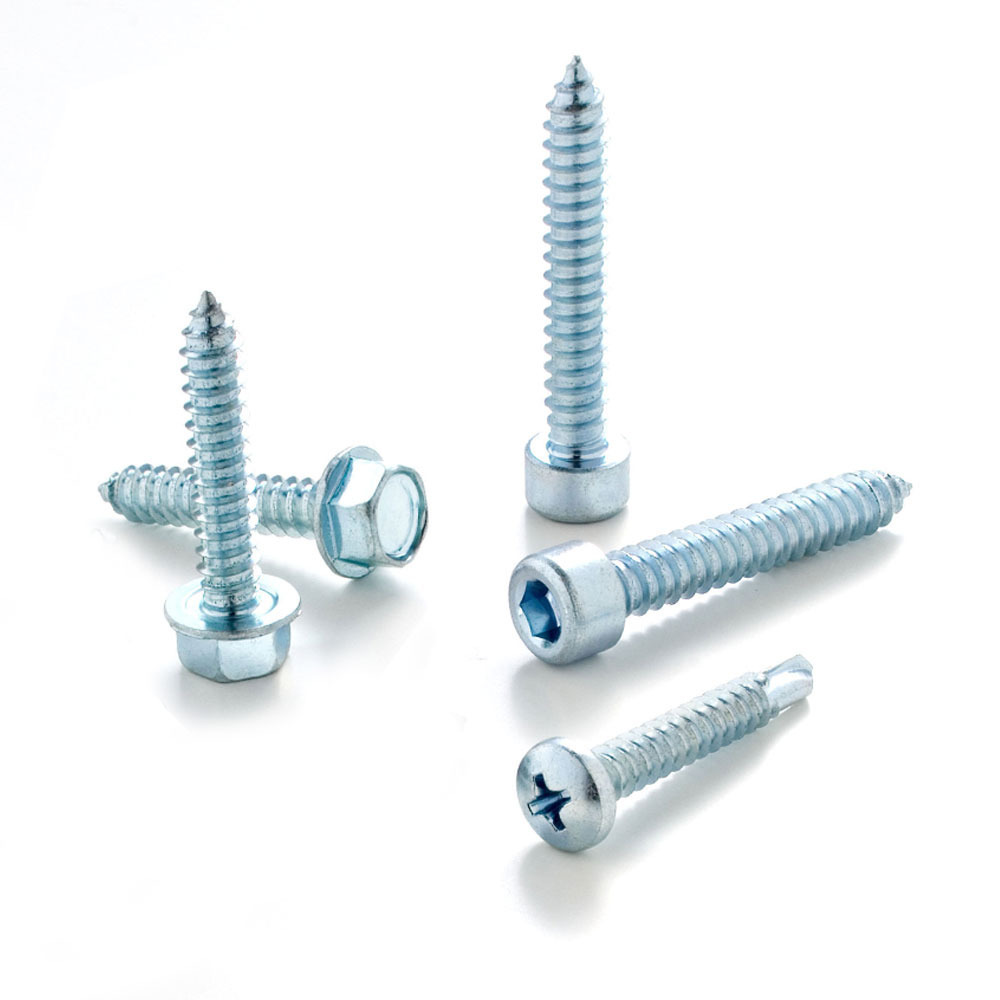
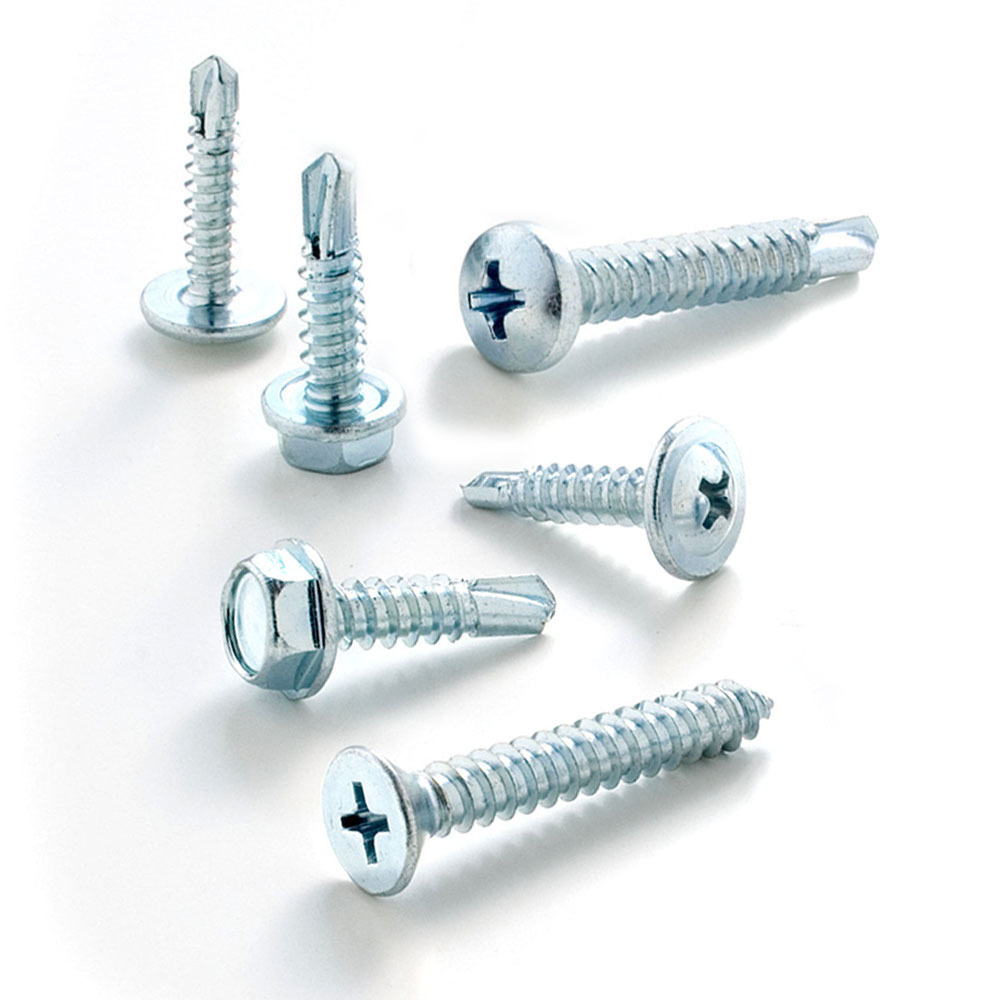
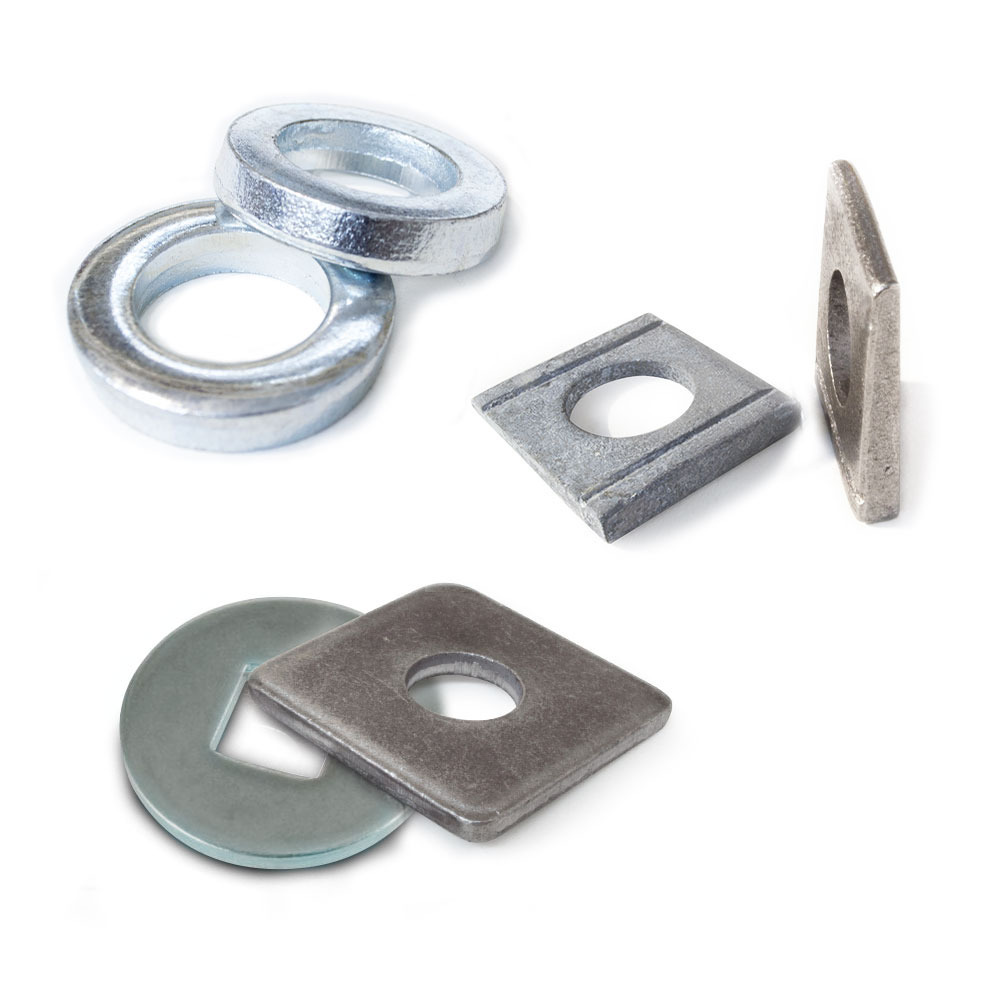
To create light carpentry works, a remarkable variety of screws and bolts can be used. The main product categories are:
Corrosion Resistance of Screws and Bolts in Light Carpentry
In constructions where steel is used, greater attention is paid to the possibility that the material, over time, may show signs of corrosion. The material can literally be attacked by a deterioration process linked to chemical-physical interactions that lead to the appearance of rust. For this reason, adequate protection and maintenance of the elements through specific treatments such as:
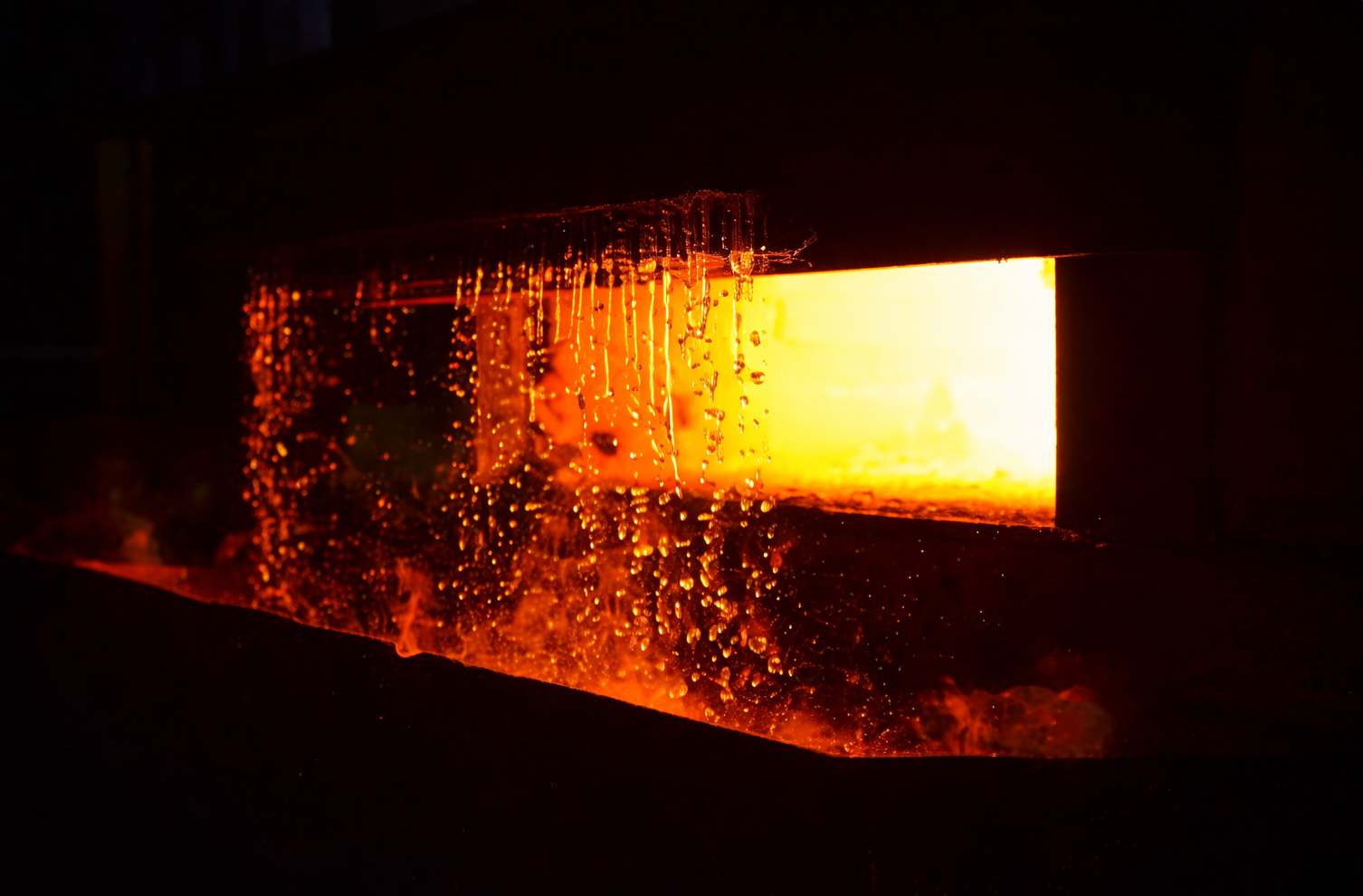
Hot-dip galvanization, useful to increase corrosion resistance and product durability even in more extreme conditions, such as, for example, 300°.
Standards and Certifications for Screws and Bolts in Light Carpentry
Just as for heavy carpentry works, i.e., structural ones, for which specific attestations are necessary, certifications such as the 3.1 can also be requested for light carpentry works, relating to the products.
In general, in this case, too, the reference standard is EN 1090, relating to constructions and structures made of steel or aluminum.
For further information about light carpentry products, subscribe to our newsletter.
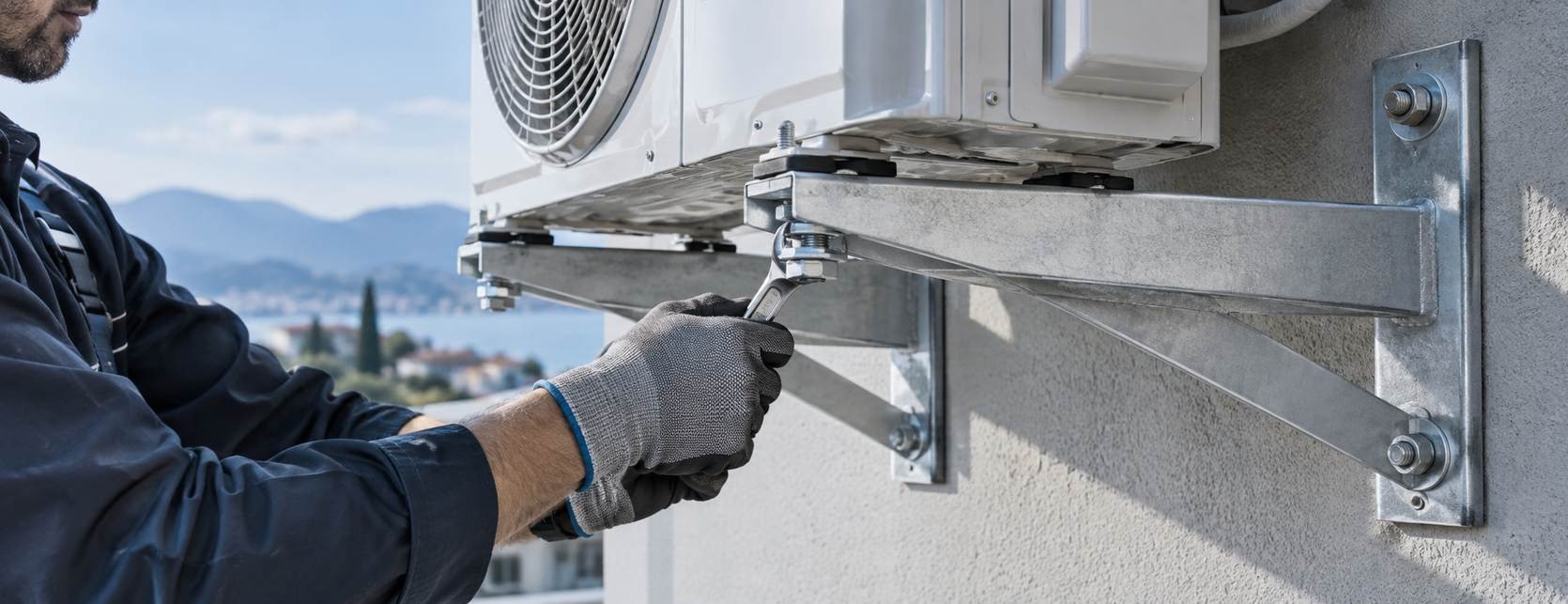
Technical guide to choosing anchors and bolts for air conditioner installation: substrate, bracket, anchoring, vibration, corrosion and proper tightening....
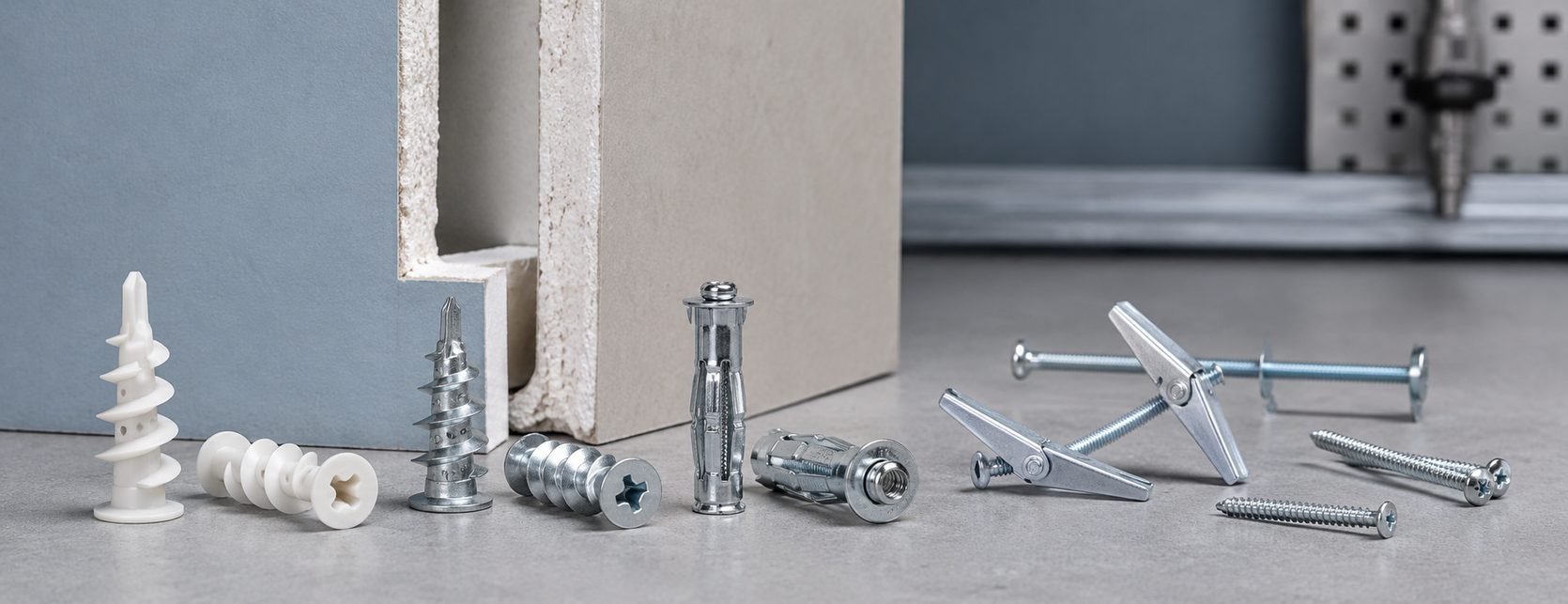
Drywall anchors: types, load capacity, selection criteria and correct installation to identify the most suitable fixing solution for every application....
Industrial automation is now a key factor in improving efficiency, quality, and control in manufacturing processes. By integrating machines, software, and data, companies can make their production more reliable, flexible, and competitive....
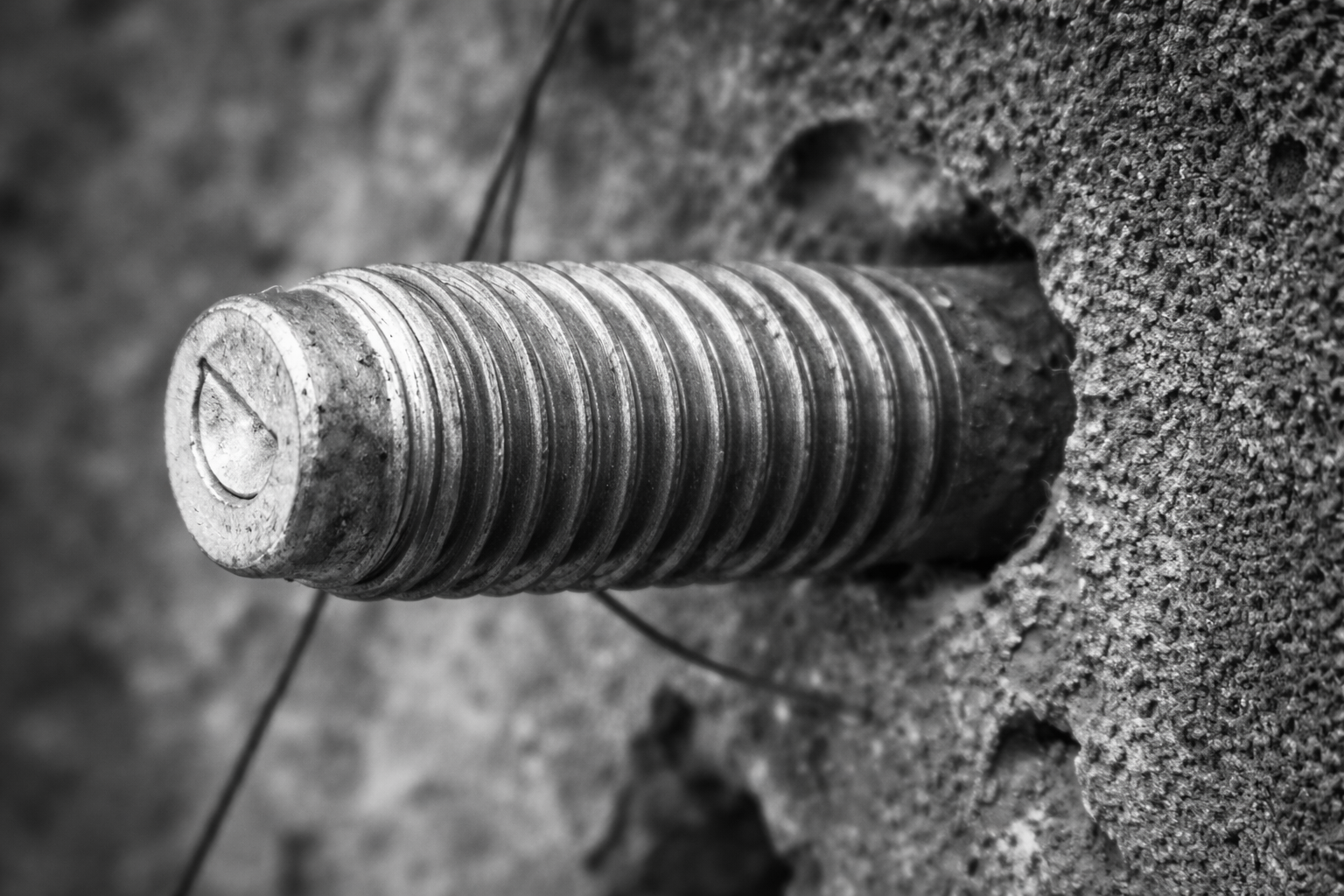
Threaded stud bolts are fasteners widely used in industry when it is necessary to ensure strong, reliable and above all time-demountable connections. Unlike traditional screws, they have a specific configuration that makes them particularly suitable ...
Carburizing is a thermochemical treatment that significantly improves steel performance by increasing surface hardness without compromising internal toughness. It is a fundamental solution for components subject to wear, friction and dynamic loads....
Surface treatments of steel are essential to ensure corrosion resistance, durability and reliable performance. Understanding which ones to choose and when to apply them helps you avoid problems, reduce costs, and improve component efficiency....
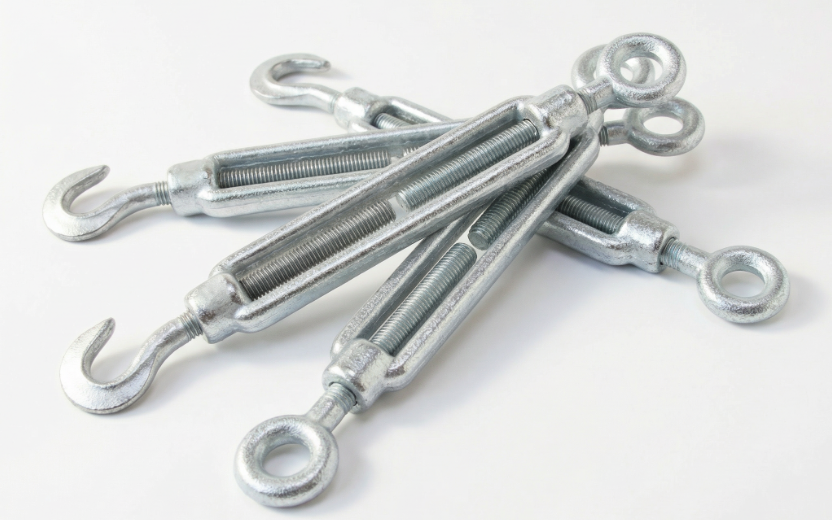
In the metal fabrication and construction industries, structural connection and reinforcement systems play a fundamental role in ensuring long-term stability and safety. Among these, steel tension rods are a widely used technical solution for absorbi...
The metalworking sector is one of the pillars of modern industry. But what does it actually encompass? What are its categories, and what jobs fall under it? In this article, we provide a clear and comprehensive analysis of one of the most strategic s...
Behind every product that reaches the market lies a complex network of suppliers, production processes, logistics, and distribution. Supply Chain Management was developed precisely to efficiently coordinate all these activities, transforming supply c...
Heat treatment of steel is one of the most important processes for obtaining reliable, resistant metal components suitable for industrial applications. From normalizing to tempering, these processes modify the structure of the material and determine ...
 Added to quote