Close x
X

Knurled Washers: What Are They Used For?

Knurled Washers: What Are They Used For?


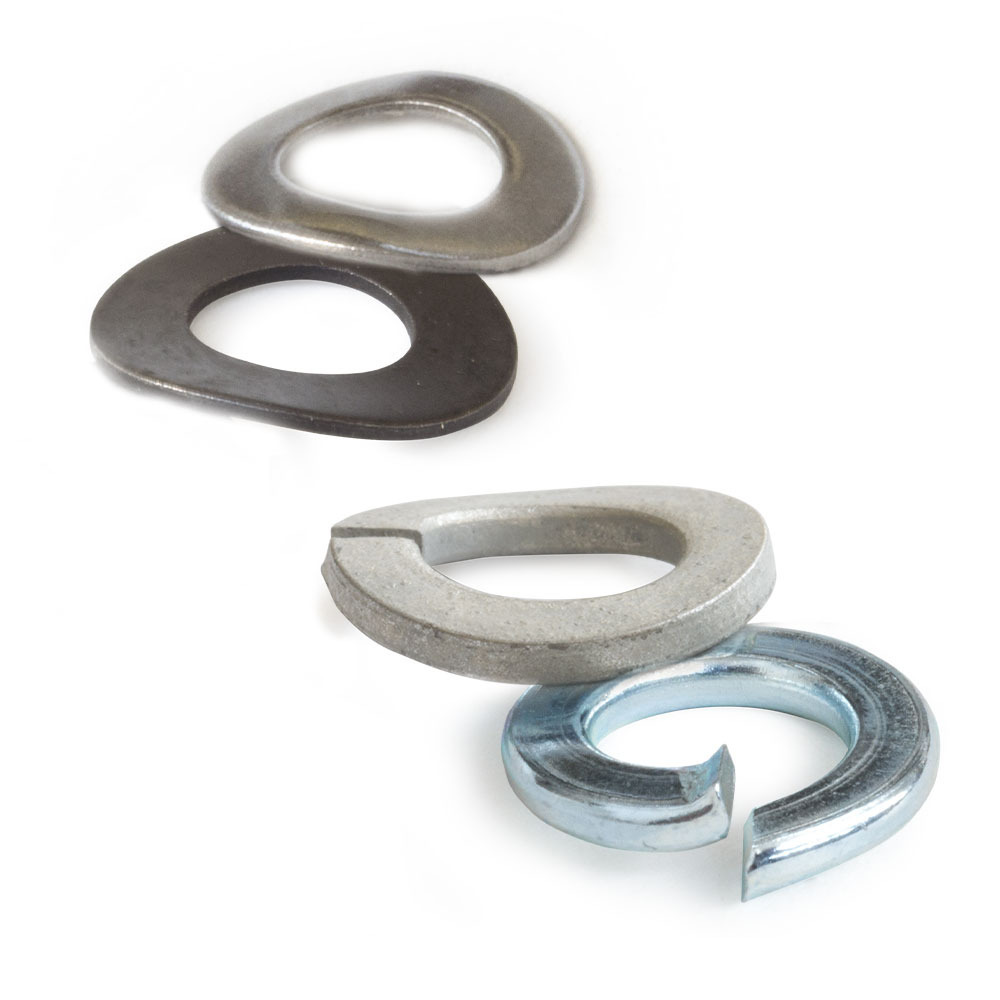
Washers are a mechanical component that is generally placed between the nut of a bolt or under the head of a screw and the component to be locked. For many, this particular part is relegated to the task of increasing the locking of the bolted union to the component to be fixed.

To best meet the different mechanical needs, there are various types of washers, among the main ones we find:

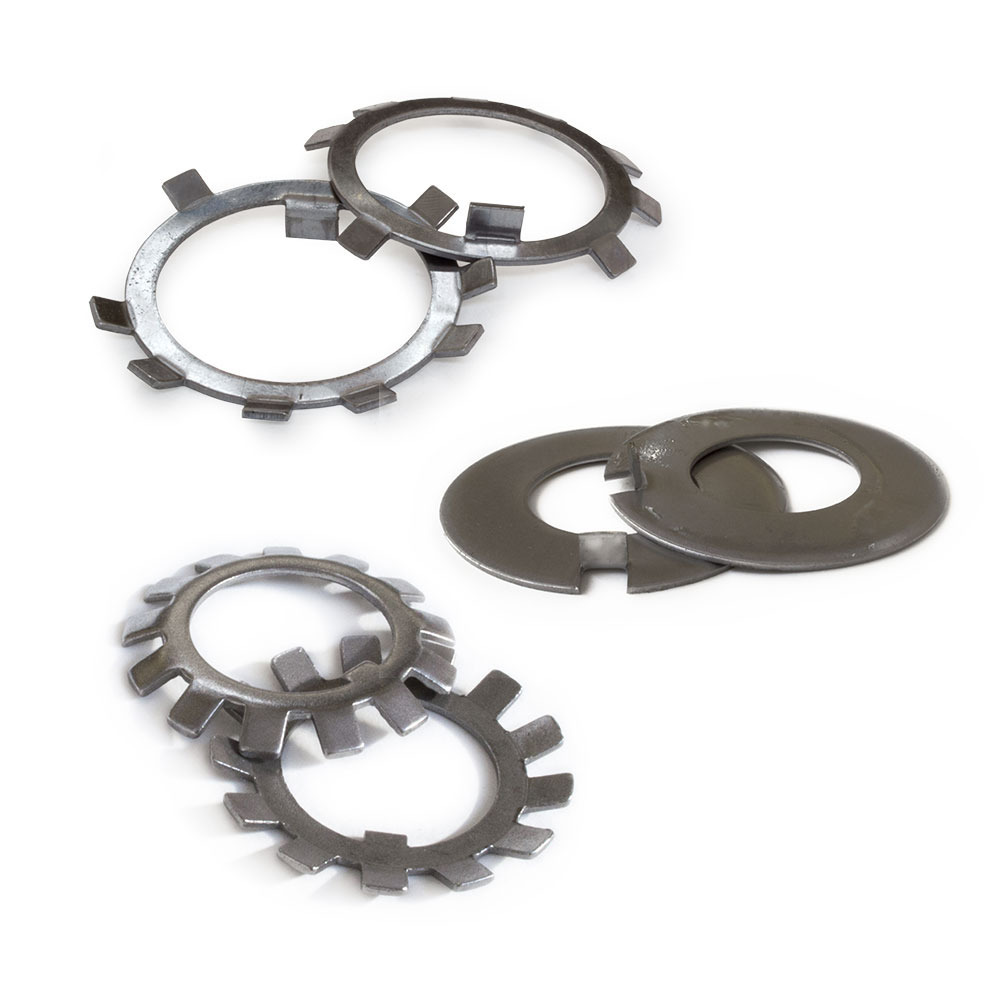
In this article, we will see in detail the characteristics and functions of serrated washers, also called toothed washers. This type of items is easily recognizable by the characteristic serration, which is found on the internal or external part (in some special cases on both), to distinguish them, in the product nomenclature the letter “A” indicates the external serration, while the letter “I” identifies the internal one.

Among the main articles of washers with serration, in our assortment you will find:

The type of steel with which these items are made, thanks to its characteristic elasticity, allows the serrated parts to "cut into" and secure onto materials like wood and light alloys.

Some types of serrated spring washers are also available on the market in stainless steel A2 (AISI 304).

Visit our website's dedicated section for washers, click here!
These categories are mentioned in the article

Latest articles from our blog

Galvanic currents: how to prevent fastener corrosion

Galvanic currents: how to prevent fastener corrosion

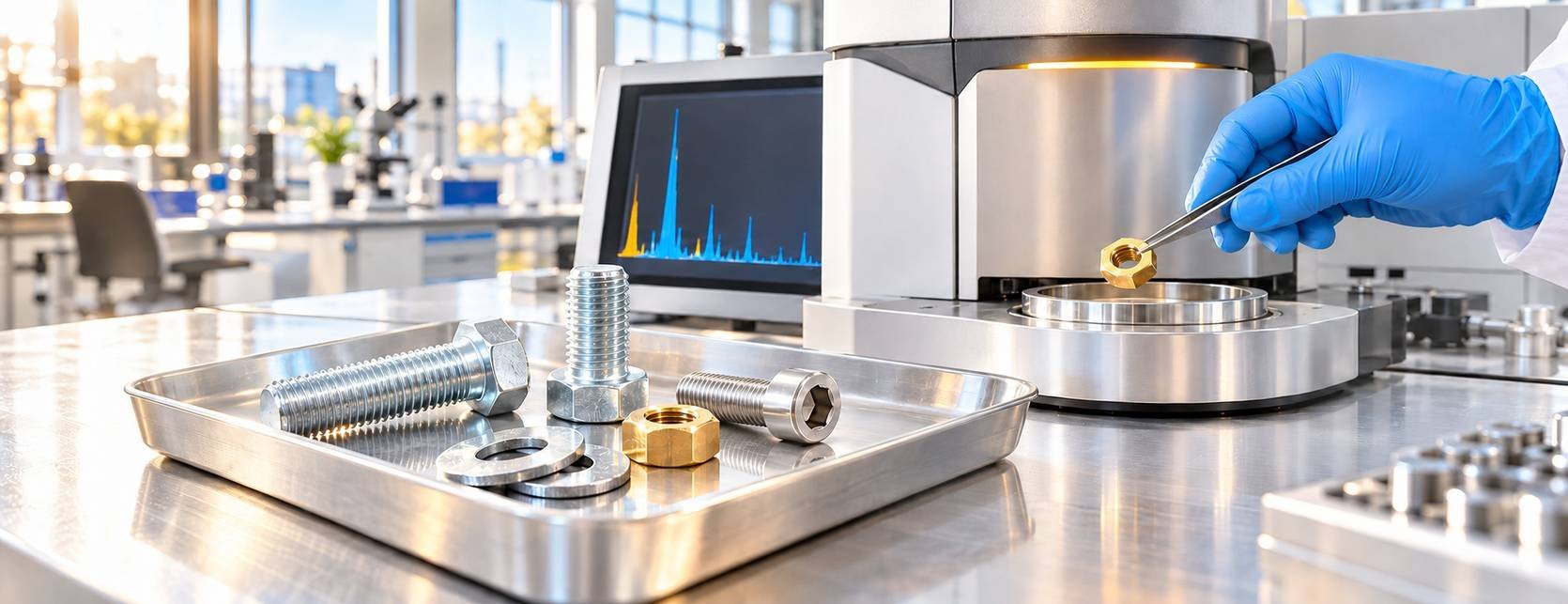
Galvanic currents: how to prevent corrosion of screws and bolts through material selection and appropriate electrical insulation....

Read more ...
Tumbling of small metal parts: processing and surface finishing

Tumbling of small metal parts: processing and surface finishing

Tumbling of small metal parts: abrasives, process parameters and checks to remove burrs, finish surfaces and maintain geometry and dimensional tolerances....

Read more ...
Universal joint: screws, pins and fastening systems

Universal joint: screws, pins and fastening systems

How to choose screws, pins and clamping hubs for universal joints: torque transmission, axial retention and correct tightening explained clearly....

Read more ...
REACH Regulation: criteria for metal fasteners

REACH Regulation: criteria for metal fasteners

SVHCs, coatings and restrictions: what REACH requires to properly document the compliance of screws, nuts and washers....

Read more ...
How to remove a stripped screw without damaging the component

How to remove a stripped screw without damaging the component

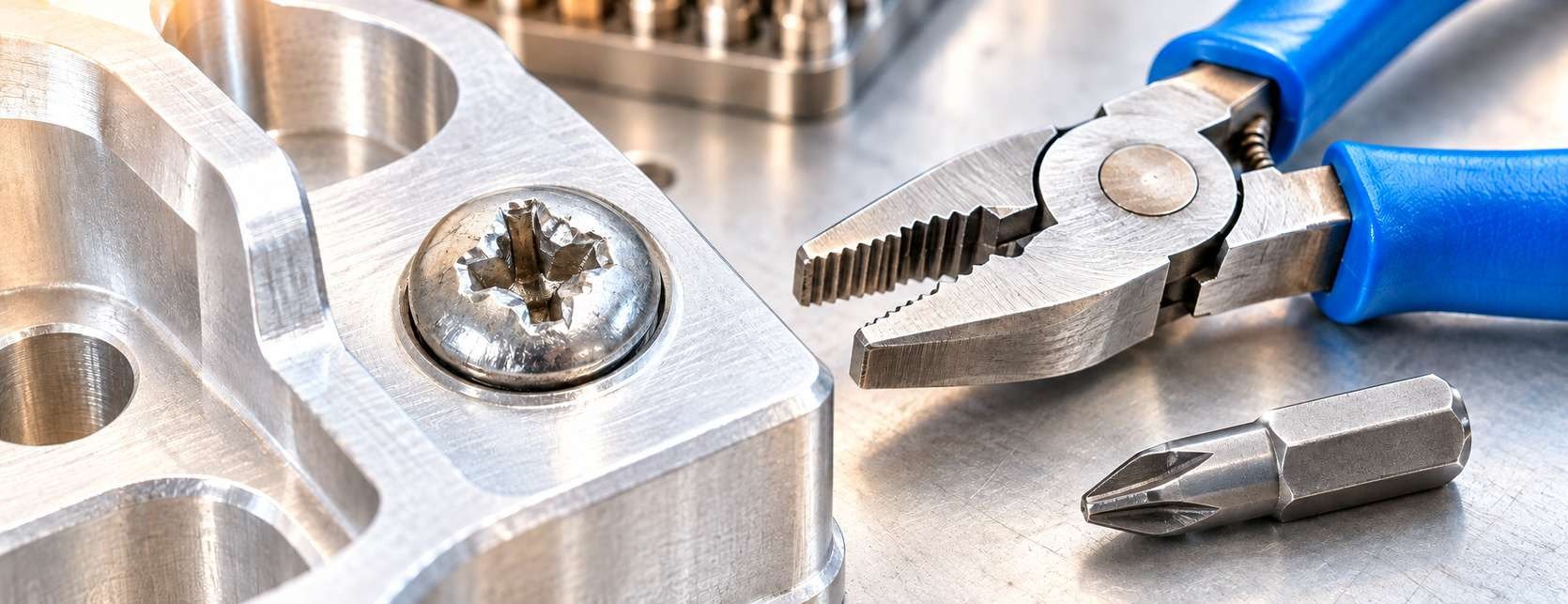
How to remove a stripped screw: tools, extraction techniques and precautions to protect the threaded hole without damaging the component....

Read more ...
Marine accessories: screws, bolts and fasteners for saltwater environments

Marine accessories: screws, bolts and fasteners for saltwater environments

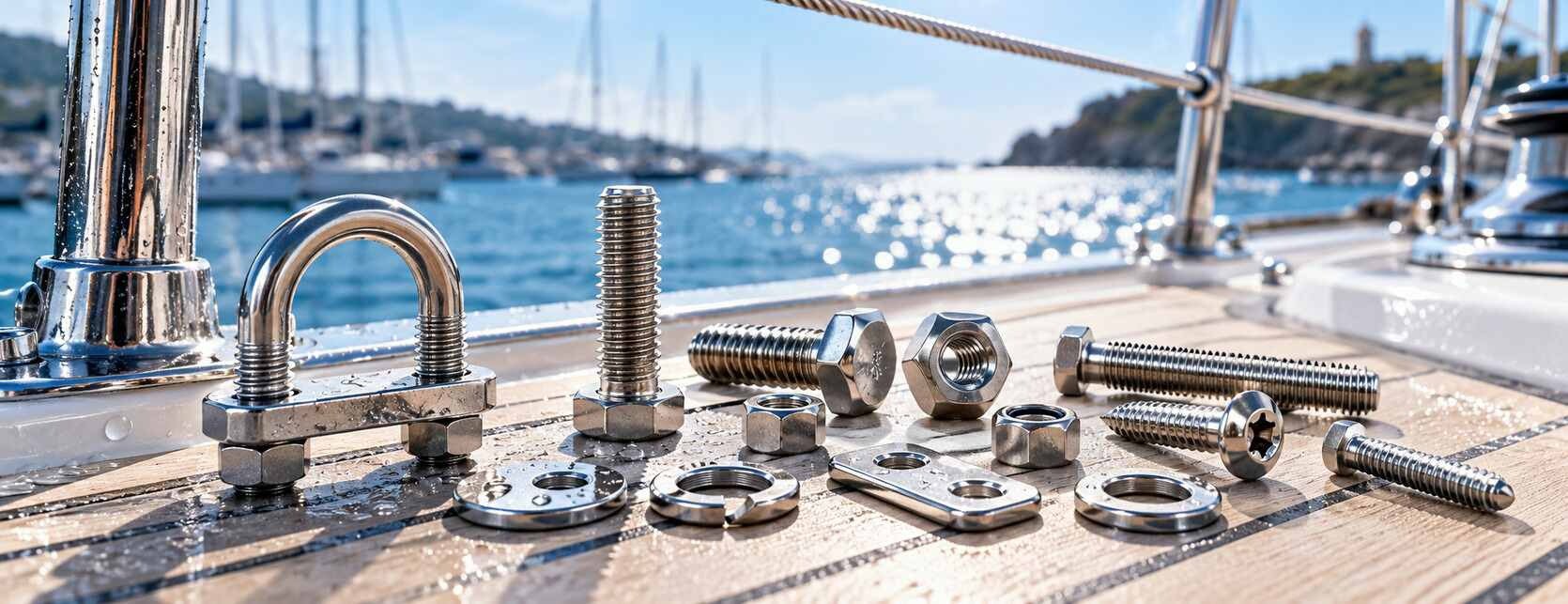
Reliable marine accessories: a guide to choosing stainless steel screws, bolts and fasteners that resist salt, corrosion and vibration over time....

Read more ...
Metal Sandblasting: Surface Preparation for Treatments

Metal Sandblasting: Surface Preparation for Treatments

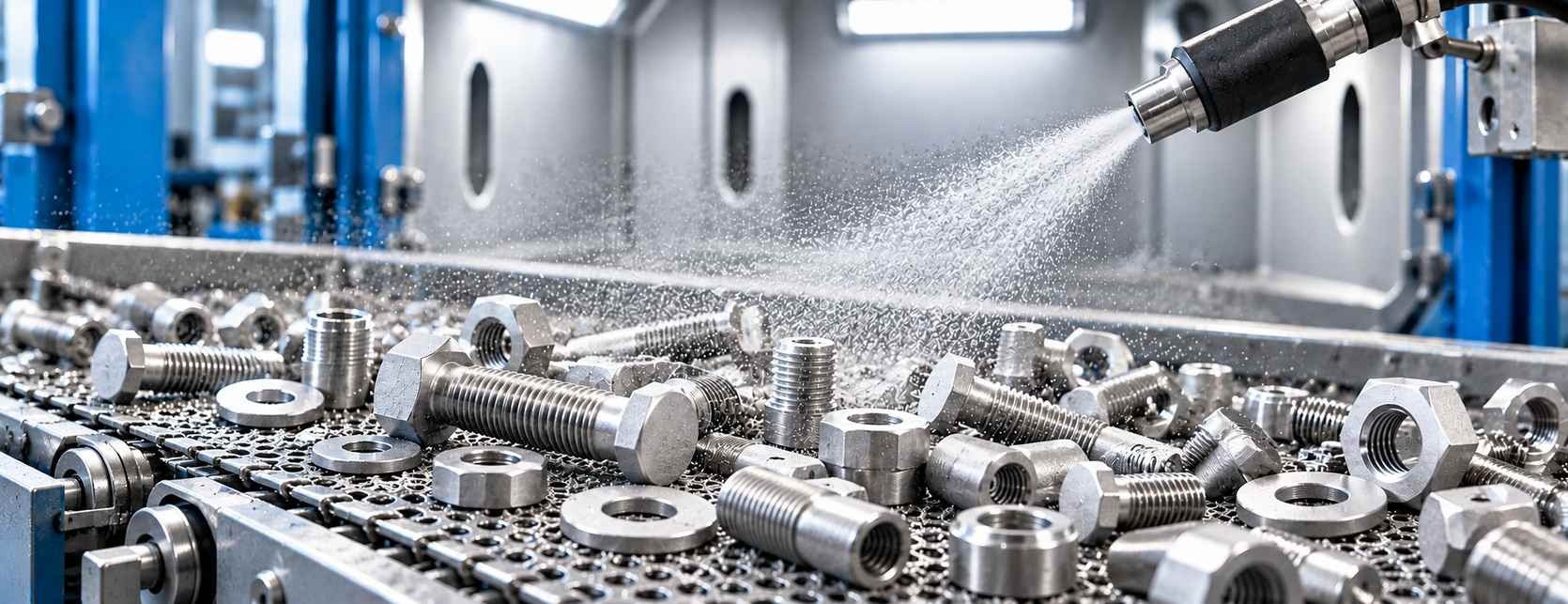
Metal sandblasting applied to small metal components: surface preparation, process control and its role in coatings for screws, bolts and threaded parts....

Read more ...
Air Conditioner Installation: Which Anchors and Bolts to Choose

Air Conditioner Installation: Which Anchors and Bolts to Choose

Technical guide to choosing anchors and bolts for air conditioner installation: substrate, bracket, anchoring, vibration, corrosion and proper tightening....

Read more ...
Drywall Anchors: Types, Load Capacity and Selection Criteria

Drywall Anchors: Types, Load Capacity and Selection Criteria

Drywall anchors: types, load capacity, selection criteria and correct installation to identify the most suitable fixing solution for every application....

Read more ...
Industrial Automation: How It Works and What Benefits It Offers to Manufacturing

Industrial Automation: How It Works and What Benefits It Offers to Manufacturing

Industrial automation is now a key factor in improving efficiency, quality, and control in manufacturing processes. By integrating machines, software, and data, companies can make their production more reliable, flexible, and competitive....

Read more ...