Surface treatments of steel: protection and durability
Steel is one of the most widely used materials in industry due to its mechanical properties, but it has a well-known criticality: if left unprotected, it tends to deteriorate over time due to corrosion.
Exposure to moisture, oxygen, and pollutants leads to the formation of oxides, compromising both the appearance and performance of the material. This phenomenon affects not only large structures, but also seemingly simple components such as screws and bolts, which can lose efficiency and reliability.
For this reason, surface treatments represent an essential phase: they allow the material to be protected, improve its operating behavior, and adapt it to the environmental conditions in which it will be used.
What are the surface treatments for iron and steel
Surface treatments include a set of processes applied to the metal surface with different purposes, ranging from protection to modification of surface characteristics.
Among the most common are galvanizing, which protects steel by creating a barrier against external agents and, at the same time, offers electrochemical protection. Painting, on the other hand, has both a protective and aesthetic function, and is particularly used when a specific visual finish is also required.
Other treatments, such as nickel plating or phosphating, are chosen to improve corrosion resistance or to prepare the material for subsequent processing. Finally, burnishing is a lighter solution, used especially in applications where the required protection is limited and the environment is not particularly aggressive.
The choice between these solutions always depends on the context of use and the required performance.
How to treat metal so it doesn't rust
To prevent rust formation, it is not enough to apply a coating: it is necessary to follow a correct process, which starts from the surface preparation.
Before any treatment, the metal must be thoroughly cleaned to eliminate processing residues, oils, fats and oxides. This phase can occur through chemical or mechanical processes and plays a decisive role, because it determines the adhesion and effectiveness of the subsequent treatment.
Once the surface has been prepared, the protective coating is applied. In many cases, galvanizing represents one of the most effective solutions, especially for industrial applications, while painting is chosen when it is necessary to combine protection and aesthetic finishing.
Corrosion protection, therefore, is not linked to a single treatment, but to a complete system that must be designed according to the environment of use.
Which treatment improves the surface hardness of steel
In addition to corrosion protection, in many cases it is necessary to improve the mechanical properties of the surface, particularly hardness and wear resistance.
To achieve this result, surface heat or thermochemical treatments are used, which modify the structure of the outer layer without altering the characteristics of the material at depth.
Processes such as carburizing or nitriding allow for a harder and more resistant surface, while maintaining a more tenacious internal core. This balance is critical for components subject to high loads, friction, or repeated stress.
In the bolting industry, these treatments are particularly relevant when components must ensure consistent performance even under critical conditions of use.
How to treat steel as a function of application
There is no treatment for all situations. The choice must always start from an analysis of the conditions of use.
The environment plays a determining role: a component intended for an indoor, dry environment will require a very different level of protection than one exposed outdoors, in the presence of moisture or corrosive agents. In industrial or marine contexts, for example, the risk of corrosion is significantly higher and requires higher-performance solutions.
The expected life of the component is also a key factor. In some cases, basic protection may be sufficient, while in others it is necessary to adopt more complex systems, even combining multiple treatments.
An often underestimated aspect: design
A common mistake is to think that protection depends solely on surface treatment. In fact, the design of the component also has a direct impact on its durability.
Complex geometries, waterlogging, or difficult-to-treat areas can compromise the effectiveness of the coating. On the contrary, careful design allows for significant performance improvements over time.
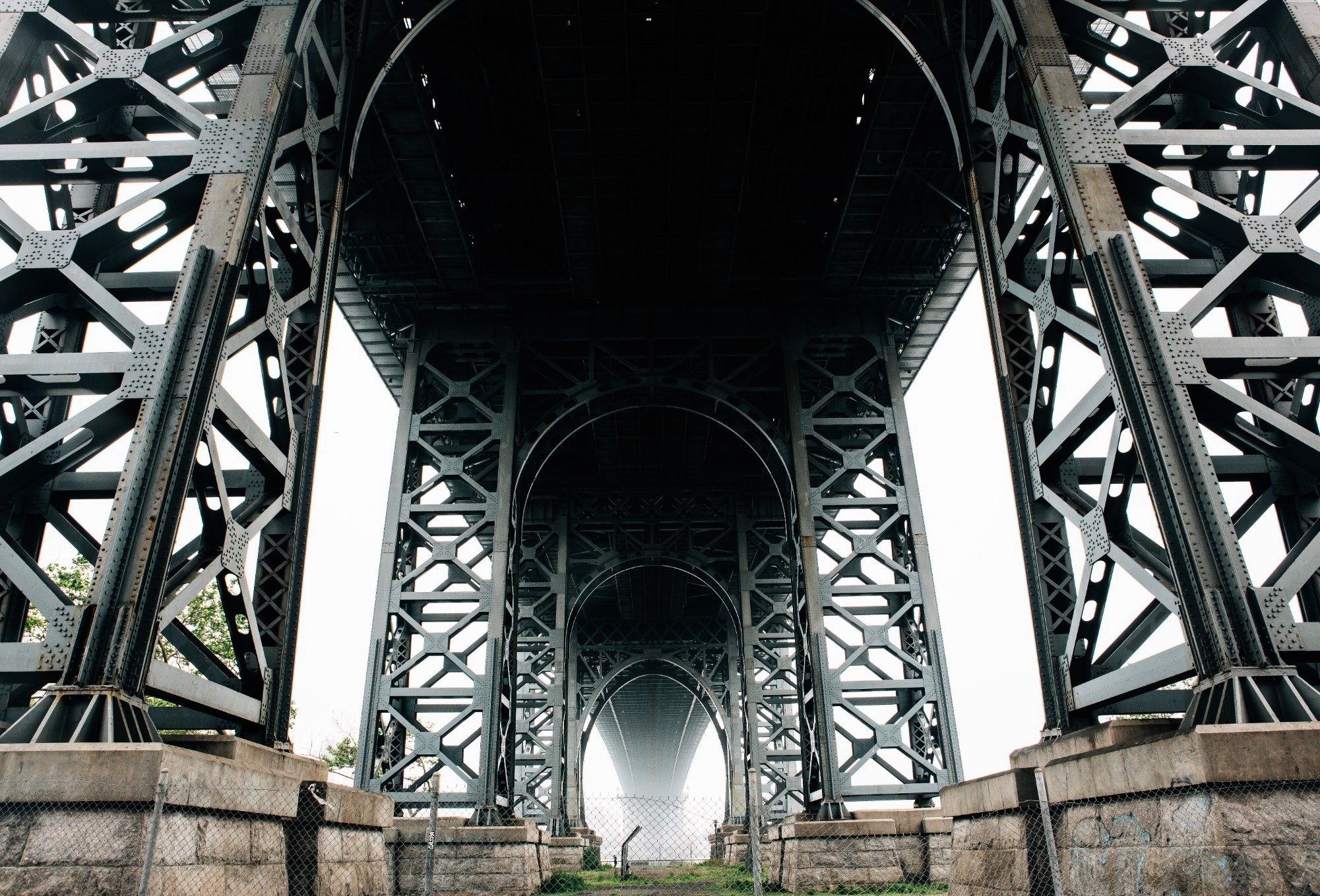
This is particularly evident in industrial structures and components, where durability depends not only on the material, but on the entire design system.
Conclusion
Surface treatments of steel are a key element in ensuring reliability, safety and durability over time.
Understanding the differences between the various solutions and choosing the most suitable one based on the application allows you to avoid future problems and optimize costs throughout the product lifecycle.
In the viteria and bolting industry, where each component must ensure precise and consistent performance, surface treatment is not a detail, but a true strategic lever.
To receive more information about the world of viteria, subscribe to our newsletter.
Technical guide to choosing anchors and bolts for air conditioner installation: substrate, bracket, anchoring, vibration, corrosion and proper tightening....
Drywall anchors: types, load capacity, selection criteria and correct installation to identify the most suitable fixing solution for every application....
Industrial automation is now a key factor in improving efficiency, quality, and control in manufacturing processes. By integrating machines, software, and data, companies can make their production more reliable, flexible, and competitive....
Threaded stud bolts are fasteners widely used in industry when it is necessary to ensure strong, reliable and above all time-demountable connections. Unlike traditional screws, they have a specific configuration that makes them particularly suitable ...
Carburizing is a thermochemical treatment that significantly improves steel performance by increasing surface hardness without compromising internal toughness. It is a fundamental solution for components subject to wear, friction and dynamic loads....
Surface treatments of steel are essential to ensure corrosion resistance, durability and reliable performance. Understanding which ones to choose and when to apply them helps you avoid problems, reduce costs, and improve component efficiency....
In the metal fabrication and construction industries, structural connection and reinforcement systems play a fundamental role in ensuring long-term stability and safety. Among these, steel tension rods are a widely used technical solution for absorbi...
The metalworking sector is one of the pillars of modern industry. But what does it actually encompass? What are its categories, and what jobs fall under it? In this article, we provide a clear and comprehensive analysis of one of the most strategic s...
Behind every product that reaches the market lies a complex network of suppliers, production processes, logistics, and distribution. Supply Chain Management was developed precisely to efficiently coordinate all these activities, transforming supply c...
Heat treatment of steel is one of the most important processes for obtaining reliable, resistant metal components suitable for industrial applications. From normalizing to tempering, these processes modify the structure of the material and determine ...
 Added to quote