Industrial Automation: How It Works and What Benefits It Offers to Manufacturing
Industrial automation is now one of the main drivers of transformation in the manufacturing sector. It is not just about speeding up production, but about making it more precise, controllable, and adaptable to market demands.
More and more companies are integrating automated systems into their production processes to improve efficiency, quality, and operational continuity. This shift involves not only large industries but also more specialized companies operating in the technical supply chain, such as the fastener industry.
What Are the Benefits of Industrial Automation
The benefits of industrial automation extend across multiple areas, from production to supply chain management.
The first obvious advantage is increased operational efficiency. Automated machines can operate continuously with optimized cycle times, reducing downtime and boosting overall productivity. This allows companies to handle higher volumes without proportionally increasing the resources required.
A second key aspect concerns quality. In manual processes, variability is inevitable, whereas automation allows for consistent standards and precise tolerances. In technical fields, such as fasteners, this means ensuring dimensional and mechanical characteristics compliant with DIN, ISO, and UNI standards, thereby reducing scrap and rework.
Automation also helps improve safety by limiting human intervention in the most risky or repetitive operations. At the same time, it enables greater process traceability through real-time data collection and analysis.
Finally, one of the most strategic advantages is flexibility. Modern production lines can be quickly reconfigured to adapt to different products or changes in demand, reducing time-to-market.
How Automation Works in Manufacturing Processes
Industrial automation is based on the integration of machines, control systems, and software, which work in coordination to manage the various stages of production.
Within an automated manufacturing process, operations are carried out according to predefined logic. Sensors installed along the line collect information on parameters such as position, temperature, pressure, or speed. This data is processed by control systems that make real-time decisions, adjusting the operation of the machines.
A concrete example is a production line where a component is processed, inspected, and automatically transferred from one station to another. Each stage is synchronized and monitored, minimizing human intervention.
A central role is played by supervisory systems, which allow the entire process to be visualized and enable intervention in the event of anomalies. In this way, the company can maintain constant control over production and intervene promptly to avoid machine downtime or defects.
This approach transforms the production process from a sequence of isolated operations into an integrated system, where each phase is linked to the others and contributes to overall efficiency.
What Technologies Are Used in Industrial Automation
At the heart of industrial automation lies a set of technologies that work together seamlessly to make processes more efficient and intelligent.
Among the key technologies are programmable control systems, such as PLCs and CNCs, which manage machine operations. These are complemented by sensors and actuators, which are essential for collecting data and translating it into concrete actions along the production line.
Industrial robots represent another key element. They are used for repetitive or high-precision operations, such as assembly, material handling, or machining, ensuring speed and reliability.
On the software side, systems like SCADA and MES enable the monitoring and management of production, integrating information from machines with enterprise management systems.
All of this fits within the context of Industry 4.0, where digital technologies enable an increasingly tight connection between plants, data, and people. Integration with the Internet of Things and advanced data analytics allows for a shift from a reactive approach to a predictive one, further improving production performance.
Conclusion
Industrial automation is now a strategic tool for improving competitiveness, quality, and responsiveness to the market.
It is not simply a matter of introducing new technologies, but of rethinking the way production processes are designed and managed.
Companies that invest in automation gain greater control, reduce inefficiencies, and ensure operational continuity—factors that are increasingly critical in today’s industrial landscape.
To receive more information about the world of fasteners, subscribe to our newsletter.
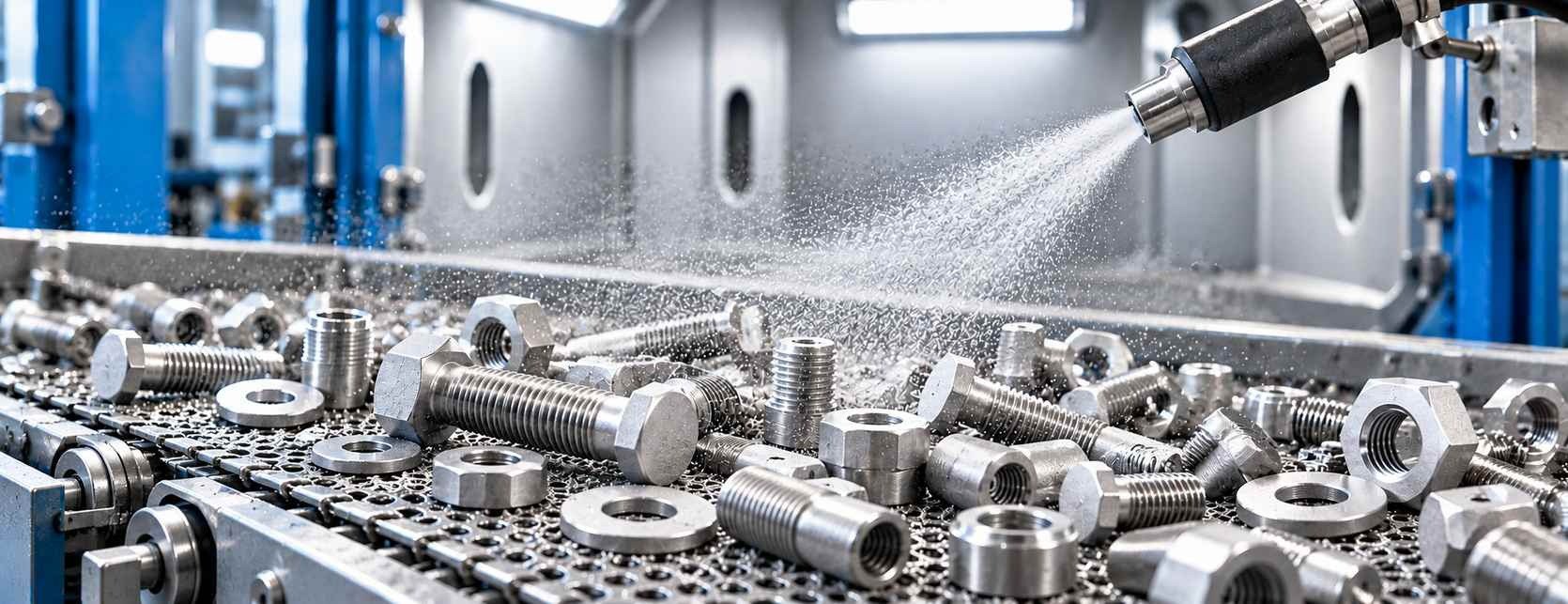
Metal sandblasting applied to small metal components: surface preparation, process control and its role in coatings for screws, bolts and threaded parts....
Technical guide to choosing anchors and bolts for air conditioner installation: substrate, bracket, anchoring, vibration, corrosion and proper tightening....
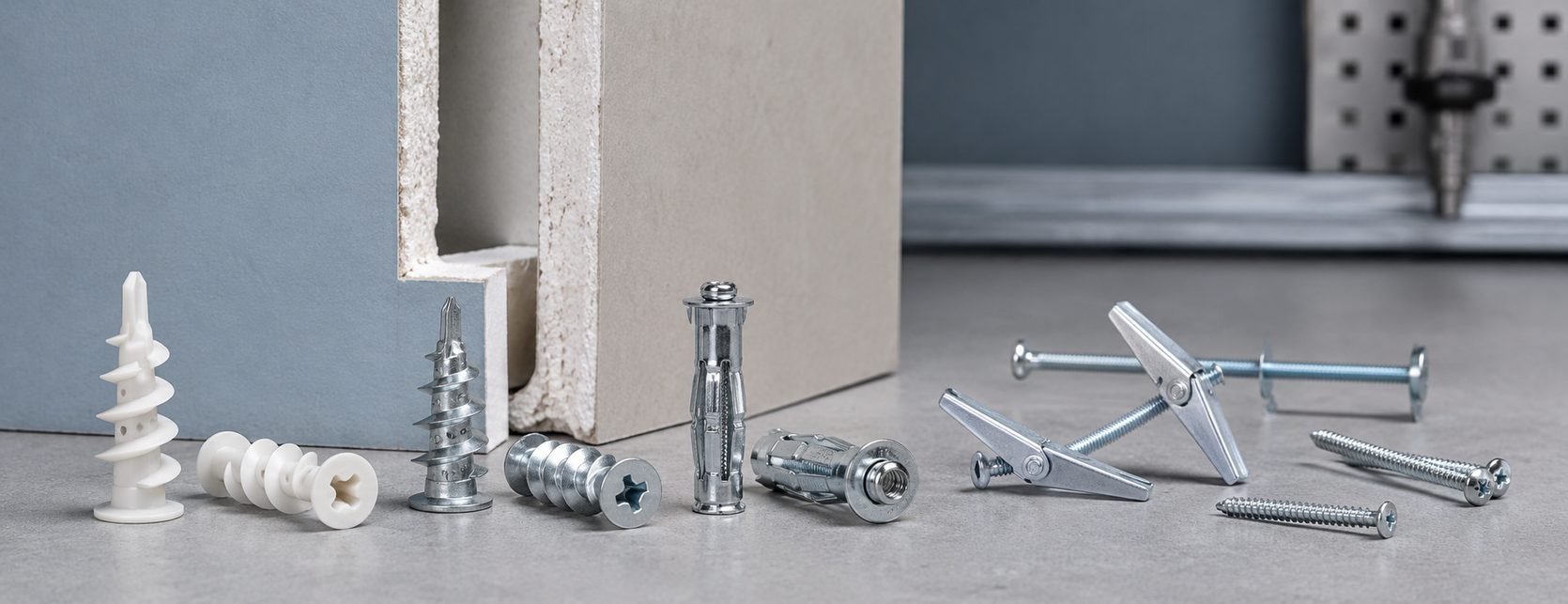
Drywall anchors: types, load capacity, selection criteria and correct installation to identify the most suitable fixing solution for every application....
Industrial automation is now a key factor in improving efficiency, quality, and control in manufacturing processes. By integrating machines, software, and data, companies can make their production more reliable, flexible, and competitive....
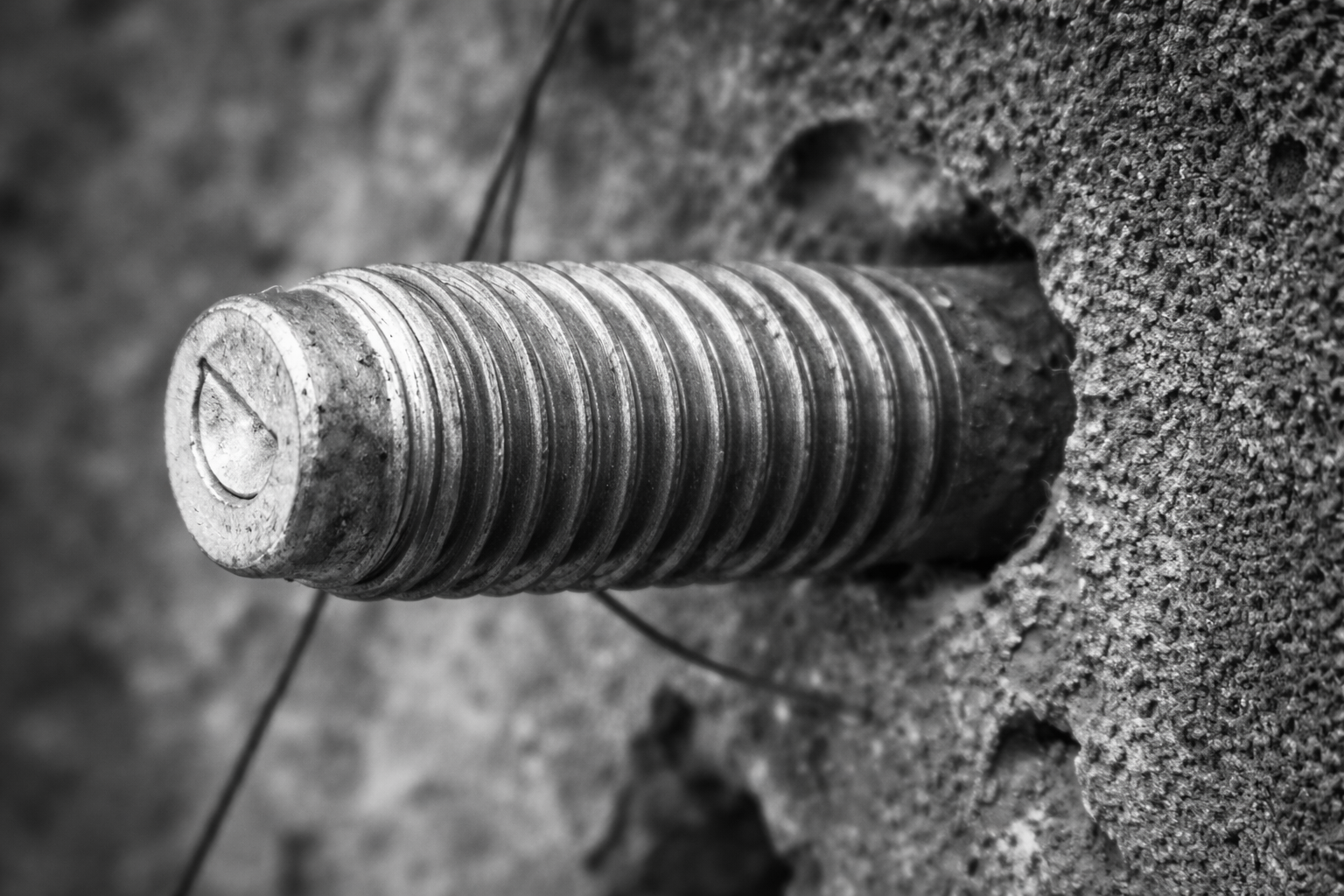
Threaded stud bolts are fasteners widely used in industry when it is necessary to ensure strong, reliable and above all time-demountable connections. Unlike traditional screws, they have a specific configuration that makes them particularly suitable ...
Carburizing is a thermochemical treatment that significantly improves steel performance by increasing surface hardness without compromising internal toughness. It is a fundamental solution for components subject to wear, friction and dynamic loads....
Surface treatments of steel are essential to ensure corrosion resistance, durability and reliable performance. Understanding which ones to choose and when to apply them helps you avoid problems, reduce costs, and improve component efficiency....
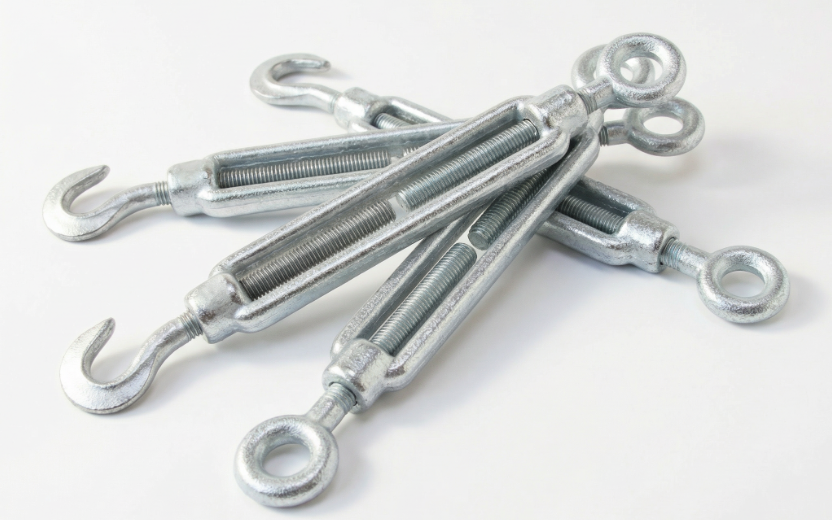
In the metal fabrication and construction industries, structural connection and reinforcement systems play a fundamental role in ensuring long-term stability and safety. Among these, steel tension rods are a widely used technical solution for absorbi...
The metalworking sector is one of the pillars of modern industry. But what does it actually encompass? What are its categories, and what jobs fall under it? In this article, we provide a clear and comprehensive analysis of one of the most strategic s...
 Added to quote