The Metalworking Sector in Italy: What It Is, What It Encompasses, and What Jobs It Includes
The metalworking sector encompasses all industrial activities related to the processing of metals and their transformation into finished products or components intended for other production processes.
The term stems from the union of two distinct yet complementary fields: metallurgy, which deals with the production and processing of metals, and mechanics, which studies the motion and forces applied to bodies.
In practice, the metalworking sector uses metallic materials (steel, aluminum, alloys) to create products ranging from the simplest components to complex machinery.
From an economic standpoint, it is a strategic sector: it produces all the capital goods used in industry and represents one of the main sources of technological innovation.
In Italy, the sector has enormous significance:
approximately 1.5–1.7 million employees
an added value exceeding 150 billion euros
a significant share of national exports
What does the mechanical engineering sector encompass?
The mechanical engineering sector, which is a central part of the metalworking industry, encompasses all activities related to the design, production, and maintenance of machinery and mechanical components.
Specifically, it includes:
the production of industrial machinery
the manufacture of mechanical components and spare parts
On a broader level, the metalworking industry also encompasses sectors such as:
metallurgy and metal products
mechanical machinery and equipment
electrical and electronic machinery
transportation
According to data reported in the Federmeccanica document, these segments represent the entire composition of the sector and contribute significantly to industrial value added.
This means that the metalworking sector is not limited to the production of individual components, but forms the foundation of the entire industrial system.
What are the categories within the metalworking industry?
The metalworking sector is extremely broad and is divided into various production categories, each with a specific role in the supply chain.
Among the main ones are:
Manufacturing of machinery and equipment
This includes the design and construction of machines used in industrial, agricultural, and construction settings.
Metal fabrication
This involves the construction of metal structures for the building industry, infrastructure, and industrial plants.
Production of metal components and small parts
This includes essential items such as screws, bolts, nuts, and other fasteners, which are indispensable for any industrial assembly.
Tool manufacturing
This includes tools used to process materials, such as cutting tools, drill bits, and milling cutters.
Transportation
This sector covers the production of automobiles and industrial vehicles, trains and railway systems, ships and boats, and, finally, aircraft.
This breakdown demonstrates how the metalworking industry is a coplete supply chain, spanning from raw materials to high-tech finished products.
What are metalworking jobs?
Metalworking jobs encompass a wide range of professions, including operational, technical, and managerial roles.
Among the main roles are:
Skilled workers
·lathe operators
·milling machine operators
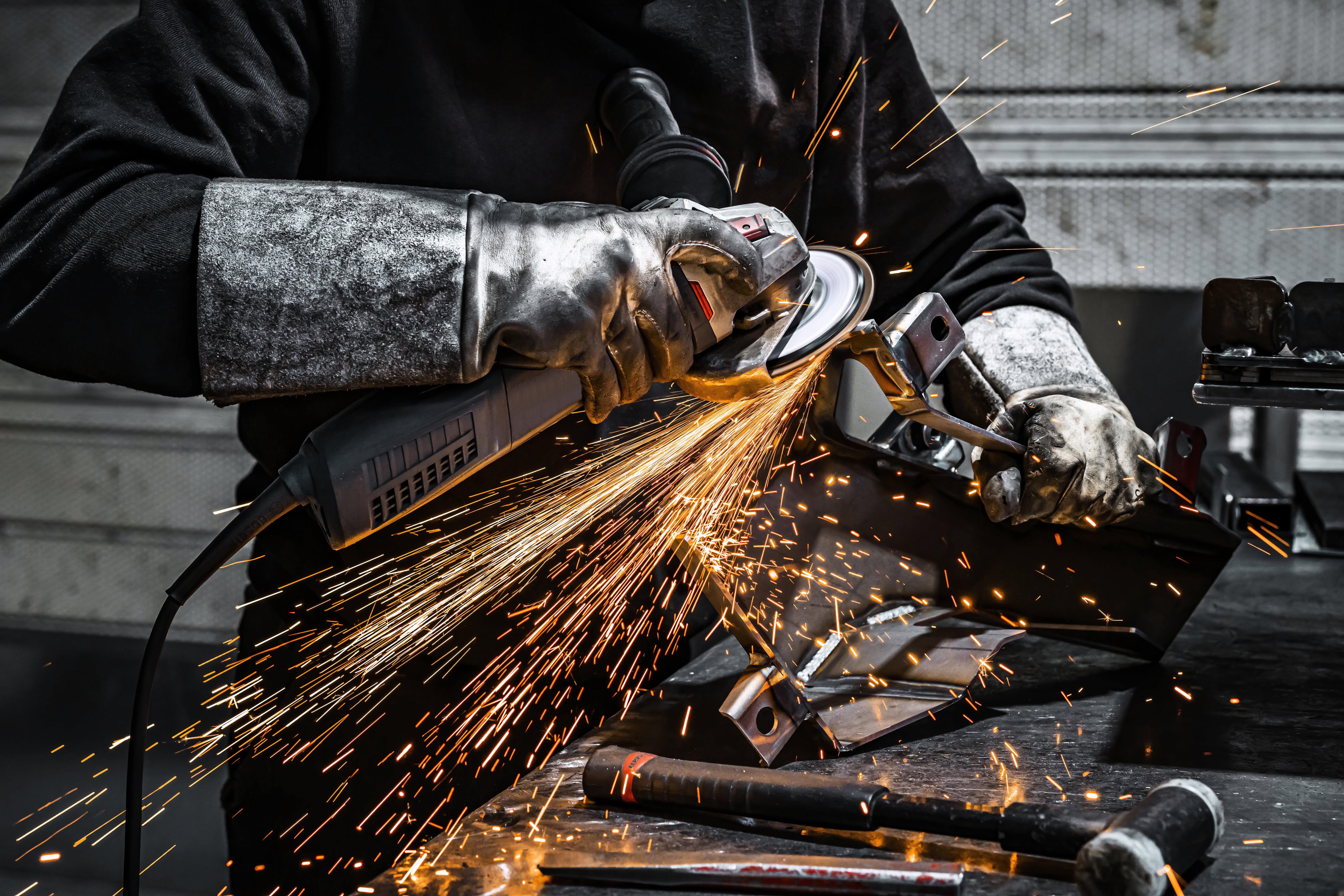
·welders
·CNC operators
Technicians and designers
·mechanical designers
·industrial engineers
·CAD drafters
Production-related roles
·assembly workers
·production managers
·industrial maintenance technicians
Management and sales roles
·industrial buyers
·purchasing managers
·sales engineers
In recent years, the sector has seen a growing shift toward more qualified and specialized roles. Data shows an increase in the proportion of white-collar and technical staff compared to purely operational roles
The strategic role of the metalworking industry
One of the most important aspects of the metalworking sector is its cross-cutting role. It is not merely a manufacturing sector, but a true driving force for all other industrial sectors.
The metalworking industry supplies machinery and equipment to all industries, supports technological innovation, and contributes to the international competitiveness of businesses
Approximately 82% of high- and medium-high-tech production comes from this sector, confirming its central role in industrial development.
Conclusion
The metalworking sector represents much more than just a collection of manufacturing activities: it is the foundation upon which the entire modern industry is built.
For companies like Univiti, which supply industrial fasteners and bolts, this sector is not only our core market but also the ecosystem in which every project, every facility, and every innovation takes shape.
Understanding how the metalworking industry works means understanding the heart of industry.
To receive more information about the world of fasteners, subscribe to our newsletter.
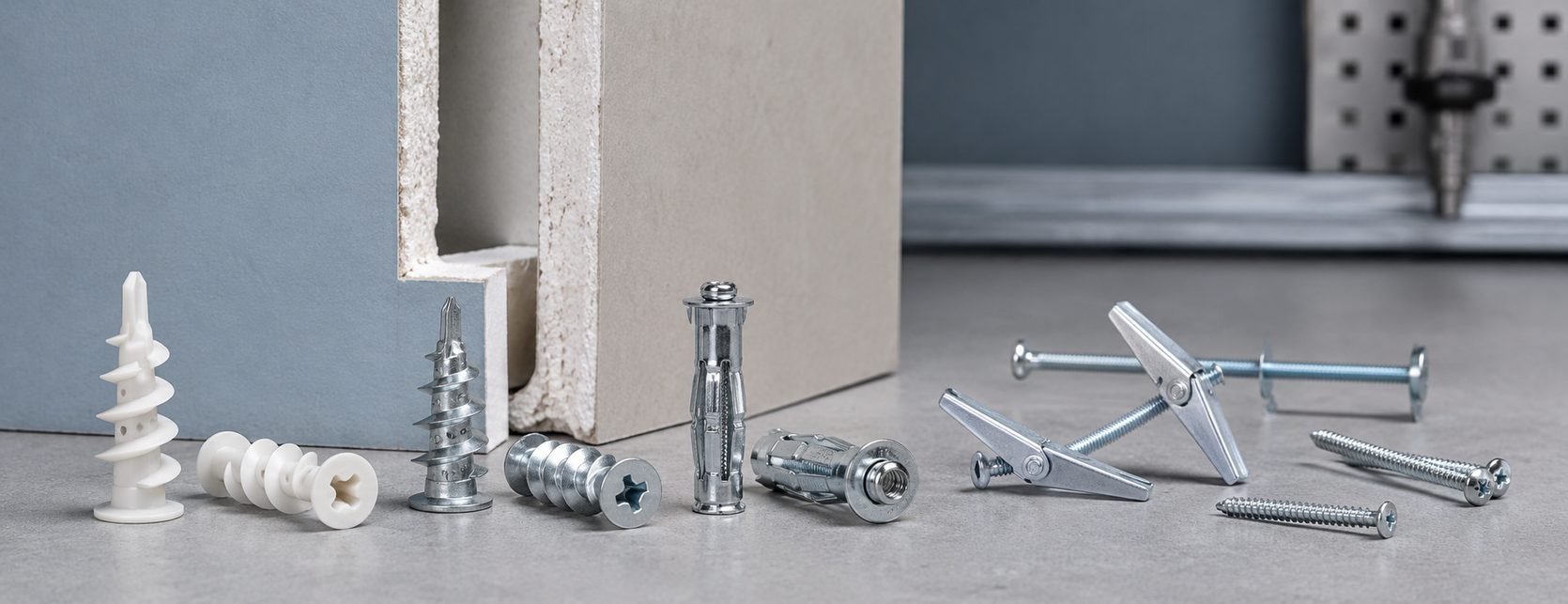
Drywall anchors: types, load capacity, selection criteria and correct installation to identify the most suitable fixing solution for every application....
Industrial automation is now a key factor in improving efficiency, quality, and control in manufacturing processes. By integrating machines, software, and data, companies can make their production more reliable, flexible, and competitive....
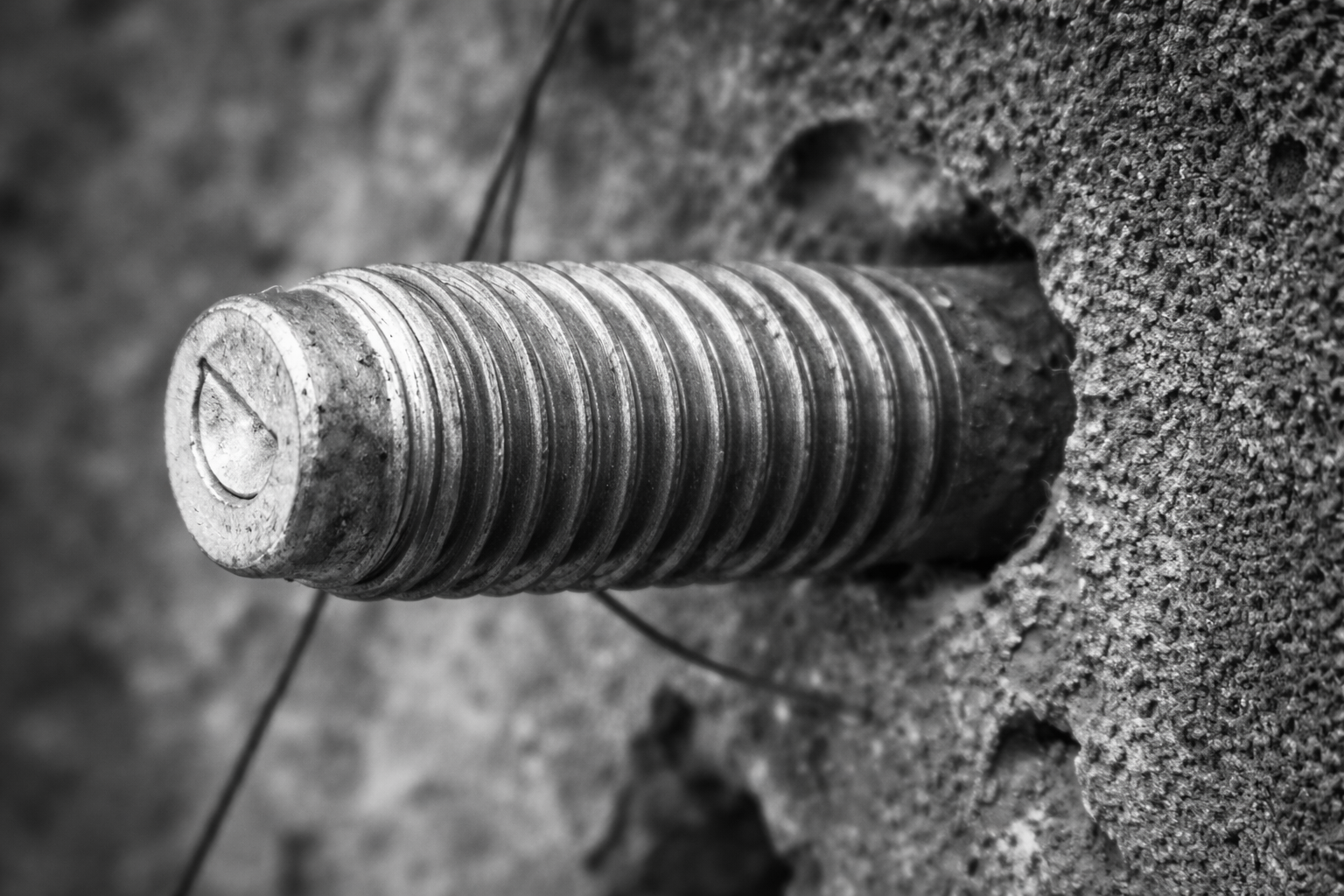
Threaded stud bolts are fasteners widely used in industry when it is necessary to ensure strong, reliable and above all time-demountable connections. Unlike traditional screws, they have a specific configuration that makes them particularly suitable ...
Carburizing is a thermochemical treatment that significantly improves steel performance by increasing surface hardness without compromising internal toughness. It is a fundamental solution for components subject to wear, friction and dynamic loads....
Surface treatments of steel are essential to ensure corrosion resistance, durability and reliable performance. Understanding which ones to choose and when to apply them helps you avoid problems, reduce costs, and improve component efficiency....
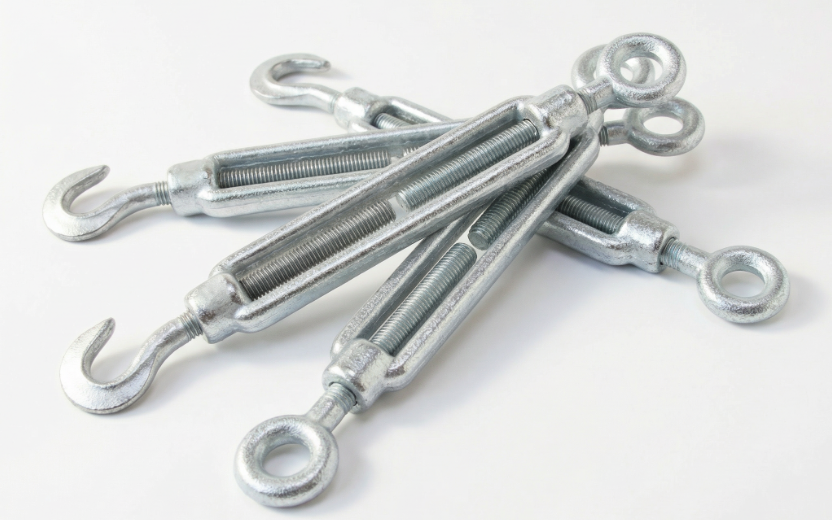
In the metal fabrication and construction industries, structural connection and reinforcement systems play a fundamental role in ensuring long-term stability and safety. Among these, steel tension rods are a widely used technical solution for absorbi...
The metalworking sector is one of the pillars of modern industry. But what does it actually encompass? What are its categories, and what jobs fall under it? In this article, we provide a clear and comprehensive analysis of one of the most strategic s...
Behind every product that reaches the market lies a complex network of suppliers, production processes, logistics, and distribution. Supply Chain Management was developed precisely to efficiently coordinate all these activities, transforming supply c...
Heat treatment of steel is one of the most important processes for obtaining reliable, resistant metal components suitable for industrial applications. From normalizing to tempering, these processes modify the structure of the material and determine ...
 Added to quote