Carbocementation: How to Increase the Surface Hardness of Steel
Carburizing is a thermochemical diffusion treatment that changes the surface composition of steel through carbon enrichment in the outermost layers of the material. The principle is to intervene only on the surface of the component, leaving the core with different mechanical characteristics.
The result is a material with an extremely hard and wear-resistant surface, while the heart maintains good toughness and shock-absorbing ability. This combination is particularly important in industry, where many components must simultaneously withstand mechanical stress, friction, and cyclic loads.
For this reason, carburizing is widely used in the production of gears, pinions, shafts, pins and other transmission parts, but also in fasteners such as screws, bolts and nuts. In all these applications, the goal is to increase the operational life of the component and reduce wear phenomena over time.
Difference between cementation and carburization
In technical language, the terms cementation and carbocementation are often used synonymously, but it is useful to clarify the distinction. Cementation represents the general concept of surface carbon enrichment, while carburizing is its most controlled and precise industrial evolution.
Carburizing is in fact performed in controlled atmosphere furnaces, where fundamental parameters such as temperature, time and carbon potential can be precisely managed. This allows for repeatable results and accurate control of the depth of the cemented layer.
Compared to more traditional processes, carburizing therefore ensures greater uniformity of treatment and more reliable mechanical performance, a fundamental aspect in modern industrial applications.
How the process happens and how long it lasts
The carburizing process develops through a sequence of thermal and chemical phases that occur inside industrial furnaces. The component is initially heated to a uniform temperature, generally between about 850°C and 950°C. At this stage, the steel structure becomes suitable for absorbing carbon.
Subsequently, the workpiece is exposed to a controlled carbon-rich atmosphere, which progressively diffuses into the surface layers of the material. This step is crucial because it establishes the depth of the cemented layer and therefore the final characteristics of the component.
Once diffusion is complete, the material is quenched, generally in oil, to obtain a very hard structure. The cycle ends with tempering, which reduces internal stresses and stabilizes mechanical properties.
The overall treatment duration varies depending on several factors, including the type of steel, the process temperature and above all the required cemented layer depth. In general, treatment can last from a few hours up to over twenty-four hours. The greater the desired depth, the longer it will take to allow the carbon to diffuse adequately.
Carbonitriding: when and why it is used
Alongside carburizing, there is a similar treatment, carbonitriding, which involves the introduction not only of carbon but also of nitrogen into the surface of the steel. This difference leads to some important variations in the final performance of the material.
Carbonitriding allows good surface hardness to be achieved even at lower temperatures and with generally shorter treatment times.
Furthermore, the presence of nitrogen improves wear resistance and contributes to greater dimensional stability of the component.
Due to these characteristics, it is often used for small components or for mass production, where it is necessary to optimize time and costs without sacrificing mechanical performance.
Technical considerations and operational benefits
Carburizing represents an extremely effective solution for improving steel performance without affecting the entire volume of the material. This approach allows to optimize the behavior of the component as a function of the real conditions of use, concentrating the hardness properties where they are really needed.
From an application point of view, the advantages are evident: greater wear resistance, better fatigue behavior and greater reliability over time. At the same time, maintaining a tough core helps avoid brittle breakage and ensure good impact resistance.
In industrial contexts where business continuity and reduced machine downtime are critical factors, carburizing therefore represents a strategic choice to increase component life and improve the overall performance of mechanical systems.
To receive more information about the world of viteria, subscribe to our newsletter. You can contact us at info@univiti.it to request a quote.
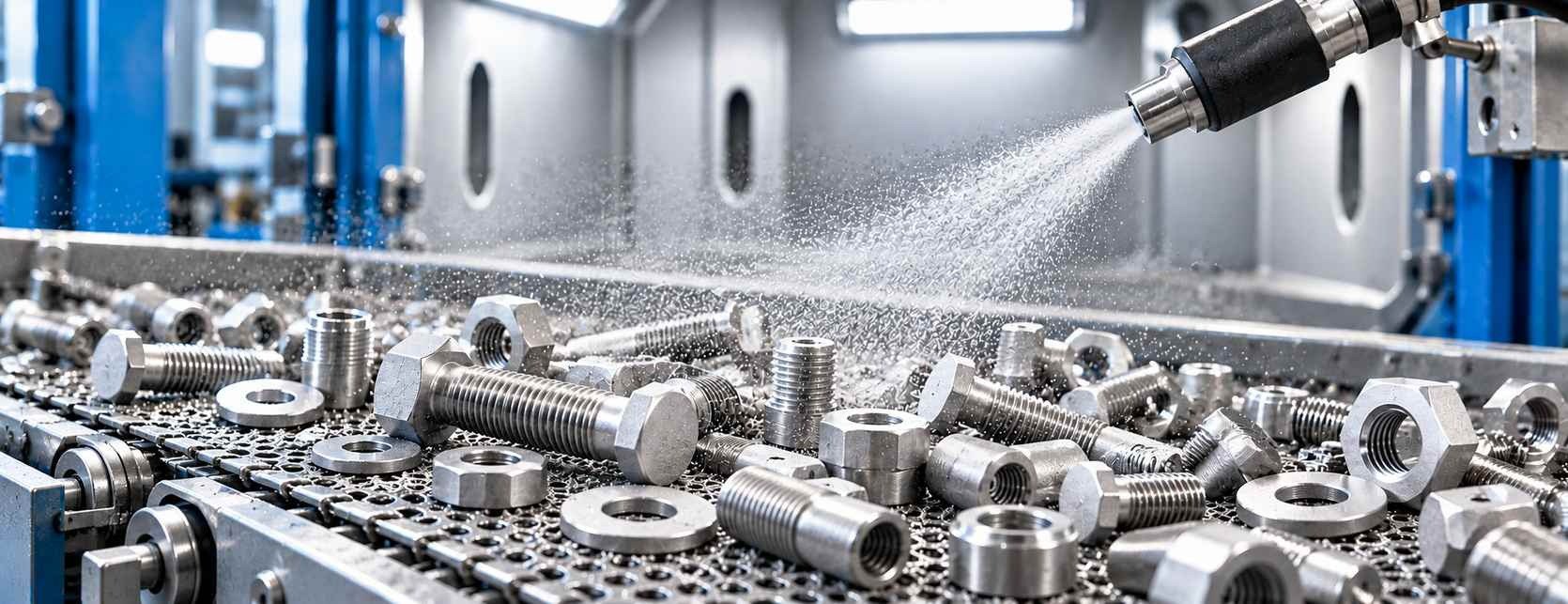
Metal sandblasting applied to small metal components: surface preparation, process control and its role in coatings for screws, bolts and threaded parts....
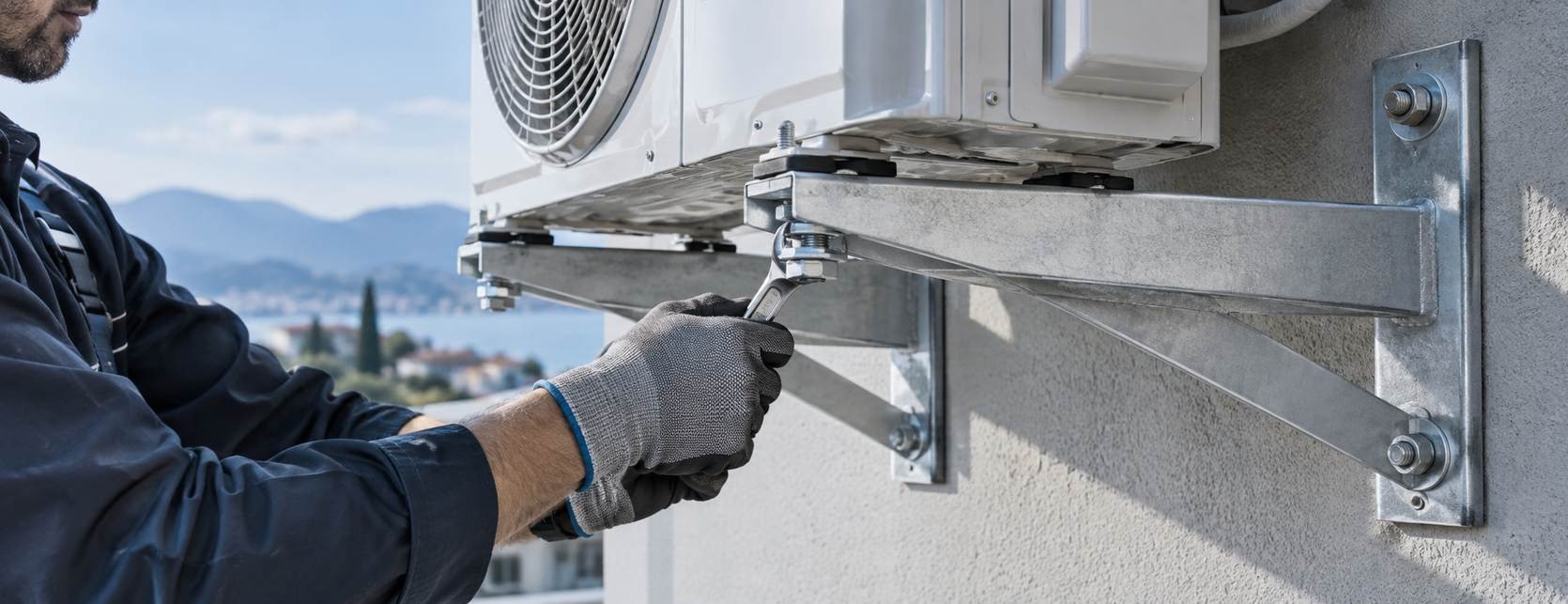
Technical guide to choosing anchors and bolts for air conditioner installation: substrate, bracket, anchoring, vibration, corrosion and proper tightening....
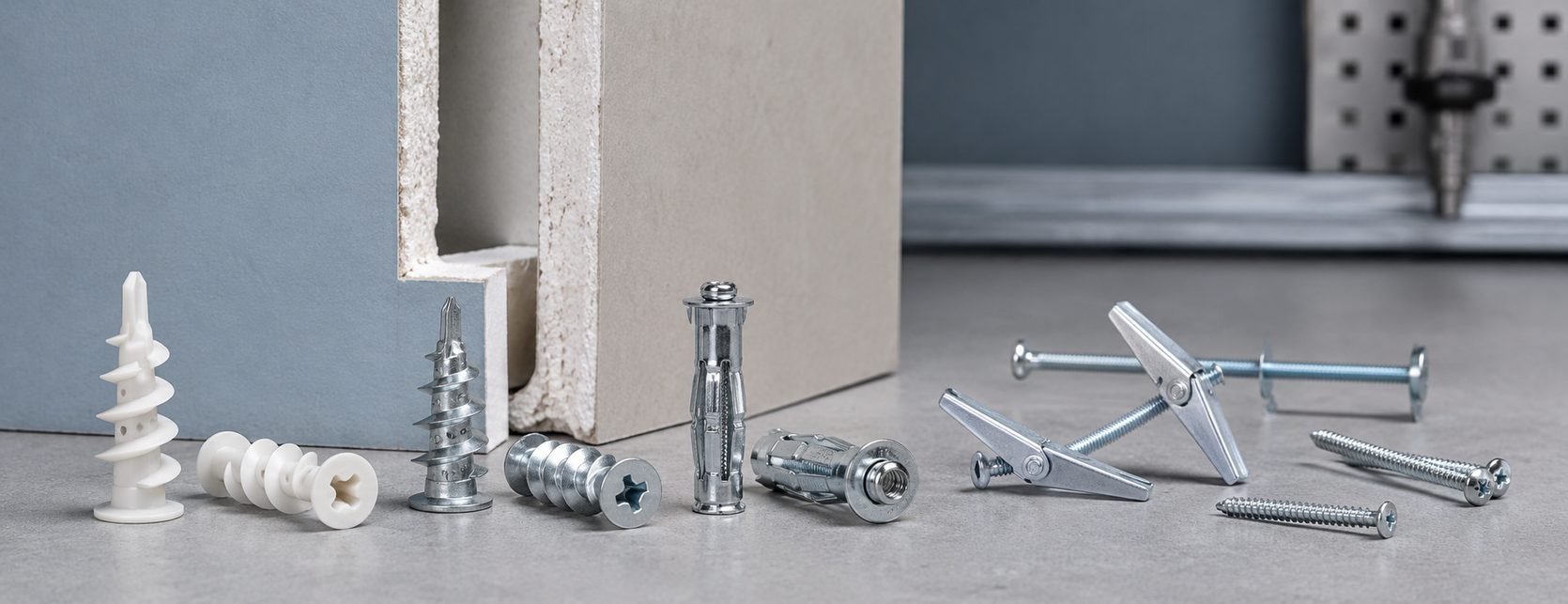
Drywall anchors: types, load capacity, selection criteria and correct installation to identify the most suitable fixing solution for every application....
Industrial automation is now a key factor in improving efficiency, quality, and control in manufacturing processes. By integrating machines, software, and data, companies can make their production more reliable, flexible, and competitive....
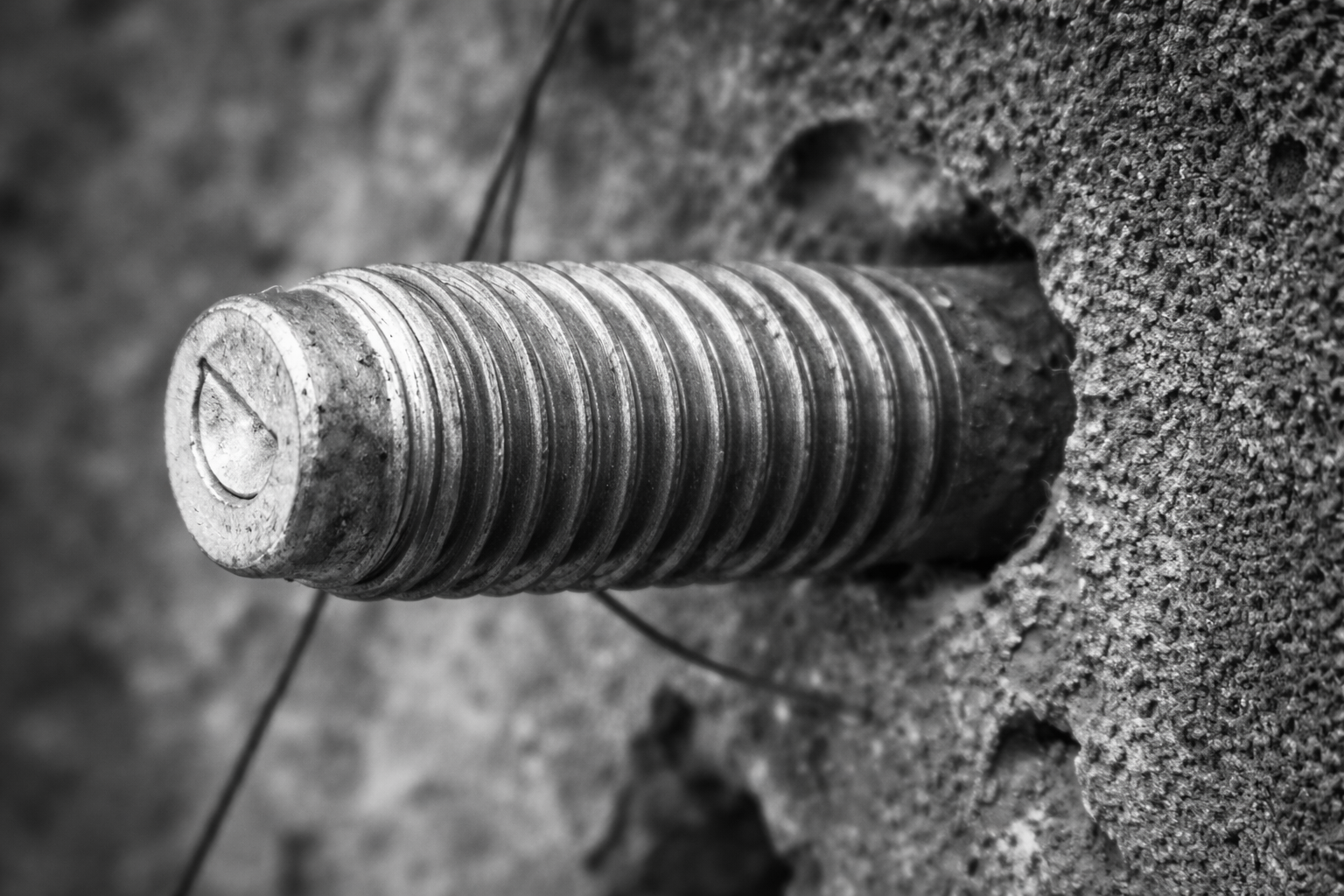
Threaded stud bolts are fasteners widely used in industry when it is necessary to ensure strong, reliable and above all time-demountable connections. Unlike traditional screws, they have a specific configuration that makes them particularly suitable ...
Carburizing is a thermochemical treatment that significantly improves steel performance by increasing surface hardness without compromising internal toughness. It is a fundamental solution for components subject to wear, friction and dynamic loads....
Surface treatments of steel are essential to ensure corrosion resistance, durability and reliable performance. Understanding which ones to choose and when to apply them helps you avoid problems, reduce costs, and improve component efficiency....
In the metal fabrication and construction industries, structural connection and reinforcement systems play a fundamental role in ensuring long-term stability and safety. Among these, steel tension rods are a widely used technical solution for absorbi...
The metalworking sector is one of the pillars of modern industry. But what does it actually encompass? What are its categories, and what jobs fall under it? In this article, we provide a clear and comprehensive analysis of one of the most strategic s...
Behind every product that reaches the market lies a complex network of suppliers, production processes, logistics, and distribution. Supply Chain Management was developed precisely to efficiently coordinate all these activities, transforming supply c...
 Added to quote