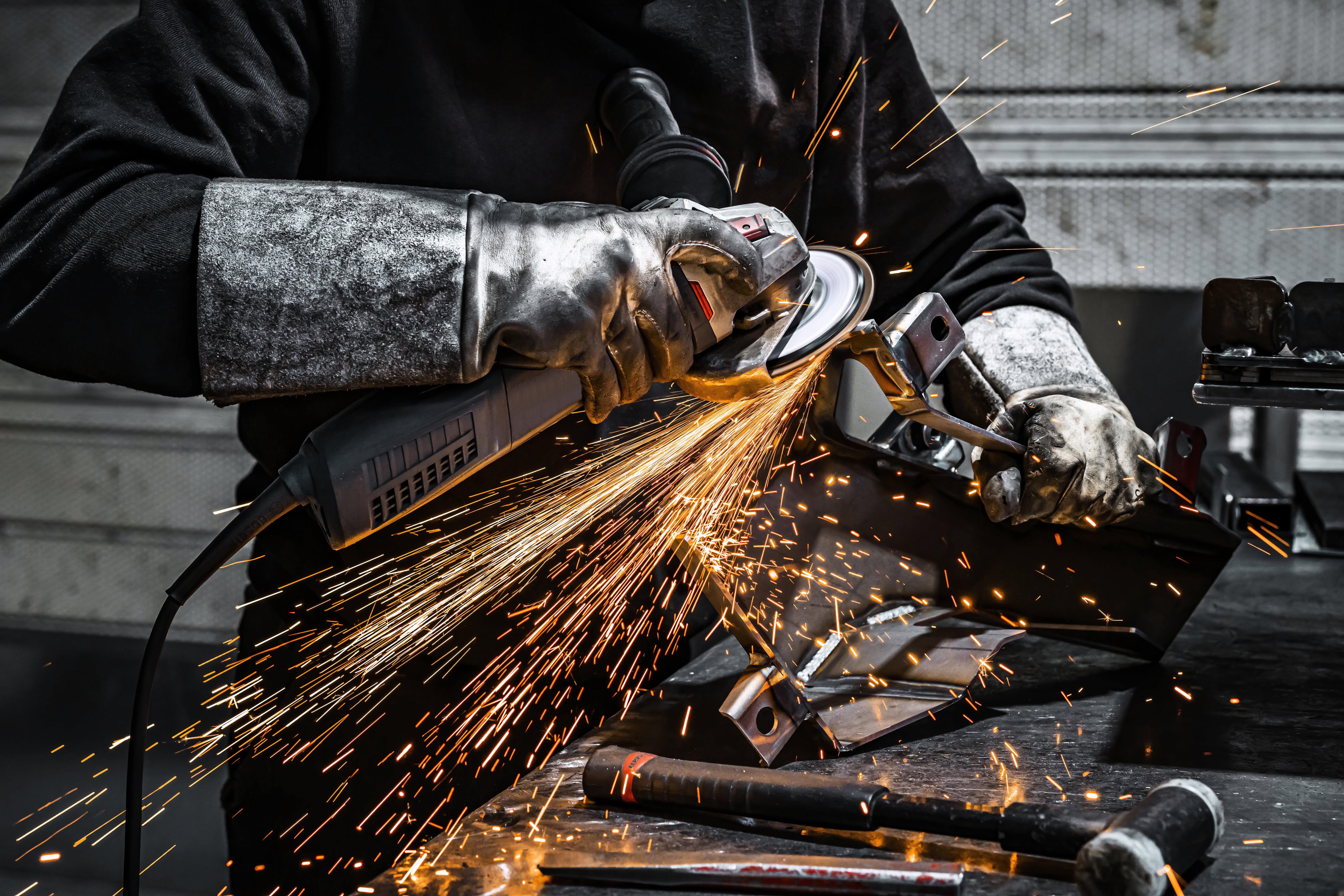
Heat treatment of steel: what it is, what it is used for, and why it is essential in the fastener industry
When we talk about steel used in industry, we are almost never referring to a material in its “natural state.” Before becoming a usable mechanical component, steel often undergoes a series of processes that modify its internal structure to improve certain mechanical characteristics. Among these processes, one of the most important is heat treatment.
Heat treatment is a set of controlled heating and cooling operations applied to metals and metal alloys with the aim of modifying their microstructure and therefore their mechanical properties. Through specific thermal cycles, it is possible to influence fundamental characteristics such as hardness, mechanical strength, toughness, workability, and dimensional stability.
In the case of steel, these processes are particularly important because its crystalline structure changes depending on the temperature. During controlled heating and cooling, the iron and carbon atoms reorganize themselves to form different metallurgical structures. It is precisely this internal transformation that makes it possible to obtain steels with very different characteristics, even starting from a similar chemical composition.
These treatments are widely used in the production of mechanical components, tools, structural parts, and, of course, fasteners such as screws, bolts, nuts, and pins, where mechanical strength and long-term reliability are essential requirements.
Why heat treatments are essential in metal components
In industry, the choice of material alone is never enough to guarantee the required performance. Very often, it is the heat treatment that determines the final behavior of the component.
Untreated steel, in fact, may be too soft, too brittle, or not resistant enough to stress. Through a controlled thermal cycle, however, it is possible to optimize the material for the specific application. For example, some components must withstand high loads without deforming, others must absorb shocks without breaking, while still others must maintain dimensional stability even after complex mechanical processing.
In the industrial mechanics and metalworking sectors, heat treatments therefore allow a balance to be achieved between hardness, strength, and toughness. This balance is also particularly important in the world of screws and bolts, where fasteners are often subjected to tensile, shear, and vibration stresses.
The strength classes of screws, such as 8.8, 10.9, or 12.9, depend precisely on specific heat treatment cycles that modify the structure of the steel and increase its ability to withstand high loads without yielding.
How a heat treatment cycle works
The principle behind all heat treatments is relatively simple, but its application requires great precision and control.
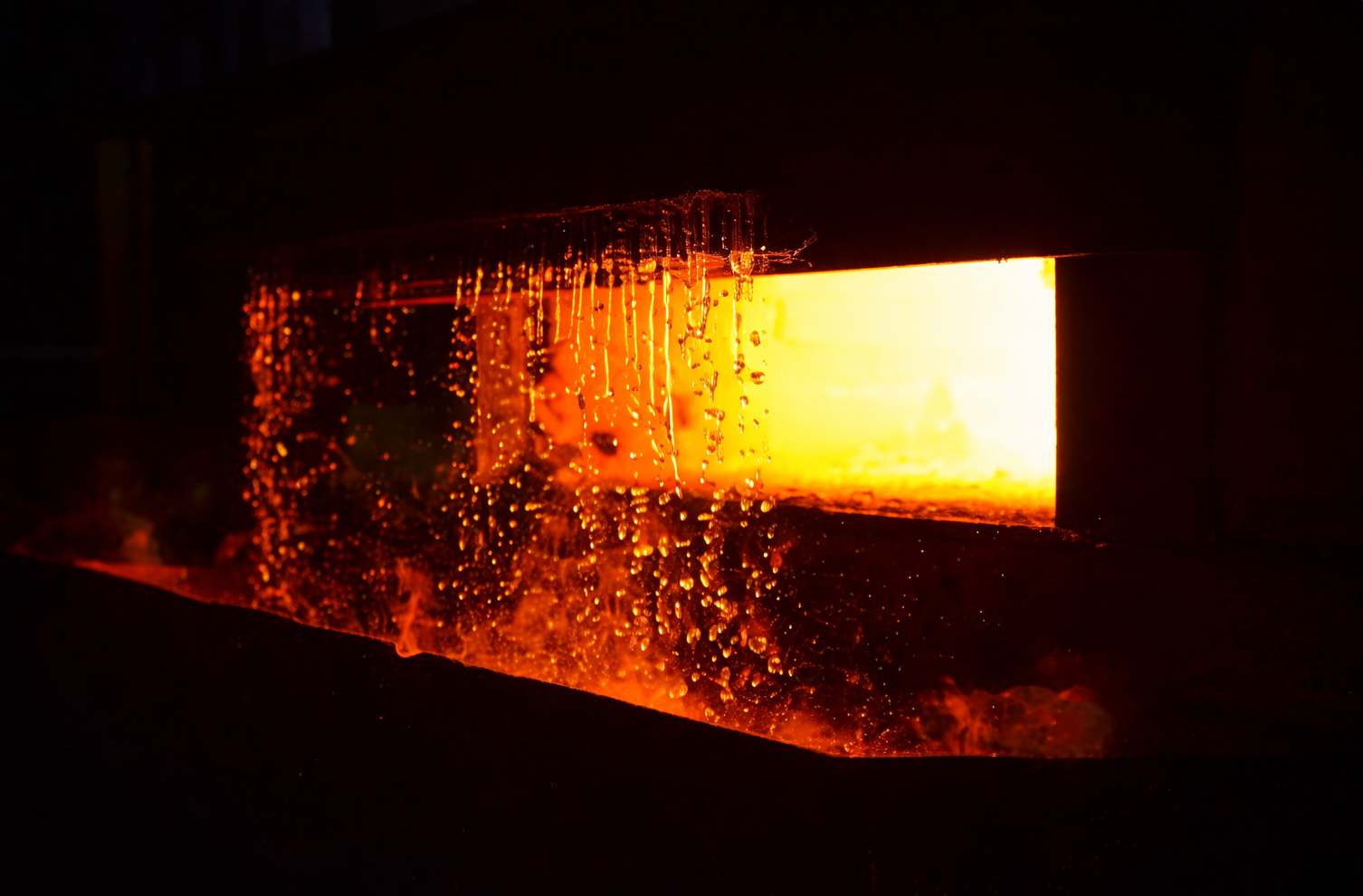
The process generally consists of three main stages: heating, holding, and cooling. During the first stage, the material is brought to a specific temperature, often very high, in order to modify the internal structure of the steel. The material is then held at that temperature for a defined period of time to allow complete metallurgical transformation.
The final stage is cooling, which can take place in different ways. Cooling can be very rapid, for example by immersion in water or oil, or slower and more controlled, as in the case of cooling in an oven or in air. The cooling rate is one of the most critical aspects of heat treatment because it directly affects the final structure of the material.
Depending on the thermal cycle used, very different results are obtained in terms of mechanical properties. For this reason, there are numerous types of heat treatments, each designed to achieve a specific behavior of the material.
Steel normalisation
One of the most common heat treatments is normalisation, a process mainly used to improve the homogeneity of the steel structure and refine its crystalline grain.
During normalizing, the material is heated to a temperature above the critical temperature, generally between 850 and 950 °C, and then left to cool in air. This process results in a more uniform and stable structure, reducing any internal stresses generated during processing or rolling.
One of the main advantages of normalizing is the improvement of the overall mechanical properties of the material. Normalized steel generally has a good combination of strength and ductility, making it easier to work with and more predictable in its behavior during subsequent mechanical processing.
In industry, this treatment is often used as a preliminary step before other heat treatments or before processes such as turning, milling, or threading.
Tempering and hardness testing
Another very important heat treatment is tempering, which is generally performed after hardening.
When steel is hardened, i.e., cooled very quickly after heating, it acquires a very high hardness. However, this hardness is often accompanied by a certain brittleness, which can make the material susceptible to sudden breakage.
Tempering serves precisely to reduce this brittleness while maintaining good mechanical strength. During this process, the steel is heated to temperatures lower than those used for quenching, usually between 150 and 650 °C, and then cooled again.
Tempering allows the ratio between the hardness and toughness of the material to be precisely controlled. This balance is particularly important for components subject to dynamic loads or vibrations, such as structural bolts or fasteners used in industrial machinery. In the case of high-strength fasteners, the quenching and tempering cycle is often used to obtain the mechanical characteristics required by international standards.
Stress relief treatment and reduction of internal stresses
During many mechanical processes or industrial processes, metal components can accumulate internal stresses. If not eliminated, these stresses can cause deformation, dimensional instability, or even cracks in the material.
Stress relief treatment, also known as stress relief annealing, aims to reduce or eliminate these residual stresses. In this case, the material is heated to relatively moderate temperatures, generally between 500 and 650 °C, and held for a certain period of time before being cooled slowly.
Unlike other heat treatments, stress relief is not primarily intended to change the hardness or strength of the material, but rather to stabilize the internal structure of the steel. This makes the component less prone to deformation during use or further processing.
Stress relief treatment is particularly useful for large components, welded parts, or elements subjected to intense processing.
The importance of heat treatments in screws and bolts
In the world of screws and bolts, heat treatments play a fundamental role because they directly determine the performance of fasteners.
A screw or bolt must guarantee adequate mechanical strength, but at the same time must maintain a certain elasticity to prevent sudden breakage. If the material is too hard, it could break, while if it is too soft, it could deform or lose its tightness.
Through treatments such as quenching and tempering, it is possible to obtain steels with very precise mechanical characteristics that comply with the technical standards used in the industrial sector. This is why many high-strength fasteners are manufactured using heat-treated steels.
In applications such as metal carpentry, automotive, heavy machinery, or industrial plants, the quality of heat treatment can make the difference between a reliable fastener and a potential point of structural failure.
Heat treatments and reliability of industrial components
In the context of mechanical design, knowledge of heat treatments is essential for correctly selecting materials and ensuring the safety of applications.
Each metal component must be designed considering not only its shape and size, but also the internal structure of the material. Heat treatments allow this structure to be controlled, adapting it to the specific requirements of the application.
In the case of fasteners, this means being able to rely on screws and bolts that maintain their performance over time, even under high loads or in complex industrial environments.
For buyers, designers, and technical managers, understanding the role of heat treatments allows them to make more informed choices when selecting metal components.
To receive more information about the world of fasteners, subscribe to our newsletter. You can contact us at info@univiti.it to request a quote.
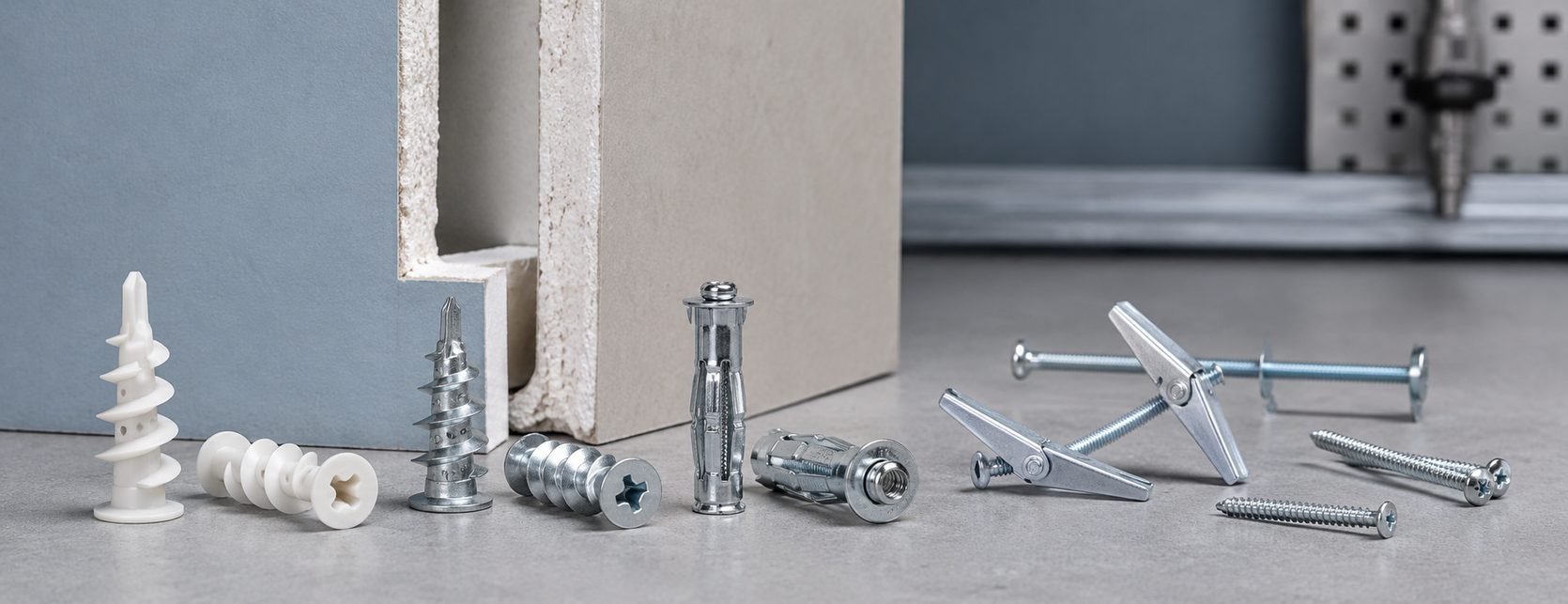
Drywall anchors: types, load capacity, selection criteria and correct installation to identify the most suitable fixing solution for every application....
Industrial automation is now a key factor in improving efficiency, quality, and control in manufacturing processes. By integrating machines, software, and data, companies can make their production more reliable, flexible, and competitive....
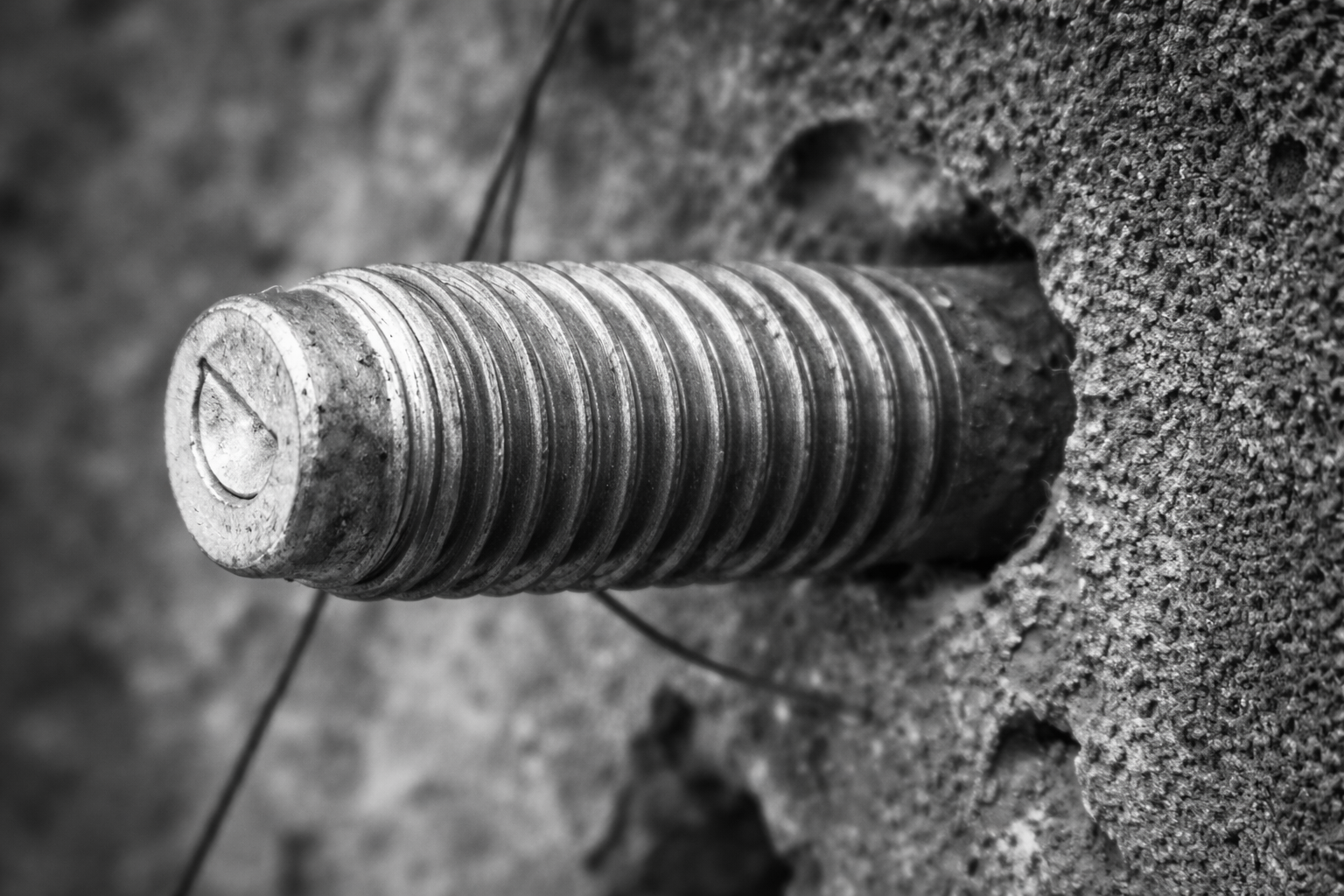
Threaded stud bolts are fasteners widely used in industry when it is necessary to ensure strong, reliable and above all time-demountable connections. Unlike traditional screws, they have a specific configuration that makes them particularly suitable ...
Carburizing is a thermochemical treatment that significantly improves steel performance by increasing surface hardness without compromising internal toughness. It is a fundamental solution for components subject to wear, friction and dynamic loads....
Surface treatments of steel are essential to ensure corrosion resistance, durability and reliable performance. Understanding which ones to choose and when to apply them helps you avoid problems, reduce costs, and improve component efficiency....
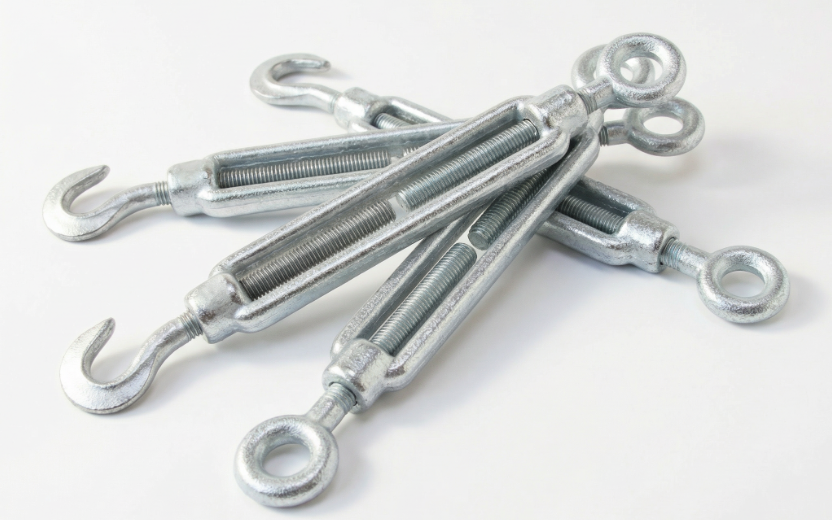
In the metal fabrication and construction industries, structural connection and reinforcement systems play a fundamental role in ensuring long-term stability and safety. Among these, steel tension rods are a widely used technical solution for absorbi...
The metalworking sector is one of the pillars of modern industry. But what does it actually encompass? What are its categories, and what jobs fall under it? In this article, we provide a clear and comprehensive analysis of one of the most strategic s...
Behind every product that reaches the market lies a complex network of suppliers, production processes, logistics, and distribution. Supply Chain Management was developed precisely to efficiently coordinate all these activities, transforming supply c...
Heat treatment of steel is one of the most important processes for obtaining reliable, resistant metal components suitable for industrial applications. From normalizing to tempering, these processes modify the structure of the material and determine ...
 Added to quote