Screws and bolts are the two main fastening elements, widely used especially in the manufacturing and construction sectors. The difference between a screw and a bolt might seem clear to many, but given the commonalities between both, it's not so obvious.
In fact, the best way to distinguish and classify these two elements is to know their application and the purpose for which they were produced. In the following paragraphs, we will outline their fastening differences to understand what sets them apart.
Screws: Characteristics and Types
Screws are threaded elements used to fasten objects or parts of them together. Usually characterized by the same elements, screws come with a head, a shank, and a point, characteristics through which fastening devices are classified as we saw in a previous article.
The configuration of a screw, and in particular its end, is a criterion not to be overlooked in choosing the element. Indeed, for example, in different sectors such as the construction of structures or the construction of industrial machinery, the correct selection of the screw also goes through the choice of its head, which can be hexagonal, cylindrical with hexagonal recess, etc. Given the vast array of products on the market, the right screw to use must also be selected based on the size and materials in which it will be fixed.
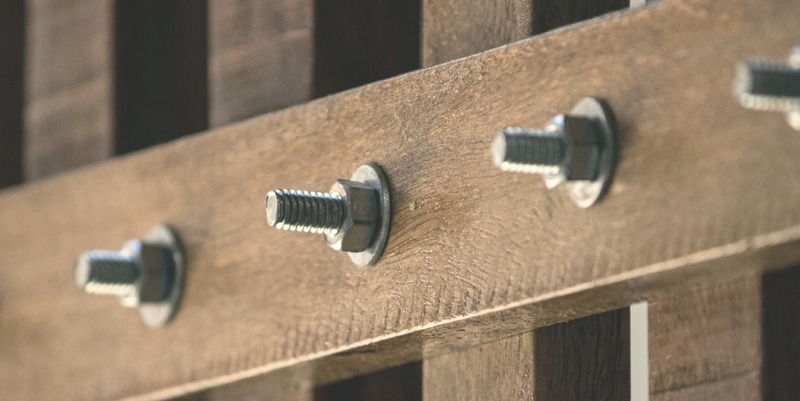
The fastening method is what mainly distinguishes bolts and screws. The latter, in fact, are inserted into pre-threaded holes but can also be used as a drilling tool, thus creating an internal thread that will match that of the screw itself. The fastening of a screw can also occur through the use of nuts and washers, in cases where it is necessary to assemble more parts with through holes. This method involves inserting the washer on the screw's shank and then tightening the nut.
Bolts: Characteristics and Types
Slightly larger than screws and with medium to high resistance compared to the former, bolts are fastening elements consisting of a rod with a head. On the end of the bolt, a marking is engraved that serves to describe the basic characteristics of each element and to classify the bolts based on their resistance class.
Unlike screws – elements that can be inserted into pre-threaded holes or that can perforate - bolts are elements usable exclusively in pre-threaded holes and require a nut to be locked. They are not, therefore, elements capable of "autonomously" piercing materials.
Considering the fastening, it is possible to distinguish bolts based on their application and manufacturing. As previously mentioned, the bolting work is carried out using a nut (which makes the fastening more solid) and generally through wrenches, Allen keys, or torque wrenches.
Difference between Nut and Bolt
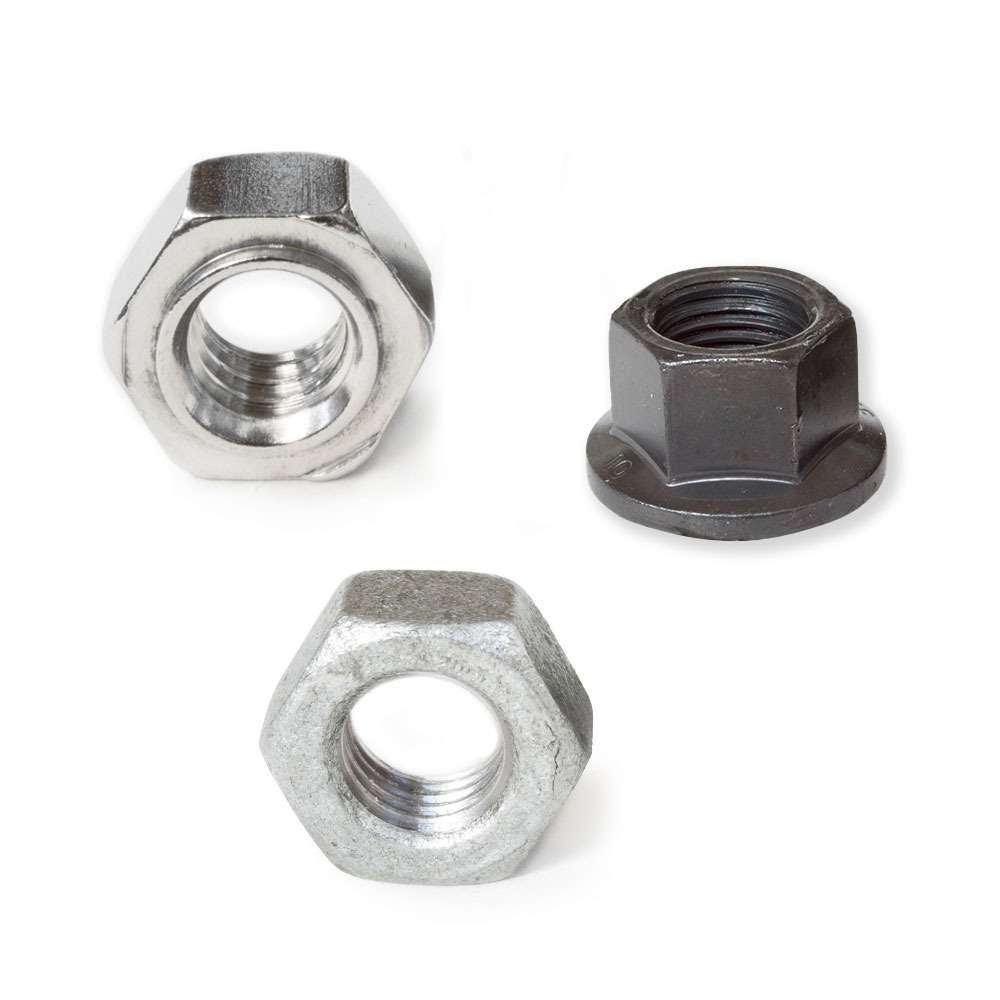
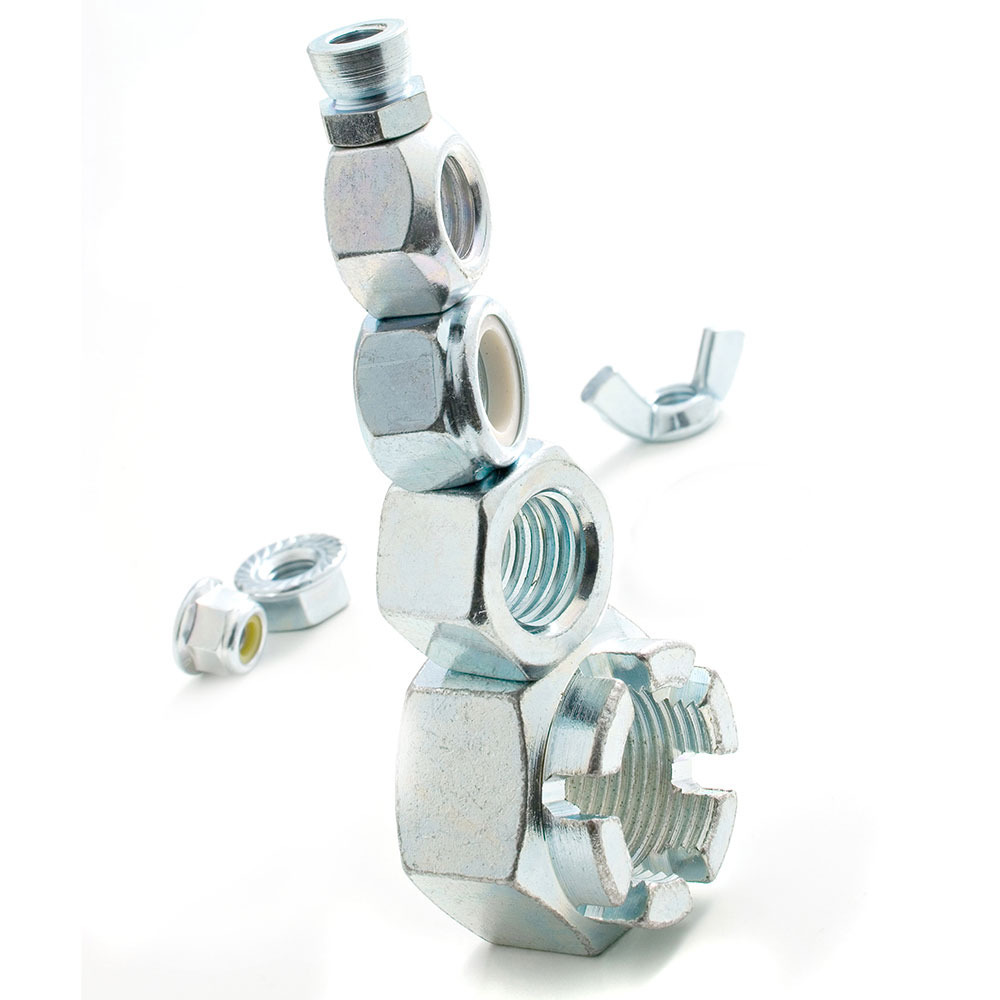
From a technical standpoint, the bolt is a joint element formed by a screw (male element) and a nut (female element). The main difference between a nut and a bolt is that the former is a mechanical element that, together with a screw, constitutes the latter. The nut is generally a metal ring with the internal part threaded. There are various shapes, sizes, and functions:
Wing nuts, tightened with fingers thanks to two metal wings;
Locknuts, which can be characterized by a small rubber ring on one of the two ends, capable of damping vibrations and locking the element in its position.
Thus, to tighten a bolt, it is necessary to fix the movement of the nut (or the screw) and screw until the structure is tightened.
For more useful advice on how to distinguish a screw from a bolt, subscribe to our newsletter. You can contact us at commerciale@univiti.it to request a quote.
Metal sandblasting applied to small metal components: surface preparation, process control and its role in coatings for screws, bolts and threaded parts....
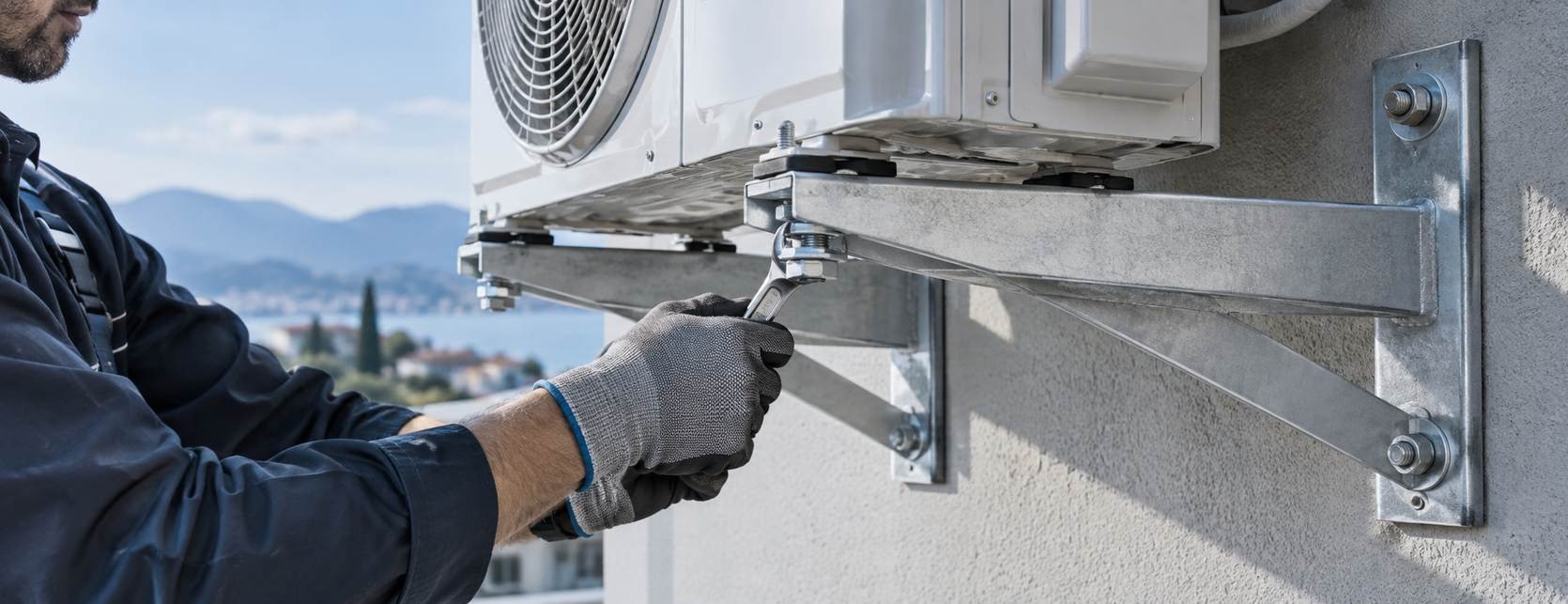
Technical guide to choosing anchors and bolts for air conditioner installation: substrate, bracket, anchoring, vibration, corrosion and proper tightening....
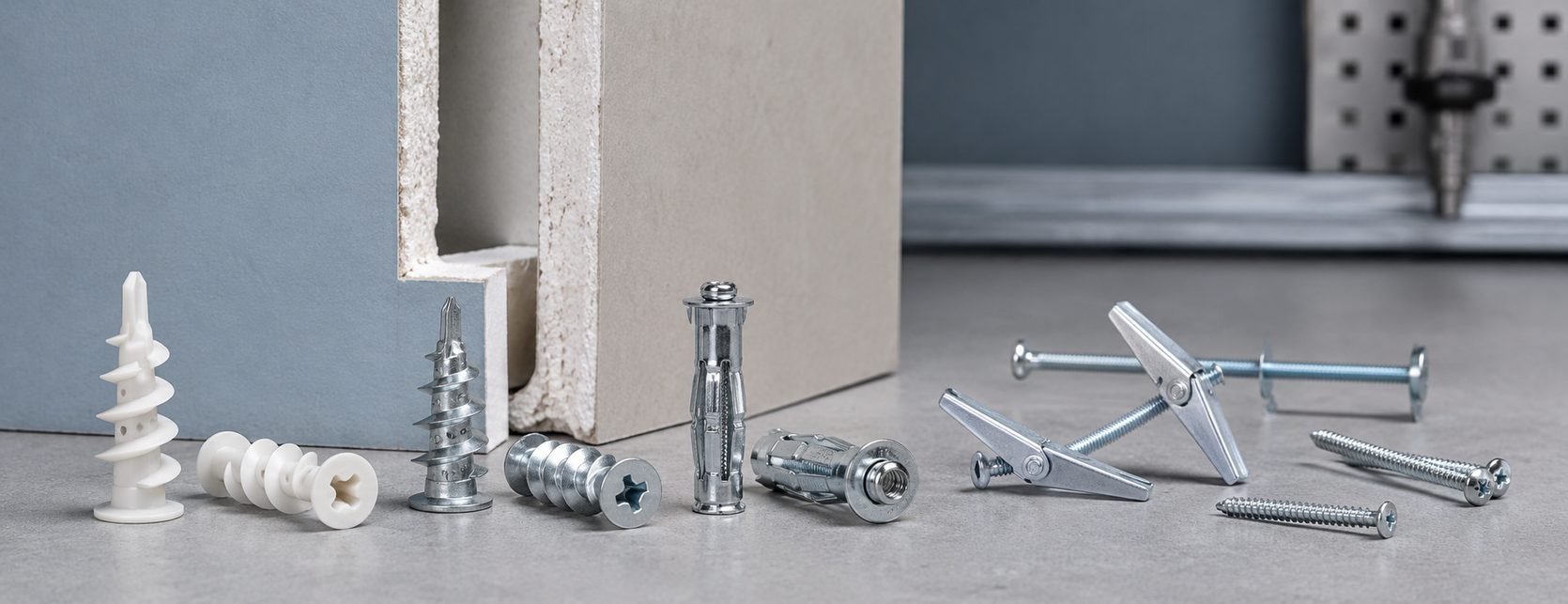
Drywall anchors: types, load capacity, selection criteria and correct installation to identify the most suitable fixing solution for every application....
Industrial automation is now a key factor in improving efficiency, quality, and control in manufacturing processes. By integrating machines, software, and data, companies can make their production more reliable, flexible, and competitive....
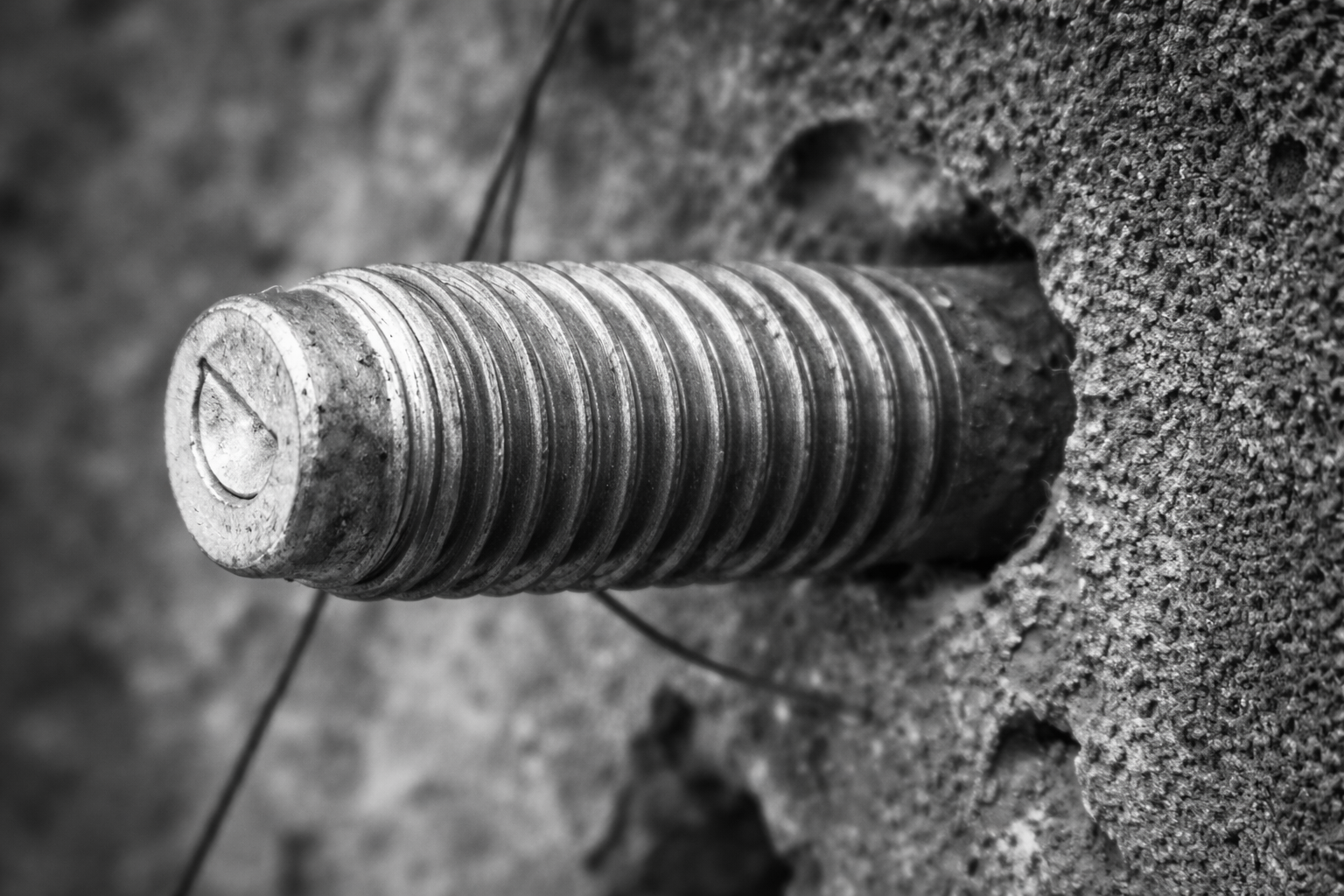
Threaded stud bolts are fasteners widely used in industry when it is necessary to ensure strong, reliable and above all time-demountable connections. Unlike traditional screws, they have a specific configuration that makes them particularly suitable ...
Carburizing is a thermochemical treatment that significantly improves steel performance by increasing surface hardness without compromising internal toughness. It is a fundamental solution for components subject to wear, friction and dynamic loads....
Surface treatments of steel are essential to ensure corrosion resistance, durability and reliable performance. Understanding which ones to choose and when to apply them helps you avoid problems, reduce costs, and improve component efficiency....
 Added to quote