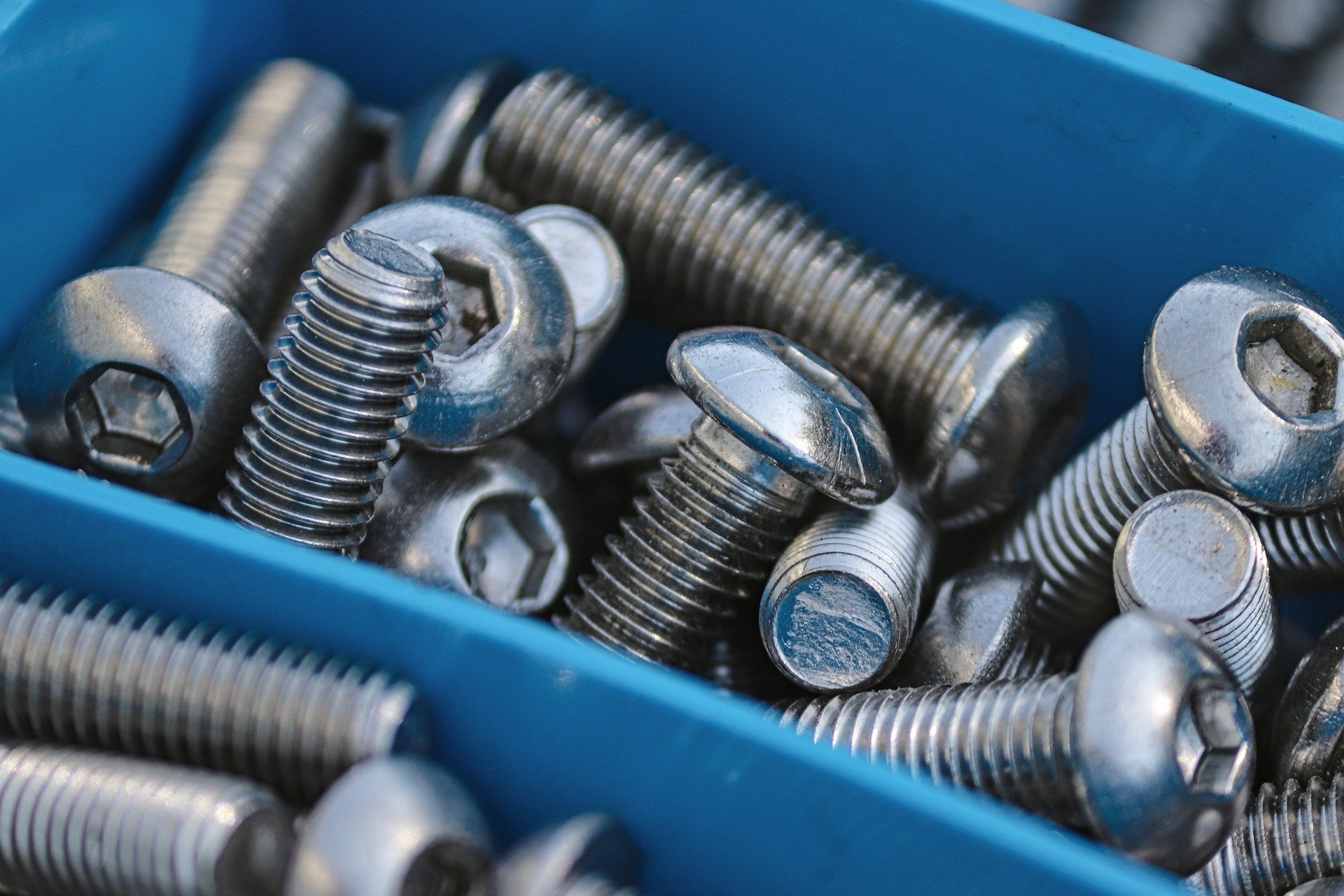
Allen screws are very common fasteners, even though they are often used without really knowing their name or origin. They are easily recognizable by their characteristic internal hexagonal socket: instead of the classic cross or slotted head, they have a six-sided hole inside the head, designed to accommodate a specific tool. This type of screw was invented in the early 20th century, when the mechanical industry began to demand safer, more compact, and more precise fastening systems. The design is associated with American engineer William G. Allen, from whom the name by which Allen screws are known in many countries derives: Allen screws. Consequently, the tool used to tighten them is also called an Allen key. In other international contexts, the name changes: in German-speaking countries, for example, they are called Imbus-Schrauben, while the wrench is called Imbusschlüssel. Despite the different names, the principle remains the same: a screw designed to ensure reliable fastening even in confined spaces. Tightening is done using an Allen key, a simple metal key with a hexagonal section that is inserted into the head of the screw. This system allows a uniform and controlled force to be applied, reducing the risk of the tool slipping and ensuring greater stability of the connection.
Precisely because of these characteristics, Allen screws are now widely used in sectors such as mechanics, industry, furniture, and even everyday objects, representing a perfect example of how a seemingly simple technical solution can have a huge impact on the precision and reliability of assemblies.
The Allen screw in Italy
Since the early 20th century, hexagon socket screws had begun to be used more frequently in the United States, but in Italy this type of screw was still not well known or widely used. Towards the end of the 1920s, in Lissone (Monza), the founder of OEB (Officine Egidio Brugola), Egidio Brugola, had the idea of expanding and diversifying production in the fastener sector by starting to manufacture hexagon socket screws, which were not yet well known in the country.
In 1927, mass production began and the product was immediately identified with the name of the manufacturer who had imported it, so much so that it is still universally known as the “Brugola screw.”
Brugola's confidence in this product was such that he drew up a specific and official standardization norm for this screw, which led him to file a patent in 1945. The goal was to create a screw that would allow mechanical parts to be fastened easily, applying less tightening force than the norm.
Socket head cap screws
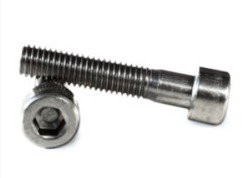
The socket head cap screw features a cylindrical head and an internal hexagon socket, which allows tightening with an Allen key. This design makes it particularly suitable for applications where space is limited and traditional wrenches or sockets cannot be used.
It is a widely used solution in machinery assembly, automotive applications, and mechanical engineering projects, where precision, compactness, and reliable tightening are required. These screws are normally manufactured in high property classes, such as 8.8, 10.9, and 12.9, which make them suitable for withstanding heavy loads and stresses.
Thanks to their high shear strength, they are often used in heavy-duty applications where safety, stability, and durability are essential requirements.
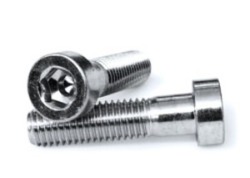
Low-head socket cap screws are very similar to classic cylinder head screws, but are distinguished by their lower head profile, which reduces their overall size.
This feature makes them particularly suitable for all applications where space is limited or does not allow the use of a standard height head. They are often used in mechanical applications, equipment, compact components, and assemblies where it is necessary to keep surfaces as free of protrusions as possible.
They are generally available in high property classes, such as 10.9 and 12.9, ensuring good load capacity and reliable tightening, while maintaining easy assembly and disassembly using an Allen key.
The international standards of reference for this type of screw are DIN 7984 and DIN 6912.
Flat head socket cap screws
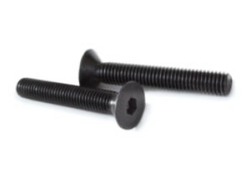
Flat head socket cap screws feature a flat conical head designed to fit completely into countersunk holes, allowing the screw to be flush with or below the contact surface.
This feature makes them particularly suitable for applications where it is necessary to keep the work area clean, smooth, and free of protrusions, avoiding interference with other components or mechanical movements. For this reason, they are widely used in woodworking and metalworking projects, as well as in numerous mechanical and industrial applications.
These screws are generally available in high property classes, such as 10.9 and 12.9, which guarantee secure tightening and reliable performance even under significant loads. The international reference standard for this type of screw is DIN 7991.
Button head screws with hexagonal socket
Button head screws with hexagonal sockets are used in situations where the components to be fastened are too thin to be countersunk, but a smooth surface without sharp edges or protrusions is still desired.
The slightly rounded head reduces visual bulk and improves the overall appearance of the assembly, making this type of screw particularly suitable for applications where aesthetics play an important role. For this reason, it is often used in furniture, visible machine components, and all projects where functionality and design must coexist. These screws are generally available in property classes 10.9 and 12.9, offering high strength while ensuring easy assembly and disassembly using an Allen key.
The international standard for this type of screw is ISO 7380.
Cylindrical head shoulder screws with hexagonal socket
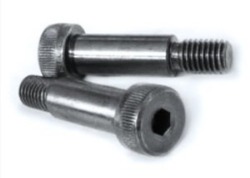
Cylindrical head shoulder screws with hexagonal sockets feature a smooth, ground shank positioned immediately below the head, with a larger diameter than the threaded portion below. This particular geometry distinguishes them from traditional screws and determines their use in precision applications.
Shoulder screws are generally used as precision spacers or as support surfaces, finding application in a wide variety of technical contexts. For example, they can act as shafts or pins for rotating elements, axles for moving parts, or guides for sliding components, where it is essential to ensure smooth and controlled movement.
The unthreaded shank is machined with high precision and tight dimensional tolerances, making these screws particularly suitable for high-precision mechanical applications, such as molds, tools, industrial machinery, and handling systems.
Shouldered screws are generally manufactured in property class 12.9, which ensures high mechanical strength and excellent resistance to stress. The international reference standard for this type of screw is ISO 7379.
Common materials for Allen screws
Allen screws are made from different materials, chosen based on the environment in which they will be used and the performance required. Carbon steel versions are the most common solution thanks to their excellent balance between mechanical strength and affordability; they are often protected with coatings such as zinc plating or black oxidation, which improve corrosion resistance. Stainless steel screws, on the other hand, are ideal for applications that require high corrosion resistance, such as outdoor structures, food processing plants, or medical devices. For particularly aggressive environments, such as marine environments or those subject to extreme weather conditions, AISI 316 stainless steel screws are used, designed to withstand salt and humidity, ensuring reliability and durability even in the most critical applications.
How to read screw sizes
The size of screws is generally expressed in millimeters and is mainly identified by diameter, pitch, and length. The diameter, indicated by the letter M followed by a number (e.g., M5 or M8), represents the nominal width of the threaded shank. The pitch, on the other hand, indicates the distance between two consecutive threads and expresses how far the screw advances with each complete turn.
In addition to diameter and pitch, it is also essential to consider the length of the screw, which is measured differently depending on the type of head, and the type of thread (ISO metric, UNC, UNF, etc.), especially in an international context. Understanding these specifications correctly is essential to ensure compatibility, safety, and strength of the fastener. If in doubt, it is always advisable to consult the reference dimension tables or seek the support of a professional.
Differences between Allen screws and hex head screws
The main difference between an Allen screw and a hex head screw concerns the type of drive and the tightening method. The Allen screw has an internal hexagonal drive and is tightened using an Allen key, allowing you to work even in very small spaces and achieve precise and clean tightening without any lateral interference. Hex head screws, on the other hand, have an external hexagonal head that requires the use of wrenches or sockets and therefore need more space around the head in order to be tightened correctly.
From an application point of view, Allen screws are often preferred in mechanical assemblies, machinery, and precision applications, where compactness and aesthetics are important. Hex head screws, on the other hand, are more common in carpentry, construction, and load-bearing structures, where quick tightening, greater ease of access, and space are not a limitation are required. In summary, both perform the same fastening function but are chosen based on the available space, the type of load, and the application context.
For more information about the world of fasteners, subscribe to our newsletter.
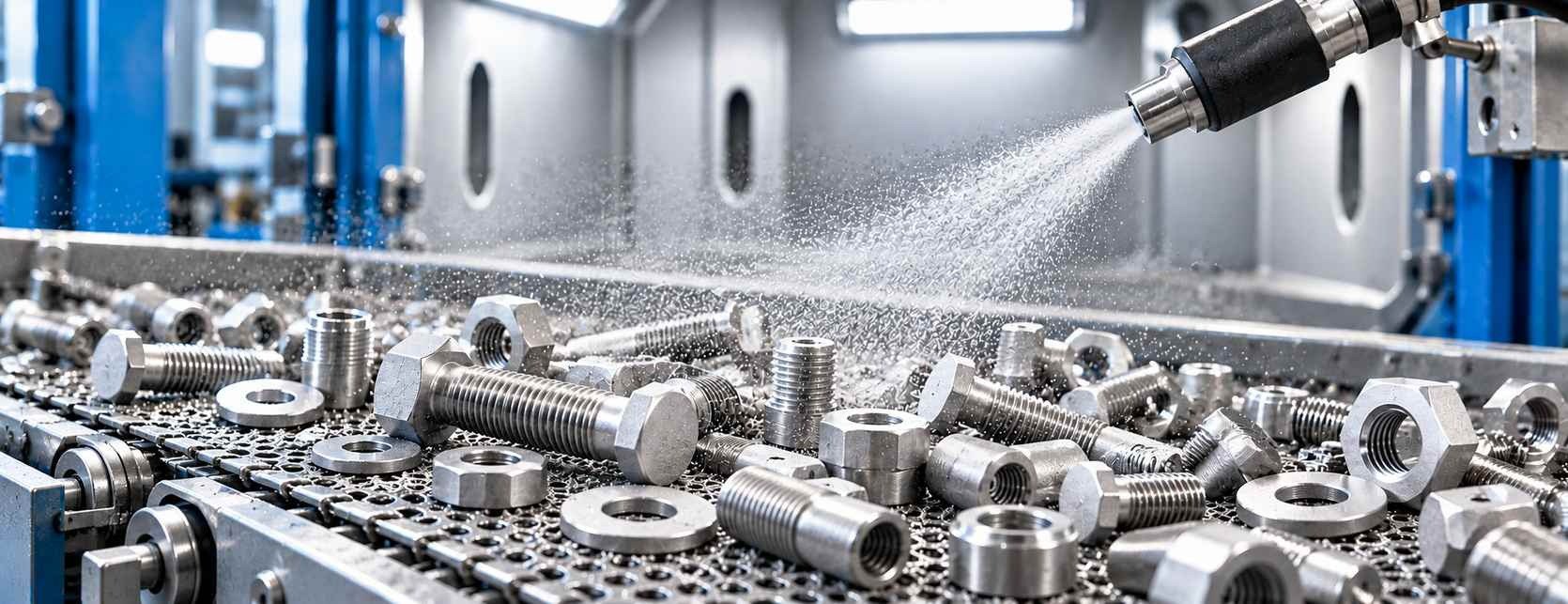
Metal sandblasting applied to small metal components: surface preparation, process control and its role in coatings for screws, bolts and threaded parts....
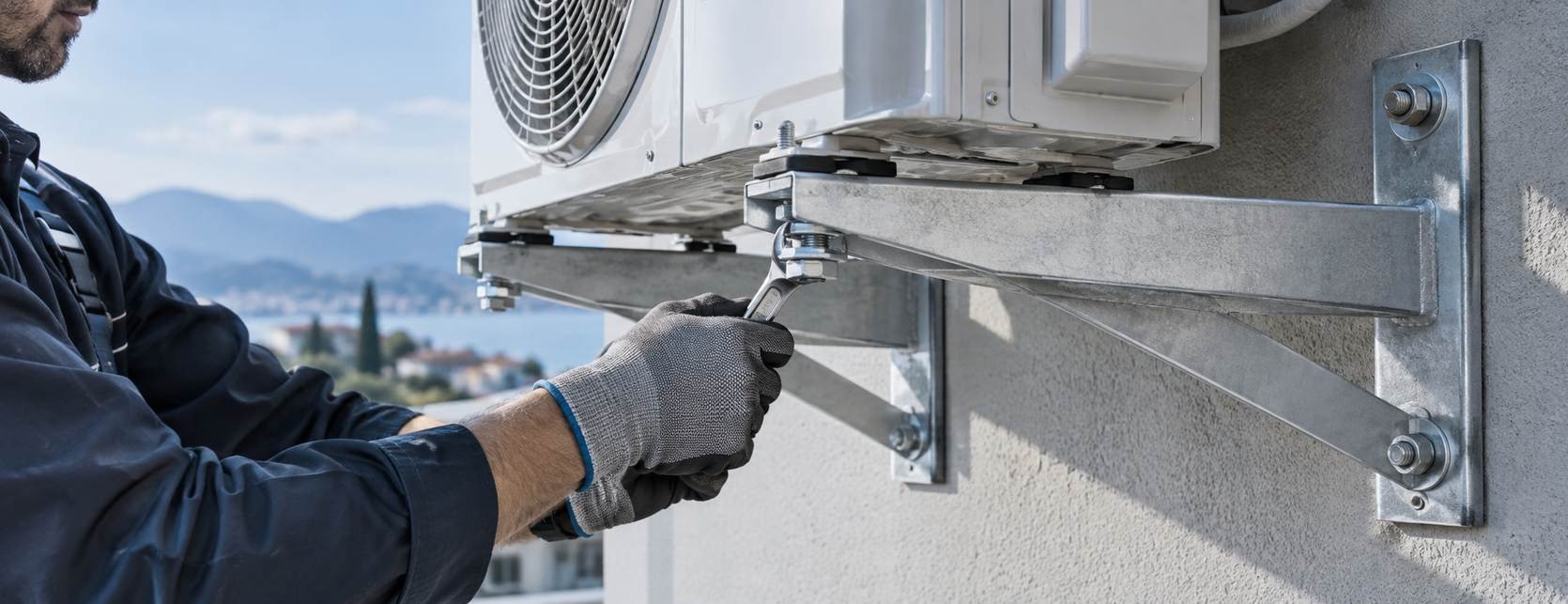
Technical guide to choosing anchors and bolts for air conditioner installation: substrate, bracket, anchoring, vibration, corrosion and proper tightening....
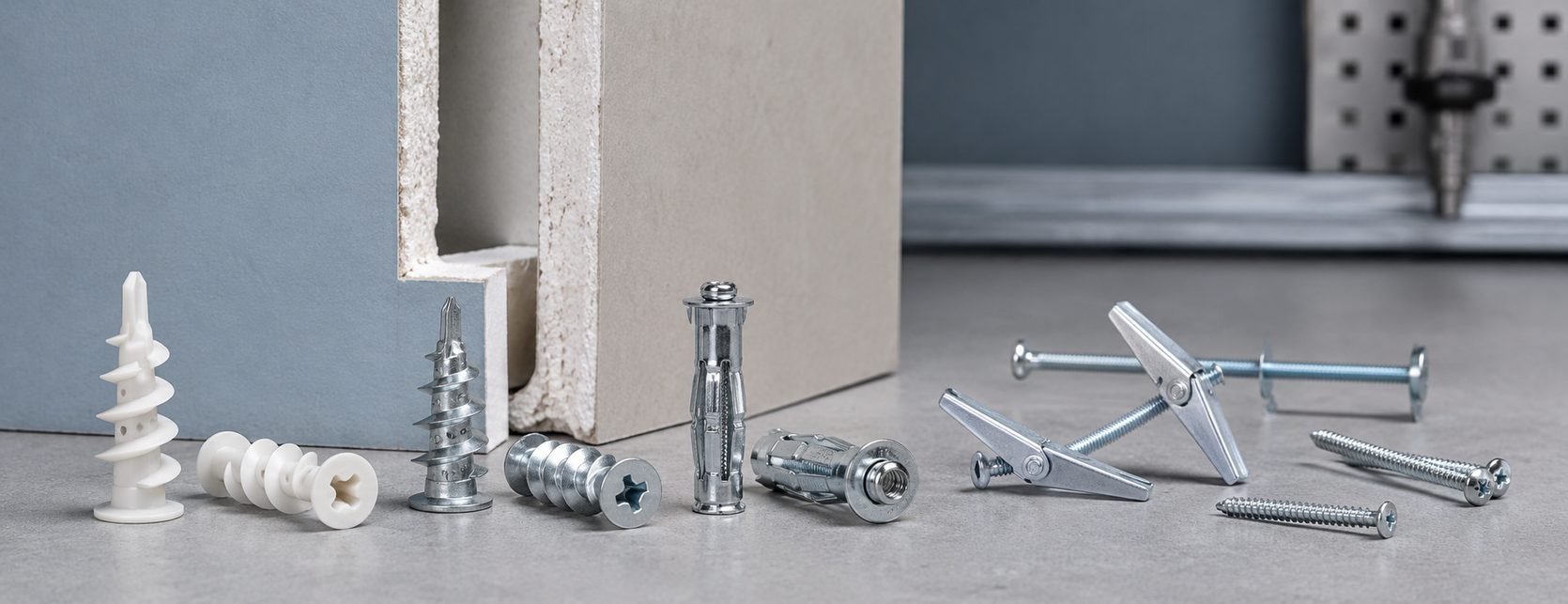
Drywall anchors: types, load capacity, selection criteria and correct installation to identify the most suitable fixing solution for every application....
Industrial automation is now a key factor in improving efficiency, quality, and control in manufacturing processes. By integrating machines, software, and data, companies can make their production more reliable, flexible, and competitive....
Threaded stud bolts are fasteners widely used in industry when it is necessary to ensure strong, reliable and above all time-demountable connections. Unlike traditional screws, they have a specific configuration that makes them particularly suitable ...
Carburizing is a thermochemical treatment that significantly improves steel performance by increasing surface hardness without compromising internal toughness. It is a fundamental solution for components subject to wear, friction and dynamic loads....
Surface treatments of steel are essential to ensure corrosion resistance, durability and reliable performance. Understanding which ones to choose and when to apply them helps you avoid problems, reduce costs, and improve component efficiency....
In the metal fabrication and construction industries, structural connection and reinforcement systems play a fundamental role in ensuring long-term stability and safety. Among these, steel tension rods are a widely used technical solution for absorbi...
The metalworking sector is one of the pillars of modern industry. But what does it actually encompass? What are its categories, and what jobs fall under it? In this article, we provide a clear and comprehensive analysis of one of the most strategic s...
Behind every product that reaches the market lies a complex network of suppliers, production processes, logistics, and distribution. Supply Chain Management was developed precisely to efficiently coordinate all these activities, transforming supply c...
 Added to quote