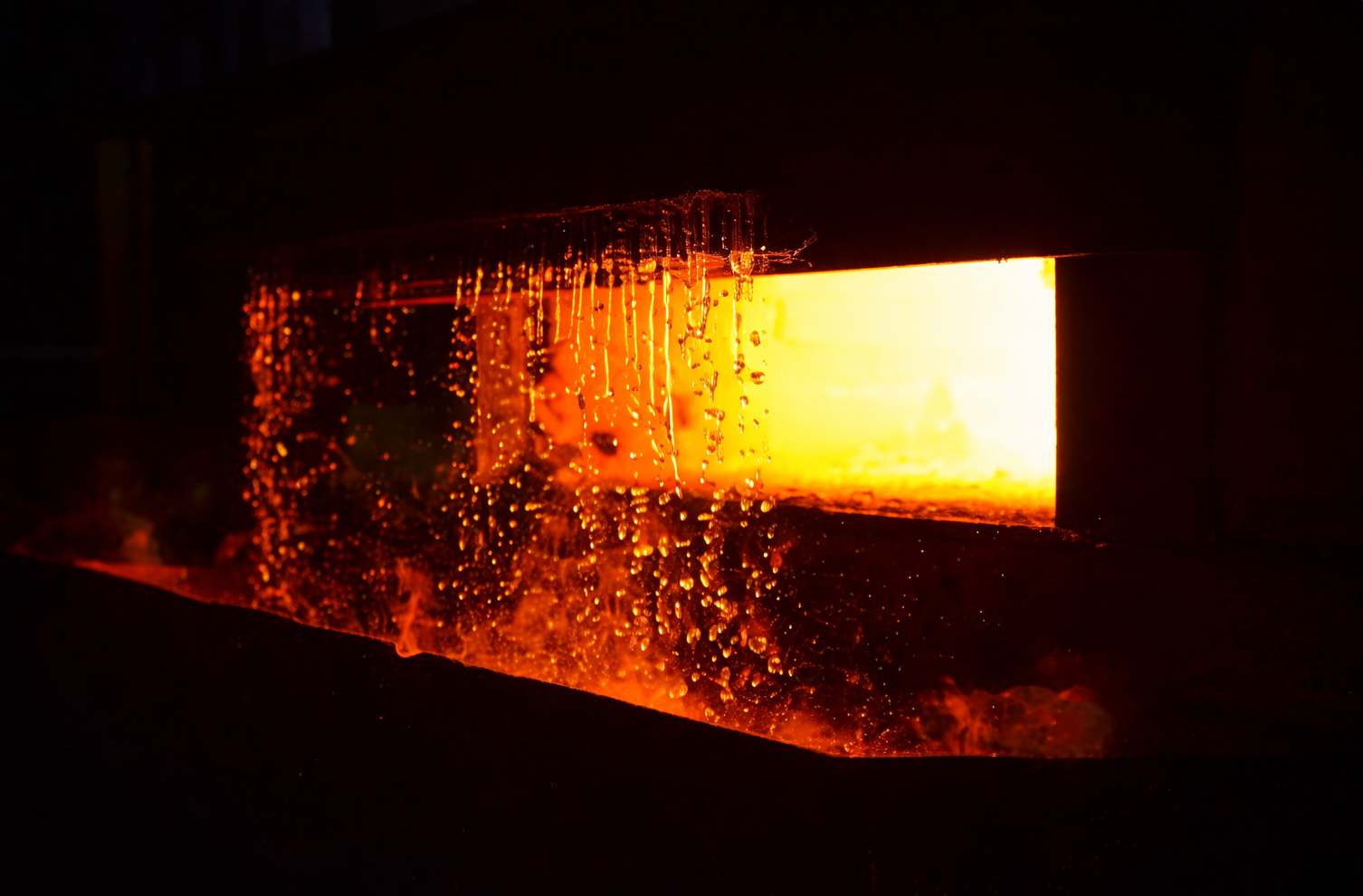
Galvanizing is a process through which materials, mainly steel, are coated with a protective layer of zinc. The coating serves to protect metals from galvanic corrosion and rust. Zinc, being less noble than steel, ensures the protection of the material and increases its durability over time.
The main types of galvanization are:
Hot-dip galvanizing;
Cold galvanizing;
Spray galvanizing;
Electrolytic galvanizing.
In this article, we will focus on electrolytic galvanizing, its characteristics, and its advantages.
How Does Electrolytic Galvanizing Work?
Electrolytic galvanizing, also known as galvanic galvanizing, is a coating system that occurs by immersion in an electrolytic solution containing zinc salts. It is the result of a series of processes that lead to the final product. Indeed, for a more effective coating, the material is subjected to several preliminary operations:
Pre-degreasing;
Pickling;
Degreasing.
Subsequently, the material is immersed in the solution with zinc salts, and then a current is passed between the piece and the solution. This last phase is necessary to better adhere the zinc layer to the element. There are two main types of electrolytic galvanization:
Cold electrolytic galvanization with static automatic plants: the pieces to be worked are hung on frames moved by an overhead crane. The current is transported to the pieces that will be worked on cold through the frames. This type of treatment is ideal for large-sized artifacts and fine threads.
Cold electrolytic galvanization with a barrel plant: the pieces to be worked are placed on hooks that allow electrical contact. This comes from a barrel that rotates on its axis and allows the transfer of contact. This second type of processing allows reducing the labor needed for each piece.
The type of processing to be used is chosen based on the criteria that the piece must have. In general, electrolytic galvanization ensures excellent protection from rust, and therefore, an optimal performance of the product thus galvanized compared to other galvanization systems. But what differentiates the various techniques?
What Changes Between the Different Galvanizations
Among the most common galvanization systems, there are technical differences that make each process different from the other:
Both hot-dip galvanization and electrolytic galvanization occur by immersion. In the first, the piece is immersed in vats of molten zinc at 450°, while in the second, as already specified above, the material is immersed in an electrolytic solution containing zinc salts.
Spray galvanization, as the term itself suggests, is a process that occurs by spraying. Using guns equipped with a melting and atomizing device, the previously powdered zinc layer is sprayed onto the material.
Cold galvanization is a real painting with synthetic resins.
Each system has its specific characteristics but, the final intent of each is the protection of the steel material. Whatever galvanization process is chosen, the processing must ensure uniformity of the product and, therefore, complete protection. It can be said that, among all the types of galvanization available, electrolytic galvanization is used on steel and ferrous alloys. Moreover, it is a treatment with a lower environmental impact.
White Electrolytic Galvanization
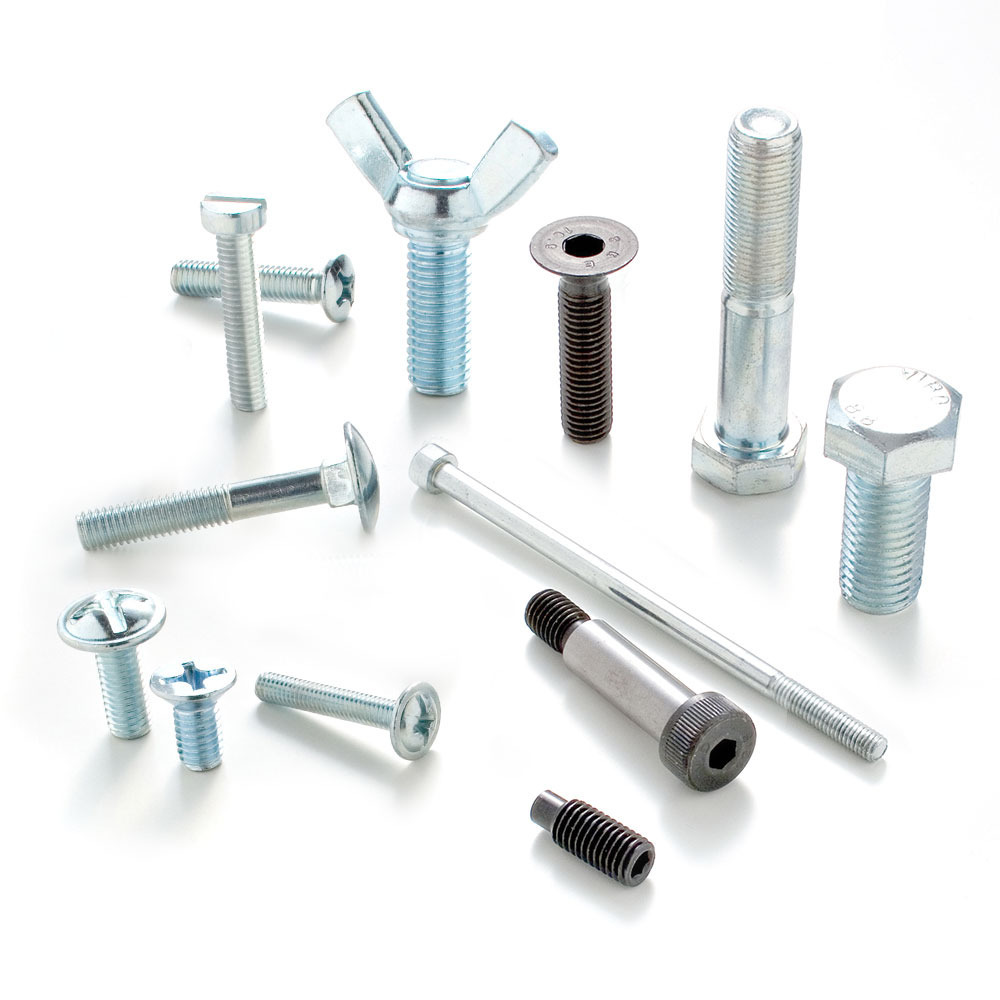
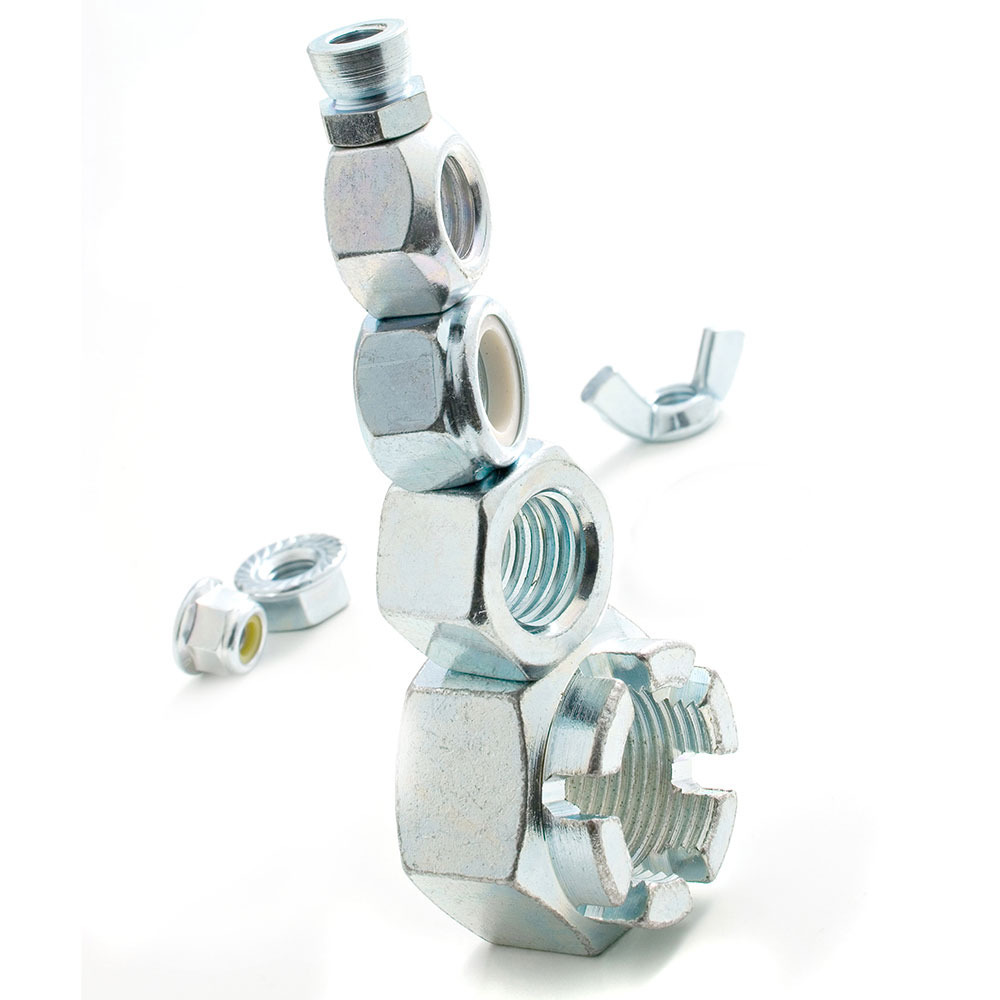
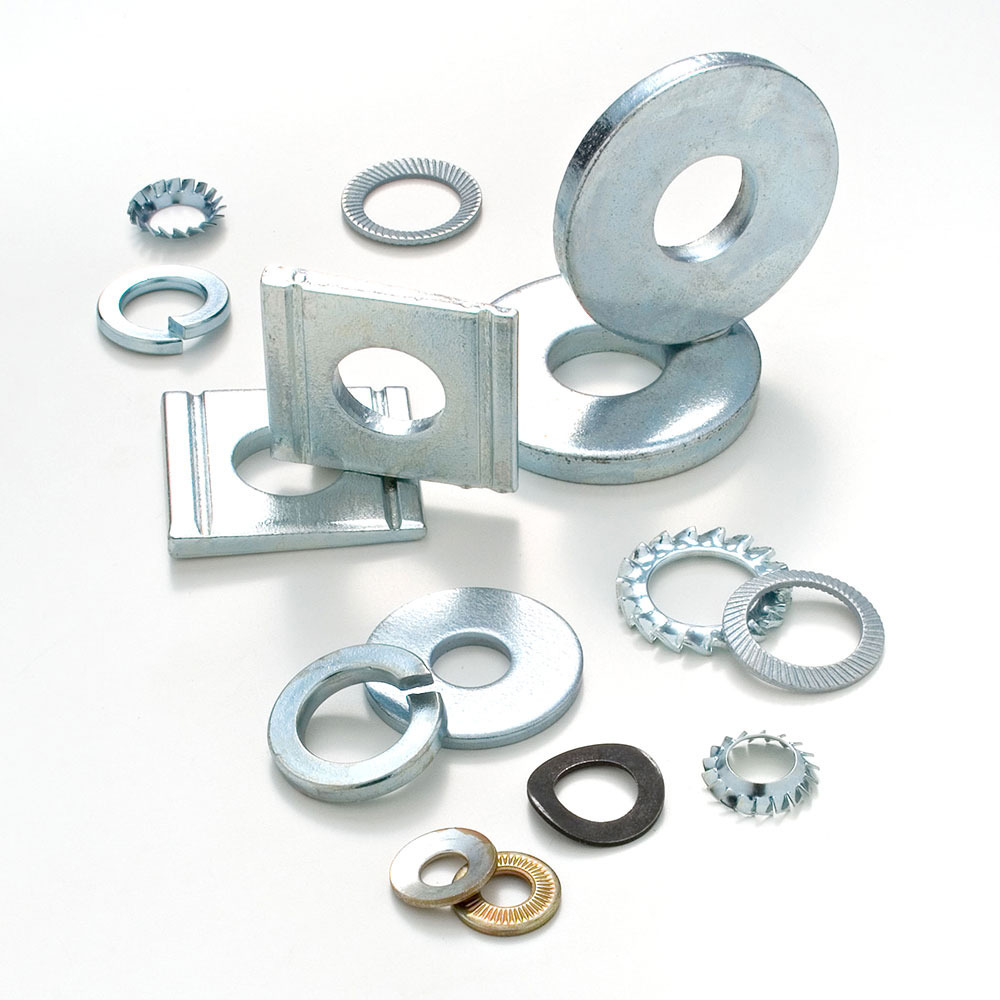
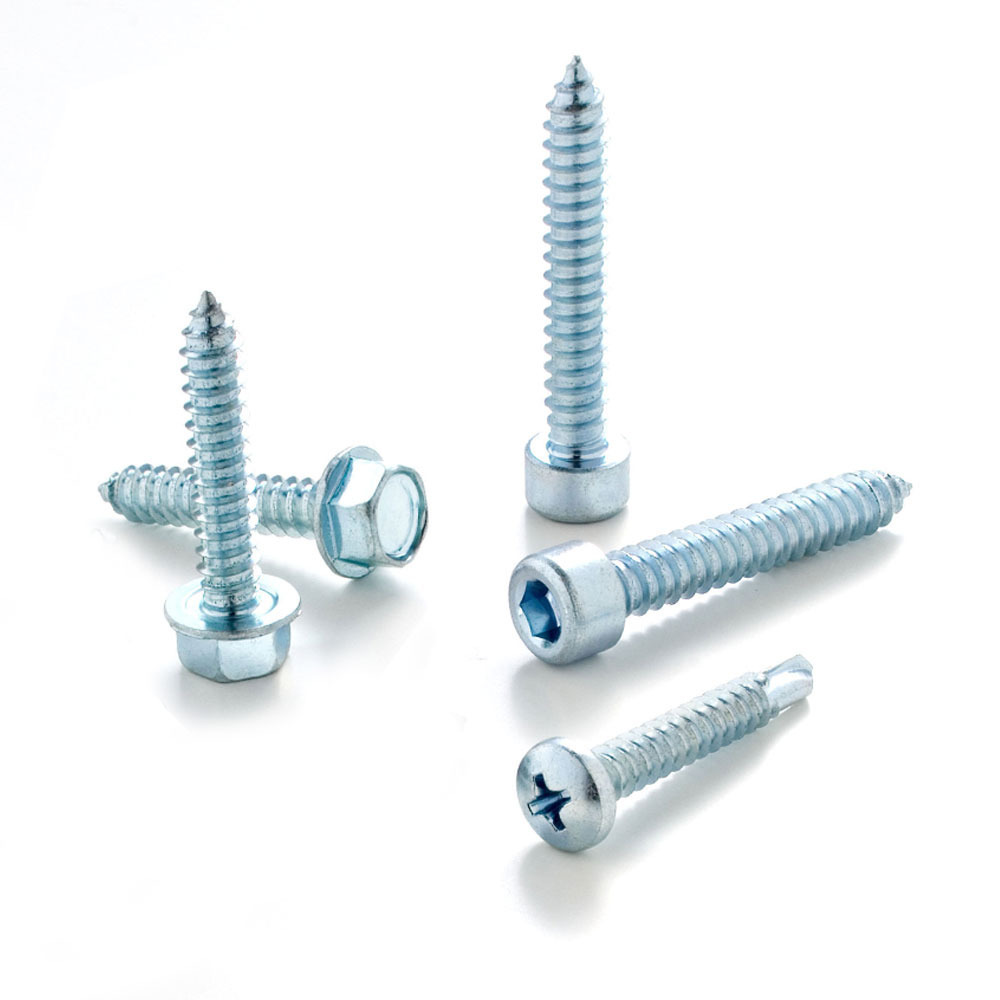
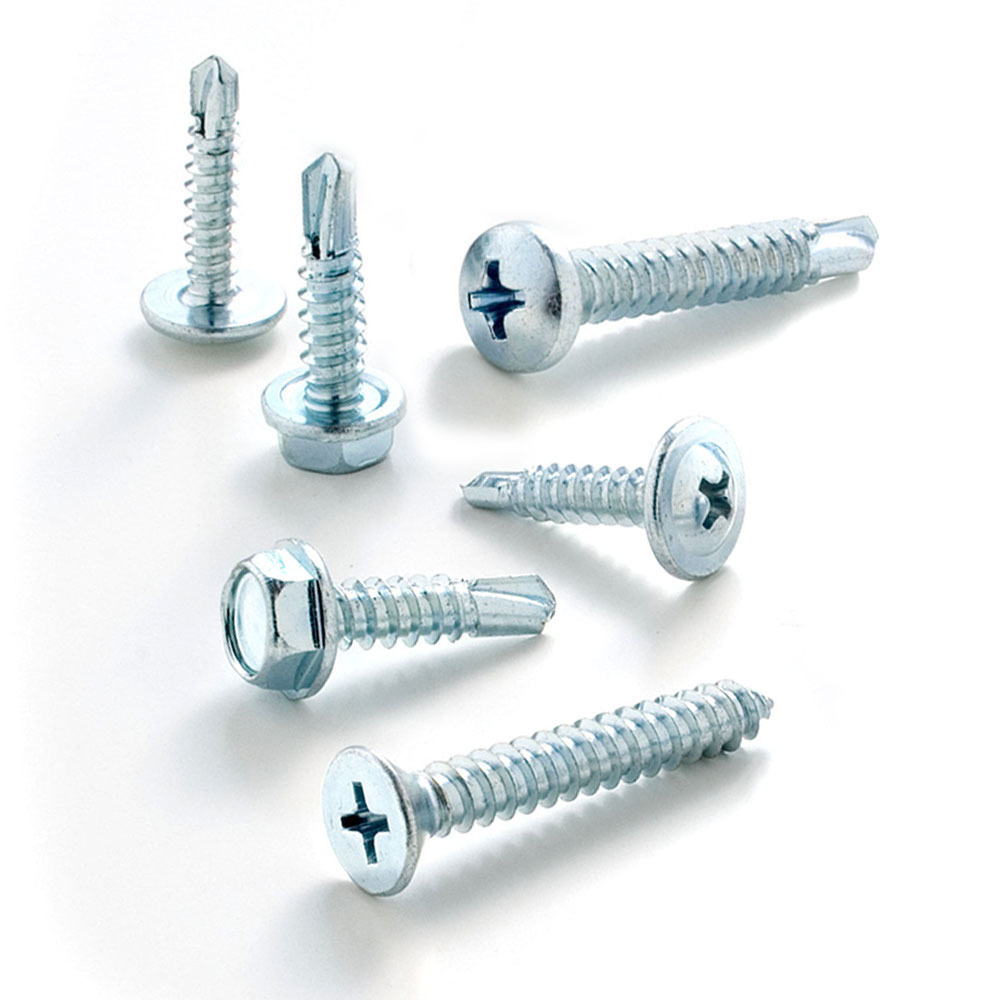
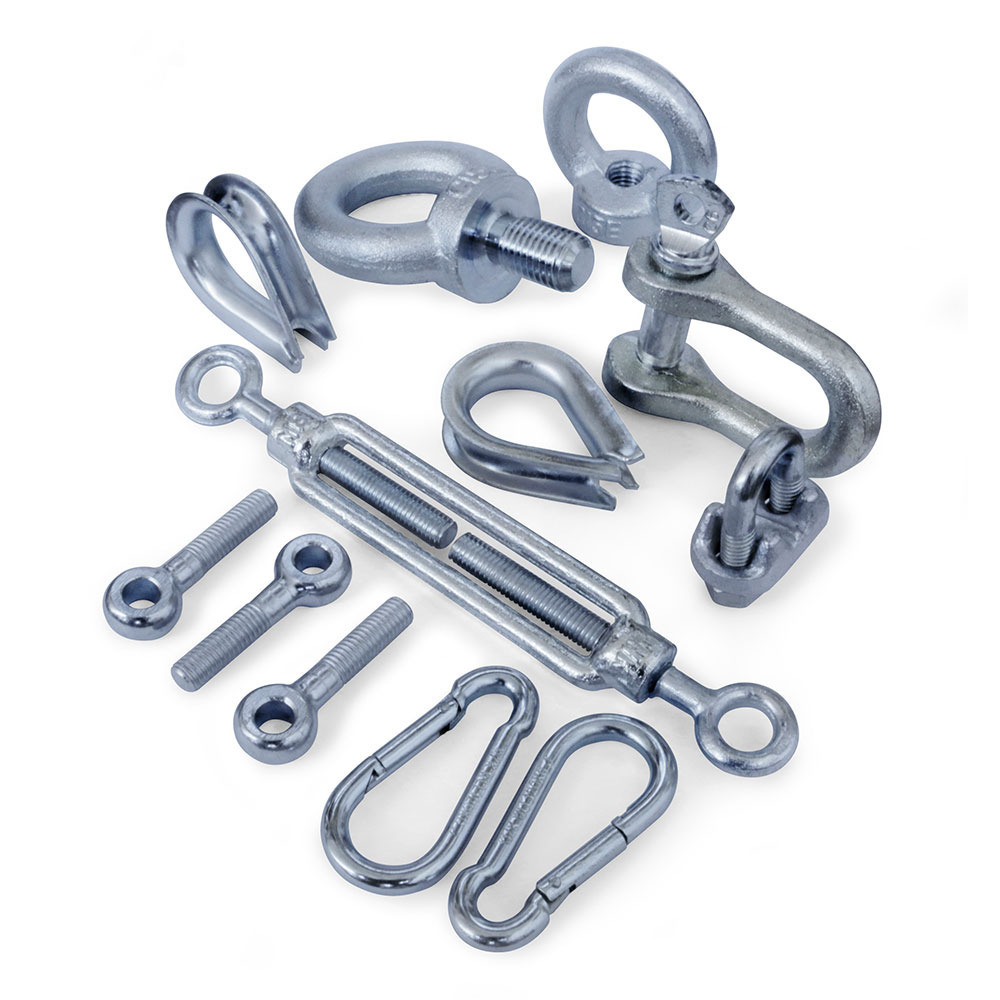
In the previous paragraphs, we have seen the different operational phases of galvanic galvanization and how it is articulated. An important phase of the processing, on which the aesthetic value of the product depends, is the finishing or passivation. During this final step, the various products acquire different colors depending on the protective sealants used. For example, white galvanization gives the product an almost blue appearance. The categories of white galvanized products are numerous, such as:
Talking about the durability of galvanization means talking about the thickness of the electrolytic galvanization and, therefore, the thickness of the zinc layer deposited on the material. Indeed, depending on the specific requirements requested, the application, and the destination of the piece, a protective thickness will be applied to it, which will condition its durability over time.
A determining factor in the longer or shorter lifespan of a manufactured good is the environment. In fact, if the galvanized components are destined for highly corrosive environments (for example, the chemical sector or applications in marine environments), the treatment will have a shorter duration compared to other conditions.
Therefore, based on the final use and the corrosiveness rate of the environment, it will be the responsibility of the competent technical office to determine which specifications the product must refer to and choose between galvanized steel materials and stainless steel materials.
UNI ISO 2081: Standard on Electrolytic Galvanization
The standard that regulates electrolytic galvanization is UNI ISO 2081, which came into force on April 12, 2018.
This standard defines the process of such a processing technique and its variations. In particular, the standard establishes the electrolytic requirements of zinc with additional treatments on iron or steel. The UNI ISO 2081 on galvanization coatings is linked to the UNI ISO 4520 standard, which establishes the criteria concerning passivations. Products certified according to such standards, therefore, comply with the expected standards.
For further information about products subjected to electrolytic galvanization, subscribe to our newsletter.
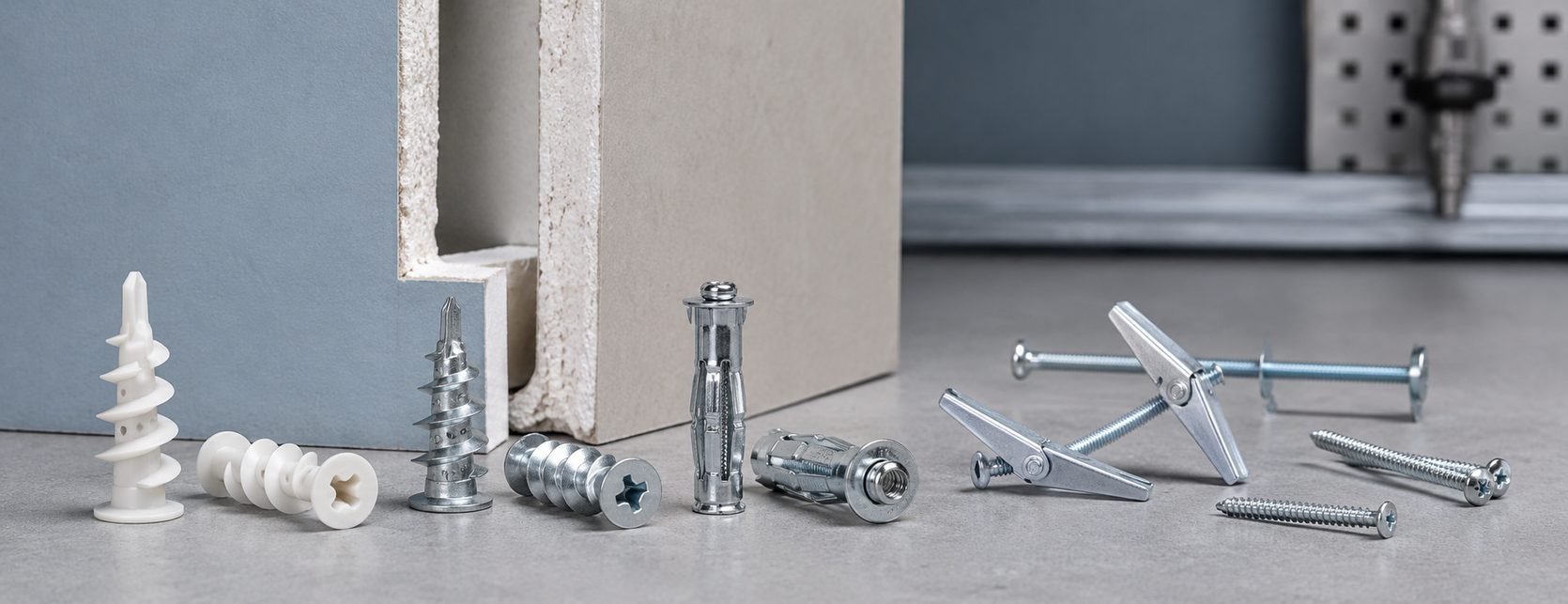
Drywall anchors: types, load capacity, selection criteria and correct installation to identify the most suitable fixing solution for every application....
Industrial automation is now a key factor in improving efficiency, quality, and control in manufacturing processes. By integrating machines, software, and data, companies can make their production more reliable, flexible, and competitive....
Threaded stud bolts are fasteners widely used in industry when it is necessary to ensure strong, reliable and above all time-demountable connections. Unlike traditional screws, they have a specific configuration that makes them particularly suitable ...
Carburizing is a thermochemical treatment that significantly improves steel performance by increasing surface hardness without compromising internal toughness. It is a fundamental solution for components subject to wear, friction and dynamic loads....
Surface treatments of steel are essential to ensure corrosion resistance, durability and reliable performance. Understanding which ones to choose and when to apply them helps you avoid problems, reduce costs, and improve component efficiency....
In the metal fabrication and construction industries, structural connection and reinforcement systems play a fundamental role in ensuring long-term stability and safety. Among these, steel tension rods are a widely used technical solution for absorbi...
The metalworking sector is one of the pillars of modern industry. But what does it actually encompass? What are its categories, and what jobs fall under it? In this article, we provide a clear and comprehensive analysis of one of the most strategic s...
Behind every product that reaches the market lies a complex network of suppliers, production processes, logistics, and distribution. Supply Chain Management was developed precisely to efficiently coordinate all these activities, transforming supply c...
Heat treatment of steel is one of the most important processes for obtaining reliable, resistant metal components suitable for industrial applications. From normalizing to tempering, these processes modify the structure of the material and determine ...
 Added to quote