Close x
X

Galvanizing Thickness: Standards, Dimensions, and Durability

Galvanizing Thickness: Standards, Dimensions, and Durability


In this new article, we return to the topic of galvanizing, focusing on the theme of galvanizing thickness.

As reported in a previous article that explains this procedure well, the term "galvanizing" refers to the protective zinc coating applied to steel parts. This procedure, necessary to protect parts from corrosion, can be carried out in different ways:

  • hot-dip
  • thermal spraying
  • electrolysis.

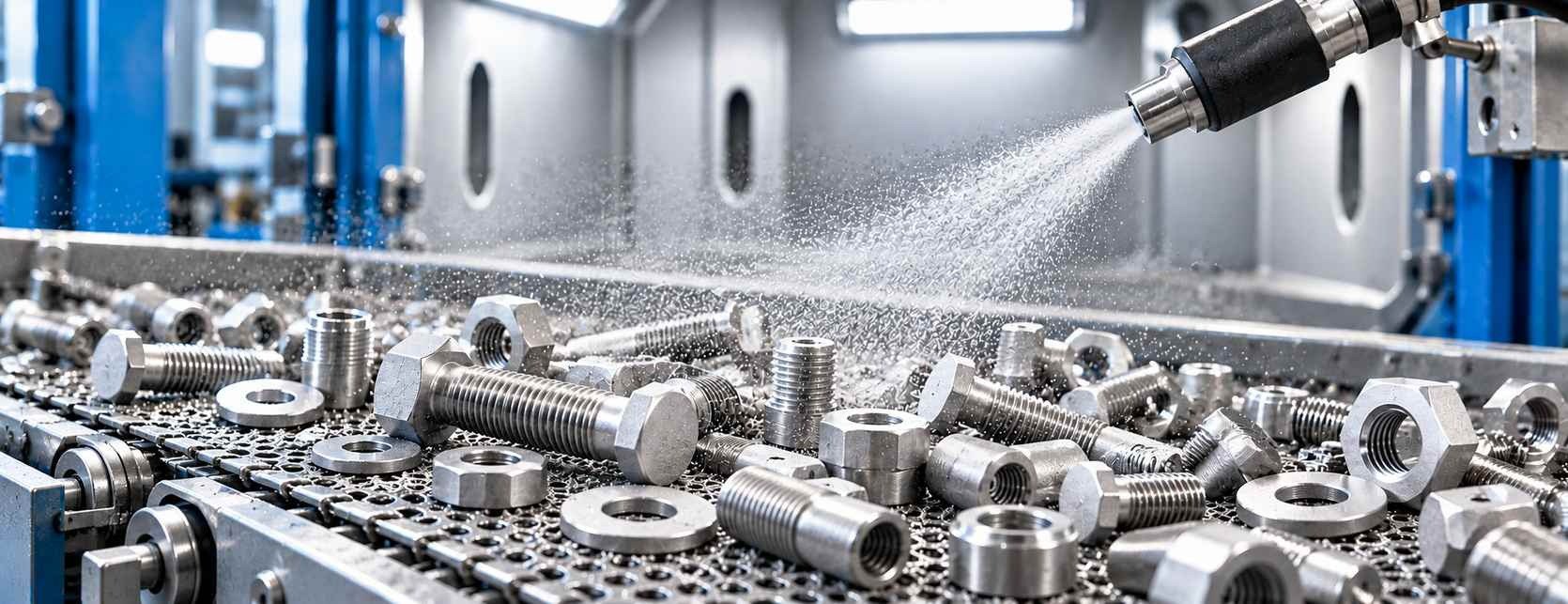
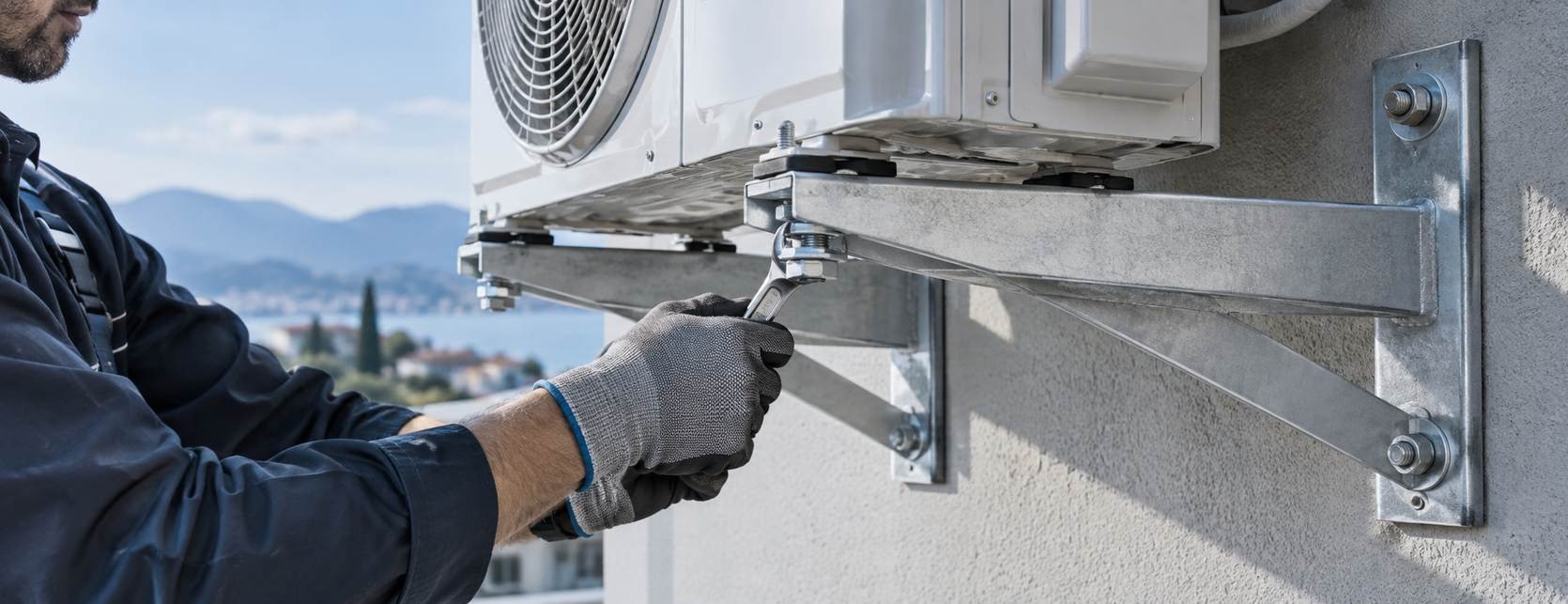
Although new methodologies and protective treatments are making their way into the sector, the most used treatment is that of hot-dip galvanizing, a procedure that finds wide use in the infrastructure and construction sector as it offers greater protection from atmospheric agents, also ensuring an excellent quality-price ratio.

A characteristic related to the durability of the galvanizing is certainly the thickness. This varies according to the following criteria:

  • type of galvanizing
  • component to be galvanized
  • method of galvanization.


In general, the thickness of hot-dip galvanizing is the process that guarantees better results. But let's discover together how thicknesses are defined and what there is to know about this topic.

UNI EN ISO 1461: the regulation that governs the thickness of galvanizing


As required for most components produced and sold according to law, there is also a specific regulation to adhere to for hot-dip galvanizing. In fact, UNI EN ISO 1461 is an international regulation that regulates and defines what the minimum thicknesses to be applied are to consider the protective layer of zinc compliant.
Just like for other products, also for galvanized ones, there are parameters and tolerances within which to act to respect the discipline. Specifically, according to ISO 1461, the average thickness must be:

  • At least 45 microns (1 thousandth of a millimeter) for steel thickness < 1.5 mm;
  • At least 55 microns for steel thickness between 1.5mm and 3.0mm;
  • At least 70 microns for steel thickness between 3.1mm and 6.0mm;
  • At least 85 microns for steel thickness > 6mm.


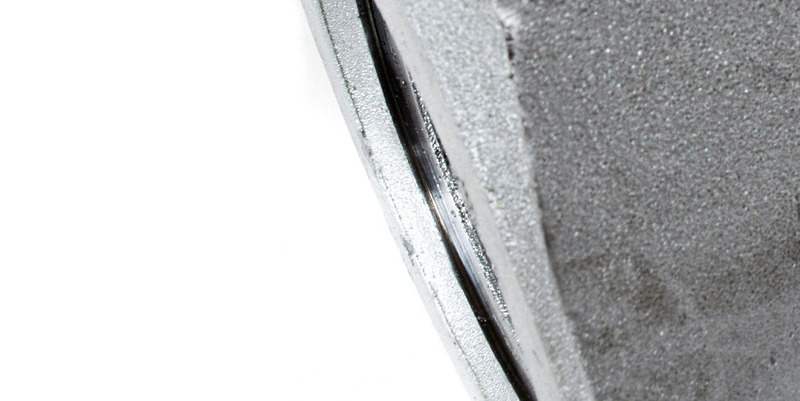
The values just reported apply to galvanizing performed on "batch" components, on products already formed or already assembled. In treatments applied to these products, the thickness is much greater than that applied to, for example, pre-galvanized sheets where the zinc layer can reach 20-30 microns.

In general, the process requires that the component to be galvanized is first checked to ensure that the surface does not have defects or irregularities. Once the component has been treated, it is rechecked and deemed suitable.

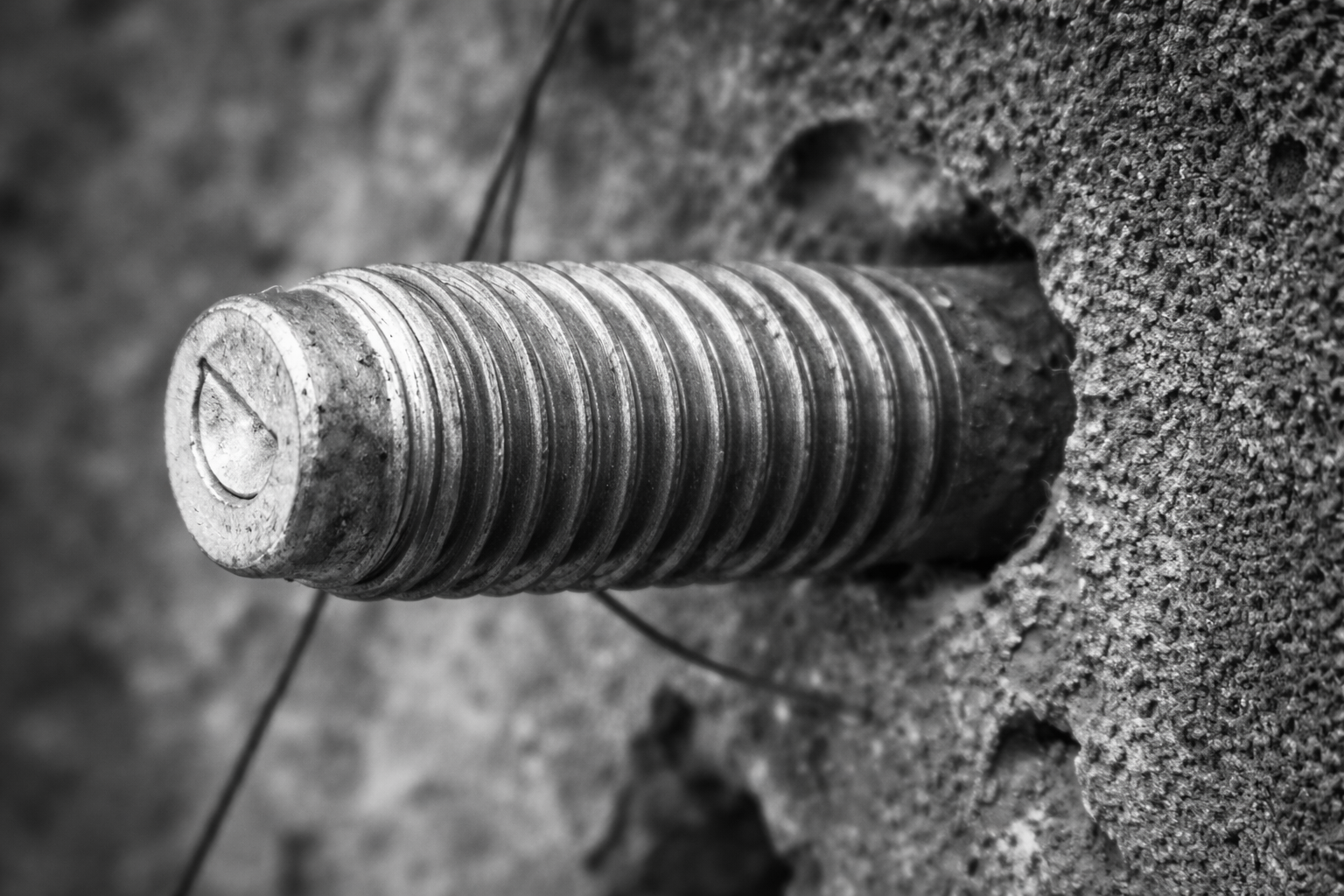
This verification system occurs for every type of component regardless of whether it is part of hot-dip galvanized bolting, structural bolting, or whether it is hot-dip galvanized tie rods and anchor bolts.

As required by the UNI EN ISO 1461 standard, Univiti provides its specialized partners with products that adhere to the specifications present in the regulation. Here is the complete list of hot-dip galvanized article range.

How is the thickness of galvanizing measured?


Once the product has been galvanized, a final inspection phase is necessary to verify that the final product is in line with the UNI EN ISO 1461 standard. But how to proceed and how to measure the galvanized thickness?

There are 4 ways to measure the thicknesses of galvanizing:

  1. Use of thickness gauges based on the magnetic principle.
    This is a simple, fast, and inexpensive method that exploits the operation of some work instruments, defined precisely as coating thickness gauges, designed specifically for this purpose;
  2. Stripping and weighing.
  3. Weighing the element before and after galvanizing;
  4. Optical microscopic observation.

Measuring the zinc layer thickness correctly means determining and ensuring the product's quality before it is shipped to the customer/client and thus marketed.

Tolerance and loss of thickness of galvanizing

Latest articles from our blog

The Metalworking Sector in Italy: What It Is, What It Encompasses, and What Jobs It Includes

The Metalworking Sector in Italy: What It Is, What It Encompasses, and What Jobs It Includes

The metalworking sector is one of the pillars of modern industry. But what does it actually encompass? What are its categories, and what jobs fall under it? In this article, we provide a clear and comprehensive analysis of one of the most strategic s...

Read more ...
Supply Chain Management: What It Is, How It Works, and Why It Has Become Strategic for Businesses

Supply Chain Management: What It Is, How It Works, and Why It Has Become Strategic for Businesses

Behind every product that reaches the market lies a complex network of suppliers, production processes, logistics, and distribution. Supply Chain Management was developed precisely to efficiently coordinate all these activities, transforming supply c...

Read more ...
Heat treatment of steel: what it is, what it is used for, and why it is essential in the fastener industry

Heat treatment of steel: what it is, what it is used for, and why it is essential in the fastener industry

Heat treatment of steel is one of the most important processes for obtaining reliable, resistant metal components suitable for industrial applications. From normalizing to tempering, these processes modify the structure of the material and determine ...

Read more ...
The 7 Principles of ISO Family Quality

The 7 Principles of ISO Family Quality

The seven principles of quality form the basis of ISO management systems and, in particular, the ISO 9001 standard. Understanding them means understanding how organizations can improve processes, decisions, and relationships to ensure quality and lon...

Read more ...
Machinery Directive 2006/42/EC: what it really provides and why it is still central to business

Machinery Directive 2006/42/EC: what it really provides and why it is still central to business

The Machinery Directive 2006/42/EC is one of the pillars of European industrial safety and defines the essential requirements that a machine must comply with to be placed on the Union market. It is not a simple formal fulfillment, but a system of res...

Read more ...
Towards a new ISO 9001: the 2026 revision

Towards a new ISO 9001: the 2026 revision

The new revision of ISO 9001 scheduled for 2026 introduces targeted updates on leadership, risk management, digitalization, and sustainability. This long-awaited evolution reinforces the strategic role of quality in modern organizations....

Read more ...
ISO: What It Is?

ISO: What It Is?

ISO certification is a document that certifies the compliance of business processes and management systems with specific standards described in technical regulations. In particular, it serves to ensure that the company operates according to procedure...

Read more ...
DIN 933, 934 e 125: characteristics, differences, and applications of the main bolting standards

DIN 933, 934 e 125: characteristics, differences, and applications of the main bolting standards

The DIN 933, DIN 934, and DIN 125 standards represent three fundamental pillars in the world of screws and bolts. In this article, we analyze their characteristics, differences, and areas of application to understand how standardization guarantees sa...

Read more ...
CBAM and industry: beyond compliance, towards new supply chain choices

CBAM and industry: beyond compliance, towards new supply chain choices

The CBAM is reshaping the relationship between regulation, the market, and the industrial supply chain. In addition to technical aspects, this new regulation raises strategic questions about transparency, data, and supply relationships. After clarify...

Read more ...
Hexagon socket set screws

Hexagon socket set screws

Often invisible, yet essential: hex socket set screws make it possible to secure components in a simple and effective way. In this article, we explain what they are, how they work, and the differences between the various tip types....

Read more ...