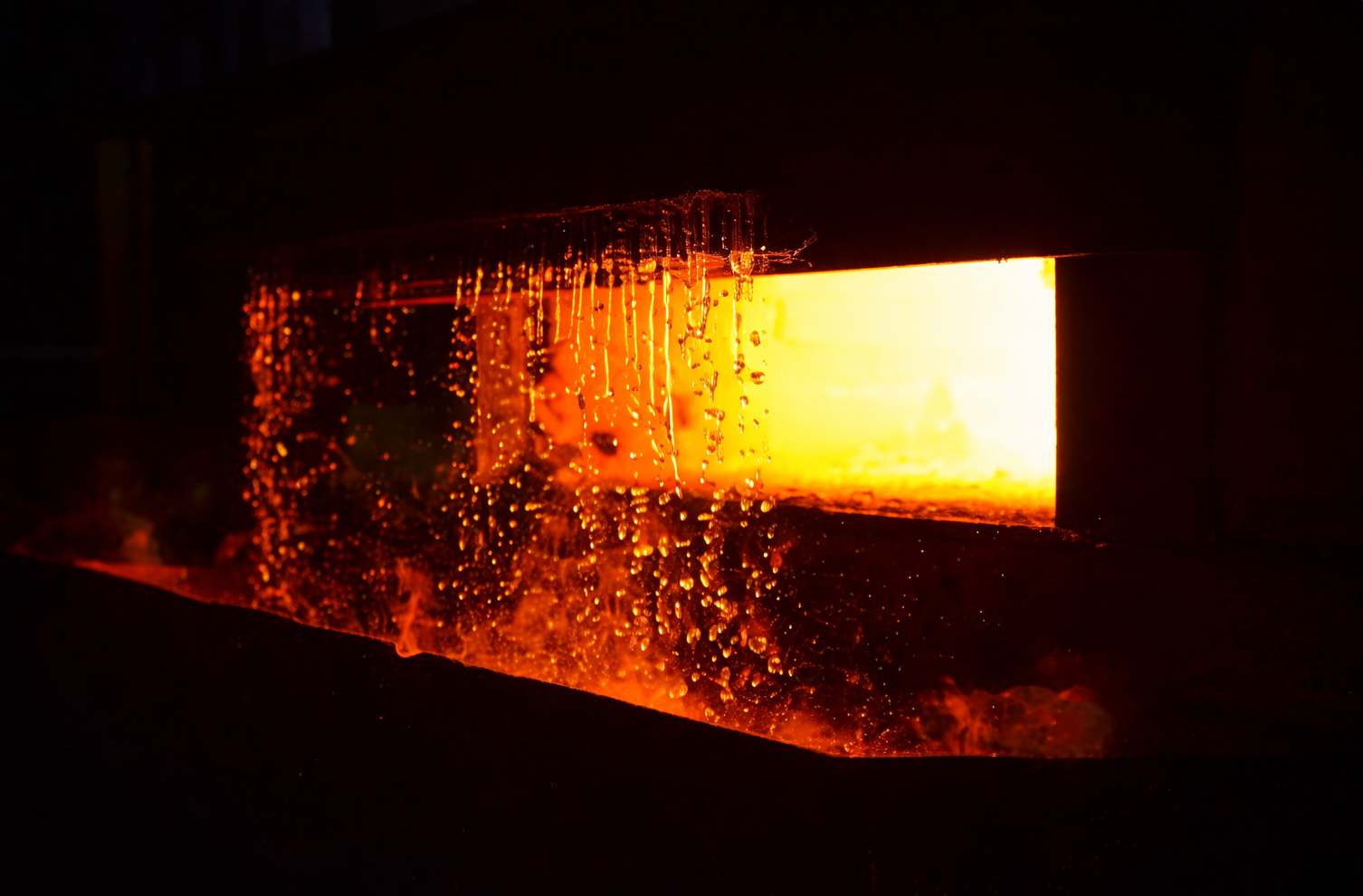
Steel, a ferrous alloy essentially composed of iron and carbon, is one of the most used, resistant, and versatile materials the market currently offers. In addition to the two main substances it consists of, this metal contains other chemical elements that make it adaptable to various needs and confer different resistances. Indeed, thanks to the multiple alloys, each type of steel has a different chemical composition, a determining characteristic in the classification of this material.
How are steels classified?
Capable of offering different performances, steel is a material that finds application in numerous sectors, from transportation to construction.
Steel is an element with over 3500 classes. These are regulated by different entities: AISI (American Iron and Steel Institute), SAE (Society of Automotive Engineers), ASTM (American Society for Testing and Materials International), UNS (Unified Numbering System), AA - for the United States - and finally EN – for Europe – and UNI, the unifying entity for Italy.
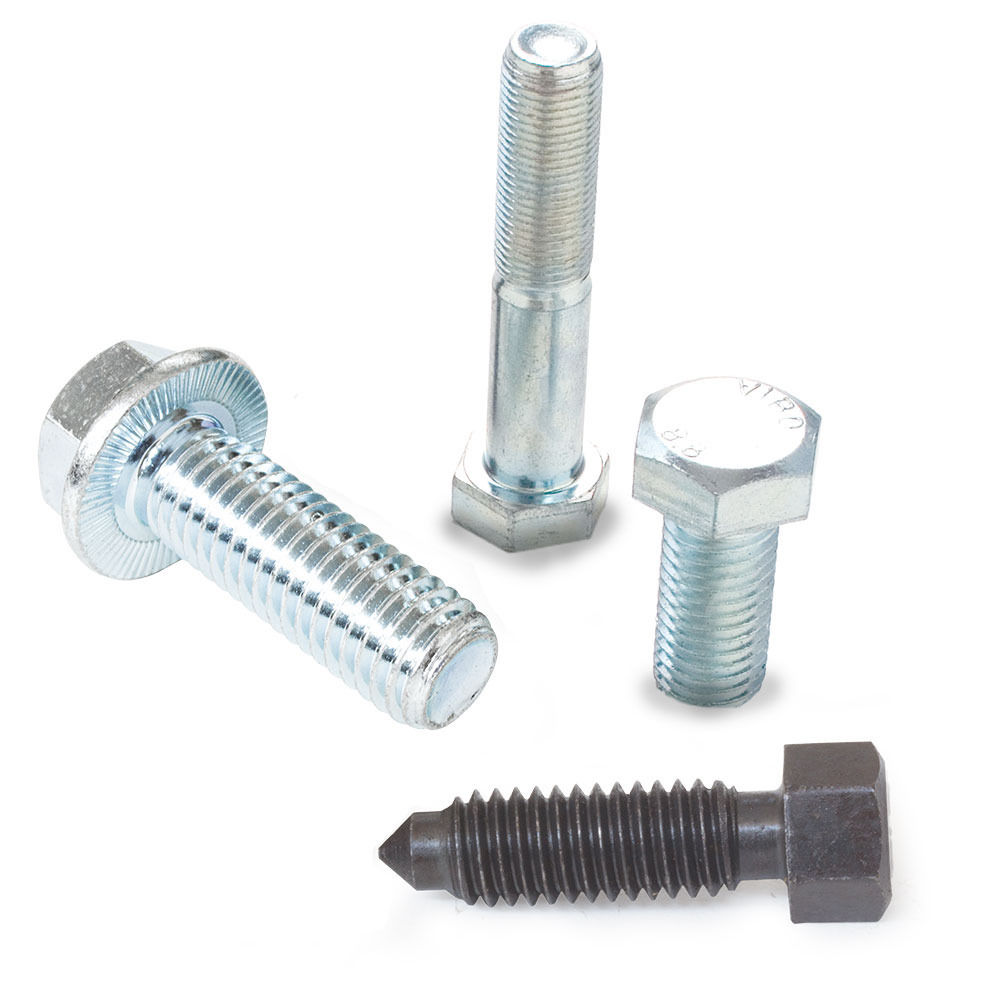
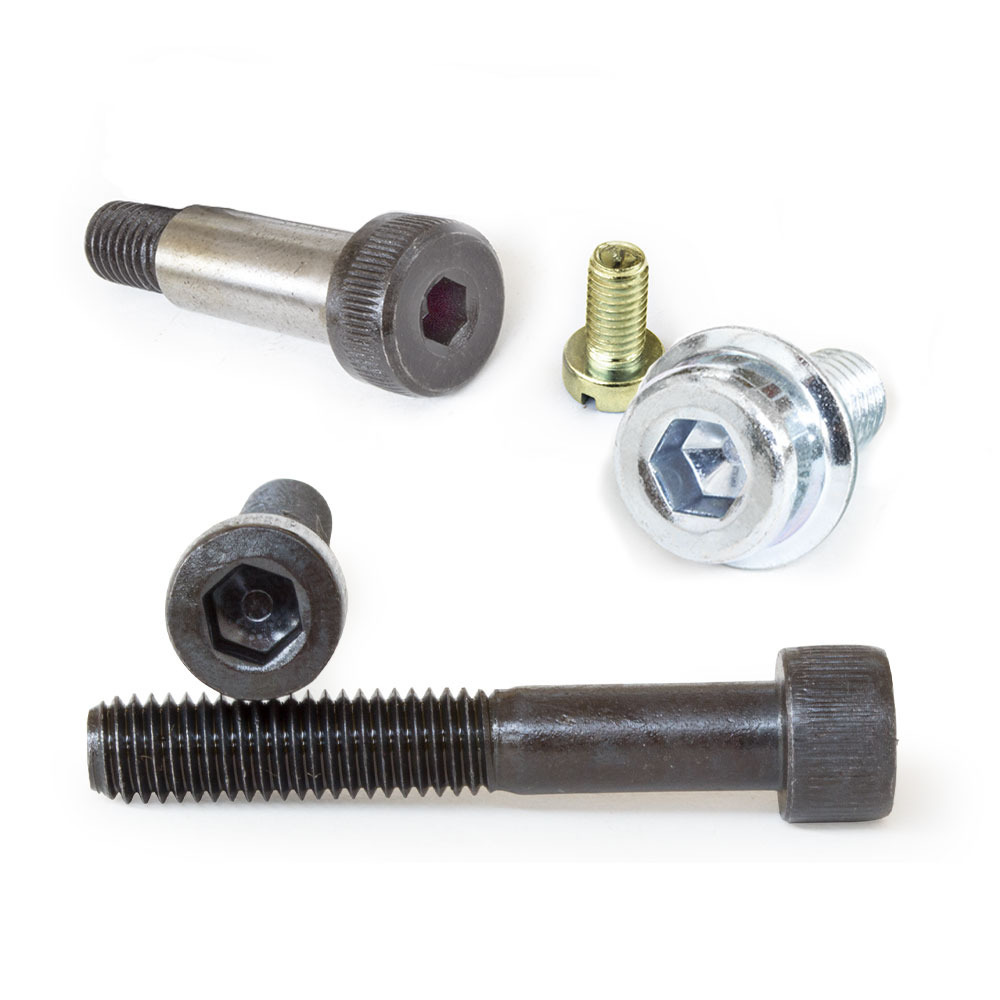
The classification of steels, in relation to fasteners, sees the division of elements into the following types:
Carbon steels, the most widespread type but, at the same time, the least precious. This type of steel is characterized by good malleability and workability but is strongly subject to corrosion and sensitive to high and low temperatures. Moreover, it is useful to underline that carbon steels are divided into low-strength steels and high-strength steels;
Alloy steels, these are steels that contain alloying elements (for example, aluminum, manganese, silicon, nickel, chromium, titanium, etc.). The different composition of the alloy, dictated by the proportions with which these elements are present, gives the final product diversified technical and mechanical characteristics.
Tool steels, this type of steels contains variable amounts of elements like tungsten, molybdenum, cobalt, and vanadium, through which heat resistance and product durability are increased. Such steels are ideal for the creation of components intended for cutting or drilling operations.
Stainless steels, these steels are among the most well-known and widespread precisely for their rustproof characteristics, a property that depends on the presence of chromium in values, sometimes, even very high.
In the taxonomy of steels, the resistance of materials also acquires particular relevance. In this regard, it is worth delving into a new type of steel, called high-strength steel.
What does high-strength steel mean?
Born from research in the metallurgical field, high-strength steel is able to guarantee a mechanical resistance superior to traditional steel (estimated to be between 60% and 125% more). Essentially, subjecting the same force to a high-strength steel and a normal one, the former undergoes minimal deformation compared to the latter. There are several advantages brought by this new material:
Thickness reduction, because to make the material more resistant, there is no need to produce it thicker and therefore there will be a greater lightness of the product;
Increase in load capacity, more resistant material means the possibility of a greater load on the same;
Greater performance over time;
Longer material life.
Thus, such an alloy will be able to maintain its characteristics over time despite the different and numerous stresses to which it will be subjected.
Which steel is the most resistant?
At this point, it will appear normal to wonder: among all these types, which steel is the most resistant?
Stainless steels, as the name itself describes, are among the materials that provide greater resistance to corrosion, the main advantage of their use. This characteristic is dictated by the presence of chromium (from 10% to 20%), the main alloying element along with iron.
Even in this case, the difference between the various materials lies in the ratio between the further quantities of carbon, silicon, and manganese. Such proportions allow the material to be divided into different types, among which austenitic stainless steels stand out, more commonly known as A2 and A4 stainless steel.
For further information about high-strength steel, subscribe to our newsletter. Contact us at info@univiti.it to receive a free quote.
Drywall anchors: types, load capacity, selection criteria and correct installation to identify the most suitable fixing solution for every application....
Industrial automation is now a key factor in improving efficiency, quality, and control in manufacturing processes. By integrating machines, software, and data, companies can make their production more reliable, flexible, and competitive....
Threaded stud bolts are fasteners widely used in industry when it is necessary to ensure strong, reliable and above all time-demountable connections. Unlike traditional screws, they have a specific configuration that makes them particularly suitable ...
Carburizing is a thermochemical treatment that significantly improves steel performance by increasing surface hardness without compromising internal toughness. It is a fundamental solution for components subject to wear, friction and dynamic loads....
Surface treatments of steel are essential to ensure corrosion resistance, durability and reliable performance. Understanding which ones to choose and when to apply them helps you avoid problems, reduce costs, and improve component efficiency....
In the metal fabrication and construction industries, structural connection and reinforcement systems play a fundamental role in ensuring long-term stability and safety. Among these, steel tension rods are a widely used technical solution for absorbi...
The metalworking sector is one of the pillars of modern industry. But what does it actually encompass? What are its categories, and what jobs fall under it? In this article, we provide a clear and comprehensive analysis of one of the most strategic s...
Behind every product that reaches the market lies a complex network of suppliers, production processes, logistics, and distribution. Supply Chain Management was developed precisely to efficiently coordinate all these activities, transforming supply c...
Heat treatment of steel is one of the most important processes for obtaining reliable, resistant metal components suitable for industrial applications. From normalizing to tempering, these processes modify the structure of the material and determine ...
 Added to quote