Search the more than 56.000 items in the catalog.

With the introduction of mandatory certification from July 2014, manufacturing companies of steel and metal materials or structures must mark their products with CE and EN 1090 to introduce them into the European market.
Thanks to the EN 1090 certificate, construction material manufacturing companies can operate within the European Union, precisely from July 1, 2013, the date on which EU Regulation No. 305/2011 came into force.
It is important to specify that the EN 1090 regulation groups several technical standards regarding the execution of structures in steel or aluminum. It is divided into several parts:
In detail, the CE UNI EN marking is to be applied to all steel or aluminum products and components such as:
Consequently, the companies that must adhere to the certification obligation according to EN 1090 are those operating in the following sectors:
Originally a voluntary standard, EN 1090 then became mandatory with the aim of guaranteeing the qualitative characteristics that products must adhere to.
In general, it can be said that standard 1090 is a regulation that governs the entire world of construction. In order to work according to the law, it is necessary for the carpentry to be certified and therefore to use products compliant with the regulation and validated materials. Focusing on the world of bolts, for certified products, we refer to elements that refer to Certification 3.1 and DOP Certification (Declaration of Performance), the details of which are explained in the following paragraphs.
Certification 3.1 is a certificate issued by the manufacturer following specific tests on samples taken from production lots of a specific product.
The DOP Certification, on the other hand, attests to a certain qualitative standard of the products and is issued to manufacturers who maintain such standards throughout the production process. These manufacturers thus obtain the authorization to produce structural bolting articles, subject to CE marking, which allows for product traceability.
Therefore, to provide a more detailed idea of which products fall under the EN 1090 standard, below we list some examples of certified screws and bolts that can be used because they comply with the requirements demanded by the regulation:
Products for structural bolting, therefore, require particular attention in their production.
It is fundamental to rely on trustworthy partners where you can purchase products that comply with the construction certification.
As established in the EU Construction Products Regulation 305/2011, manufacturers are obliged to compile the Declaration of Performance (DOP). This document must be compiled for all products that, in accordance with the regulation, can be freely marketed in all European Union countries.
The Declaration of Performance must contain indications regarding:
Below, we report an excerpt from Chapter 4 of the aforementioned regulation, within which are listed the essential requirements for which the manufacturer (metal constructor) must declare performance:
"... omissions
4. Requirements
4.2 Dimensional tolerances
4.3 Weldability
4.4 Toughness
4.5 Structural characteristics
4.5.2. Mechanical resistance
4.5.3. Fatigue resistance
4.5.4. Fire resistance
4.5.5. Deformations at serviceability limit state
4.6 Reaction to fire
4.7 Emission of dangerous substances
4.8 Impact resistance (in correlation with point 4.4)
4.9 Durability
... omissions"
For further information about the regulation and its operation, subscribe to our newsletter.
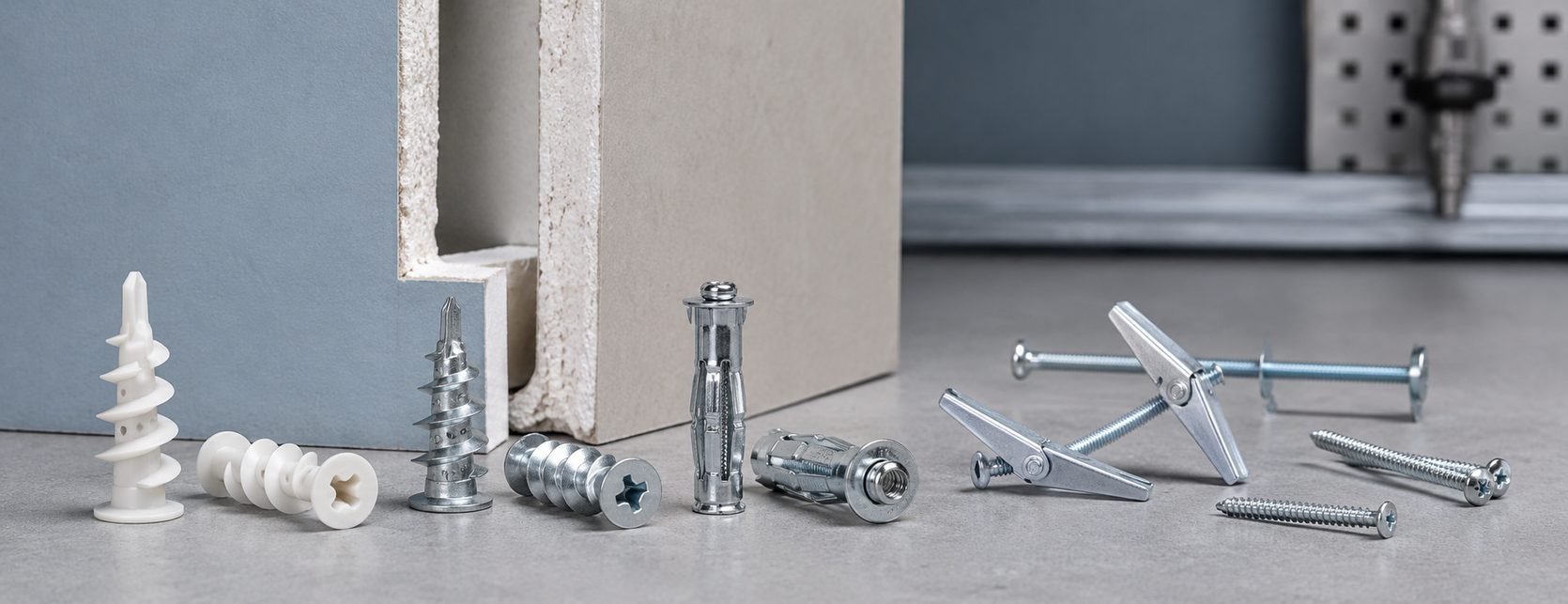
Drywall Anchors: Types, Load Capacity and Selection Criteria
Drywall anchors: types, load capacity, selection criteria and correct installation to identify the most suitable fixing solution for every application....
Read more ...
Industrial Automation: How It Works and What Benefits It Offers to Manufacturing
Industrial automation is now a key factor in improving efficiency, quality, and control in manufacturing processes. By integrating machines, software, and data, companies can make their production more reliable, flexible, and competitive....
Read more ...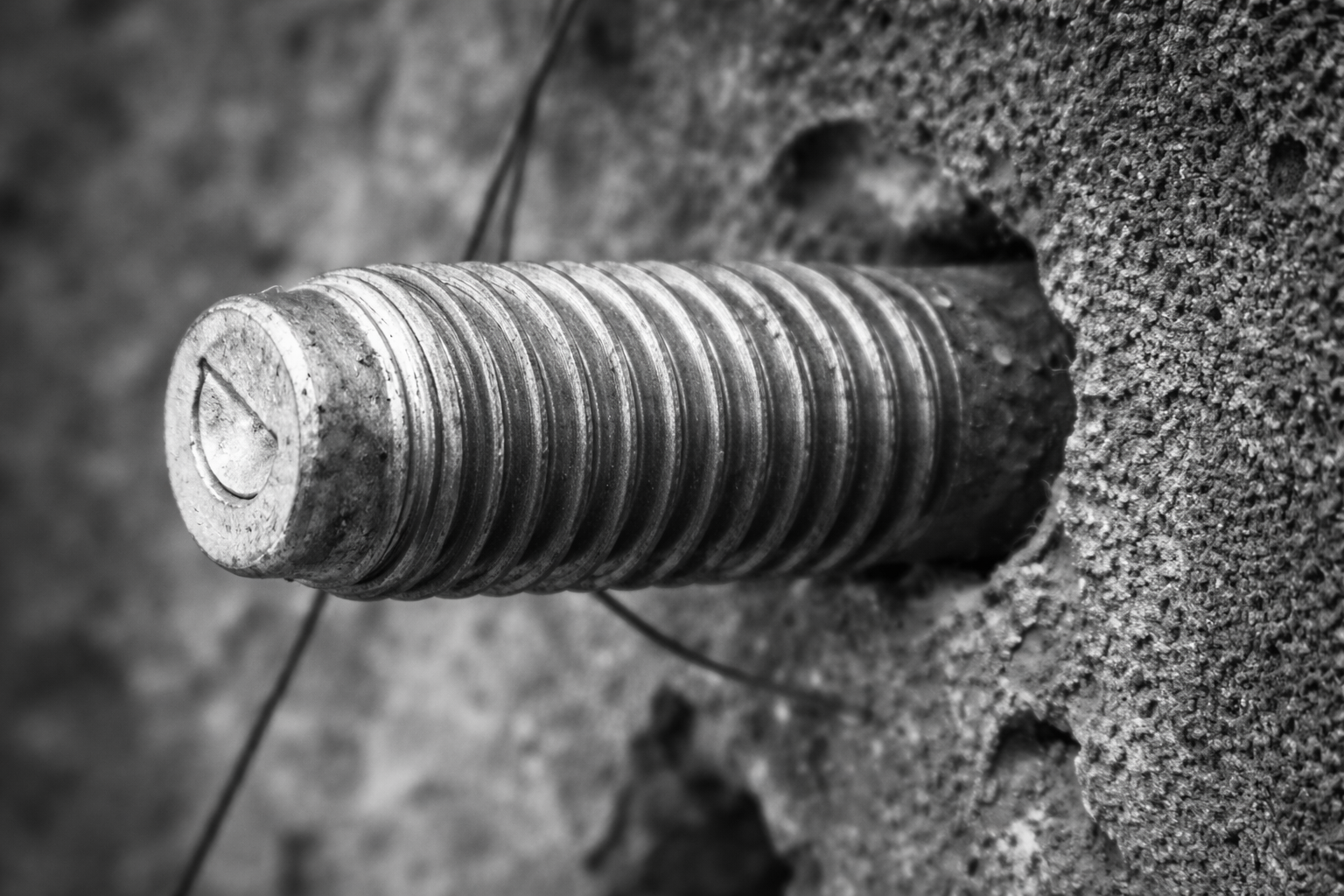
Threaded stud bolts: features and applications
Threaded stud bolts are fasteners widely used in industry when it is necessary to ensure strong, reliable and above all time-demountable connections. Unlike traditional screws, they have a specific configuration that makes them particularly suitable ...
Read more ...
Carbocementation: How to Increase the Surface Hardness of Steel
Carburizing is a thermochemical treatment that significantly improves steel performance by increasing surface hardness without compromising internal toughness. It is a fundamental solution for components subject to wear, friction and dynamic loads....
Read more ...
Surface treatments of steel: protection and durability
Surface treatments of steel are essential to ensure corrosion resistance, durability and reliable performance. Understanding which ones to choose and when to apply them helps you avoid problems, reduce costs, and improve component efficiency....
Read more ...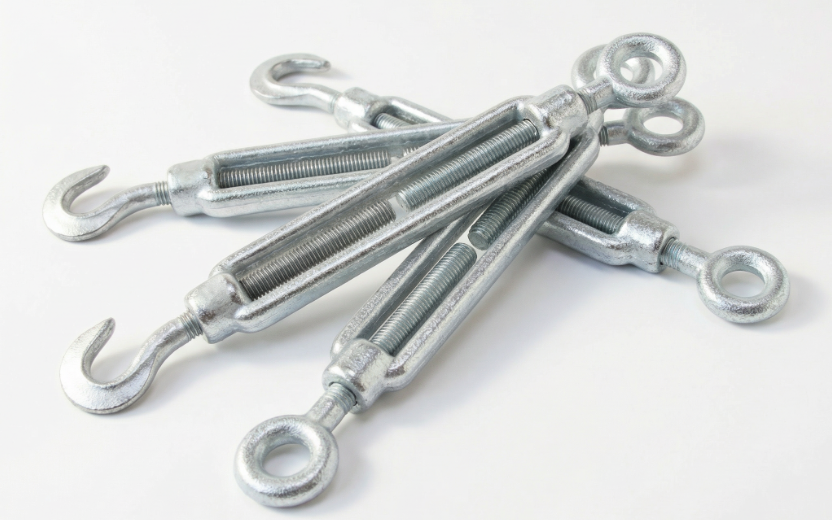
Steel Tension Rods: Types, Sizing, and Structural Applications
In the metal fabrication and construction industries, structural connection and reinforcement systems play a fundamental role in ensuring long-term stability and safety. Among these, steel tension rods are a widely used technical solution for absorbi...
Read more ...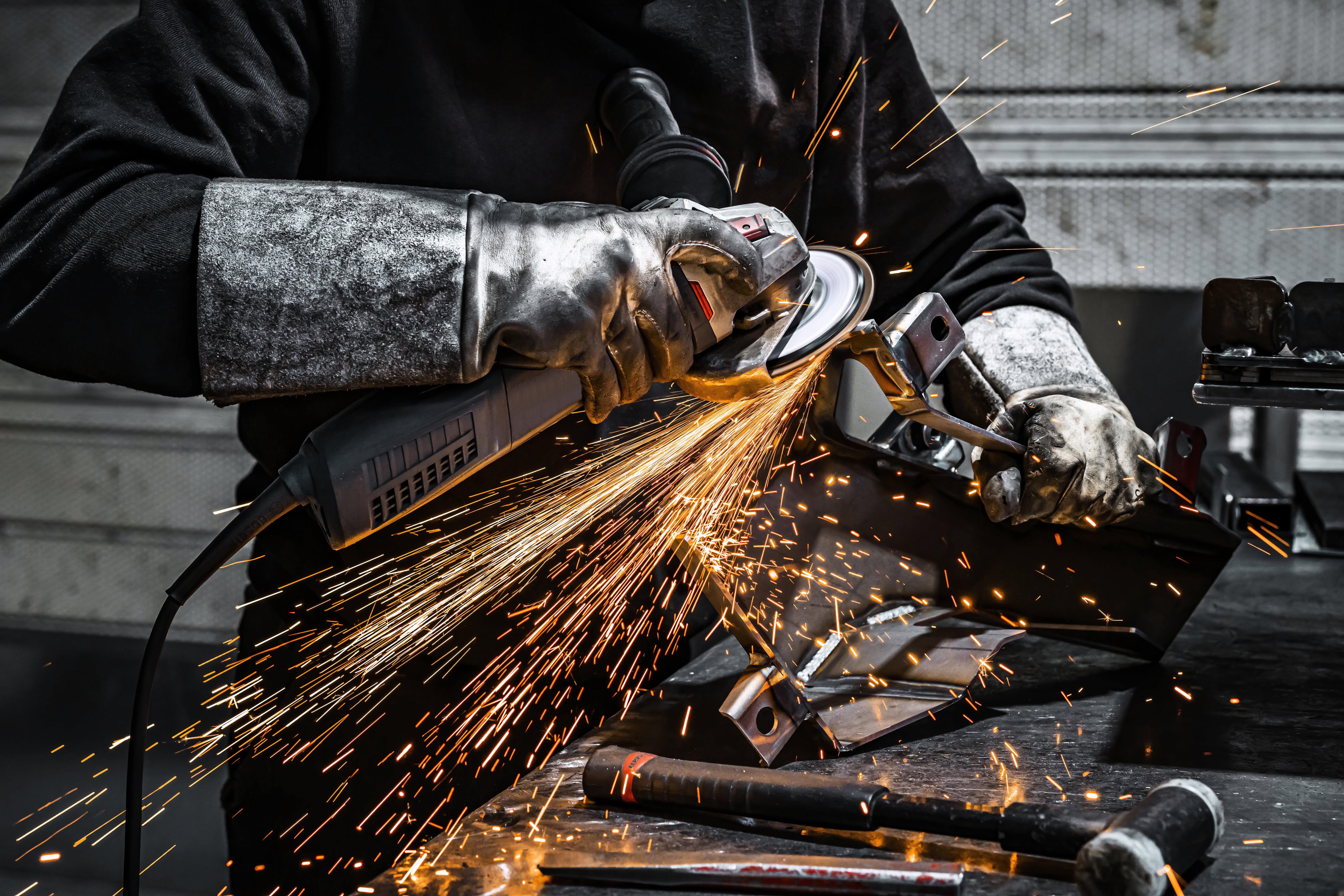
The Metalworking Sector in Italy: What It Is, What It Encompasses, and What Jobs It Includes
The metalworking sector is one of the pillars of modern industry. But what does it actually encompass? What are its categories, and what jobs fall under it? In this article, we provide a clear and comprehensive analysis of one of the most strategic s...
Read more ...
Supply Chain Management: What It Is, How It Works, and Why It Has Become Strategic for Businesses
Behind every product that reaches the market lies a complex network of suppliers, production processes, logistics, and distribution. Supply Chain Management was developed precisely to efficiently coordinate all these activities, transforming supply c...
Read more ...
Heat treatment of steel: what it is, what it is used for, and why it is essential in the fastener industry
Heat treatment of steel is one of the most important processes for obtaining reliable, resistant metal components suitable for industrial applications. From normalizing to tempering, these processes modify the structure of the material and determine ...
Read more ... Added to quote