What Are the Differences Between a Set Screw and a Self-tapping Screw
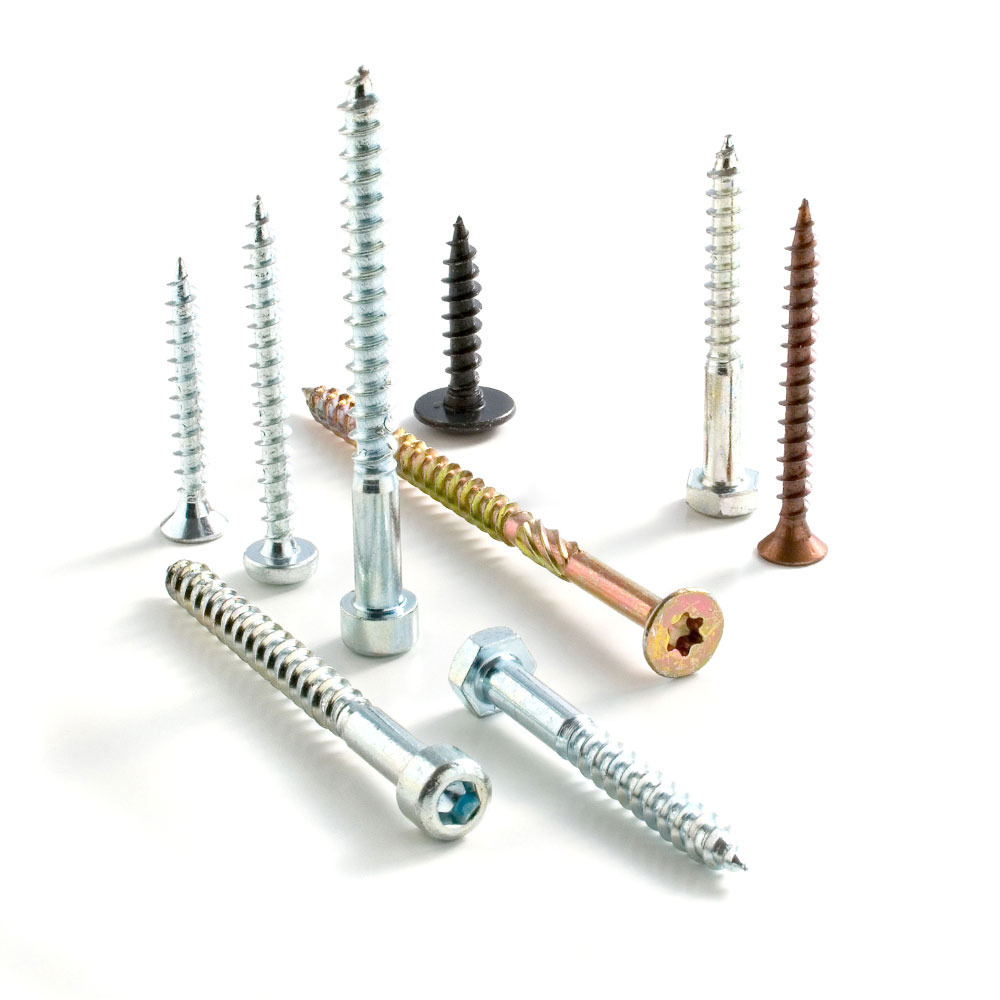
Screws are cylindrical elements used to fasten objects or parts of them together. The world of fasteners offers infinite types of screws, depending on the final application. Indeed, based on the use and the material to be screwed, it is possible to choose one screw over another.
Among the different possibilities of choice, there is a particular one suitable for specific uses: the set screw. What does it look like? What are its characteristics? What is the difference with a self-tapping screw? In the following paragraphs, we will describe all the specifics of this particular mechanical element.
What Are Set Screws Used For?
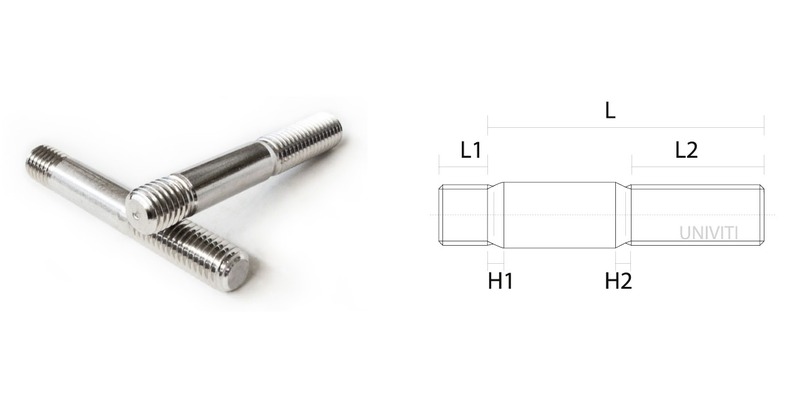
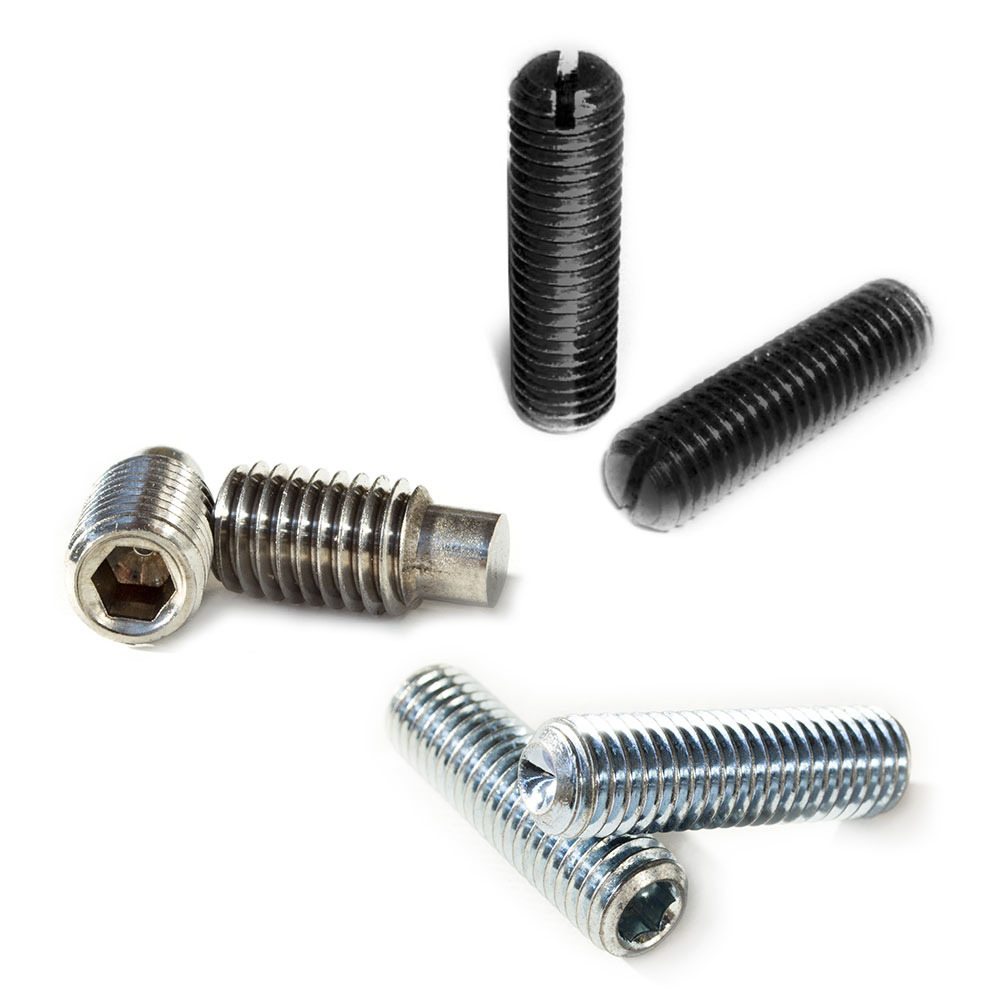
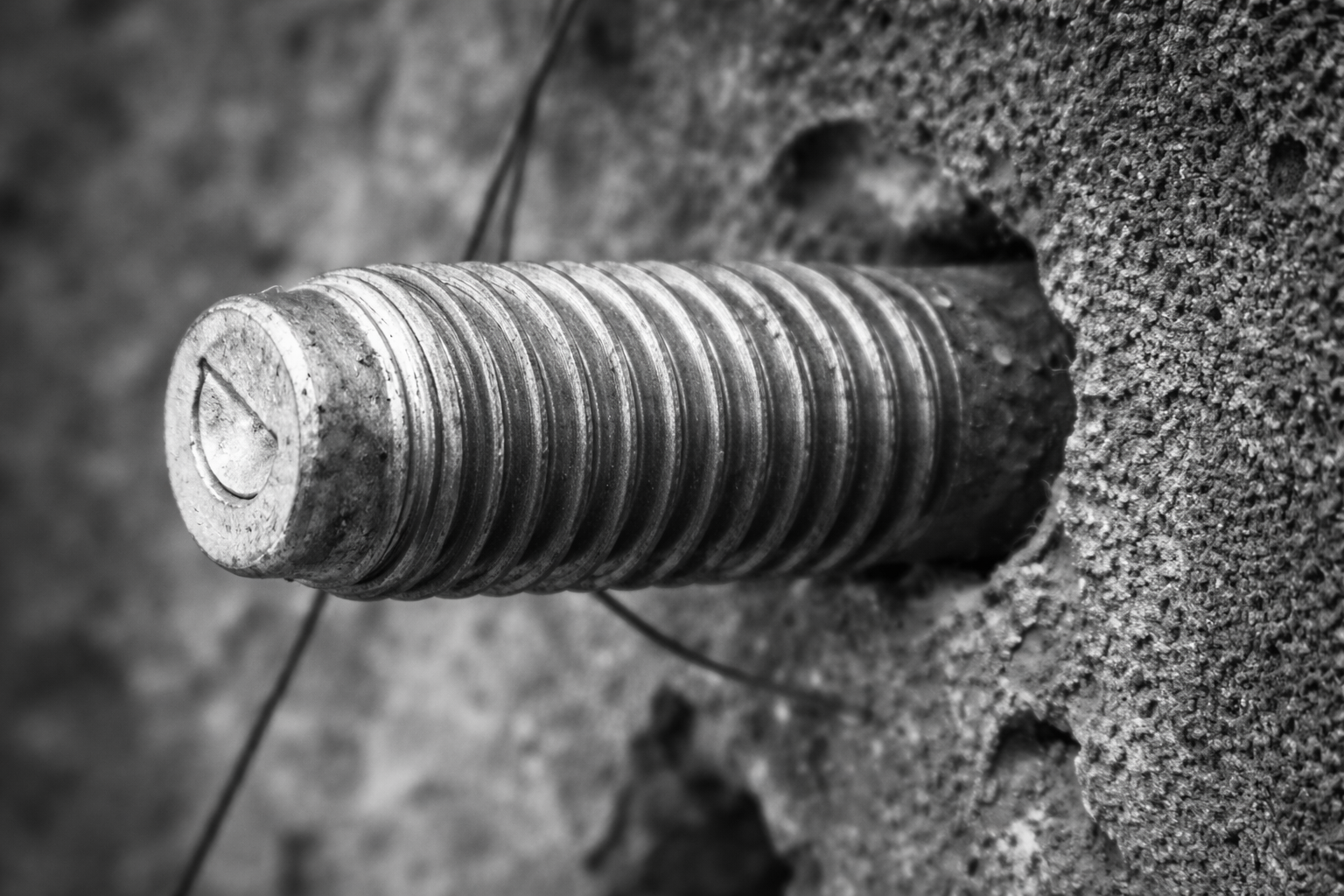
Also known as "headless screws," set screws belong to a very particular category of product. Indeed, they differ from classic screws because they lack a head and both ends are finished with threading.
The particular structure of this screw, and therefore the threading, allows two elements to be fastened together. Indeed, this type of mechanical element was designed specifically to ensure fastening when the incomplete threads of the screw penetrate the opening of the hole.
The threaded stud consists of three main elements:
The root, the first threaded part that will be screwed into the blind hole;
The central part, not threaded;
The shank, the second and last threaded end where the nut and washer are fixed.
Set screws can have different types of tips or ends. For example, the first threaded part can have a larger diameter and pitch compared to other parts.
Therefore, there are different types of set screws on the market that meet the needs of various fields, from mechanics to construction to fastening.
In most cases, the most used set screws are made of steel. It is possible, therefore, to find them in raw steel, galvanized steel, and stainless steel.
During production, if requested, the mechanical element can be made with different characteristics from the standard but always in line with DIN or ISO regulations.
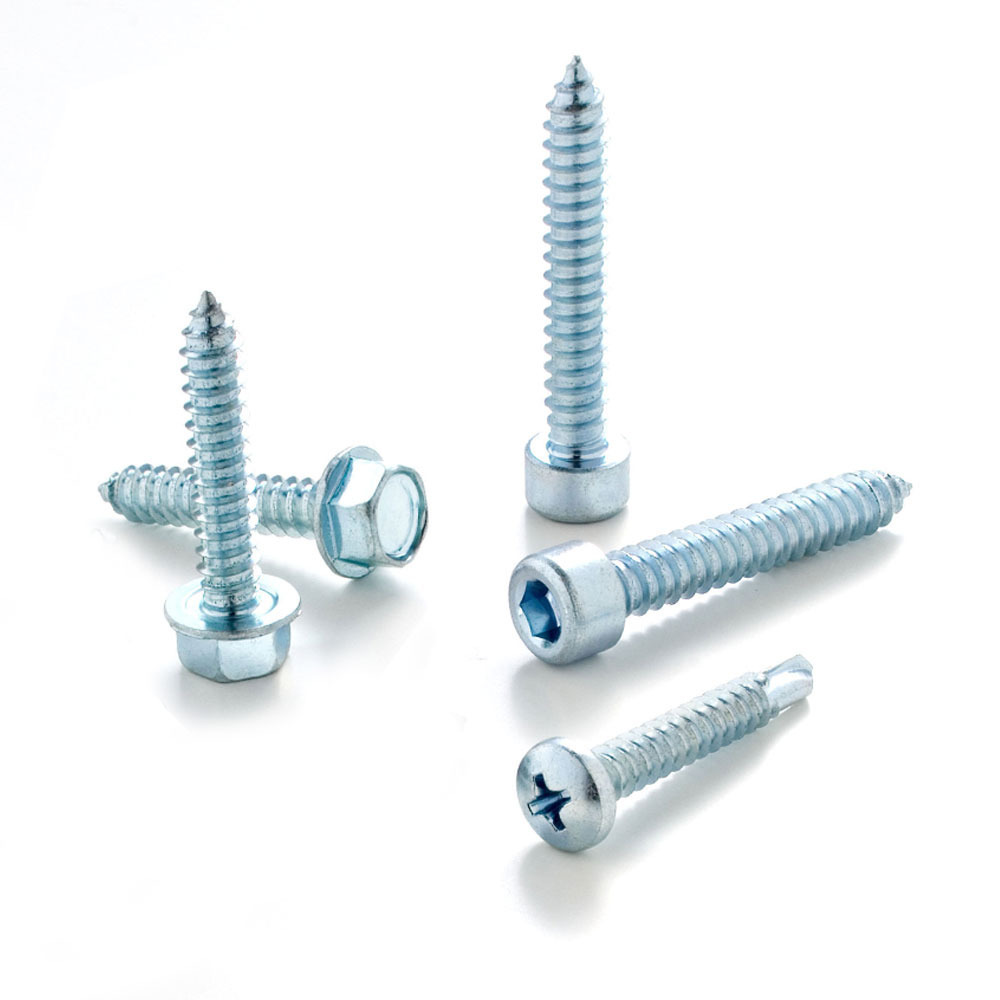
What Is a Self-tapping Screw?
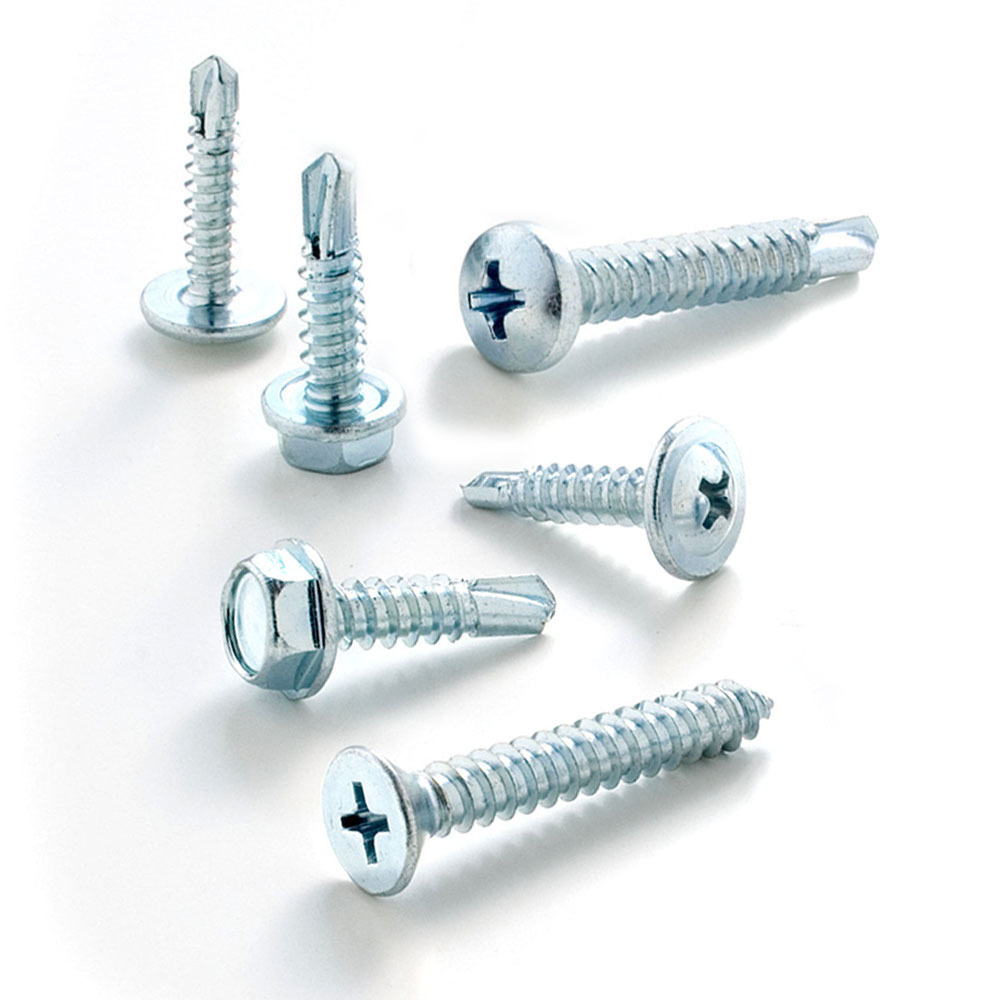
As emphasized at the beginning, the choice of the screw to be used must be made by evaluating the conformation and composition of the elements to be fastened. Even within the class of set screws, it is possible to change the type of element in relation to the purpose of use. The self-tapping screw is a type of stud used in the presence of blind holes and with more ductile materials, like wood or plastics.
Differences Between Set Screw and Self-tapping Screw
The difference between a set screw and a self-tapping screw is found in their application, that is, in the way they fit into the material.
Specifically, the self-tapping screw is inserted into a blind or through-hole and thus is "anchored" within the material where it will be fixed. This way, the screw requires access from only one side and occupies little space. It is not advisable to use it in case of frequent disassemblies, to avoid wearing out the threads of the nut.
In the case of the set screw, it will be inserted into the through-hole from the root side and will then be fastened with a nut from the shank side. The use of this screw is recommended when the drilled material does not support frequent unscrewing. Set screws are therefore used in cases where it is not possible to use types of screws with a protruding head.
For further information on set screws and self-tapping screws, subscribe to our newsletter. You can contact us at commerciale@univiti.it to request a quote!
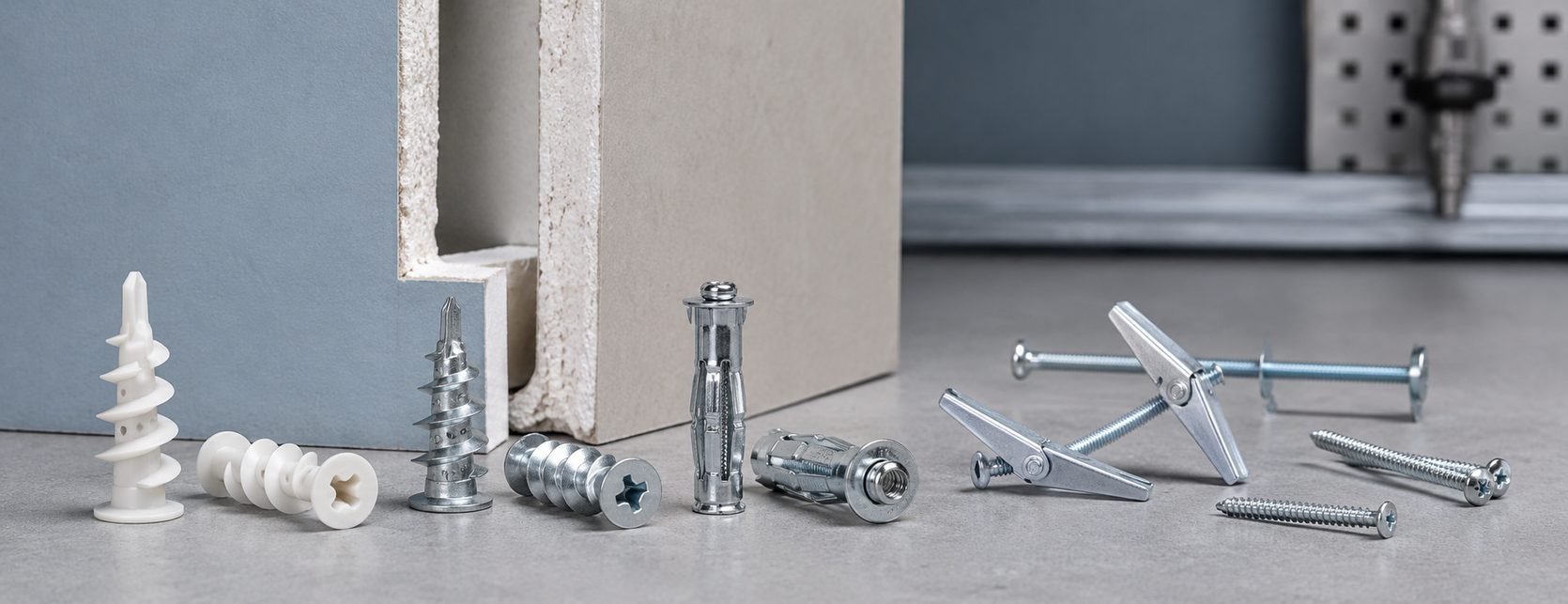
Drywall anchors: types, load capacity, selection criteria and correct installation to identify the most suitable fixing solution for every application....
Industrial automation is now a key factor in improving efficiency, quality, and control in manufacturing processes. By integrating machines, software, and data, companies can make their production more reliable, flexible, and competitive....
Threaded stud bolts are fasteners widely used in industry when it is necessary to ensure strong, reliable and above all time-demountable connections. Unlike traditional screws, they have a specific configuration that makes them particularly suitable ...
Carburizing is a thermochemical treatment that significantly improves steel performance by increasing surface hardness without compromising internal toughness. It is a fundamental solution for components subject to wear, friction and dynamic loads....
Surface treatments of steel are essential to ensure corrosion resistance, durability and reliable performance. Understanding which ones to choose and when to apply them helps you avoid problems, reduce costs, and improve component efficiency....
In the metal fabrication and construction industries, structural connection and reinforcement systems play a fundamental role in ensuring long-term stability and safety. Among these, steel tension rods are a widely used technical solution for absorbi...
The metalworking sector is one of the pillars of modern industry. But what does it actually encompass? What are its categories, and what jobs fall under it? In this article, we provide a clear and comprehensive analysis of one of the most strategic s...
Behind every product that reaches the market lies a complex network of suppliers, production processes, logistics, and distribution. Supply Chain Management was developed precisely to efficiently coordinate all these activities, transforming supply c...
Heat treatment of steel is one of the most important processes for obtaining reliable, resistant metal components suitable for industrial applications. From normalizing to tempering, these processes modify the structure of the material and determine ...
 Added to quote