Lifelines are a fundamental element in the field of workplace safety. They are essential in all contexts where workers are exposed to the risk of falling from height.
Primarily used in construction, industrial environments, and any situation where working at height is necessary, these anchorage mechanisms are designed to ensure maximum safety for those operating in these contexts. Let's explore what lifelines are and their key characteristics.
What Is a Lifeline?
A lifeline is an anchorage system designed to prevent or stop the fall of people working at height. It is a device composed of a series of elements:
steel cables;
anchorages;
connection and tensioning devices.
Its main function is to secure, through a harness, the worker to a safe path, thus limiting the risk of falling. The person can attach their Personal Protective Equipment (PPE) to the taut cable and safely perform their task.
The PPE used to work with lifelines includes:
helmet;
harness;
a set consisting of a lanyard and carabiners that connect the harness to the metal rope;
safety shoes;
gloves and appropriate clothing.
The quality of the materials is a very important element to ensure the effectiveness of these systems.
When Is a Lifeline Needed
Lifelines are used in numerous contexts, mainly in those places where work at height is frequent and presents significant risks of falling. This includes, for example:
roof maintenance;
solar panel installation;
work on scaffolding;
operations in industrial environments like factories or warehouses.
Their presence is crucial to ensure worker safety in compliance with current workplace safety regulations. Since they are applied at the tops of buildings and because they are fall arrest systems, these devices are often called “roof lifelines” or "roof lifelines".
Types of Lifelines
There are different types of lifelines, classified based on their installation and functionality: there are rigid and flexible, or temporary and permanent.
According to the UNI EN 795 standard, we can identify 5 main categories:
Type A lifeline: includes all permanent systems, for example, under-tile hooks or wall-fixing eyebolts;
Type B lifeline: indicates temporary devices, used during the execution of a construction site or other types of work;
Type C lifeline: a safety line found on roofs to which the operator attaches using their PPE; allows the worker to move greater distances without ever detaching from the device;
Type D lifeline: indicates the rigid guide along which a trolley runs, serving as a mobile anchorage point;
Type E lifeline: are weighted anchorage devices.
The materials used for the construction of these safety systems are:
Their presence is essential to ensure the resistance and reliability of the lifeline system.
Lifeline Installation Obligations
The regulations related to lifelines vary from state to state. Generally, legislation requires the installation of these elements in all workplaces where there is a risk of falling from height. It is important that lifelines are designed following strict standards and that they undergo regular checks and maintenance. Regulations are fundamental to ensure the effectiveness and safety over time of the lifeline mechanisms.
In Italy, based on the Unified Text on workplace safety (D.L. 81/2008), installing a lifeline is mandatory if the roof of a house or an industrial shed becomes a workplace: if interventions of various kinds are carried out on the roofs (remediation, installation or maintenance of photovoltaic systems, interventions on antennas and dishes) the regulations impose the use of lifelines.
Each territory has different checks, but generally, the regulations on lifelines require the following documentation:
layout of the fall protection system;
report on design choices and indication of the type of anchorage points chosen;
certifications of fall protection devices and manufacturer's certificate on materials;
statement on the correct installation of safety components;
verification of the structure's capacity to bear the loads transmitted by the fall protection components.
Finally, it is necessary to consider that there are specific regional regulations that provide additional obligations and to which reference must be made.
Want to know more about lifelines? Subscribe to our newsletter.
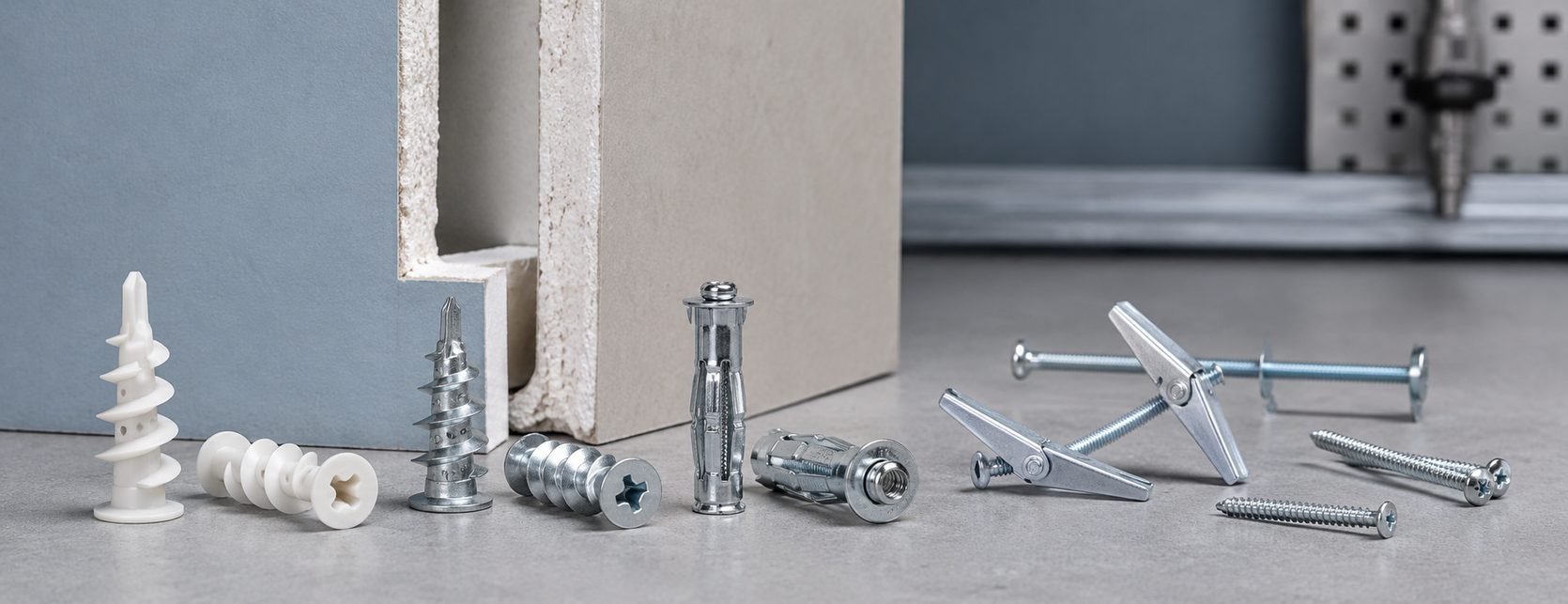
Drywall anchors: types, load capacity, selection criteria and correct installation to identify the most suitable fixing solution for every application....
Industrial automation is now a key factor in improving efficiency, quality, and control in manufacturing processes. By integrating machines, software, and data, companies can make their production more reliable, flexible, and competitive....
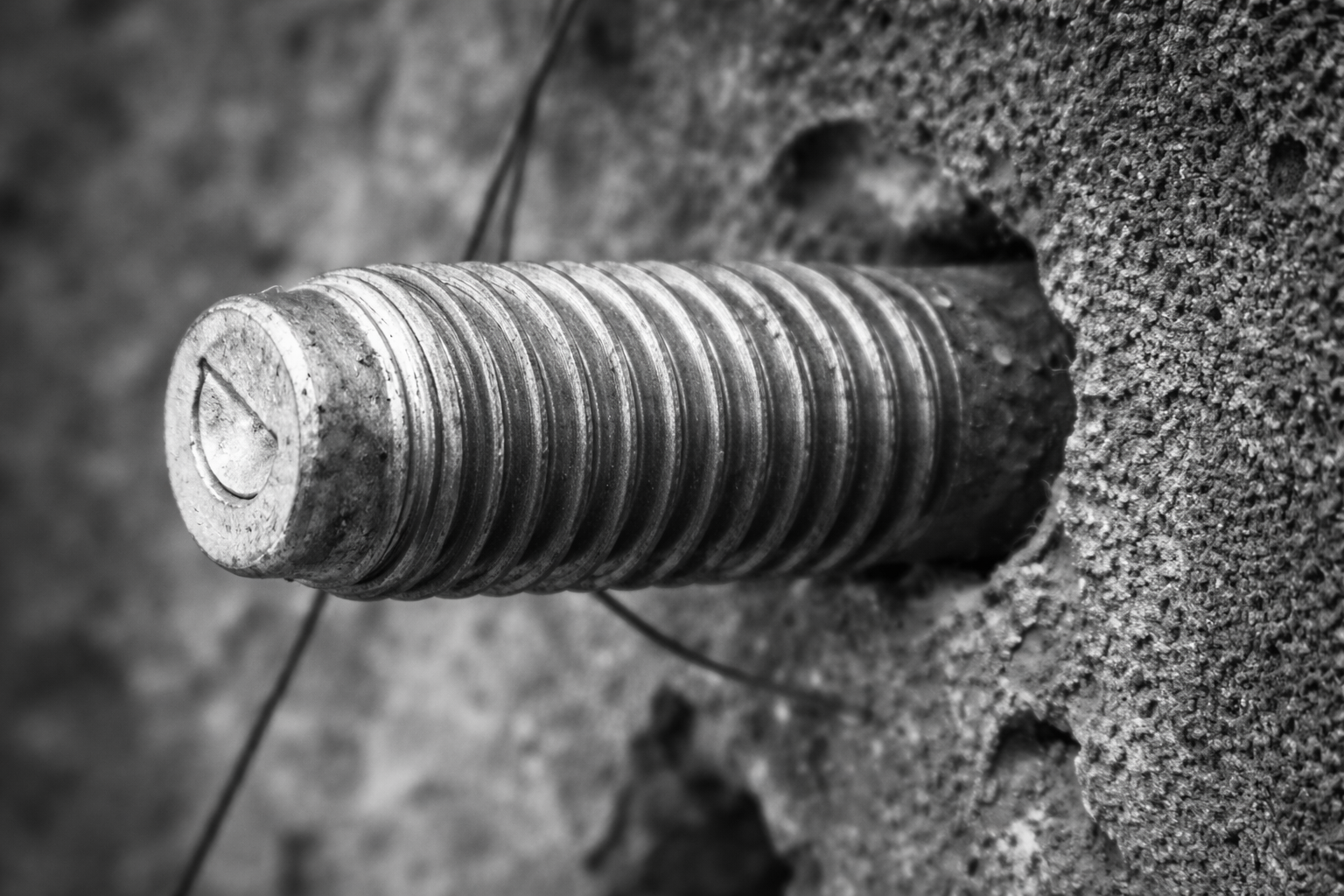
Threaded stud bolts are fasteners widely used in industry when it is necessary to ensure strong, reliable and above all time-demountable connections. Unlike traditional screws, they have a specific configuration that makes them particularly suitable ...
Carburizing is a thermochemical treatment that significantly improves steel performance by increasing surface hardness without compromising internal toughness. It is a fundamental solution for components subject to wear, friction and dynamic loads....
Surface treatments of steel are essential to ensure corrosion resistance, durability and reliable performance. Understanding which ones to choose and when to apply them helps you avoid problems, reduce costs, and improve component efficiency....
In the metal fabrication and construction industries, structural connection and reinforcement systems play a fundamental role in ensuring long-term stability and safety. Among these, steel tension rods are a widely used technical solution for absorbi...
The metalworking sector is one of the pillars of modern industry. But what does it actually encompass? What are its categories, and what jobs fall under it? In this article, we provide a clear and comprehensive analysis of one of the most strategic s...
Behind every product that reaches the market lies a complex network of suppliers, production processes, logistics, and distribution. Supply Chain Management was developed precisely to efficiently coordinate all these activities, transforming supply c...
Heat treatment of steel is one of the most important processes for obtaining reliable, resistant metal components suitable for industrial applications. From normalizing to tempering, these processes modify the structure of the material and determine ...
 Added to quote