Green Building: What It Is and What Materials Are Used
Green building is a discipline within the construction field that is based on the respect for environmental sustainability principles. In this article, we will delve into the details of this technique, aimed at reducing the negative impacts of construction on the environment; we will describe the suitable materials for green building homes and then evaluate the pros and cons compared to more traditional construction techniques.
Definition of Green Building
The term green building, or bio-architecture, refers to the design, construction, renovation, or conversion of a building in a more ecological and sustainable way. Building according to the principles of green building means integrating the use of natural materials with more classical construction techniques, aiming to reduce the energy impact of the building element.
As a discipline, this construction technique is founded on clear and well-defined principles:
Integrated approach: understood as the need for all actors to be competent in the subject (from the architect to the builder) and to know the possible solutions and techniques;
Consideration of geographical constraints: green building constructions must take into account and respect the land and landscape where they will be built. They must therefore be compatible with them;
Choice of materials: through a careful selection of materials, it is necessary to avoid or reduce thermal bridges. Floors, walls, and roofs can indeed be constructed by seeking to optimize acoustic impact, durability, and general energy performance;
Energy performance: thanks to the installation of plants or sources of clean and renewable energy, it is possible to significantly meet the energy needs and related consumption of the building in light of reducing its environmental impact;
Health and comfort of the inhabitants: a building constructed according to the criteria of green building will be able to satisfy the thermal, acoustic, visual, and hygrothermal well-being of those who live in it, ensuring a good quality of life and protection from electromagnetic fields and humidity.
What Materials Are Used in Green Building?
As mentioned in the previous paragraph, the choice of materials in green building is fundamental. Given the limited availability of natural resources and, above all, their non-exhaustibility, experts in the field prefer renewable eco-materials that do not produce excessive waste and are not toxic to humans. Among the most favored materials, we remember:
Wood;
Straw;
Cork;
Gypsum;
Hemp;
Jute;
Bamboo;
Expanded clay and lime;
Natural origin paints.
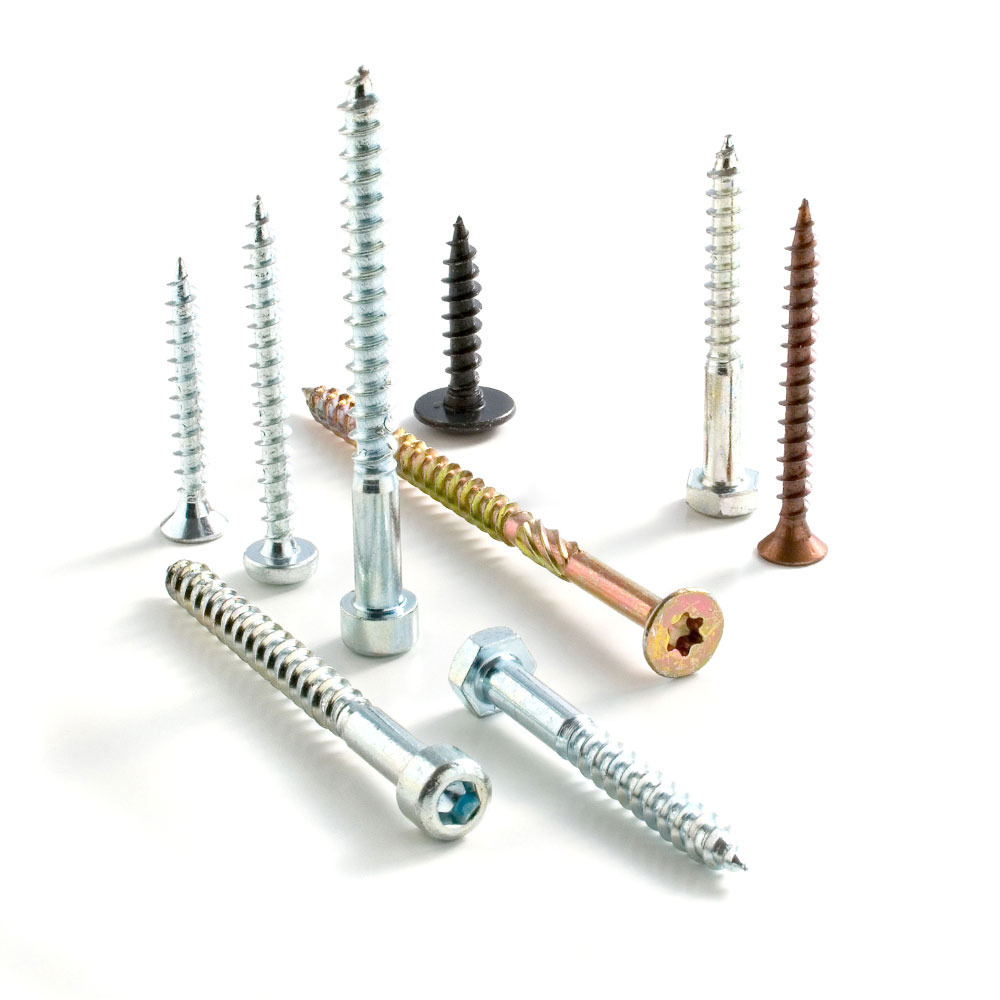
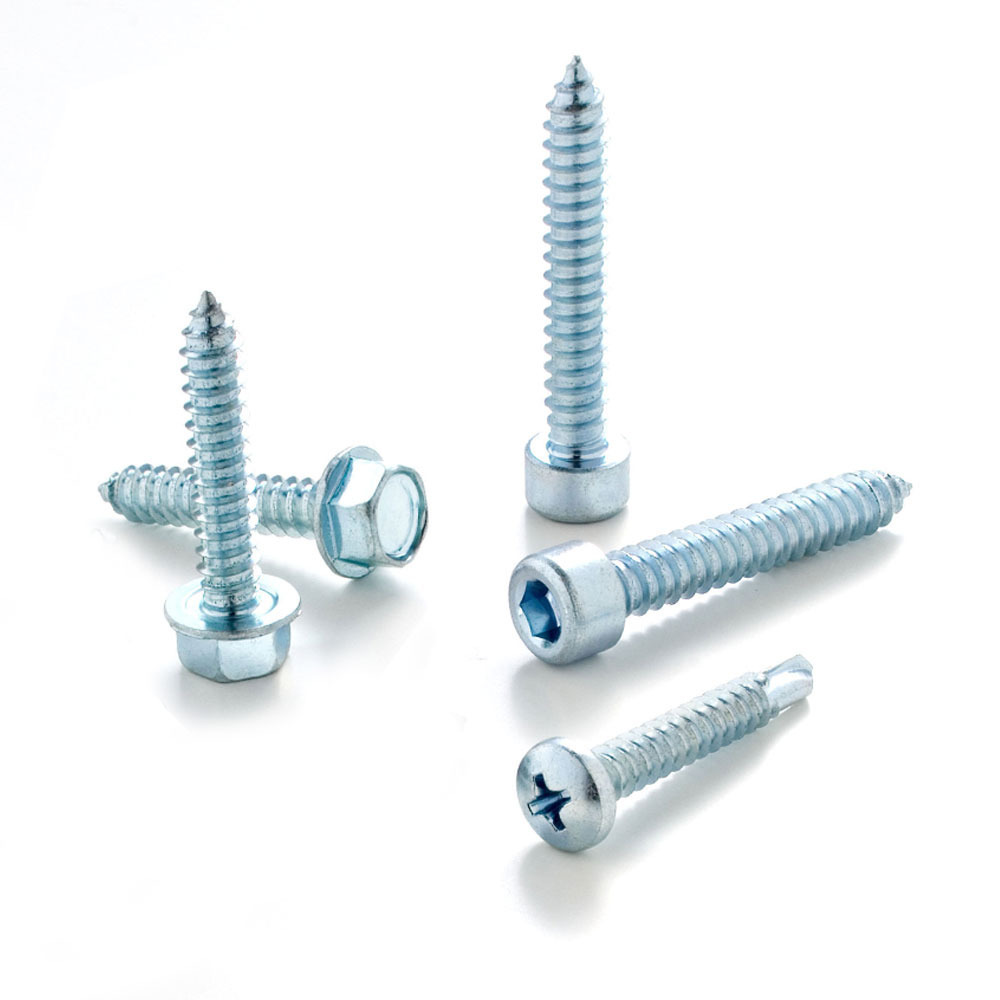
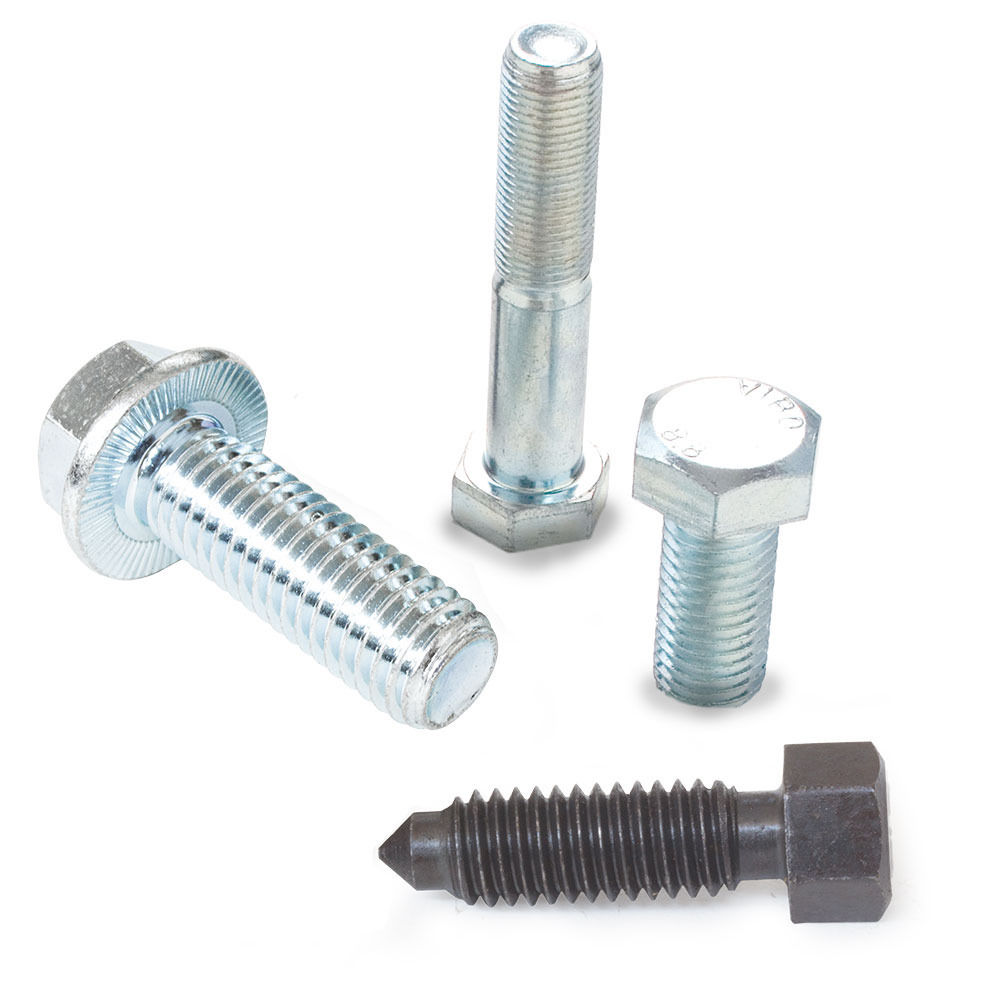
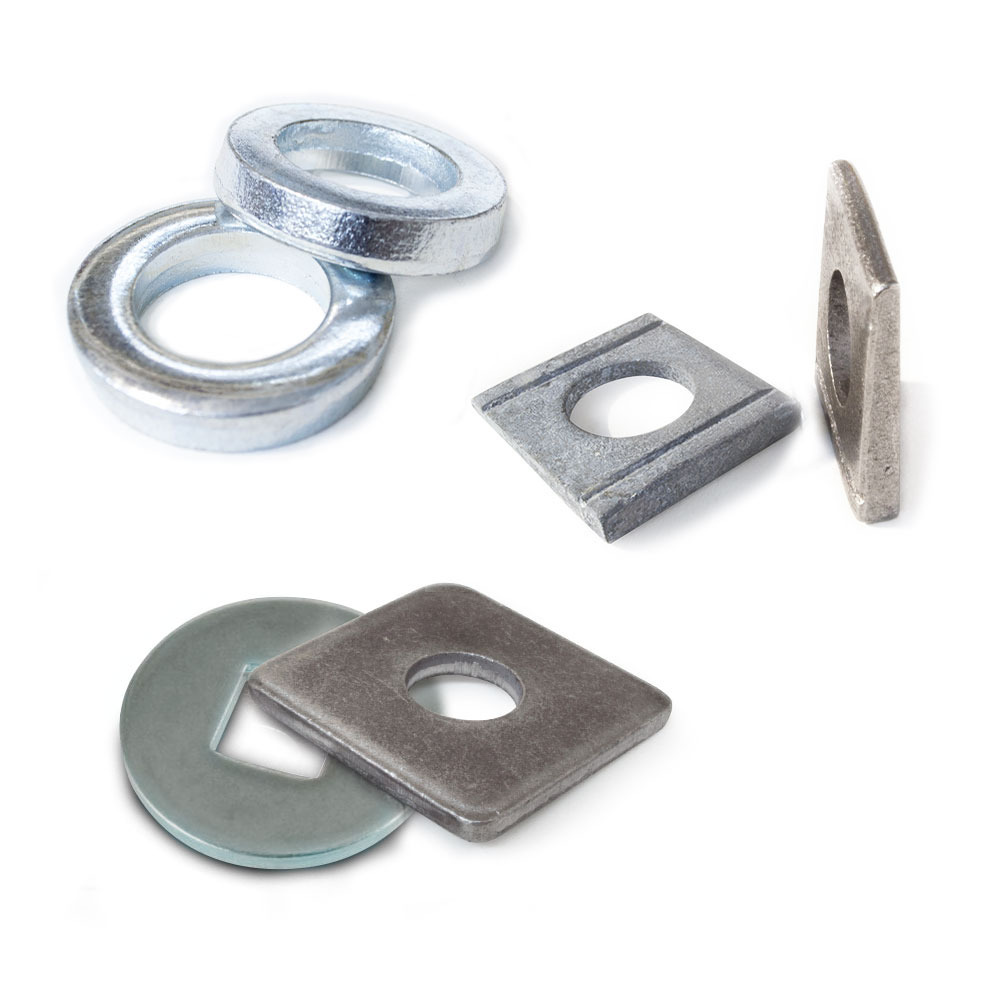
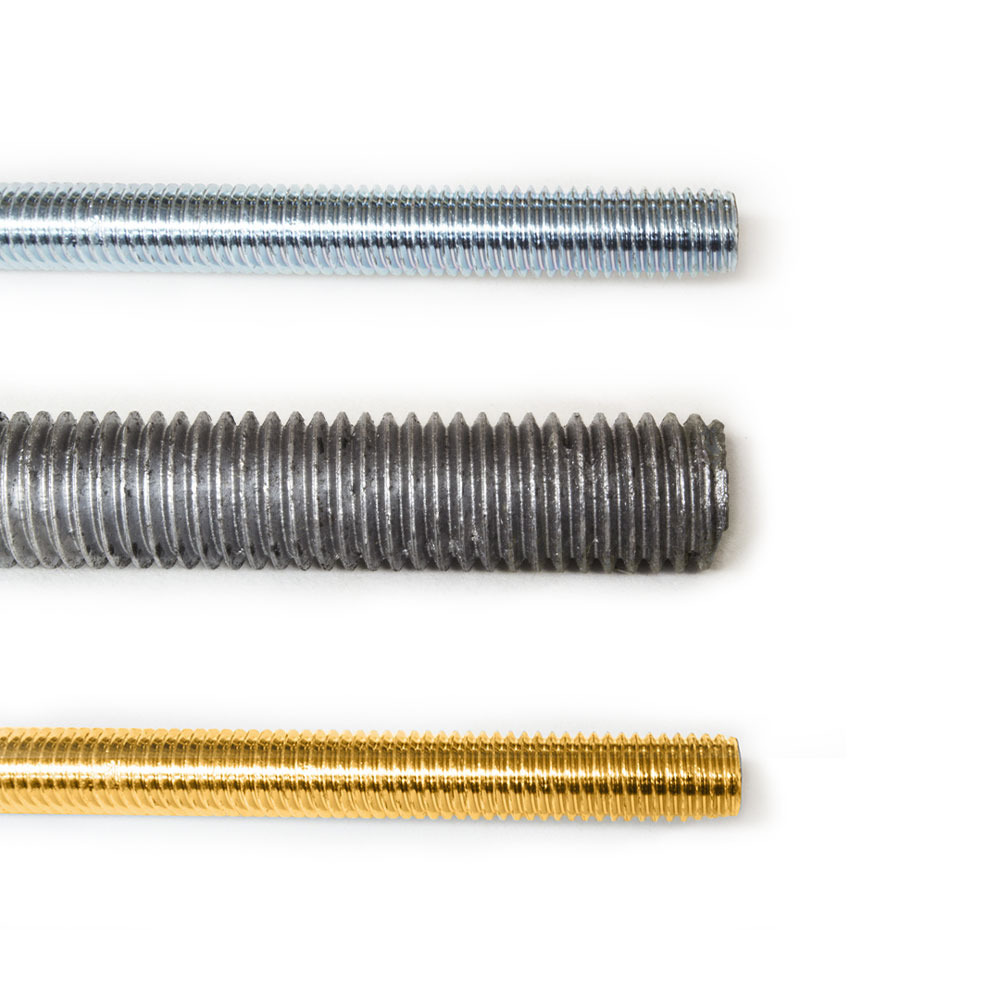
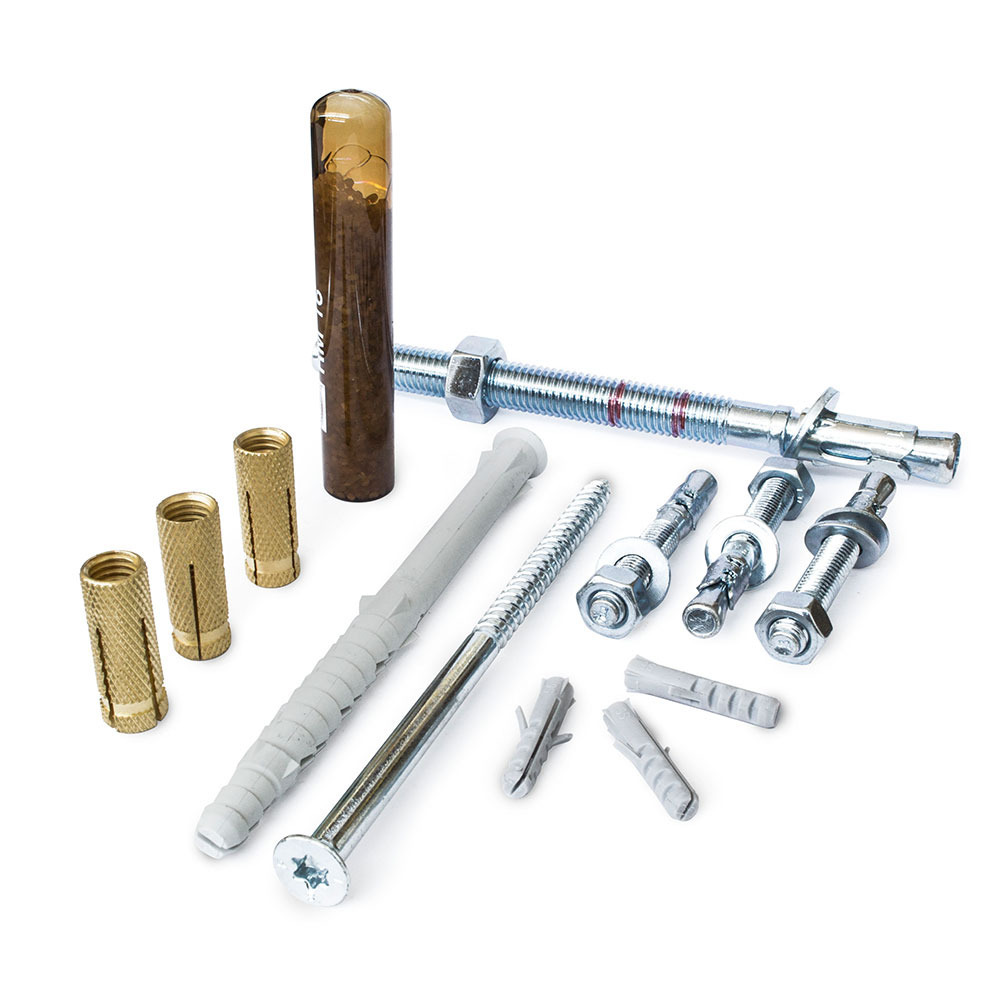
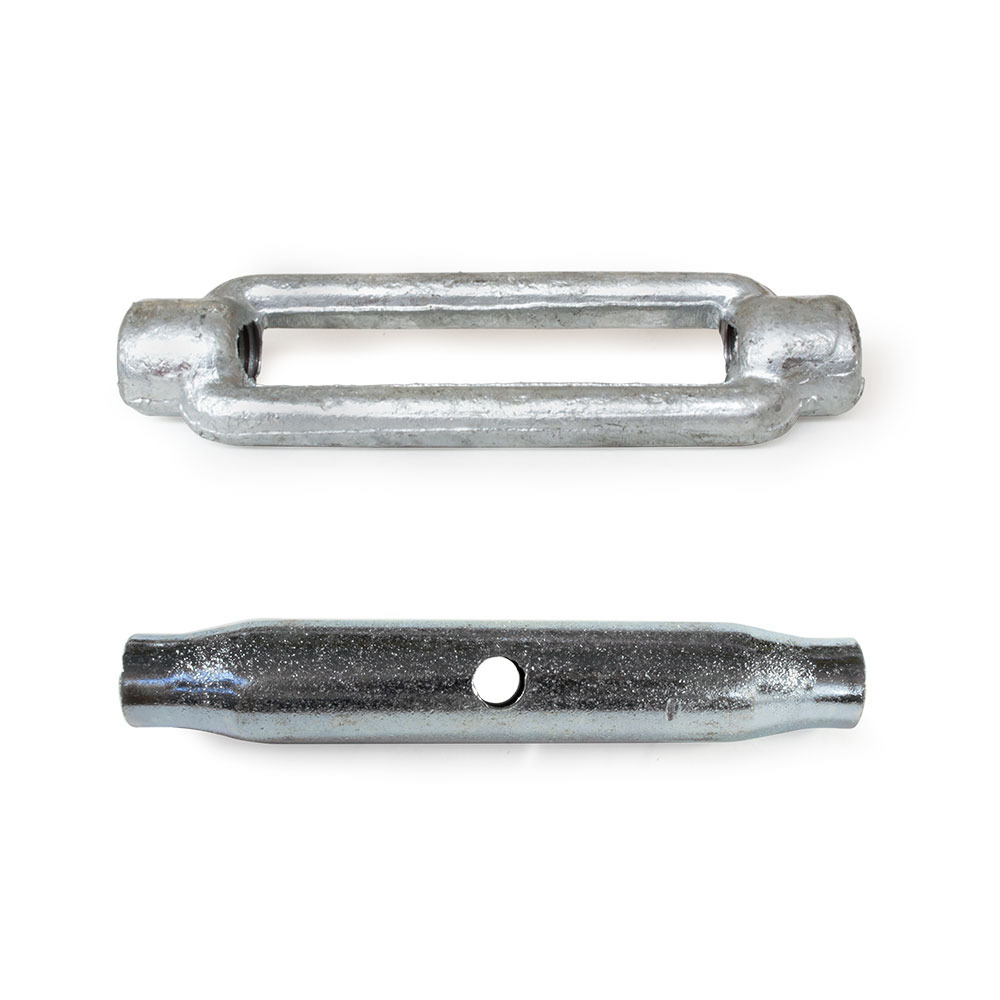
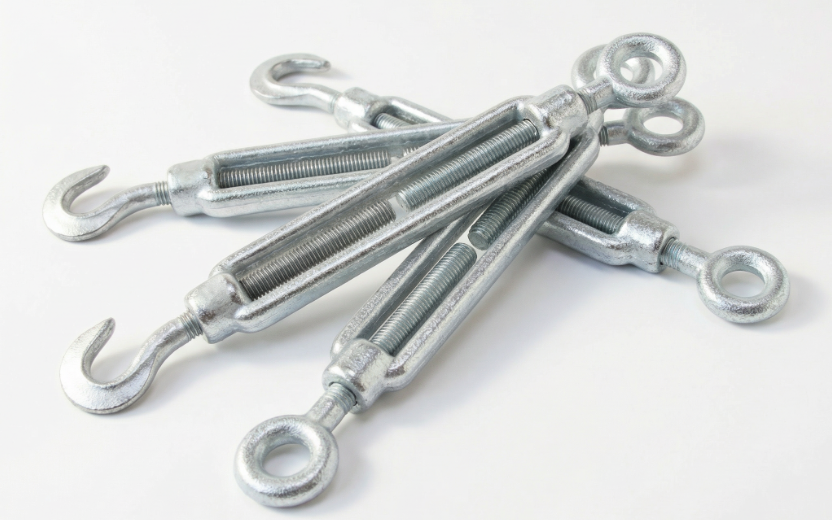
For each material, the use of specific fastening elements is necessary. For example, for prefabricated eco-friendly wooden houses that generally have the structure in this material, it is possible to use:
At this point, it seems useful and necessary to dedicate a small in-depth study to the pros and cons of green building. Specifically, as far as advantages are concerned, we can talk about:
Energy and water savings;
Better air and water quality;
Zero impact on the environment;
Incentives and tax deductions.
Linked to this last advantage, we can instead talk about what is the downside of green building and, therefore, its disadvantages. Indeed, this technique has still very high construction costs. Although these are recovered over the years, precisely thanks to deductions and incentives, they represent a big initial obstacle. However, given the changes in recent years, it is hopeful and predictable that such difficulties will be increasingly overcome in the future.
Examples of Green Building Constructions
Bio-architecture projects are not, therefore, stand-alone. Often, in fact, the final result is buildings constructed in cities or urbanized areas that make the city and human settlements more inclusive, safe, lasting, and sustainable.
Among the examples of sustainable buildings, probably more known and common, we can include:
Wood houses: high technical level and certified structures, built directly on-site;
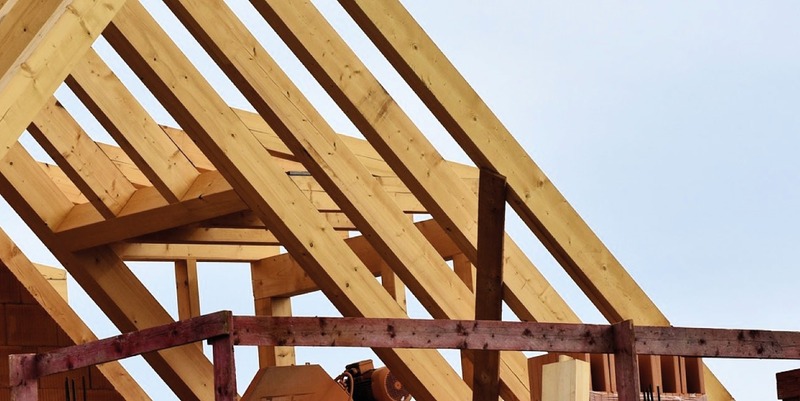
Prefabricated wood houses: structures made inside a production plant and, subsequently, transported to the construction site.The movement of the load-bearing structure (walls, floors, stairwells, or elevators) takes place on-site only when the foundation slab is ready.
Thanks to studies and ad hoc designs, in both cases, the final results are structures that combine craftsmanship and the avant-garde of the latest energy solutions ensuring low energy consumption, high standards of living comfort, and thus, respect for the environment and man.
For further information on the materials and products used in green building, subscribe to our newsletter.
Industrial automation is now a key factor in improving efficiency, quality, and control in manufacturing processes. By integrating machines, software, and data, companies can make their production more reliable, flexible, and competitive....
Threaded stud bolts are fasteners widely used in industry when it is necessary to ensure strong, reliable and above all time-demountable connections. Unlike traditional screws, they have a specific configuration that makes them particularly suitable ...
Carburizing is a thermochemical treatment that significantly improves steel performance by increasing surface hardness without compromising internal toughness. It is a fundamental solution for components subject to wear, friction and dynamic loads....
Surface treatments of steel are essential to ensure corrosion resistance, durability and reliable performance. Understanding which ones to choose and when to apply them helps you avoid problems, reduce costs, and improve component efficiency....
In the metal fabrication and construction industries, structural connection and reinforcement systems play a fundamental role in ensuring long-term stability and safety. Among these, steel tension rods are a widely used technical solution for absorbi...
The metalworking sector is one of the pillars of modern industry. But what does it actually encompass? What are its categories, and what jobs fall under it? In this article, we provide a clear and comprehensive analysis of one of the most strategic s...
Behind every product that reaches the market lies a complex network of suppliers, production processes, logistics, and distribution. Supply Chain Management was developed precisely to efficiently coordinate all these activities, transforming supply c...
Heat treatment of steel is one of the most important processes for obtaining reliable, resistant metal components suitable for industrial applications. From normalizing to tempering, these processes modify the structure of the material and determine ...
The seven principles of quality form the basis of ISO management systems and, in particular, the ISO 9001 standard. Understanding them means understanding how organizations can improve processes, decisions, and relationships to ensure quality and lon...
The Machinery Directive 2006/42/EC is one of the pillars of European industrial safety and defines the essential requirements that a machine must comply with to be placed on the Union market. It is not a simple formal fulfillment, but a system of res...
 Added to quote