Galvanizing is a process through which a zinc coating is applied to a metal artifact, generally made of steel. This process is used to protect the item from corrosion. We have already covered different types of galvanization in previous articles. In this article, however, we want to focus on black galvanization and all its characteristics.
Black Galvanization: What Is It?
The term galvanization describes an industrial mechanism that serves to protect metals from galvanic corrosion, when two materials or two parts of the same material are exposed to different conditions and are placed in direct contact with each other, in the presence of a third element on both (the electrolyte). The zinc coating thus serves to ensure that, in case of breaks or porosity of the protective surface, it will be the latter to be affected and not the metal object. Among the different types of such processes, particular attention can be paid to staticelectrolytic galvanization. In static galvanization, the metal pieces are hung on frames supported by bars. These bars are moved by an overhead crane while the pieces remain fixed.
During this industrial process, several preparation phases are carried out:
Washing
Degreasing
Pickling.
Subsequently, zinc is deposited on the metal object through a processing cycle defined as "passivation". Depending on whether the deposited zinc layer is chrome, basalt, or silicon, the finished piece acquires a different color:
White galvanization
Yellow galvanization
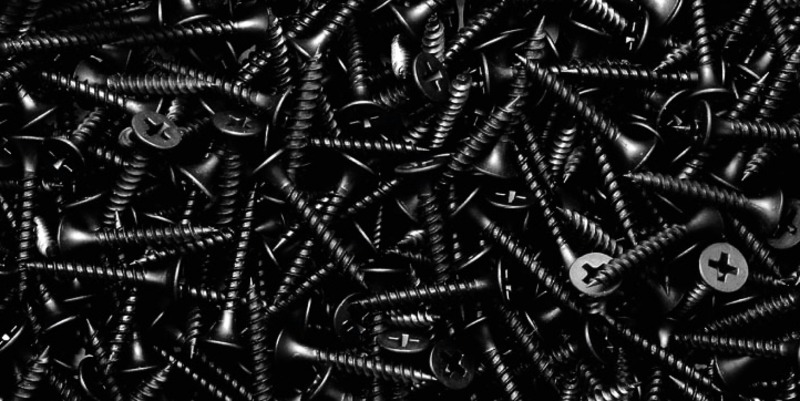
Black galvanization
The black electrolytic galvanization process results in the black coloring of the metal. This result is obtained through black passivation combined with a sealing step that further improves the aesthetic appearance and corrosion resistance.
These types of screws are widely used in sectors such as window and door frames, furniture construction, mechanical constructions, joinery, and in the automation sector, albeit to a lesser extent.
It is important to specify that not all products belonging to the family of self-tapping and self-drilling screws are available with this treatment, and it is advisable to specify during the request and/or offer phase.
How is cold galvanization carried out?
Unlike hot-dip galvanization, which is used for its higher material protection capacity from corrosion, cold and thus black galvanization is mainly used for aesthetic purposes of the products.
The cold galvanization process is also called metallization and involves applying a resin-based zinc layer to the metals. It is, therefore, a real painting process that requires several processing phases.
Yellow Galvanization and White Galvanization
As already anticipated in the previous paragraphs, the layer of zinc salts applied to the metal determines its coloring. Indeed, besides black galvanization, it is also possible to obtain lighter colors, such as yellow and white. But what is the difference between yellow and white galvanization?
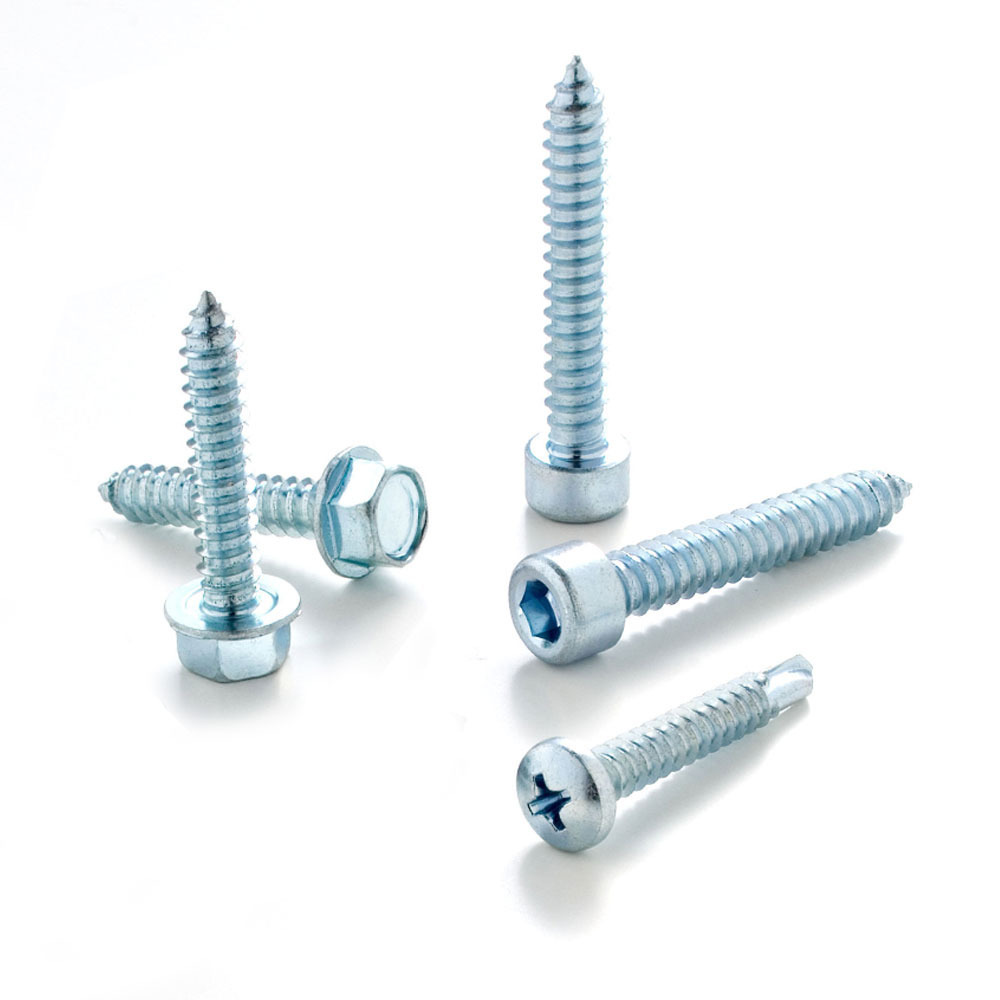
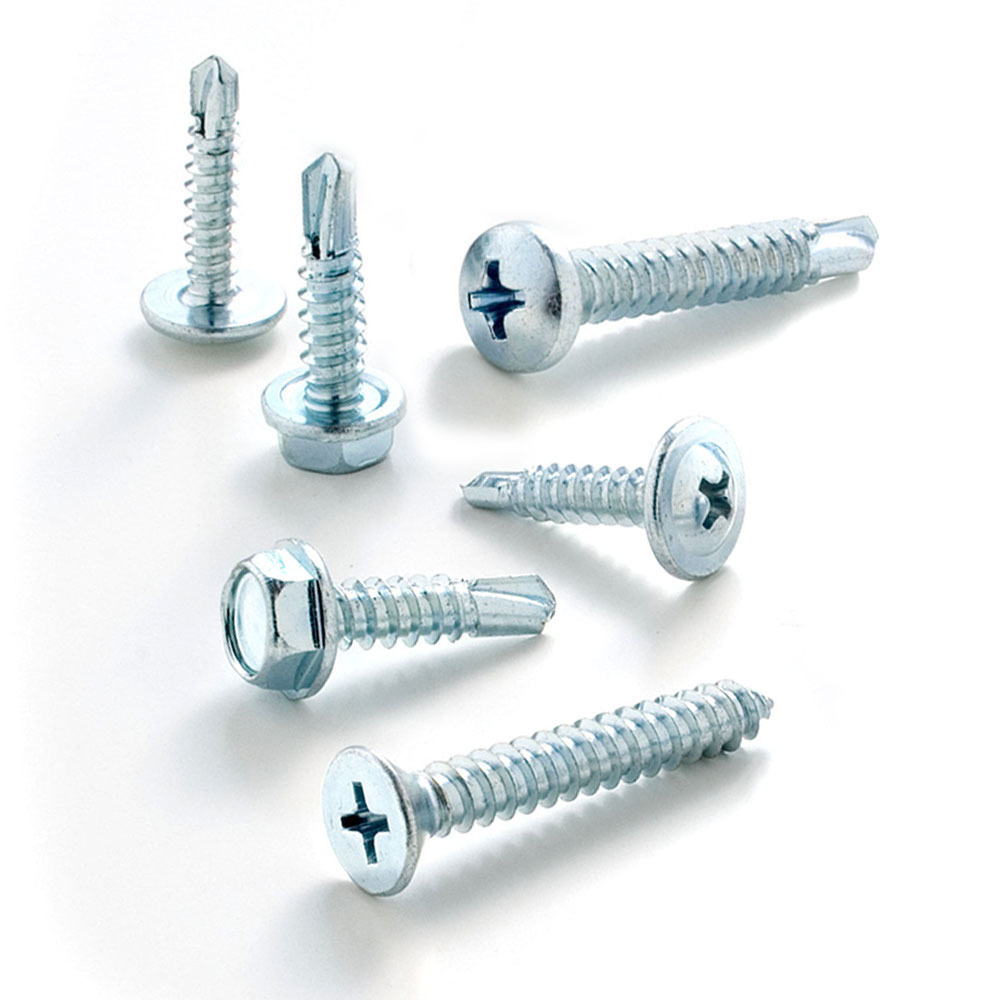
White galvanization is the process by which the object acquires an almost bluish color appearance. This passivation gives the material good corrosion resistance. The categories with white galvanized products are: high and low resistance hardware, nuts, washers, self-drilling screws, and lifting accessories.
Yellow galvanization, also known as tropical, is that process of yellow passivation that gives the material excellent corrosion resistance. This processing allows for greater resistance to salt fog as well, an accelerated corrosion test that produces a corrosive attack and measures the suitability of the protective coating.
Among all the products subject to galvanization, there are some types of self-tapping screws (for example, screws for wood) that can be found both white and yellow galvanized, depending on the purpose of use and the consumer's need.
Given the wide use of these types of products, we refer to a rich and comprehensive assortment of screws and bolts with white or yellow galvanization.
Sectors of Use
Static galvanization and thus white, yellow, and black galvanization is used in various merchandise sectors working with metals. Among these, for example:
Production and installation of frames;
Furniture sector;
Special mechanical processing.
Galvanization is, therefore, a process that, applied to metals or metal alloys, improves their appearance, durability over time, corrosion resistance, and brings numerous advantages, well listed in a previous article.
Specifically, as for black galvanization, the main disadvantage is the poor transmission to the material of corrosion resistance properties. This passivation, however, gives the object a particularly shiny appearance.
To receive all the useful information on this type of process, subscribe to our newsletter!
Metal sandblasting applied to small metal components: surface preparation, process control and its role in coatings for screws, bolts and threaded parts....
Technical guide to choosing anchors and bolts for air conditioner installation: substrate, bracket, anchoring, vibration, corrosion and proper tightening....
Drywall anchors: types, load capacity, selection criteria and correct installation to identify the most suitable fixing solution for every application....
Industrial automation is now a key factor in improving efficiency, quality, and control in manufacturing processes. By integrating machines, software, and data, companies can make their production more reliable, flexible, and competitive....
Threaded stud bolts are fasteners widely used in industry when it is necessary to ensure strong, reliable and above all time-demountable connections. Unlike traditional screws, they have a specific configuration that makes them particularly suitable ...
Carburizing is a thermochemical treatment that significantly improves steel performance by increasing surface hardness without compromising internal toughness. It is a fundamental solution for components subject to wear, friction and dynamic loads....
Surface treatments of steel are essential to ensure corrosion resistance, durability and reliable performance. Understanding which ones to choose and when to apply them helps you avoid problems, reduce costs, and improve component efficiency....
 Added to quote