Composed of iron, nickel, chrome, and molybdenum, stainless steel – also known as inox – is among the most widespread and requested materials in the industry and in the production of screws and bolts. The reason for its popularity is linked to the special characteristics of this material, particularly resistant to corrosion by nature. In fact, although stainless steel can also deteriorate if in contact with other materials or with the external environment, corrosion can be prevented or slowed down thanks to some treatments like phosphating and passivation.
In this article, we will focus on understanding better how the passivation of steel works and what the passivation treatment is for.
How does passivation work?
Passivation is a chemical treatment carried out on metallic materials, especially on steels, to remove contaminants and form a protective oxide film capable of preventing or slowing down the damage to the materials.
Stainless steel represents a particular case. By its nature, in fact, stainless steel subjected to pickling is capable of self-protection and, therefore, of restoring the protective oxide film when it is deteriorated. This self-passivation mechanism, however, requires very long times, and it is for this reason that manufacturers resort to the passivation of inox.
The passivation of steel is therefore a treatment that serves to maximize the material's resistance to corrosion, in faster times compared to the alloy's autonomous mechanism.
To understand the importance of this treatment, it is useful to underline that for a material not to corrode, it must not come into contact with contaminating agents (example sulfur, chlorides, metal powders, etc.) before the formation of the passivating layer. Respecting these conditions in work and industrial environments is, to say the least, impossible. This means that the passivation of inox is essential to obtain high-quality materials, resistant to time and corrosive agents, quickly. Among the advantages of this treatment are:
Greater and better resistance to corrosion;
Longer product life;
Uniform and smooth appearance of the product.
Like all treatments, even passivation must be performed correctly to avoid undesired effects on the surface. To obtain effective products, it is necessary to proceed following two main phases:
Surface cleaning: basic cleaning is fundamental. If not carried out, the dirt and contaminated grease react with the acid and form gas bubbles. In the worst cases, a poor or missed initial cleaning can return strongly acidated and dark products.
Immersion of the product in the acid bath: following a thorough cleaning of the element, it proceeds with immersion in an acid bath. Depending on the type of steel and the desired result, the acid solution can vary. Generally, the bath is carried out in nitric acid but can also occur in citric acid or even in nitric acid and sodium bichromate.
The treatment occurs through immersion but can also be performed using gel or liquid spray, in accordance with ASTM A480 and ASTM 967 standards that indicate the specific standards for chemical passivation treatments.
Why Passivate Steel
By this point, it will be clear that passivation is a natural process that, however, can be accelerated and perfected. Indeed, to passivate steel means to make the material protected and free of contaminations. Through this treatment, stainless steel maintains its original characteristics that risk weakening when a product, untreated, is worked and comes into contact with dirt, particles, or residues which, consequently, affect its resistance to corrosion.
As mentioned in the previous paragraph example, it is very difficult to avoid that the material gets contaminated because the particles that deteriorate it are often invisible to the naked eye. This is why, by resorting to specific treatments for stainless steel like passivation, the material's surface will be clean and improved.
Pickling and Passivation
To provide correct and complete information, it is useful to underline that stainless steels can only be passivated after the surface has been perfectly cleaned through pickling.
It's important not to confuse the two treatments:
Pickling is a preparatory process for subsequent applications and is usually carried out using chemical agents;
Passivation is a process that does not clean the surfaces – as pickling does – but optimizes their resistance to corrosion.
For further information about the treatment and passivated products, subscribe to our newsletter.
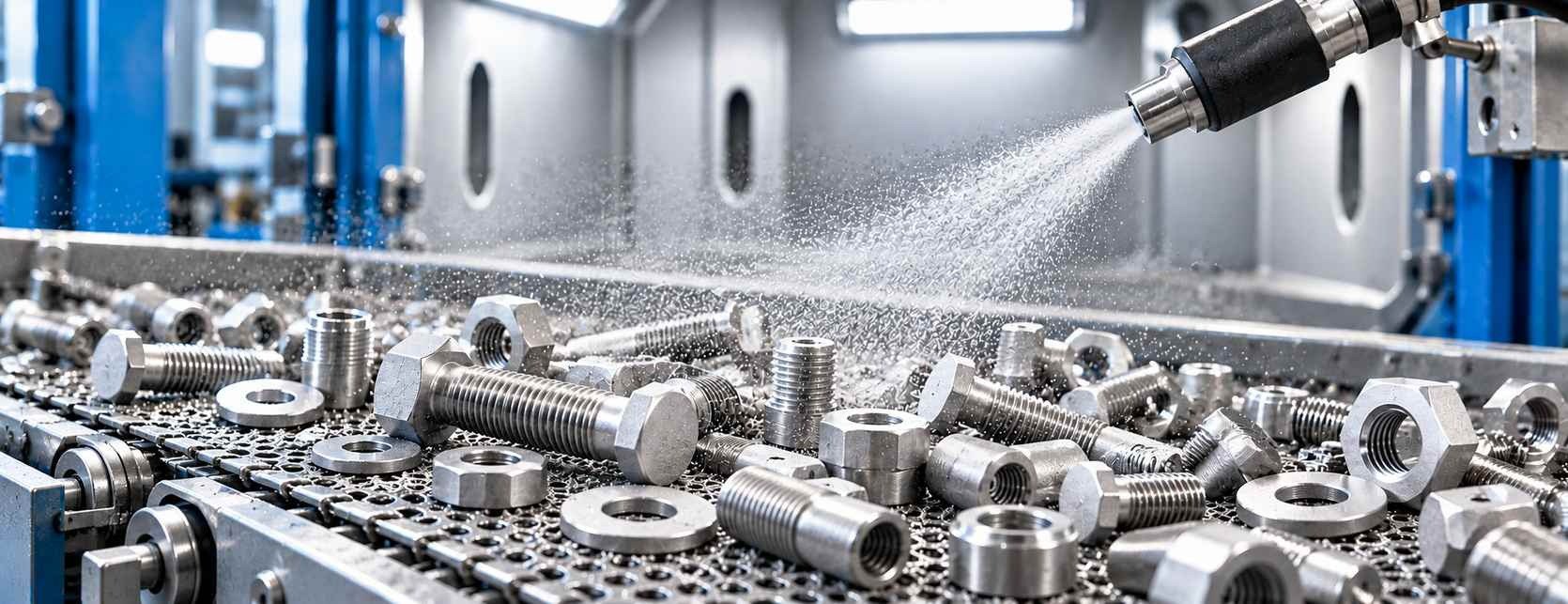
Metal sandblasting applied to small metal components: surface preparation, process control and its role in coatings for screws, bolts and threaded parts....
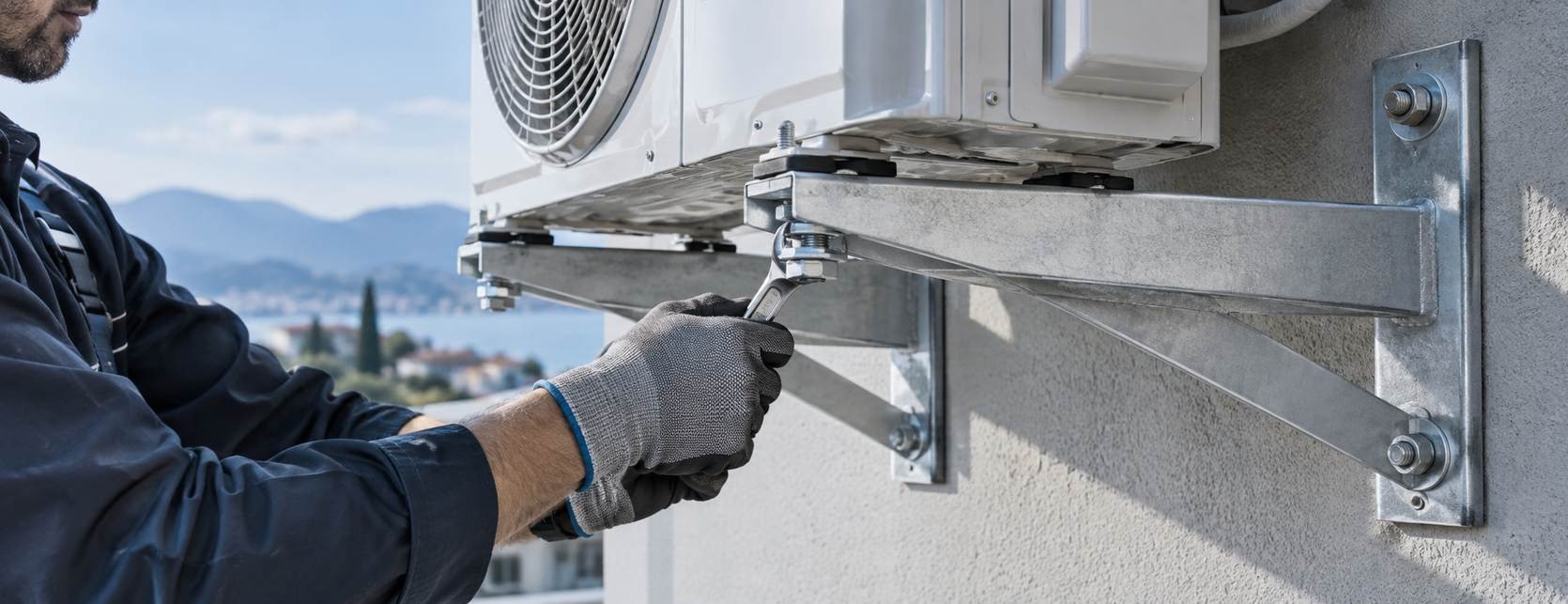
Technical guide to choosing anchors and bolts for air conditioner installation: substrate, bracket, anchoring, vibration, corrosion and proper tightening....
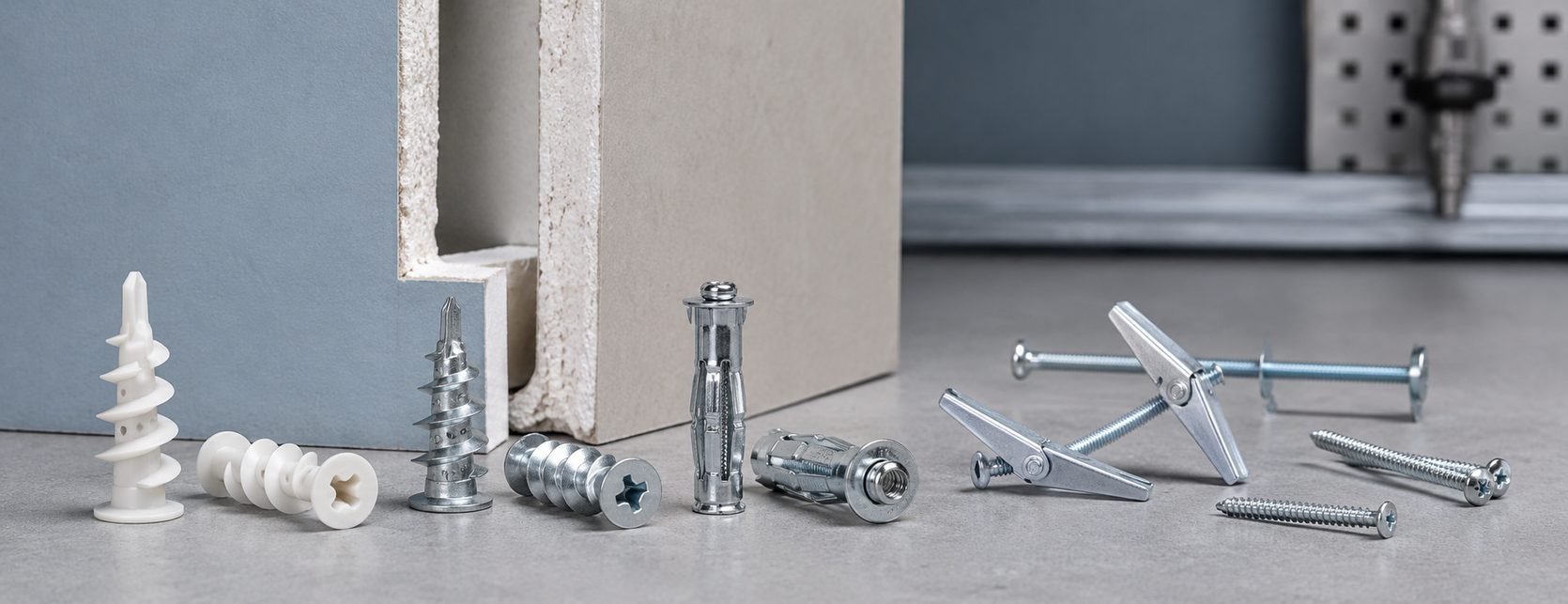
Drywall anchors: types, load capacity, selection criteria and correct installation to identify the most suitable fixing solution for every application....
Industrial automation is now a key factor in improving efficiency, quality, and control in manufacturing processes. By integrating machines, software, and data, companies can make their production more reliable, flexible, and competitive....
Threaded stud bolts are fasteners widely used in industry when it is necessary to ensure strong, reliable and above all time-demountable connections. Unlike traditional screws, they have a specific configuration that makes them particularly suitable ...
Carburizing is a thermochemical treatment that significantly improves steel performance by increasing surface hardness without compromising internal toughness. It is a fundamental solution for components subject to wear, friction and dynamic loads....
Surface treatments of steel are essential to ensure corrosion resistance, durability and reliable performance. Understanding which ones to choose and when to apply them helps you avoid problems, reduce costs, and improve component efficiency....
In the metal fabrication and construction industries, structural connection and reinforcement systems play a fundamental role in ensuring long-term stability and safety. Among these, steel tension rods are a widely used technical solution for absorbi...
The metalworking sector is one of the pillars of modern industry. But what does it actually encompass? What are its categories, and what jobs fall under it? In this article, we provide a clear and comprehensive analysis of one of the most strategic s...
Behind every product that reaches the market lies a complex network of suppliers, production processes, logistics, and distribution. Supply Chain Management was developed precisely to efficiently coordinate all these activities, transforming supply c...
 Added to quote