Corrugated sheet metal, a building element always used for industrial buildings and structures, has in recent years also conquered residential construction. This is thanks to its strength and versatility, which allow this component to be used both during the construction phase and in interior design.
But what is corrugated sheet metal, and what are the reasons for its success? Let’s find out below.
Corrugated Sheet Metal: What It Is and What It’s For
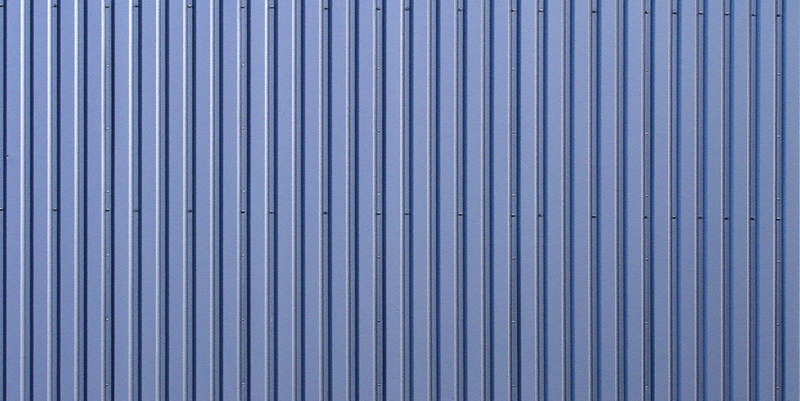
Corrugated sheet metal gets its name from the typical "Greek" corrugated profile that characterizes it. It is a corrugated metal sheet with high mechanical resistance but at the same time lightness: thanks to its structure, the weight that rests on the sheet is evenly distributed over the entire surface, thus maximizing the load that the sheet can bear.
For this reason, it is highly appreciated in the construction field and in the carpentry sector: it is a simple, effective, and economical solution for creating resistant and durable coverings.
The main uses of corrugated sheets are for the following structures:
Roofs and coverings, especially for industrial sheds;
Large span floors and structural floors;
False ceilings;
Facade claddings.
The range of applications is therefore very broad and covers both the industrial and civil sectors.
How Thick Is Corrugated Sheet Metal?
Thickness is one of the characteristic elements of corrugated sheet metal. It is a very variable characteristic, which can range from 0.5 mm to 1.5 mm: how to choose the sheet with the right thickness?
To make the correct choice, it is necessary to consider the intended use of this structural element: the construction context and the specific needs of the project must guide the decisions, in order to ensurethe best resistance and durability of the structures.
For example, the coverings of residential buildings made of corrugated sheet metal require a lower thickness compared to the load-bearing sheets of industrial or commercial buildings, which are meant to withstand greater loads. As for facade claddings, on the other hand, there are no substantial differences; however, another factor to consider is the material from which the sheets are made.
What Materials Is Corrugated Sheet Metal Made Of?
Corrugated sheets are made from laminates of various metals.
The main materials used are:
Steel – preferred for permanent installations, thanks to its resistance over time and its longevity;
Copper – mainly appreciated for the aesthetic effect, it gives a refined look to buildings;
Aluminum/Zinc – very resistant to corrosion, suitable for constructions in coastal areas or highly polluted areas thanks to its ability to reflect light and heat;
Aluminum – light and high-performing, it is the element with which corrugated sheet metal best expresses its potential.
In addition to these metals, on some occasions, corrugated sheets can be made in composite materials or other substances, chosen based on needs and purposes of use.
Besides the material, the shape of the corrugated sheet metal is also a peculiarity to consider when proceeding to install this element in constructions: let's discover in the following paragraph what the main types are.
How Many Types of Corrugated Sheets Are There?
Each construction project is unique, and the choice of the type of corrugated sheet metal to use varies according to the structure and its context: the shapes of the sheets to be used must be evaluated from time to time by professionals.
Although, as said, every case is different from the other, the types of corrugated sheets can be grouped into 4 large macro categories:
Flat = is the ideal type of corrugated sheet metal for public buildings;
Perforated = endowed with great aesthetic but also functional yield, this model of sheet is mostly used in situations where a certain ventilation must be maintained;
Crimped = ideal for all design realizations;
Curved = perfect for old and irregular structures, but able to adapt also to more modern buildings.
Why Choose Corrugated Sheet Metal?
Arriving at this last paragraph, it’s clear how the use of corrugated sheet metal is extremely advantageous in the construction field.
The main benefits of this structural component are indeed:
Lightness – the main characteristic of these sheets, becomes its main advantage of use;
Resistance – corrugated sheets are extremely resistant to mechanical stresses, heavy weights, atmospheric agents, chemicals, and frost;
Cost-effectiveness – the cost of a structure made of corrugated sheets is lower than that of traditional structures;
Aesthetics – a roof or a facade of corrugated sheets has a great visual yield;
Quick installation – the installation is very simple and fast;
Low maintenance – the maintenance costs of this material are mostly null;
Excellent thermal and acoustic insulation.
Using corrugated sheet metal turns out to be very convenient from every point of view, and all this is contributing to its enormous success in the construction world.
If you want to learn more about corrugated sheet metal and its uses, subscribe to our newsletter.
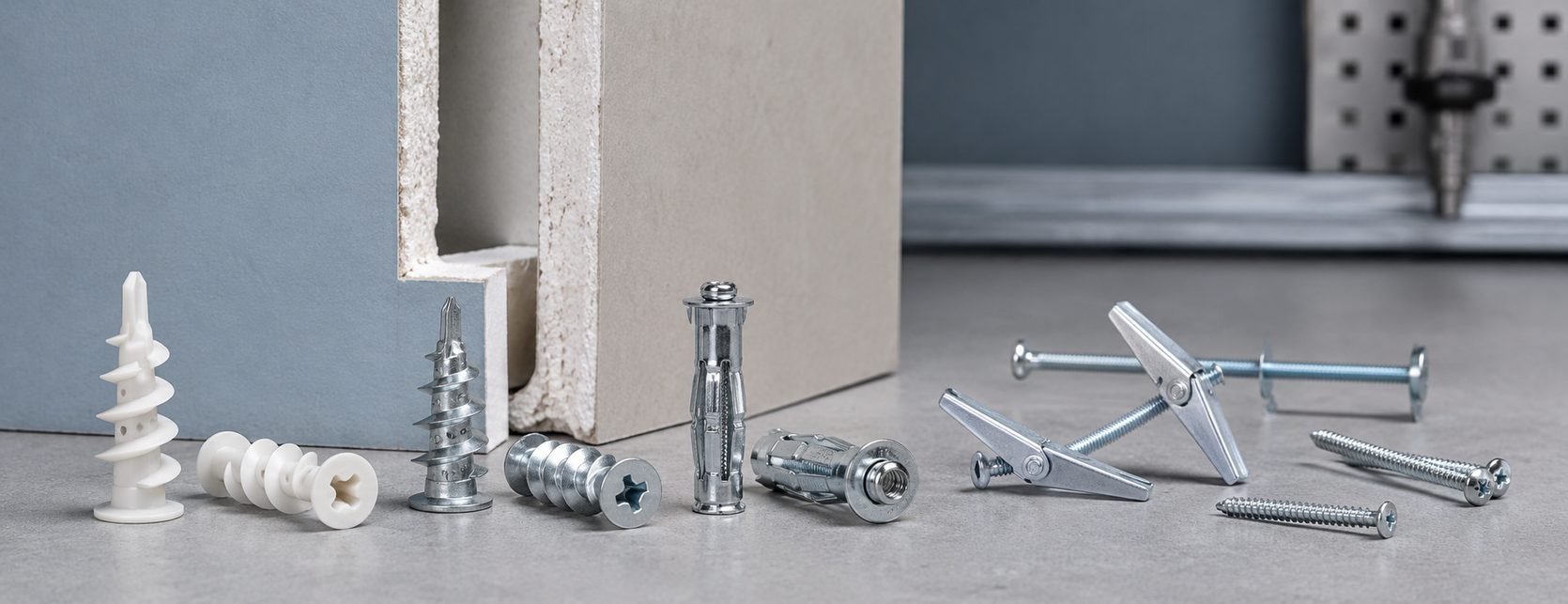
Drywall anchors: types, load capacity, selection criteria and correct installation to identify the most suitable fixing solution for every application....
Industrial automation is now a key factor in improving efficiency, quality, and control in manufacturing processes. By integrating machines, software, and data, companies can make their production more reliable, flexible, and competitive....
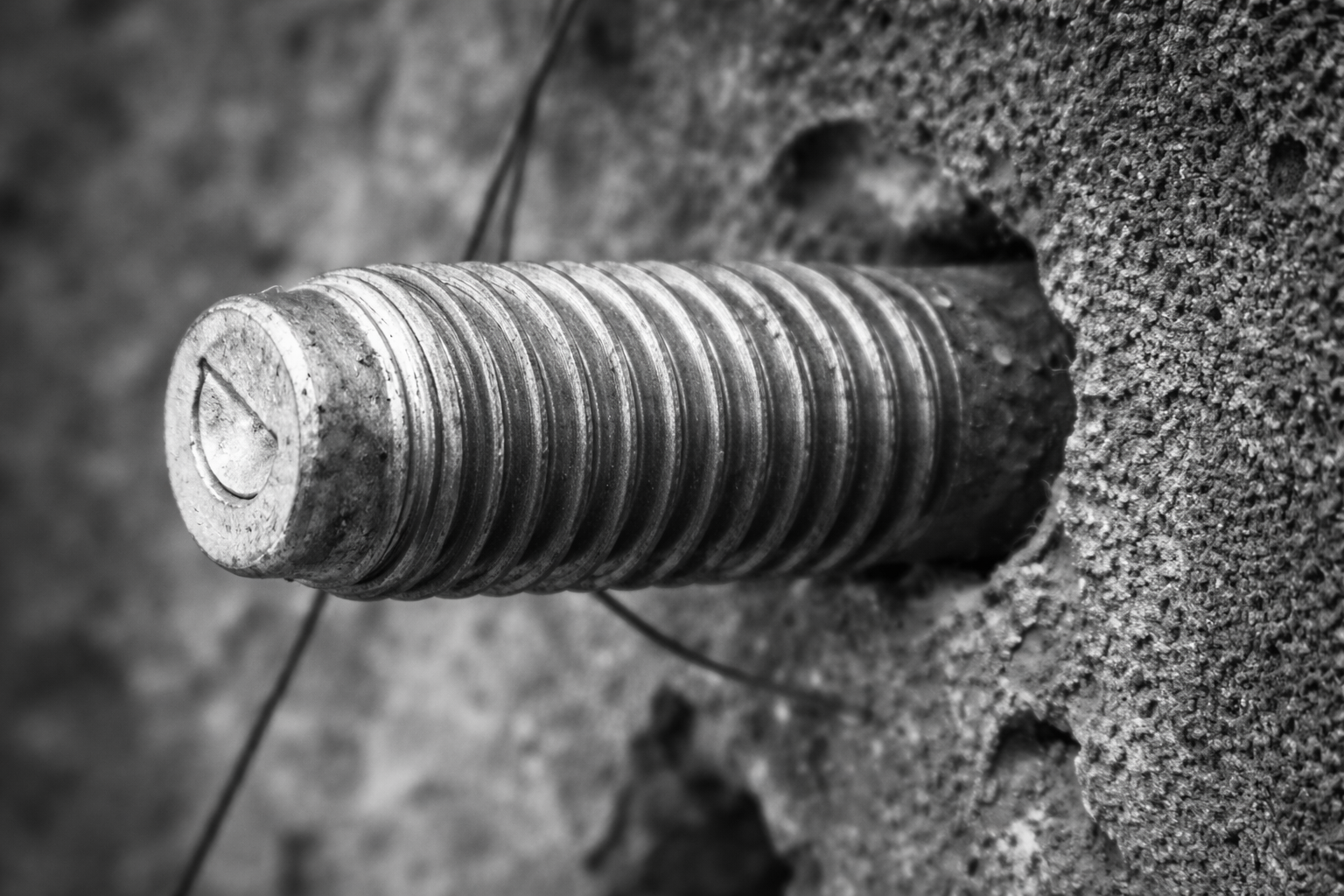
Threaded stud bolts are fasteners widely used in industry when it is necessary to ensure strong, reliable and above all time-demountable connections. Unlike traditional screws, they have a specific configuration that makes them particularly suitable ...
Carburizing is a thermochemical treatment that significantly improves steel performance by increasing surface hardness without compromising internal toughness. It is a fundamental solution for components subject to wear, friction and dynamic loads....
Surface treatments of steel are essential to ensure corrosion resistance, durability and reliable performance. Understanding which ones to choose and when to apply them helps you avoid problems, reduce costs, and improve component efficiency....
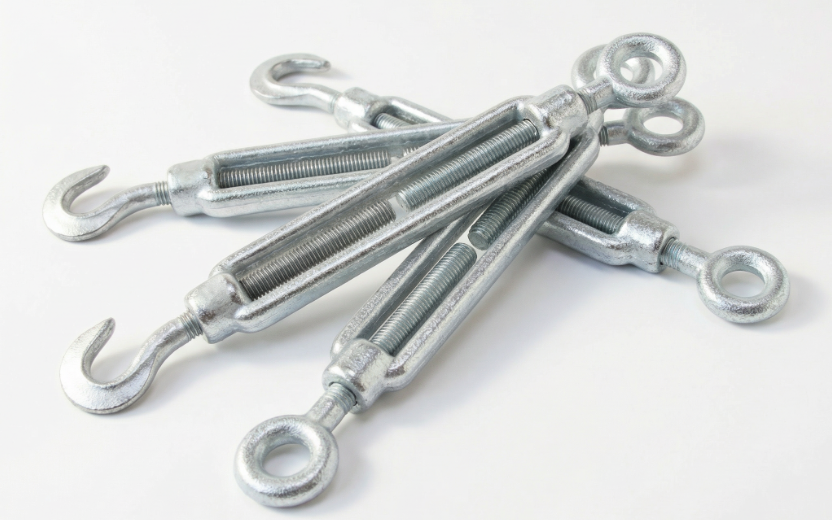
In the metal fabrication and construction industries, structural connection and reinforcement systems play a fundamental role in ensuring long-term stability and safety. Among these, steel tension rods are a widely used technical solution for absorbi...
The metalworking sector is one of the pillars of modern industry. But what does it actually encompass? What are its categories, and what jobs fall under it? In this article, we provide a clear and comprehensive analysis of one of the most strategic s...
Behind every product that reaches the market lies a complex network of suppliers, production processes, logistics, and distribution. Supply Chain Management was developed precisely to efficiently coordinate all these activities, transforming supply c...
Heat treatment of steel is one of the most important processes for obtaining reliable, resistant metal components suitable for industrial applications. From normalizing to tempering, these processes modify the structure of the material and determine ...
 Added to quote