The processing and preservation of food, and therefore the machinery and equipment used for these processes, require very high hygienic standards. To ensure such levels, the choice of materials must necessarily fall on stainless steel. Also defined as food-grade stainless steel, it is an alloy suitable for contact with food precisely because of its inalterability. There are different types of food-grade steel, to be chosen according to certain criteria that we will evaluate in the following paragraphs.
What Is the Best Stainless Steel for Food?
Food-grade steel is stainless steel that finds wide application in the food industry. The reasons for its widespread use are several:
Stainless steel is resistant to corrosion that can be caused by many foods and beverages;
Food products processed and preserved with materials and equipment made of stainless steel are not contaminated by the material itself. Indeed, food-grade stainless steel does not release particles that could be dangerous for the food and various preparations, maintaining organoleptic properties and colorations;
Food-grade steel is extremely easy to clean, ensuring maximum hygiene during all the different phases of production and preservation;
Food-grade stainless steel is durable;
Food-grade stainless steel can be shaped according to needs or requests, to facilitate processing and storage operations.
The advantages of using such material are found in every type of stainless steel for food. In reality, as mentioned in the introductory paragraph, each processing requires the use of a particular type of steel. For example, the production of pasta or candies is different from the production of dairy products, and consequently, the material to be used. The latter must indeed be chosen based on:
Temperatures reached during processing;
Chemical composition of the foods treated.
Thus, to the question of which is the best steel for food, there is no one-size-fits-all answer. The choice of material is linked to various factors and needs that each food can entail.
Generally, it can be said that in the canning industry and the restaurant sector, the two most used alloys are AISI 304 and AISI 316.
Comparison Between Steel 304 and 316 for Food
The application of all ferrous alloys guarantees wear resistance and anti-corrosive protection. Specifically, the two alloys most widely used in the food and restaurant sector are:
AISI 316, is an austenitic stainless steel, containing molybdenum and resistant to pitting caused by acidic foods and chlorides like salt. For this reason, it is particularly suitable for almost all applications;
AISI 304, is an alternative to the first type, cheaper but at the same time valid. Since it can develop strong pitting, it is used especially in the preparation and processing of foods that are not very acidic and corrosive.
The best choice for machinery and containers in the canning industry may fall on AISI 316 steel, but it is important to use a finish with low roughness.
Regulations Related to Food-Grade Steel
The main regulation related to the production of food contact materials is the Decree of December 12, 2007, no. 269. According to this regulation, it is strictly prohibited to market and use materials intended for human consumption and contact with food substances or water, which are made of lead, zinc, tin, or alloys composed of more than 10% lead.
Since it is necessary to limit food contamination and potential dangers arising from contact to the maximum, Regulation EC No 1935/2004 also establishes that all materials and objects must be produced with materials that do not transfer to food components in quantities that may constitute a danger to human health.
Stainless steel, given its inalterability, is therefore the most suitable material for the production and preservation of food.
For further information about food-grade stainless steel, subscribe to our newsletter.
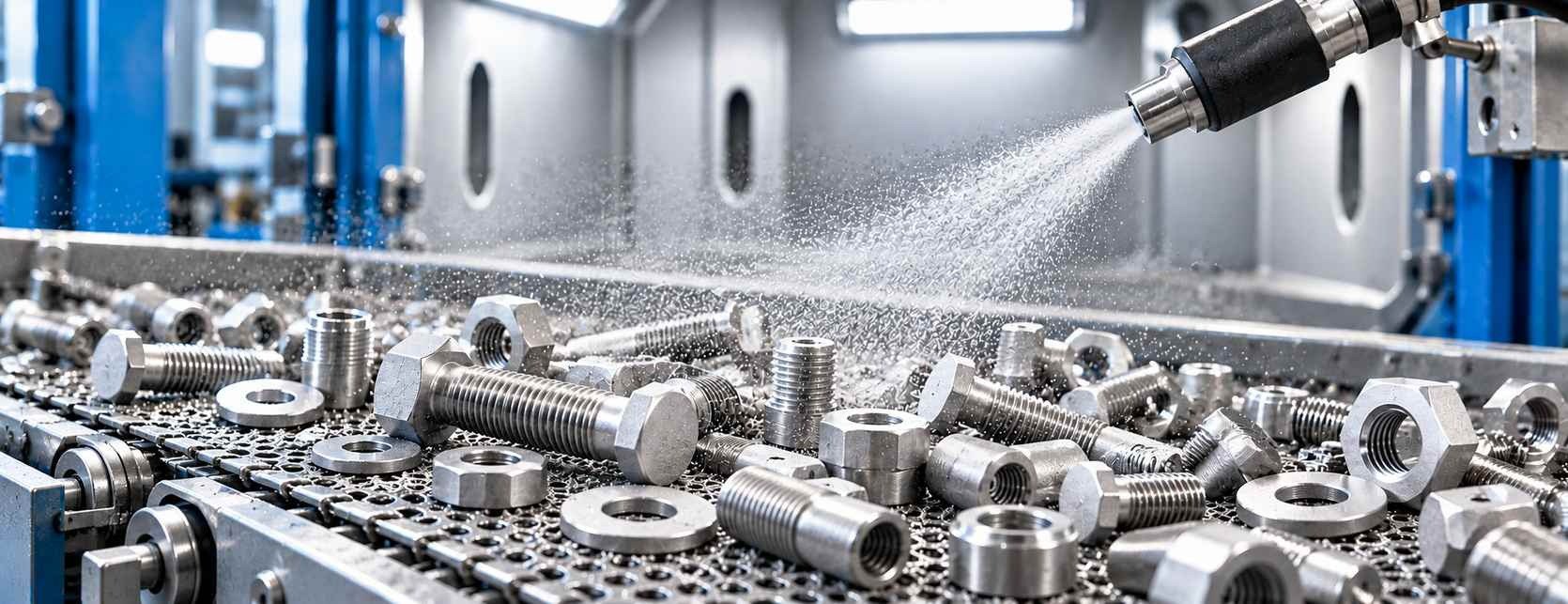
Metal sandblasting applied to small metal components: surface preparation, process control and its role in coatings for screws, bolts and threaded parts....
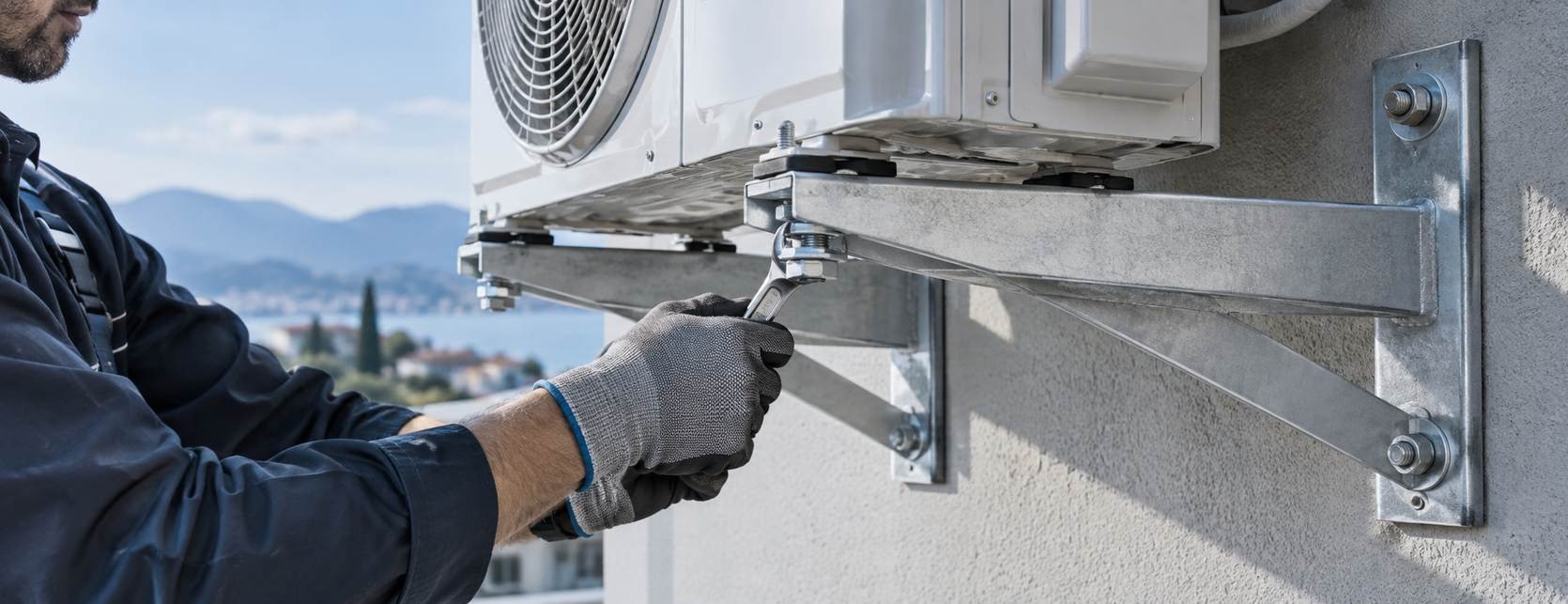
Technical guide to choosing anchors and bolts for air conditioner installation: substrate, bracket, anchoring, vibration, corrosion and proper tightening....
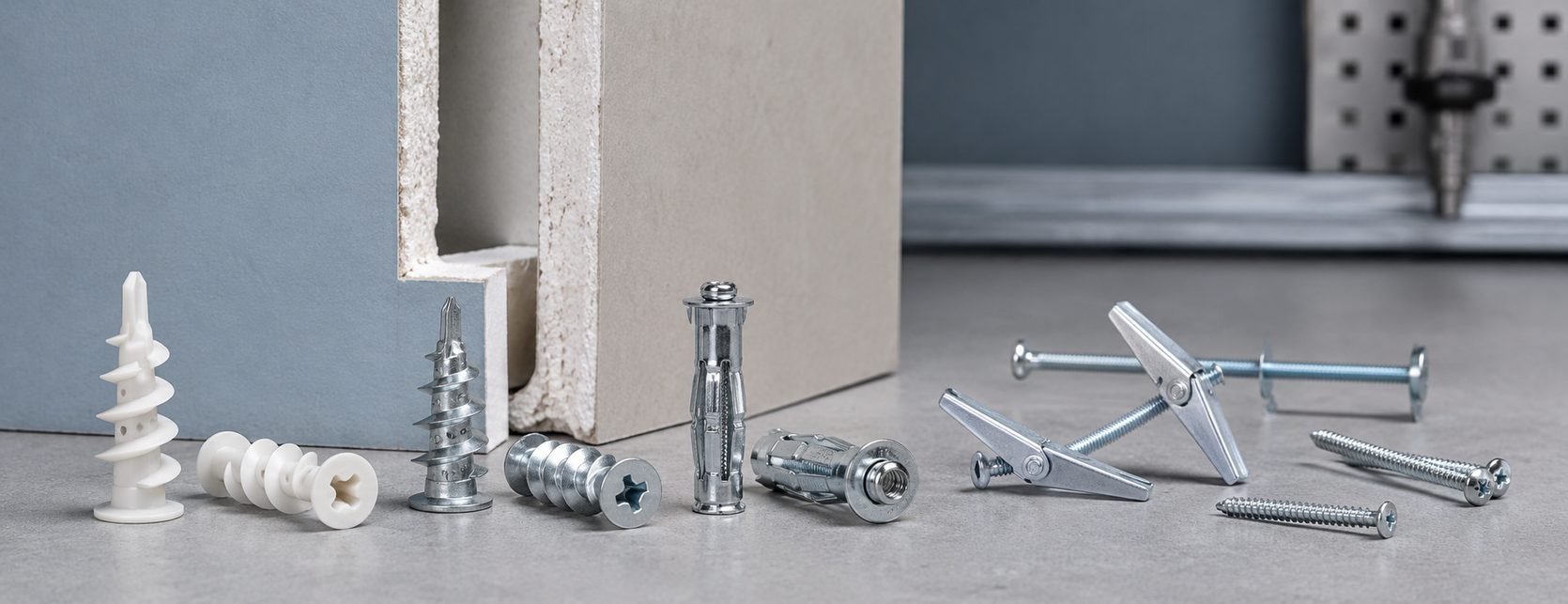
Drywall anchors: types, load capacity, selection criteria and correct installation to identify the most suitable fixing solution for every application....
Industrial automation is now a key factor in improving efficiency, quality, and control in manufacturing processes. By integrating machines, software, and data, companies can make their production more reliable, flexible, and competitive....
Threaded stud bolts are fasteners widely used in industry when it is necessary to ensure strong, reliable and above all time-demountable connections. Unlike traditional screws, they have a specific configuration that makes them particularly suitable ...
Carburizing is a thermochemical treatment that significantly improves steel performance by increasing surface hardness without compromising internal toughness. It is a fundamental solution for components subject to wear, friction and dynamic loads....
Surface treatments of steel are essential to ensure corrosion resistance, durability and reliable performance. Understanding which ones to choose and when to apply them helps you avoid problems, reduce costs, and improve component efficiency....
 Added to quote