Close x
X

Road Construction: Suitable Fasteners and Bolts

Road Construction: Suitable Fasteners and Bolts


Over the years, road construction techniques have been refined, taking into account numerous factors such as road traffic, road alignment, or slope gradients. This evolution has seen an increasing use of appropriate fasteners and bolts capable of stabilizing the components used in road construction. In this article, we will analyze the screws and bolts used in such work and products, the material they are made of, and the certifications they must comply with.
Types of Bolted Components for Road Construction


The roads we travel daily are characterized by numerous components for which bolts are used during production and installation. Although some elements require more bolts than others, it can be said that all steel elements on a road are assembled using specific screws and bolts.
Among the components with the most bolts, we can include:

  • Guardrails: safety devices designed to keep vehicles within the roadway in case of skidding, collisions, or accidents with other vehicles;


  • Road barriers: elements designed to absorb part of the energy of the vehicle, thereby limiting the impact on passengers. There are different types: median barriers, side barriers, barriers for structures (e.g., bridges, viaducts, underpasses, etc.), barriers or devices for specific points, and crash attenuators. These components are produced in various materials including concrete and wood with a steel core. The most traditional and well-known are metallic barriers, composed of:

    1. Posts: fixed to the ground or bolted to the support;

    2. Beams: generally consisting of one or more double or triple wave-shaped plates;

    3. Longitudinal elements: arranged parallel to the beam, lower (wheel stoppers) or upper (at the level of structures);

    4. Spacers: if present, placed between the beams and posts, functioning to dissipate the energy from light impacts and ensure the beam's uplift during impact, thereby preventing the barrier from being overrun;

    5. Diagonal bracings, if present;

    6. Connection and anchoring bolts;

    7. Supports for anchoring or for driving posts into the ground.


  • Road signs: devices aimed at indicating a regulation, warning, or direction to all drivers on the road. These elements consist of:

    1. Foundation plinth, the base on which the entire structure rests. Generally made of concrete, its dimensions are calculated based on the subsoil (natural ground or fill) on which the pole will be planted. The plinth must therefore ensure stability and perpendicularity over time;

    2. Pole, made of hot-dip galvanized steel, circular in section, with well-defined thickness, diameter, and length. The pole must have a specific hole at the lower end, so that it fits perfectly into the plinth, and a plastic cap at the upper end;

    3. Sign, the structure indicating the regulation, made of box-section aluminum with a thickness of 25/10 mm. On the front side, a reflective film will be applied, while on the back side, there will be specific grooves or provisions in galvanized steel to fix the sign to the pole with brackets and bolts.

    4. Consumables, elements used to achieve a perfect installation of the sign on the pole, resistant to any condition. Among these elements, we include anti-rotation fixing brackets, bolts, washers, and galvanized steel nuts.

Choosing the Right Bolts and Screws


As mentioned previously, technicians and professionals in the field must consider different variables in the construction of practical and safe roads.
Consequently, the fastening elements used will also be chosen based on the needs of each specific road and its components.
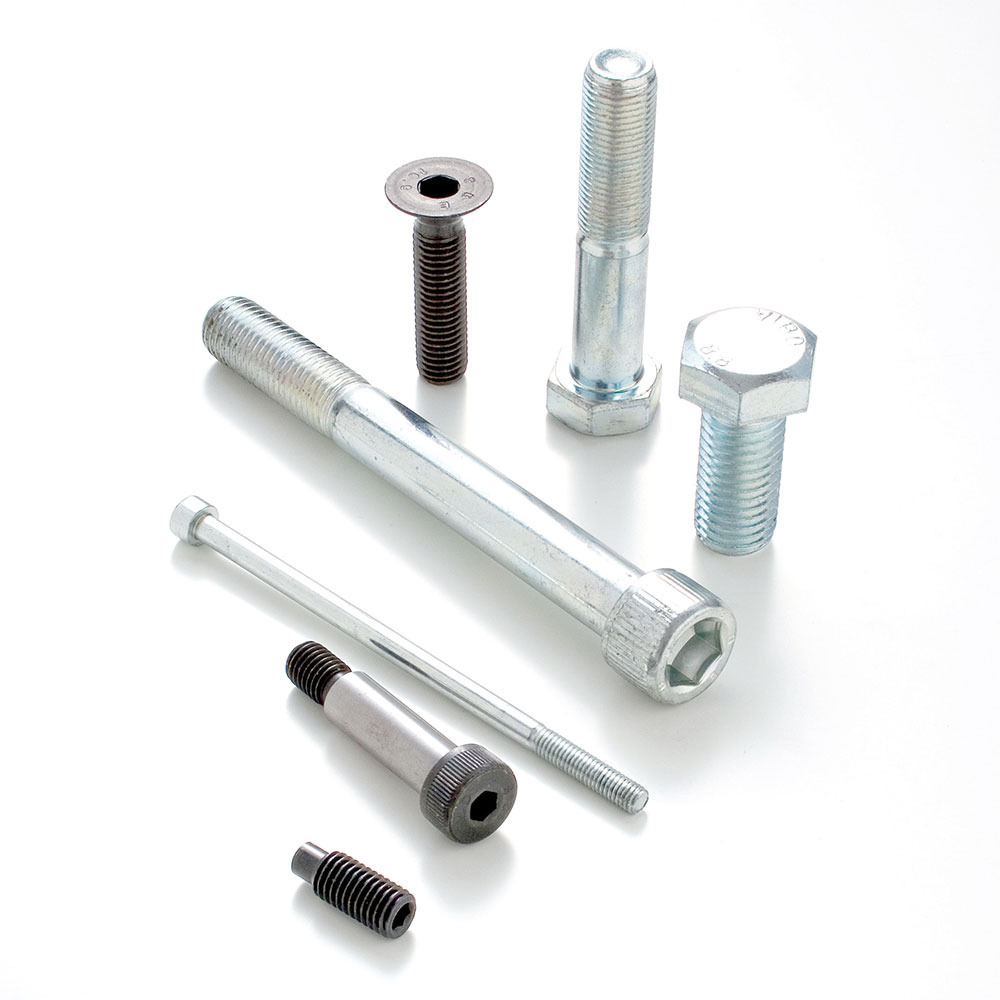
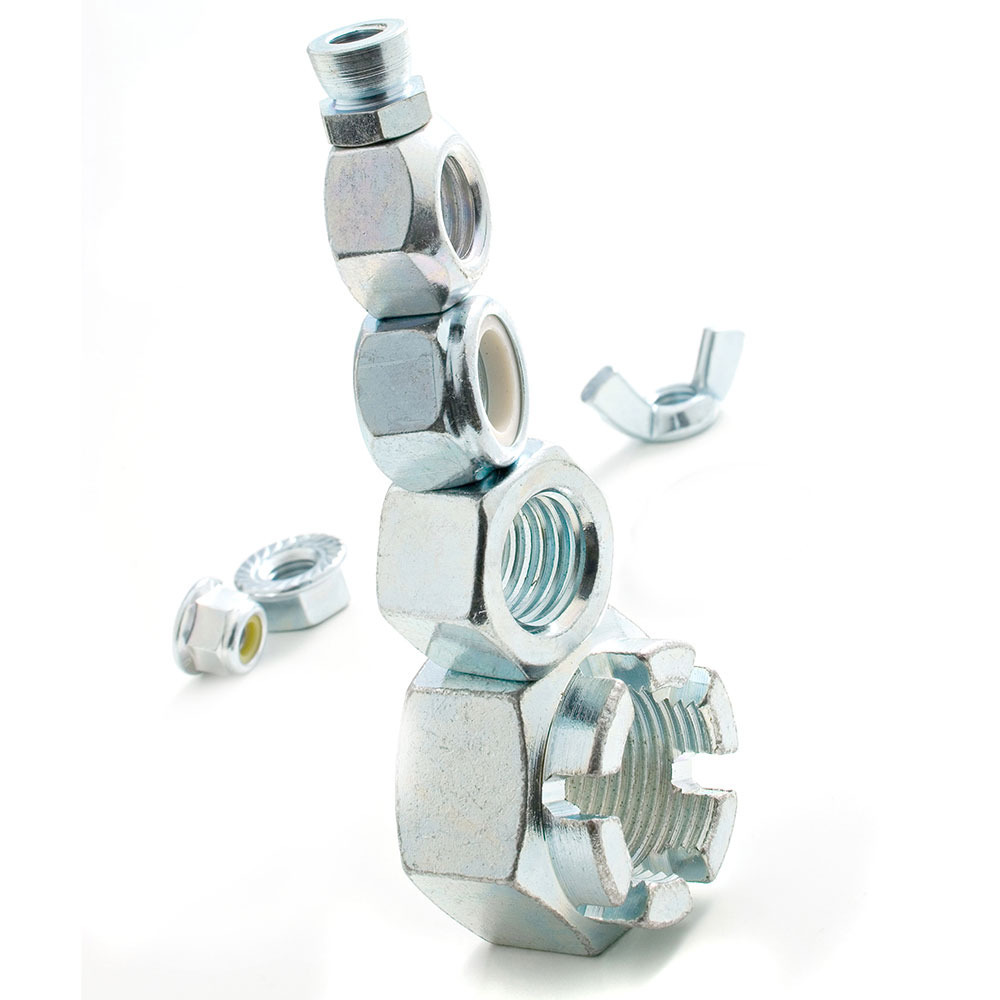
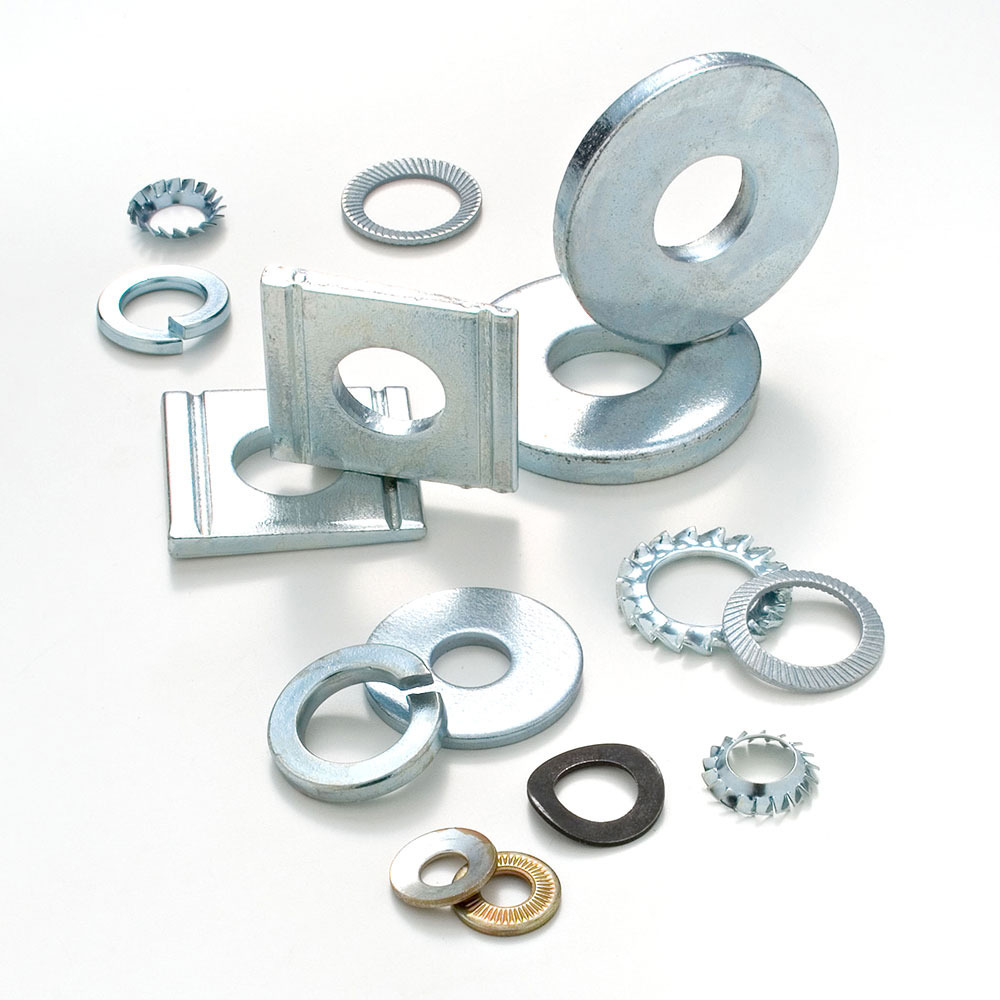
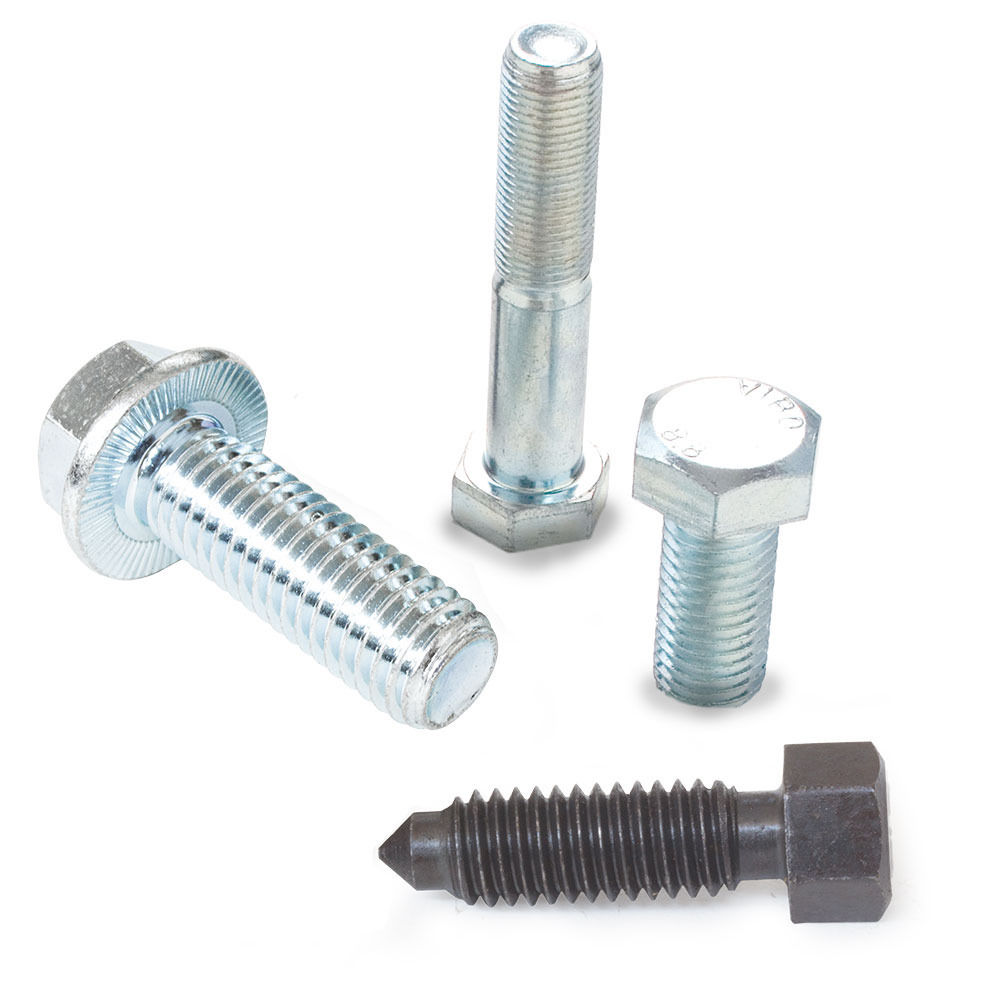
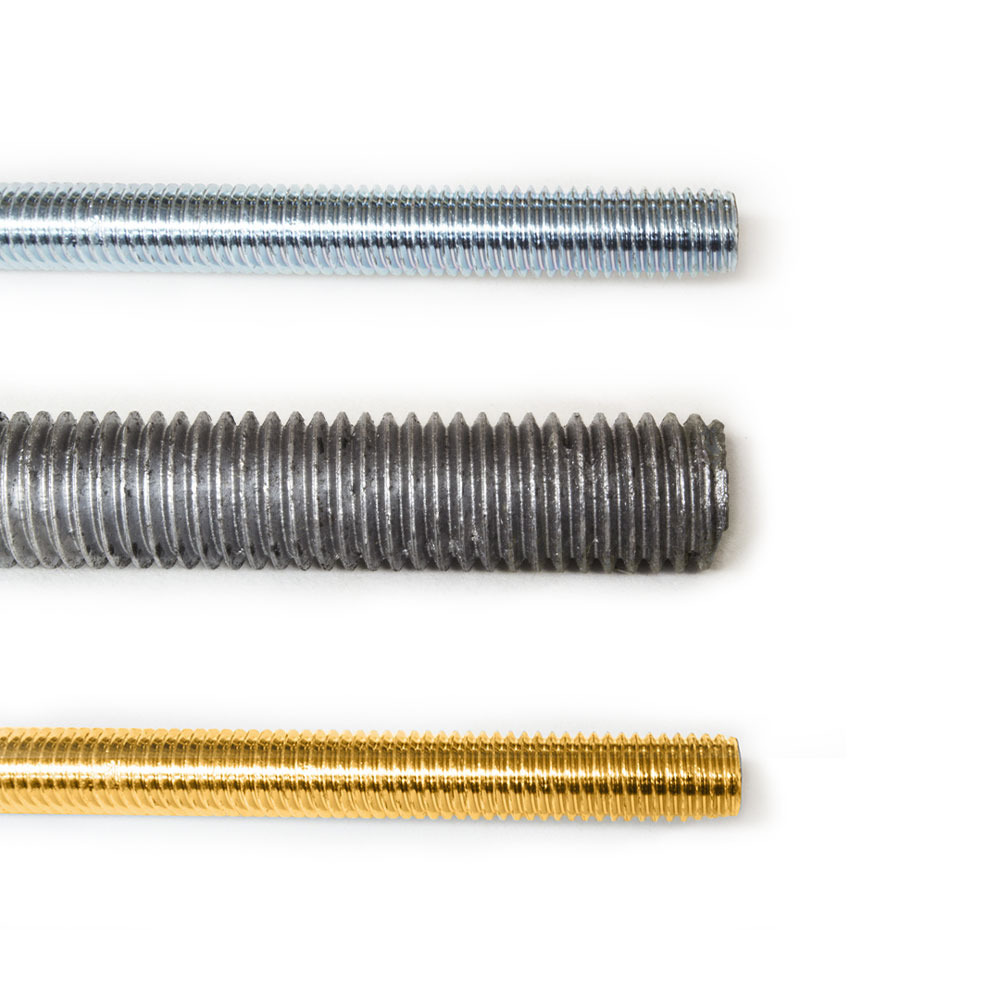
In general, the most used fasteners and bolts in this type of construction are:

Tests and Quality Certifications for Fasteners and Bolts


The fasteners and bolts used in road construction play a very important role in safety. For this reason, both the production and installation process must follow specific regulatory requirements, for example, for the CE marking, a certificate issued only after passing crash tests.

More specifically, to certify, for example, a barrier, the reference standard is UNI EN 1371.

Additional certifications may also be required, such as those relating to the conformity of the materials used and the declaration of the galvanizing process according to UNI EN ISO 1461.

It's important to specify that, although not mandatory, materials can be subjected to tests, such as tensile tests.

For more useful information on the fasteners and bolts used in road construction, subscribe to our newsletter.

Contact us at commerciale@univiti.it to receive a free quote.

In the article we talked about these products

Latest articles from our blog

Surface treatments of steel: protection and durability

Surface treatments of steel: protection and durability

Surface treatments of steel are essential to ensure corrosion resistance, durability and reliable performance. Understanding which ones to choose and when to apply them helps you avoid problems, reduce costs, and improve component efficiency....

Read more ...
Steel Tension Rods: Types, Sizing, and Structural Applications

Steel Tension Rods: Types, Sizing, and Structural Applications

In the metal fabrication and construction industries, structural connection and reinforcement systems play a fundamental role in ensuring long-term stability and safety. Among these, steel tension rods are a widely used technical solution for absorbi...

Read more ...
The Metalworking Sector in Italy: What It Is, What It Encompasses, and What Jobs It Includes

The Metalworking Sector in Italy: What It Is, What It Encompasses, and What Jobs It Includes

The metalworking sector is one of the pillars of modern industry. But what does it actually encompass? What are its categories, and what jobs fall under it? In this article, we provide a clear and comprehensive analysis of one of the most strategic s...

Read more ...
Supply Chain Management: What It Is, How It Works, and Why It Has Become Strategic for Businesses

Supply Chain Management: What It Is, How It Works, and Why It Has Become Strategic for Businesses

Behind every product that reaches the market lies a complex network of suppliers, production processes, logistics, and distribution. Supply Chain Management was developed precisely to efficiently coordinate all these activities, transforming supply c...

Read more ...
Heat treatment of steel: what it is, what it is used for, and why it is essential in the fastener industry

Heat treatment of steel: what it is, what it is used for, and why it is essential in the fastener industry

Heat treatment of steel is one of the most important processes for obtaining reliable, resistant metal components suitable for industrial applications. From normalizing to tempering, these processes modify the structure of the material and determine ...

Read more ...
The 7 Principles of ISO Family Quality

The 7 Principles of ISO Family Quality

The seven principles of quality form the basis of ISO management systems and, in particular, the ISO 9001 standard. Understanding them means understanding how organizations can improve processes, decisions, and relationships to ensure quality and lon...

Read more ...
Machinery Directive 2006/42/EC: what it really provides and why it is still central to business

Machinery Directive 2006/42/EC: what it really provides and why it is still central to business

The Machinery Directive 2006/42/EC is one of the pillars of European industrial safety and defines the essential requirements that a machine must comply with to be placed on the Union market. It is not a simple formal fulfillment, but a system of res...

Read more ...
Towards a new ISO 9001: the 2026 revision

Towards a new ISO 9001: the 2026 revision

The new revision of ISO 9001 scheduled for 2026 introduces targeted updates on leadership, risk management, digitalization, and sustainability. This long-awaited evolution reinforces the strategic role of quality in modern organizations....

Read more ...
ISO: What It Is?

ISO: What It Is?

ISO certification is a document that certifies the compliance of business processes and management systems with specific standards described in technical regulations. In particular, it serves to ensure that the company operates according to procedure...

Read more ...
DIN 933, 934 e 125: characteristics, differences, and applications of the main bolting standards

DIN 933, 934 e 125: characteristics, differences, and applications of the main bolting standards

The DIN 933, DIN 934, and DIN 125 standards represent three fundamental pillars in the world of screws and bolts. In this article, we analyze their characteristics, differences, and areas of application to understand how standardization guarantees sa...

Read more ...