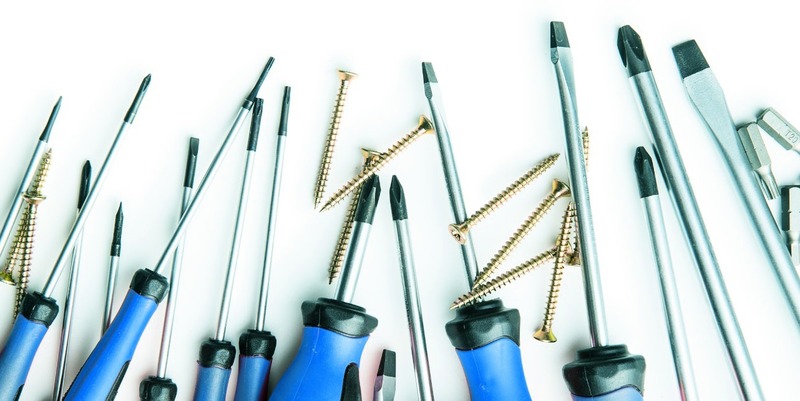
Among the indispensable work tools, the screwdriver is a utensil used for manually screwing and unscrewing screws. Given the presence of various types of screws and bolts on the market, there are just as many types of screwdrivers, each for the right screw to screw in.
Choosing the correct screwdriver makes the job more precise and simple. For this reason, below, we provide a comprehensive list describing how many types of screwdrivers there are.
How many types of screwdrivers are there?
The main feature that differentiates one screwdriver from another is its tip, which, remember, changes depending on the component to work on. From the most classic to the most specific, here are all the types of screwdrivers cataloged based on the types of screwdriver tips:
Flat or slotted screwdriver, used for slotted screws, characterized by a flat and thin tip. Mainly used in mechanics and carpentry, they are used to screw in very common screws that measure between 3 and 6.5 millimeters;
Phillips or cross screwdriver, used for cross-section screws, characterized by a cross-shaped tip. This feature serves for a better grip with the screw and, therefore, to prevent it from slipping out. The diameter of these screws measures between 1.6 to 7 millimeters. The major field of application is the industrial and electrical sector;
Pozidriv screwdriver, a special slotted screwdriver, this tool has a cross tip with 4 integrated cuts, thus assuming a shape similar to that of an asterisk. The size of this tool is described with the initials PZ followed by a number that goes from 0 to 5 and is used to screw in screws with diameters from 1.6 to 7 millimeters. This tool is mainly used for the assembly of furniture and electrical appliances;
Torx screwdriver, a tool characterized by a particular star-shaped imprint with 6 points. The size of the different types of Torx screwdrivers is identified with the initials TX or T followed by a number that starts from 1 (less than one millimeter), up to 100 (more than 22 millimeters). Mainly used in the world of mechanics, these tools are used to screw in screws with a diameter starting from 1.67 millimeters up to 6.65.
Less known and used in particular applications are the Torx screwdrivers with a hole, similar to the first but characterized by a central hole that serves for a better grip of the screws that bear the same name.
Hex or Allen screwdriver, a tool named after the Italian entrepreneur Egidio Brugola, is used to screw in screws with a hexagonal head section. These particular tools are mainly used in furniture assembly.
To avoid damaging the screw, it is always advisable to choose and use the most suitable screwdriver for the use. If the size and imprint are right, the intervention will be simpler and more functional.
Tamper-proof screwdriver: how is it used?
Among all types of screwdrivers on the market, there is a particular solution that serves precisely to screw and unscrew a specific screw. This is the tamper-proof screwdriver, a special tool for tamper-proof screws.
In a previous article published on our website, we had already talked about these particular screws, items that are used in jobs that require a high level of security. Indeed, precisely because of their specificity, these screws are fastened only by tamper-proof screwdrivers, as traditional screwdrivers do not align with their head.
Made with cantilever shapes, these elements cannot be coupled with any type of screwdriver. Thus, a tamper-proof tool is mainly used in areas prone to vandalism or in mechanics, a sector where tampering is rare but to be anticipated because it entails serious consequences.
How to choose the most suitable screwdriver
The main criterion for choosing the most suitable screwdriver is, therefore, the screw to work on. However, the selection is also guided by other characteristics of the tool such as handle, blade material, and blade length.
The handle, a feature that facilitates the practical use of the tool can be:
T-handle, reduces rotation speed but requires more force in the tool's use;
Spherical handle, a tool used to screw with force and greater safety a screw;
Square handle, for a more ergonomic grip.
In classic screwdrivers, the handle was made of wood. Today, tools are more commonly found with a plastic handle that can be soft or hard. A special tool is the one with an insulated handle, thus with an insulated coating, useful for example for the safety of electricians at work.
For a screwdriver suitable for your needs, you can also refer to the material of the blade (in S2 steel or tempered, in nickel-chrome or chrome-plated with sandblasted tip) and its length. In fact, a longer blade serves to reach distant screws while a short blade is useful for screwing by exerting greater force.
Finally, some types of screwdrivers have a magnetic tip which is particularly useful for keeping the screw to be screwed or unscrewed in position.
For further information on all types of screwdrivers and how to choose the most suitable one, subscribe to our newsletter.
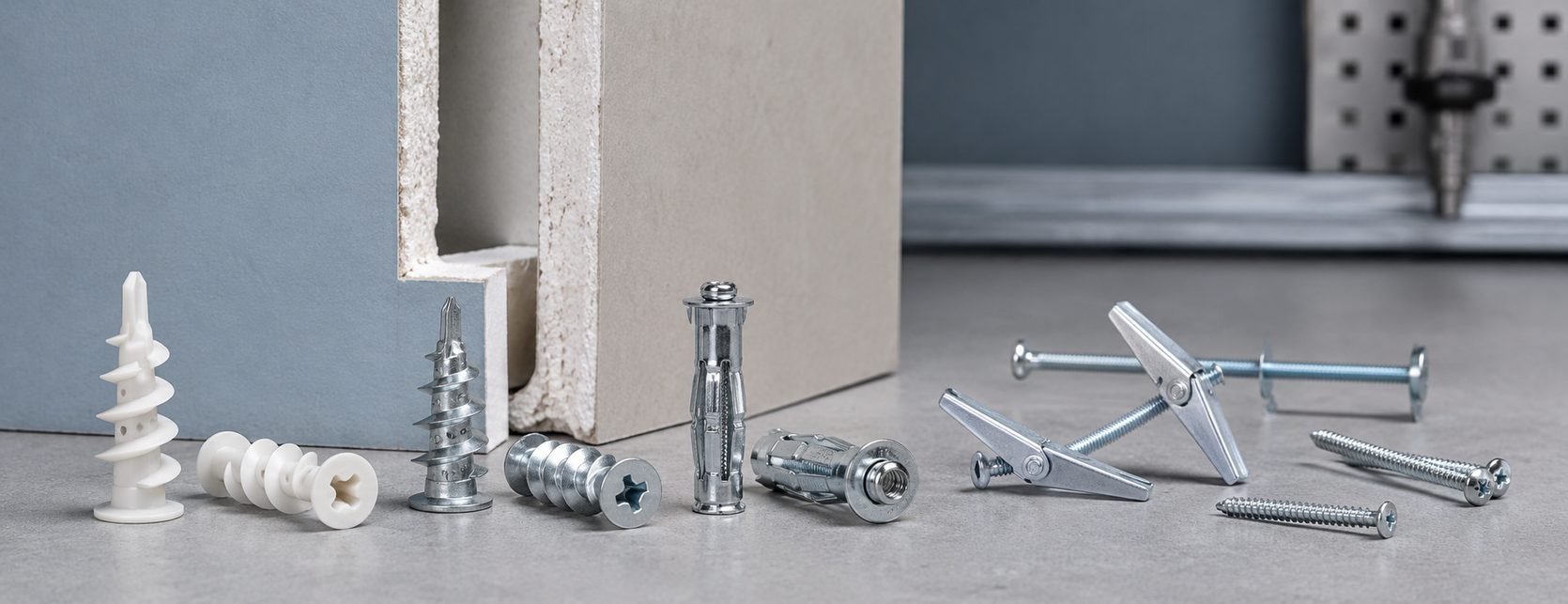
Drywall anchors: types, load capacity, selection criteria and correct installation to identify the most suitable fixing solution for every application....
Industrial automation is now a key factor in improving efficiency, quality, and control in manufacturing processes. By integrating machines, software, and data, companies can make their production more reliable, flexible, and competitive....
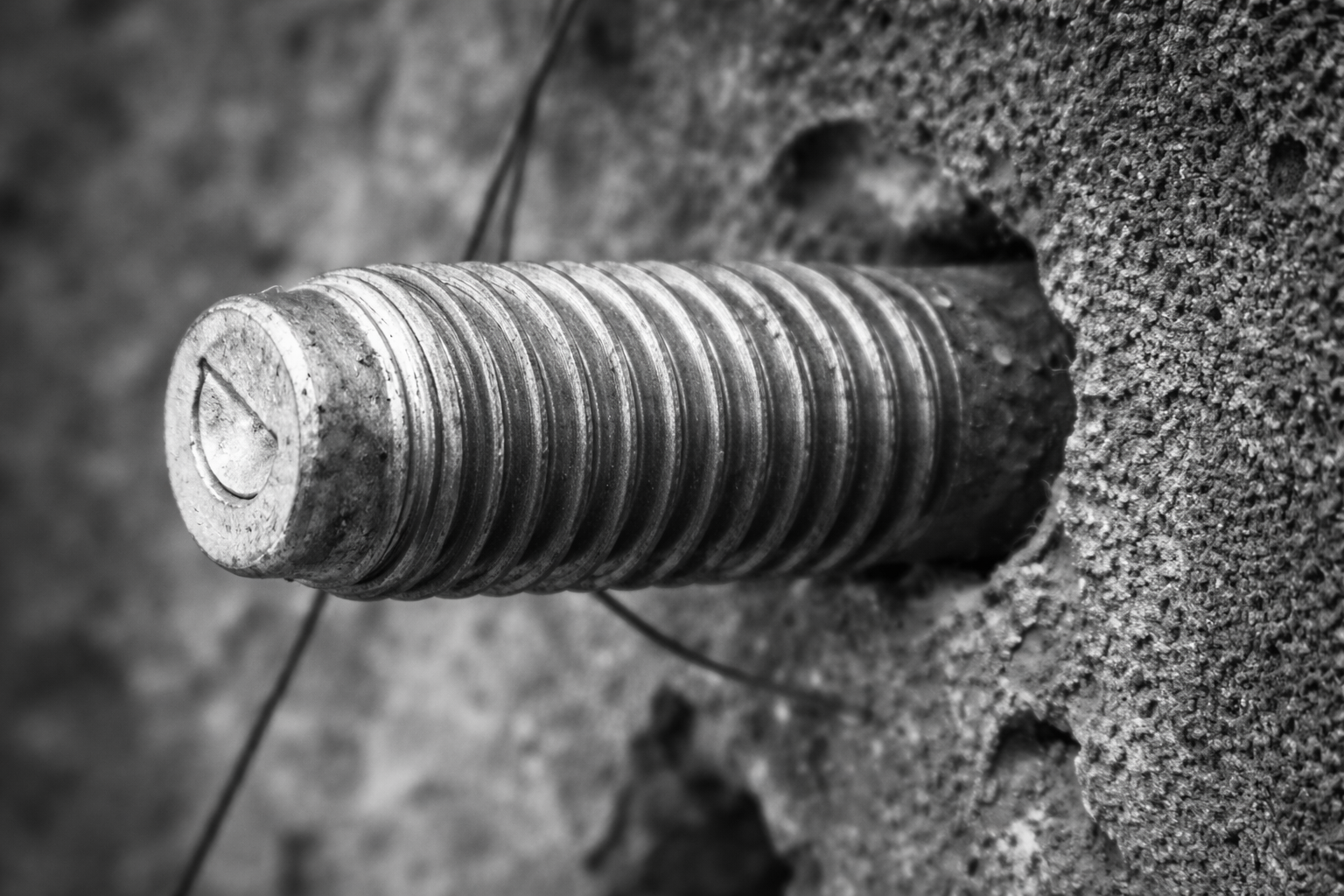
Threaded stud bolts are fasteners widely used in industry when it is necessary to ensure strong, reliable and above all time-demountable connections. Unlike traditional screws, they have a specific configuration that makes them particularly suitable ...
Carburizing is a thermochemical treatment that significantly improves steel performance by increasing surface hardness without compromising internal toughness. It is a fundamental solution for components subject to wear, friction and dynamic loads....
Surface treatments of steel are essential to ensure corrosion resistance, durability and reliable performance. Understanding which ones to choose and when to apply them helps you avoid problems, reduce costs, and improve component efficiency....
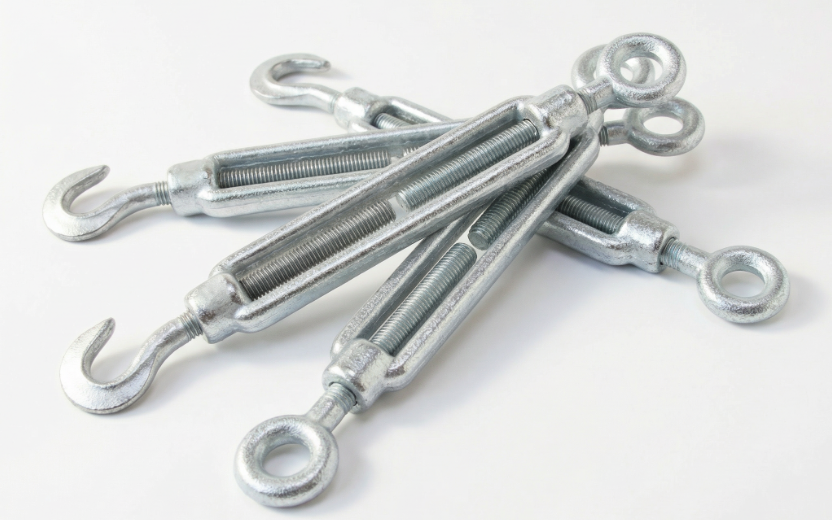
In the metal fabrication and construction industries, structural connection and reinforcement systems play a fundamental role in ensuring long-term stability and safety. Among these, steel tension rods are a widely used technical solution for absorbi...
The metalworking sector is one of the pillars of modern industry. But what does it actually encompass? What are its categories, and what jobs fall under it? In this article, we provide a clear and comprehensive analysis of one of the most strategic s...
Behind every product that reaches the market lies a complex network of suppliers, production processes, logistics, and distribution. Supply Chain Management was developed precisely to efficiently coordinate all these activities, transforming supply c...
Heat treatment of steel is one of the most important processes for obtaining reliable, resistant metal components suitable for industrial applications. From normalizing to tempering, these processes modify the structure of the material and determine ...
 Added to quote