The world of craftsmanship is connected to the world of fasteners through what is known as "small metal parts": specific elements, extremely small in size, used in works requiring high precision, tight tolerances, and complicated shapes. Although very small, these elements play a fundamental role in achieving high-quality final products, for example, in sectors such as textiles or leathers.
The market, specifically manufacturers and retailers in the fashion industry, offers a very wide range of products to meet every need. Today, we will focus on a particular type of small metal part: rivets for leather goods, essential elements for joining two materials.
How to Choose the Right Rivet?
Leather rivets are necessary elements to generally join two parts of leather or other fabrics of variable thickness. They are products that find wide application in the leather clothing sector, shoes, bags, backpacks, suitcases, belts to leather coverings of trunks and large containers.
Generally consisting of one or more parts that, when pressed onto the fabric, become studs or buttons, rivets are available in different sizes and shapes. Through their application, it is possible to meet a dual need:
Ensure practical and durable fastenings;
Make the final result aesthetically pleasing.
Indeed, elements like leather rivets are applied for the robustness they can guarantee and, since they remain visible, also for the more pleasant appearance they confer on the product.
For these reasons, as previously mentioned, there are different types of rivets, made with various materials which, from a purely aesthetic point of view, offer different visual effects.
Like all accessories and fastening elements, choosing the right rivet also requires analyzing some factors. In this case, it is important to mainly evaluate durability and aesthetics. For the correct evaluation, it is useful to underline that, in general, rivets are produced in different materials while those specific for leather are exclusively in metal.
The intended use is important to make the ideal choice.
The market also offers leather rivets in copper, stainless steel, or other metals. What matters is having a clear understanding of the rivet's use, so you can select the most suitable retailer.
How Many Types of Rivets Are There?
Screw rivets for leather are actually just one of the many types of rivets available. Alternatives include:
Tubular leather rivets;
Double leathercraft rivets;
Self-piercing leather rivets;
Male and female rivets;
Micro leather rivets;
Branded leather rivets with logos.
These types of rivets are generally produced and sold by companies specializing in the production of small metal parts for fashion and luxury. However, some small metal products used in the leather goods sector can also be purchased from fastener distributors. Among these, for example:
Brass screws, often used to embellish the final product;
Modern tools and devices allow for the application of even the smallest objects, such as rivets and leather goods decorations. Among these, a widely used type in production and customization of leather products are so-called studs with rivets: elements used in any type of garment or accessory with various advantages. It is, in fact, a product lighter than the classic screw, with a thinner thickness that does not compromise the comfort of the shoe or garment on which it is applied.
To apply this type of decoration, specific tools can be used:
Press machine, useful for mounting snap buttons, rivets, eyelets, and sail eyelets. This tool allows applying good leverage force, therefore with zero effort by the person mounting the accessory;
Die, a steel tool with a sharp profile, used for cutting leather and fabrics. This tool allows for clean cuts even on materials difficult to cut, without any fraying or damage;
Punch, a tool used to couple the two components of the stud, namely the head and the rivet. During assembly, this tool reproduces the shape of the accessory's head to avoid damaging it. In addition, along with the punch, the so-called socket is usually used, i.e., the base that serves to center the rivet.
It is important to emphasize that a stud with a rivet is a decorative accessory that lasts over time because it is fixed more firmly and maintains its position. Thus, as already mentioned, rivets used in the leather goods sector ensure a long lifecycle and perfectly adapt to different thicknesses, both of leather and leather.
For further information on rivets for leather goods, subscribe to our newsletter.
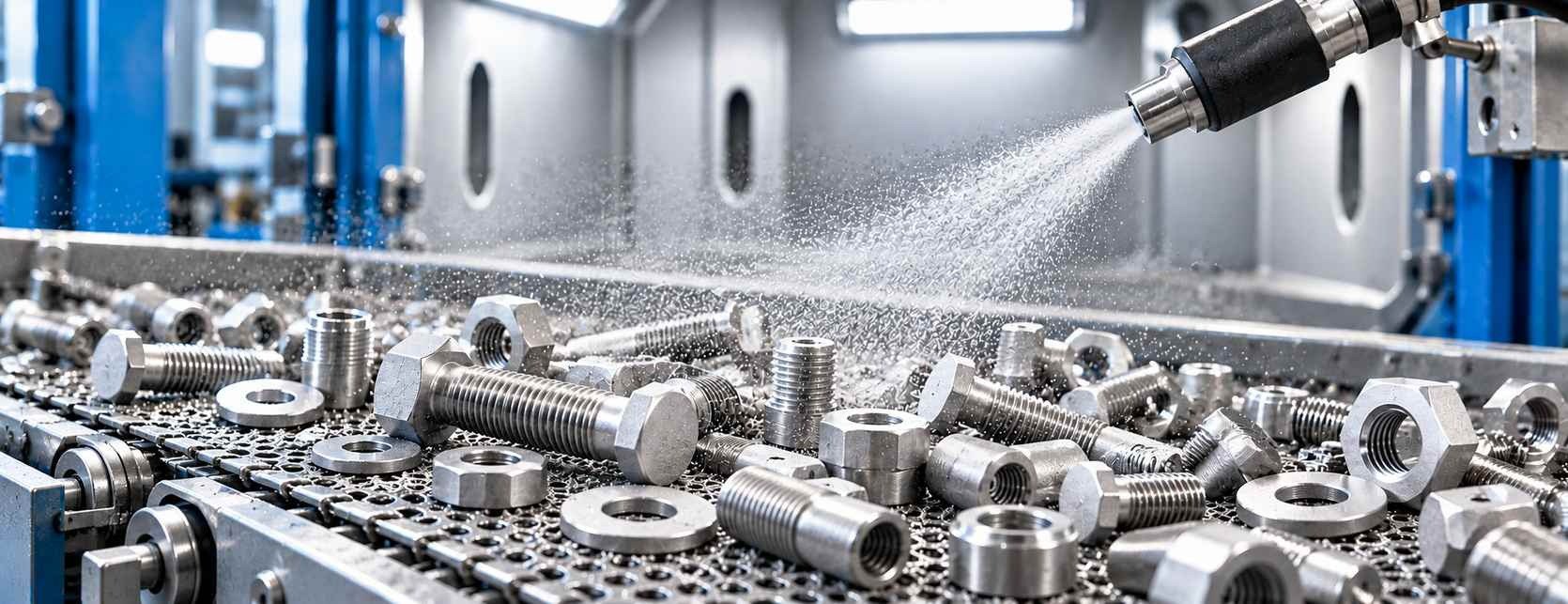
Metal sandblasting applied to small metal components: surface preparation, process control and its role in coatings for screws, bolts and threaded parts....
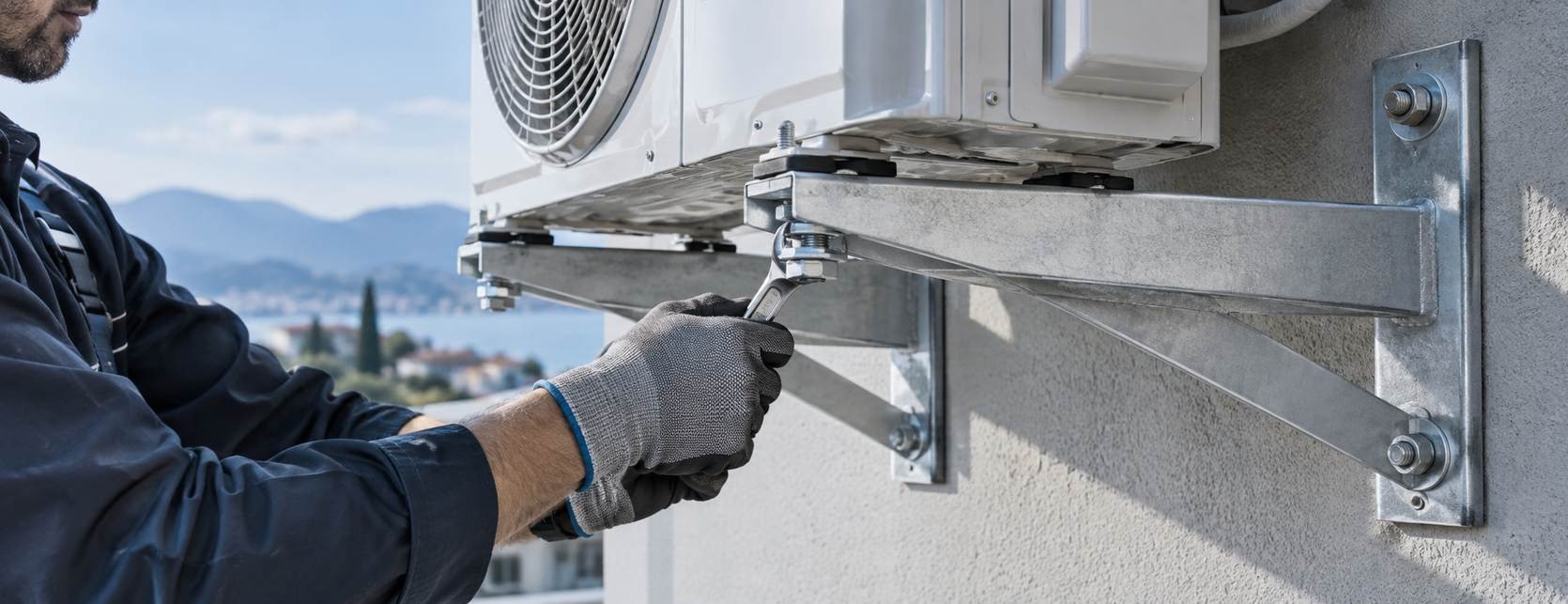
Technical guide to choosing anchors and bolts for air conditioner installation: substrate, bracket, anchoring, vibration, corrosion and proper tightening....
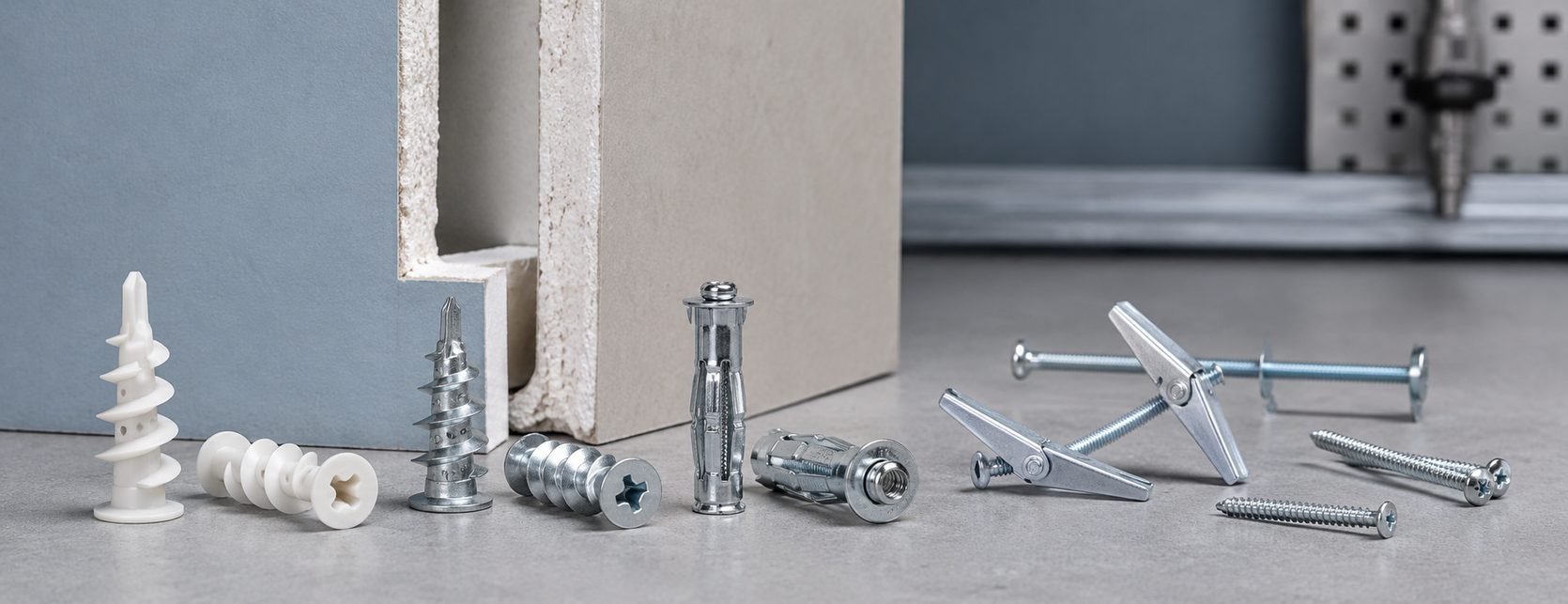
Drywall anchors: types, load capacity, selection criteria and correct installation to identify the most suitable fixing solution for every application....
Industrial automation is now a key factor in improving efficiency, quality, and control in manufacturing processes. By integrating machines, software, and data, companies can make their production more reliable, flexible, and competitive....
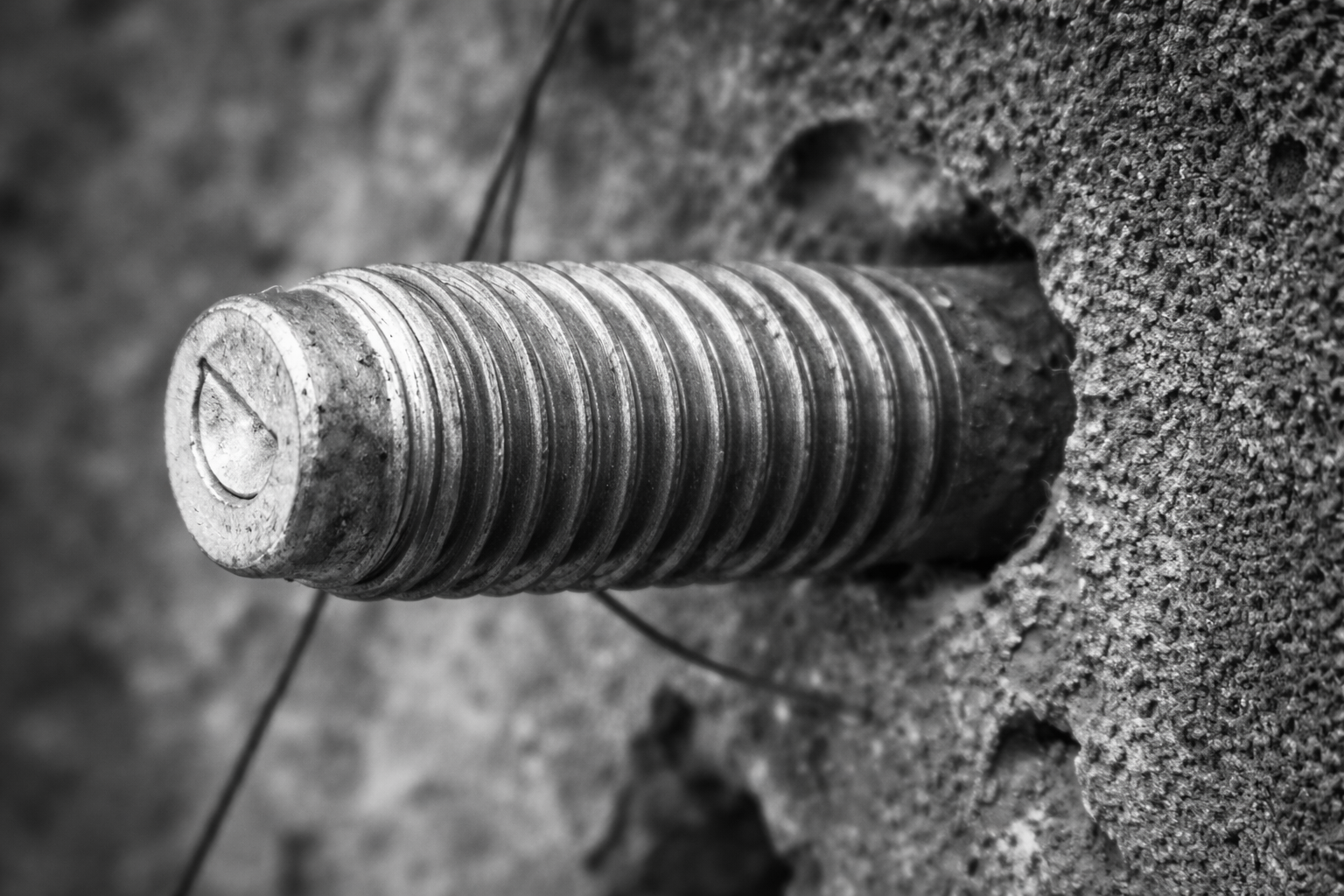
Threaded stud bolts are fasteners widely used in industry when it is necessary to ensure strong, reliable and above all time-demountable connections. Unlike traditional screws, they have a specific configuration that makes them particularly suitable ...
Carburizing is a thermochemical treatment that significantly improves steel performance by increasing surface hardness without compromising internal toughness. It is a fundamental solution for components subject to wear, friction and dynamic loads....
Surface treatments of steel are essential to ensure corrosion resistance, durability and reliable performance. Understanding which ones to choose and when to apply them helps you avoid problems, reduce costs, and improve component efficiency....
In the metal fabrication and construction industries, structural connection and reinforcement systems play a fundamental role in ensuring long-term stability and safety. Among these, steel tension rods are a widely used technical solution for absorbi...
The metalworking sector is one of the pillars of modern industry. But what does it actually encompass? What are its categories, and what jobs fall under it? In this article, we provide a clear and comprehensive analysis of one of the most strategic s...
Behind every product that reaches the market lies a complex network of suppliers, production processes, logistics, and distribution. Supply Chain Management was developed precisely to efficiently coordinate all these activities, transforming supply c...
 Added to quote