Small metal parts: what it is and where it is used
Metal hardware consists of small, complex elements used in high-precision manufacturing. They are employed across many sectors, thanks to their characteristic of being very small and having even geometrically complicated shapes. The production of these specific elements is growing, as is their use: let's explore all the features of metal hardware together.
What Is Metal Hardware?
Metal hardware can be defined as the smallest parts into which mechanical systems can be broken down. Their small size makes them applicable from the simplest structures to the most complex devices. They are elements characterized by great precision and quality.
These objects are usually made of steel, brass, or a mix of alloys, depending on the context and final application.
To ensure the reliability of these elements, it is important to specify that the production of metal hardware requires specific knowledge and skills. These elements are forged through turning and milling processes that must guarantee the utmost meticulousness.
Depending on their final destination, we can distinguish between metal hardware used for both functional and aesthetic purposes, and hardware used mainly in the mechanical field. The former mostly pertains to sectors like fashion and leather goods, where the hardware element is often "visible" and must ensure the right combination of use and beauty in the final result; in the latter case, it mostly refers to small components used in the mechanics sector, for example, inside very complex machinery: in these situations, it is more appropriate to talk about mechanical hardware or precision metal hardware.
Types of Metal Hardware
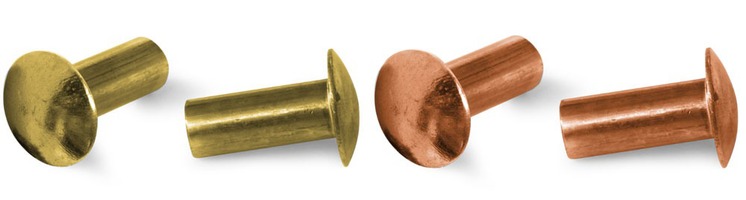
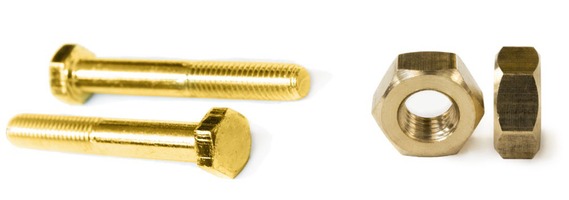
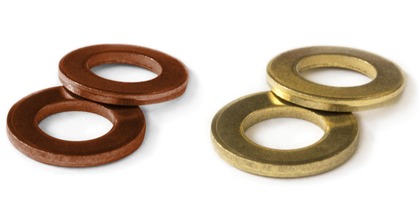
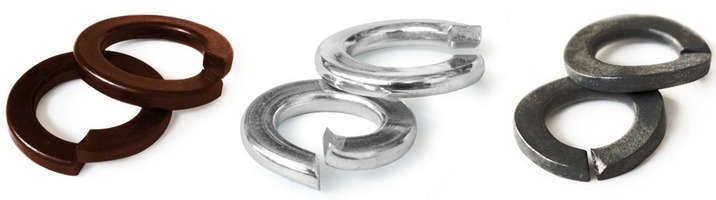
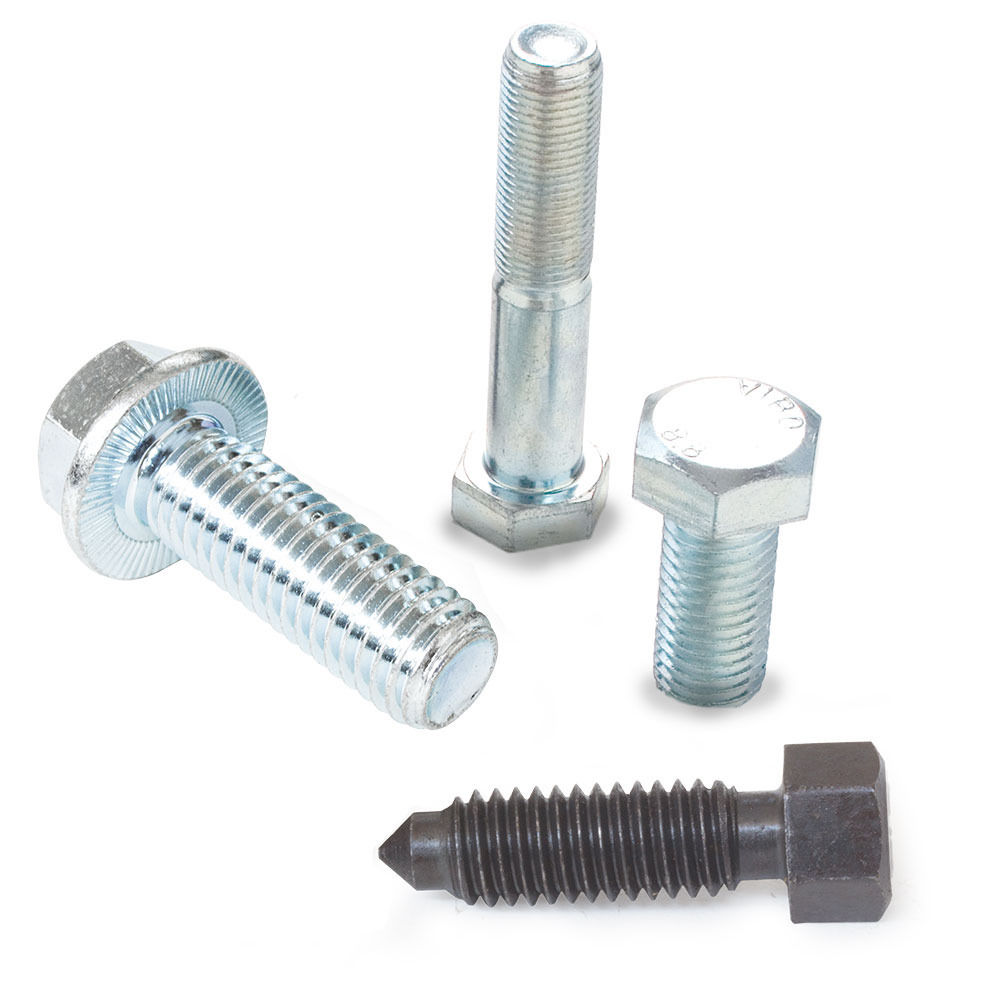
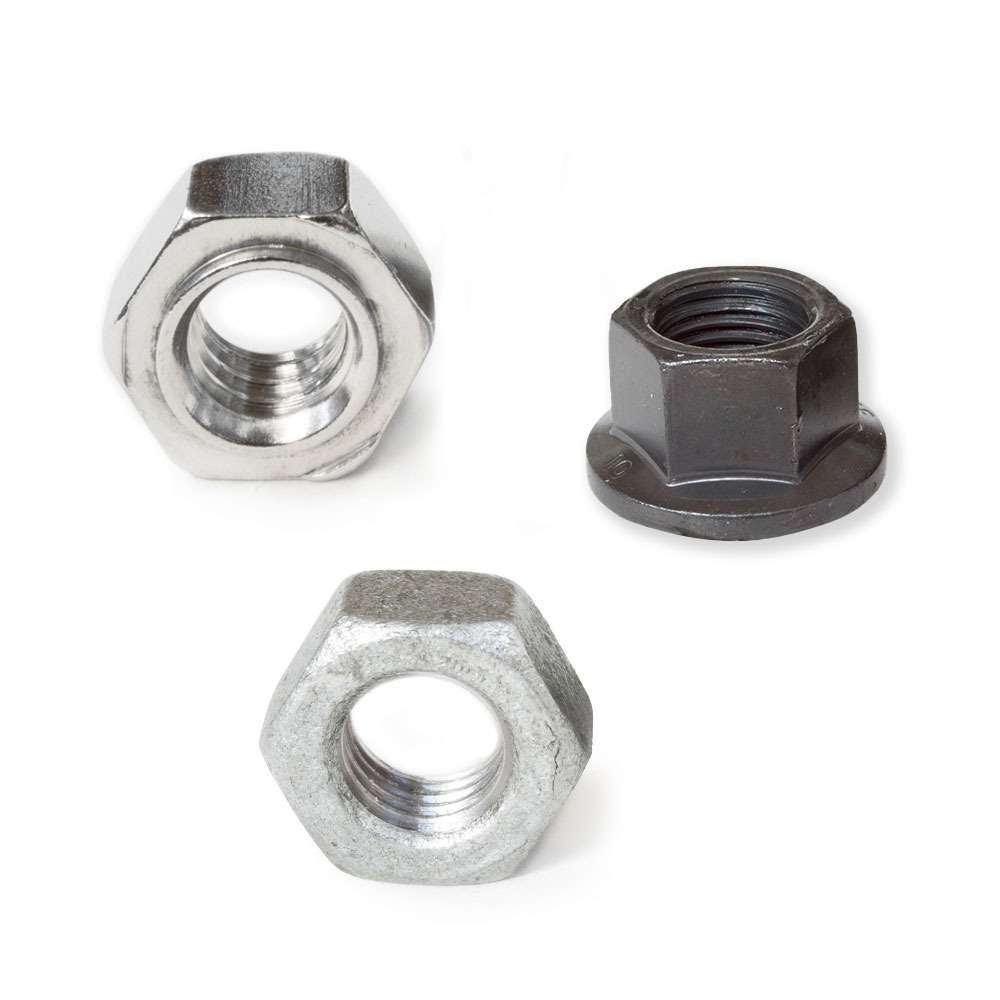
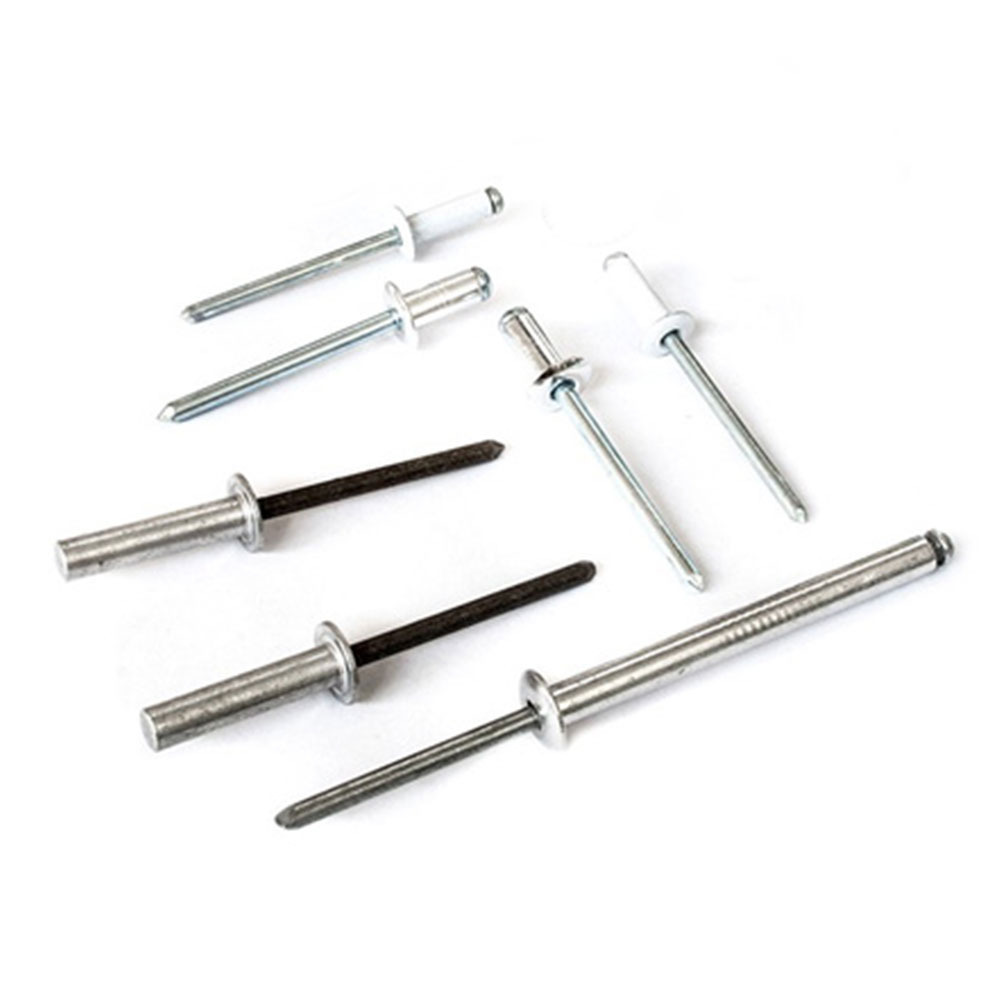
Metal hardware includes small objects made of metal in various shapes, sizes, and structures; many of these components can be included in the world of fasteners.
Each element is adapted to different sectors and structures: let's discover in the next paragraph what the main fields of application for hardware are.
Metal Hardware: Applications
Metal hardware indicates useful, quality metallic components with great aesthetic appeal.
It's easy to understand, then, that they are perfectly suited to be used in all those sectors where the appearance of objects is important: one of the main application sectors is furniture and home decor.
Indeed, hardware guarantees versatility, excellent finishes, and integrates with the design of the manufactured product.
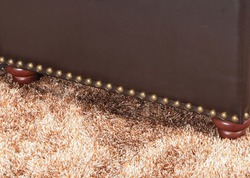
Example of hardware application in the furniture world
Another application sector is jewelry: hardware can guarantee the right compromise between quality and utility, offering the possibility of having secure and controlled closures but equipped with aesthetic pleasantness.
Fashion proves to be the field where hardware finds the greatest use: a particularly well-known case is the world of leather goods. Hardware elements are capable of resisting wear and corrosion thanks to the metals they are composed of, and at the same time, they can integrate into the appearance of the leather object.
The main types of metal hardware used in leather goods are:
Buckles and buttons;
Zippers and closures;
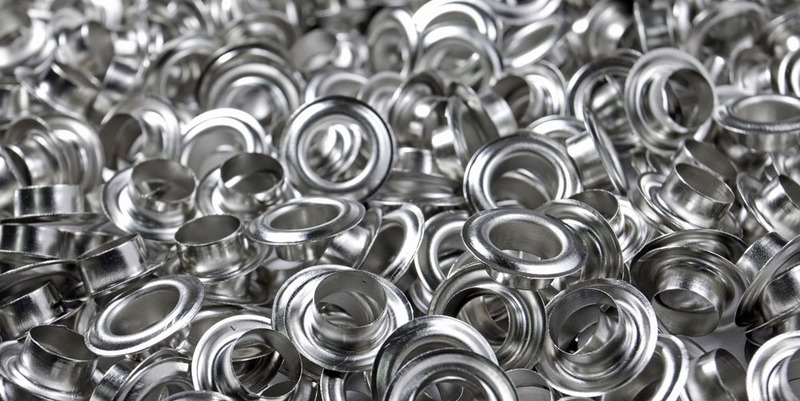
Ornaments and decorations (studs, rings, eyelets).
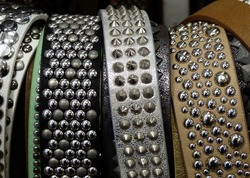
Example of hardware application in leather goods
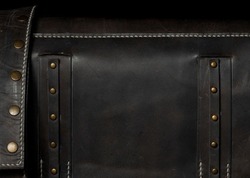
Another example of hardware application in the world of leather goods
In fact, hardware guarantees versatility, excellent finishes, and integrates with the design of the manufactured product.
Beyond hardware for leather goods, metal hardware for bags also plays a key role in the clothing field. In this case, too, those who create these objects are looking for the right mix between decoration and functionality.
From craftsmanship to the luxury sector, passing through the world of furniture and jewelry, hardware elements are increasingly used and appreciated.
Example of hardware application in the fashion world
Galvanic Treatments of Metal Hardware
Galvanic treatments are processes capable of modifying the appearance and functionality of a metal element.
It involves a process that applies, through electrolysis, a thin layer of metal on the surface of the treated manufactured product. This procedure allows coating an object with another material, with a dual function: protecting it from corrosion and altering its aesthetics.
In the field of hardware, the galvanic bath allows obtaining components coated with precious material that lasts over time, resisting natural oxidation in contact with air and moisture.
The most common galvanic treatments applied to metal hardware are performed with the following metals:
Nickel – finish that provides hardness, resistance, and shine;
Palladium – bright metal with a white-silver color, very resistant to corrosion;
Ruthenium – dark finish that provides hardness;
Gold – among the most precious coatings.
The resistance of galvanic finishes can be increased using protective varnishes applied to objects both in barrel and on frames, ensuring the maximum durability of metal hardware over time.
If you want to know more about metal hardware, subscribe to our newsletter.
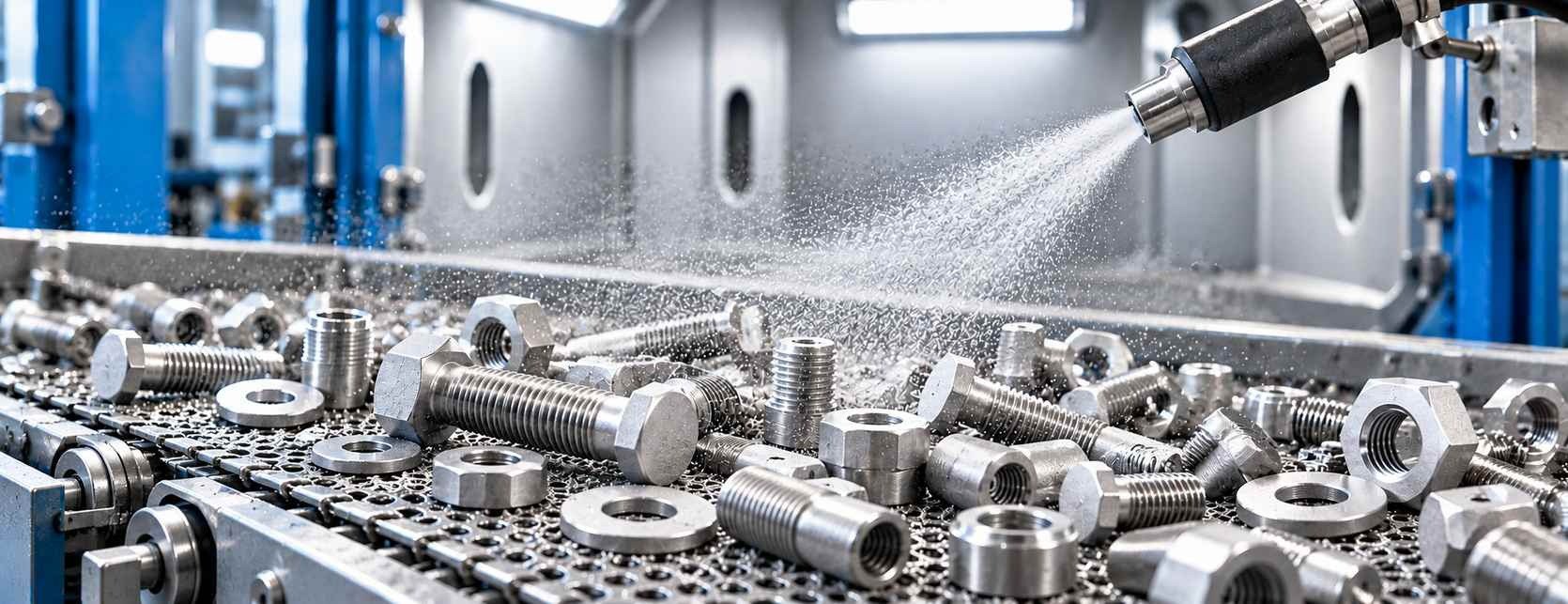
Metal sandblasting applied to small metal components: surface preparation, process control and its role in coatings for screws, bolts and threaded parts....
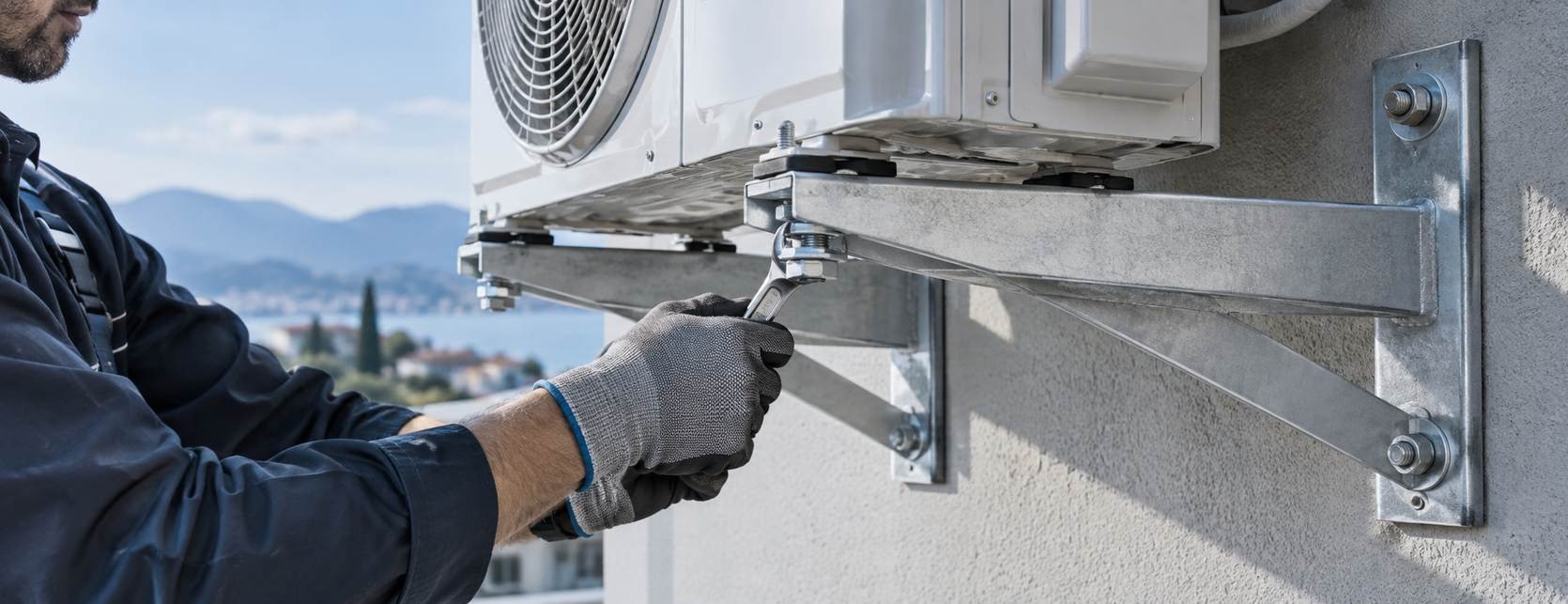
Technical guide to choosing anchors and bolts for air conditioner installation: substrate, bracket, anchoring, vibration, corrosion and proper tightening....
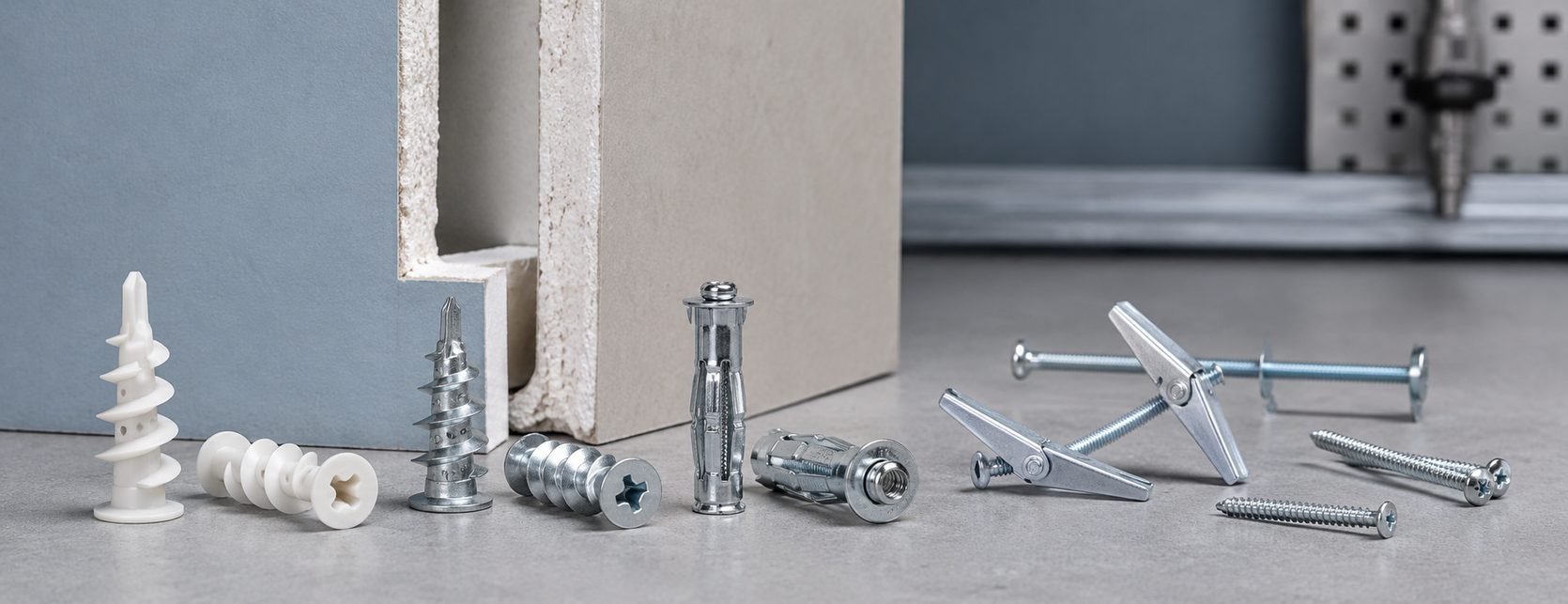
Drywall anchors: types, load capacity, selection criteria and correct installation to identify the most suitable fixing solution for every application....
Industrial automation is now a key factor in improving efficiency, quality, and control in manufacturing processes. By integrating machines, software, and data, companies can make their production more reliable, flexible, and competitive....
Threaded stud bolts are fasteners widely used in industry when it is necessary to ensure strong, reliable and above all time-demountable connections. Unlike traditional screws, they have a specific configuration that makes them particularly suitable ...
Carburizing is a thermochemical treatment that significantly improves steel performance by increasing surface hardness without compromising internal toughness. It is a fundamental solution for components subject to wear, friction and dynamic loads....
Surface treatments of steel are essential to ensure corrosion resistance, durability and reliable performance. Understanding which ones to choose and when to apply them helps you avoid problems, reduce costs, and improve component efficiency....
In the metal fabrication and construction industries, structural connection and reinforcement systems play a fundamental role in ensuring long-term stability and safety. Among these, steel tension rods are a widely used technical solution for absorbi...
The metalworking sector is one of the pillars of modern industry. But what does it actually encompass? What are its categories, and what jobs fall under it? In this article, we provide a clear and comprehensive analysis of one of the most strategic s...
Behind every product that reaches the market lies a complex network of suppliers, production processes, logistics, and distribution. Supply Chain Management was developed precisely to efficiently coordinate all these activities, transforming supply c...
 Added to quote