Adaptable, resilient, and extremely versatile, steel floors are architectural elements that enable the creation of innovative and functional structures.
The floor is a fundamental part of a building, and its steel variant offers significantstaticand economic advantages.
What makes these floors so special, and what are their main types and functions? Let's find out together.
How Is a Steel Floor Made?
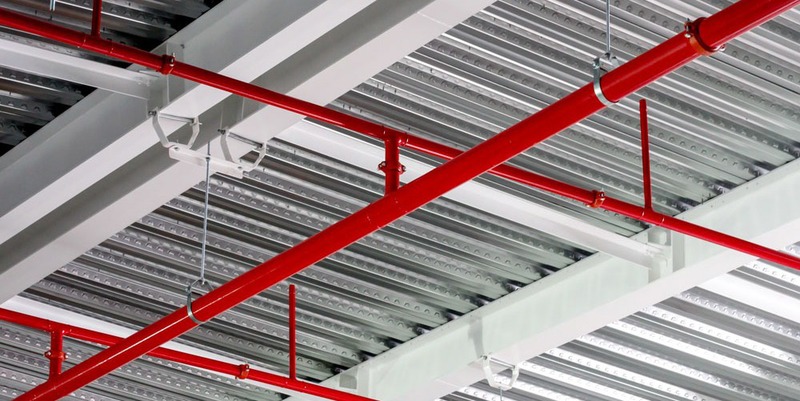
The essential component of steel floors is corrugated sheet metal, a flat, thin metal profile with variable thickness, characterized by the presence of trapezoidal longitudinal ribs.
This particular structure is ideal for the construction of floors, to which corrugated sheets can ensure stability and resistance.
The sheet can be used alone or in combination with other components: this is the case with composite floors, which involve the use of a collaborating sheet pairedwith a concrete slab. In this way, the metal component mixes with the concrete, which fills the spaces between the corrugations to create a "mixed" system capable of performing a static function.
Non-composite floors are those where the corrugated sheet only serves as formwork: its task is limited to supporting the weight of the structure.
The use of steel floors offers numerous advantages for builders:
Lightness, due to the use of steel;
Reduced bulk, thanks to the slender structure of the sheet;
Speed of installation;
Ease of cutting;
Ease of creating openings for systems.
This is why these components are increasingly used in the construction of architectural structures.
How Many Types of Steel Floors Are There?
In the construction field, there are various types of steel floors.
The most classic is the structure with steel and planks, generally featuring a concrete slab to complete the structure. It is an economical and easily implemented solution, used until a few decades ago.
Recently, other construction techniques have emerged.
The main modern types of steel floors are:
Steel-concrete composite floors: involve the use of a specially shaped corrugated sheet to adapt to bending stresses. The sheet is placed between beams; then, it is laid on top of a welded wire mesh and a concrete slab;
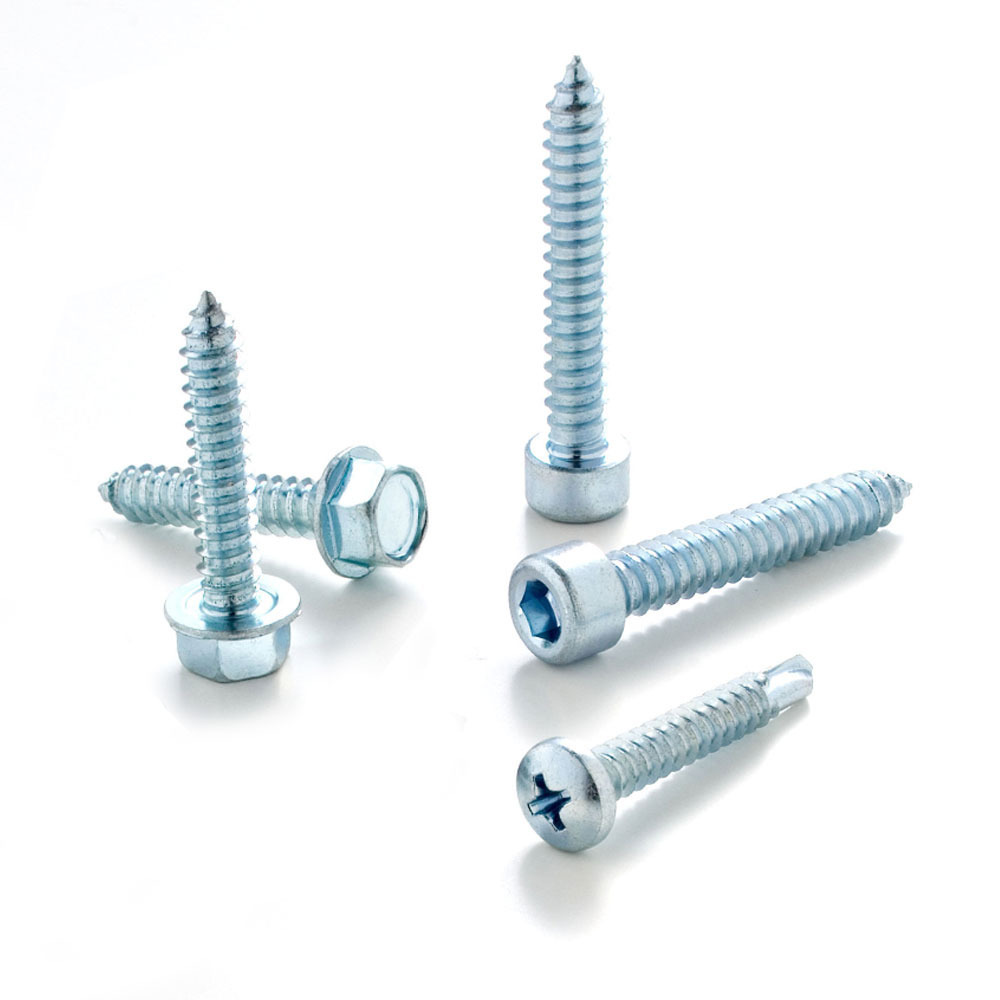
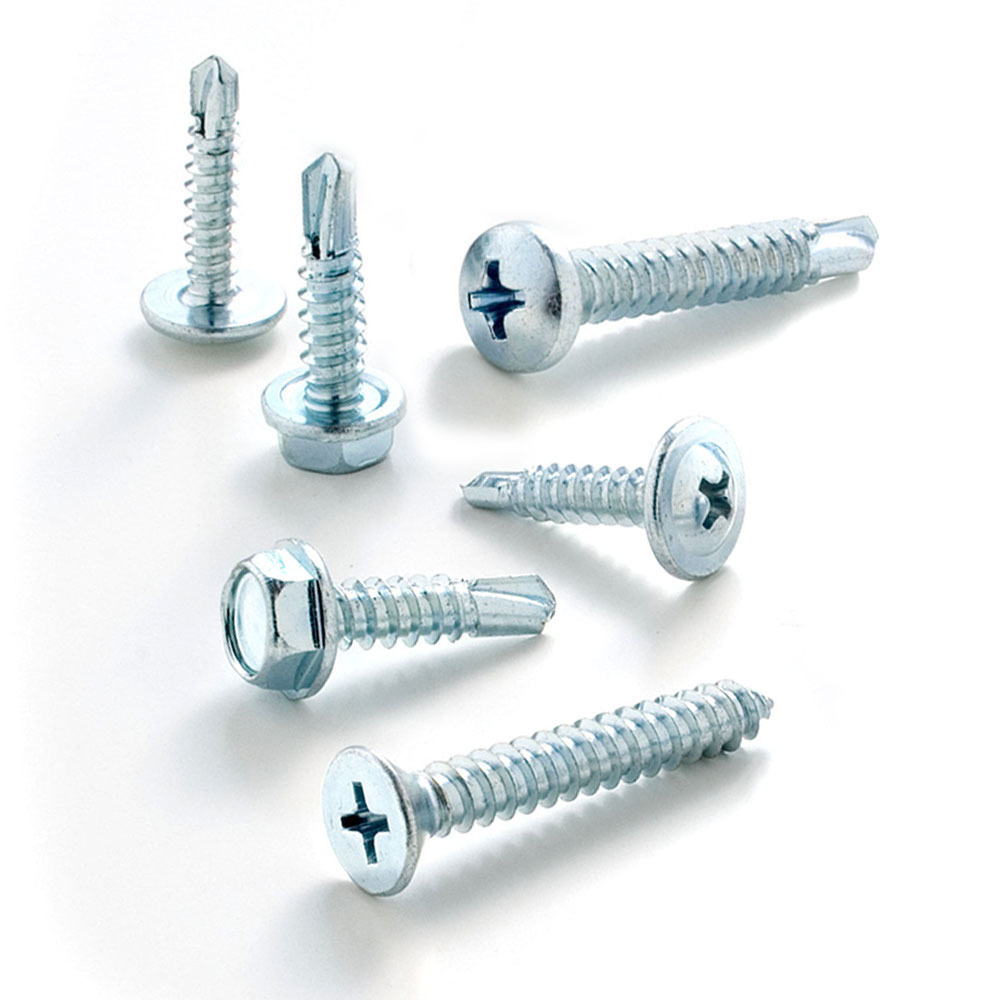
Dry steel floors: this type involves a panel made of two sheets of corrugated metal, glued onto insulating material and then fixed to the beams with screws. It is the most economical and quickest assembly solution.
Why Choose Steel?
Steel, with its inherent strength and durability, proves to be the perfect material for the construction of floors.
Its malleability allows for custom solutions, adapting to the specific needs of each project.
How to Avoid Floor Deflection: Consolidation and Reinforcement
A fundamental aspect in the construction of steel floors is preventing deflection.
This can be caused by excessive loads or by structural movements.
Today, there are consolidation and reinforcement techniques that ensure maximum stability; moreover, the use of materials like carbon or steel in combination with epoxy resins can guarantee greater resistance.
As with any type of processing and construction, it is essential to turn to professionals in the field for a correct evaluation and to carry out a targeted intervention, thus ensuring the safety and longevity of the floor.
Want more information on steel floors and other types of processing? Subscribe to our newsletter!
Drywall anchors: types, load capacity, selection criteria and correct installation to identify the most suitable fixing solution for every application....
Industrial automation is now a key factor in improving efficiency, quality, and control in manufacturing processes. By integrating machines, software, and data, companies can make their production more reliable, flexible, and competitive....
Threaded stud bolts are fasteners widely used in industry when it is necessary to ensure strong, reliable and above all time-demountable connections. Unlike traditional screws, they have a specific configuration that makes them particularly suitable ...
Carburizing is a thermochemical treatment that significantly improves steel performance by increasing surface hardness without compromising internal toughness. It is a fundamental solution for components subject to wear, friction and dynamic loads....
Surface treatments of steel are essential to ensure corrosion resistance, durability and reliable performance. Understanding which ones to choose and when to apply them helps you avoid problems, reduce costs, and improve component efficiency....
In the metal fabrication and construction industries, structural connection and reinforcement systems play a fundamental role in ensuring long-term stability and safety. Among these, steel tension rods are a widely used technical solution for absorbi...
The metalworking sector is one of the pillars of modern industry. But what does it actually encompass? What are its categories, and what jobs fall under it? In this article, we provide a clear and comprehensive analysis of one of the most strategic s...
Behind every product that reaches the market lies a complex network of suppliers, production processes, logistics, and distribution. Supply Chain Management was developed precisely to efficiently coordinate all these activities, transforming supply c...
Heat treatment of steel is one of the most important processes for obtaining reliable, resistant metal components suitable for industrial applications. From normalizing to tempering, these processes modify the structure of the material and determine ...
 Added to quote