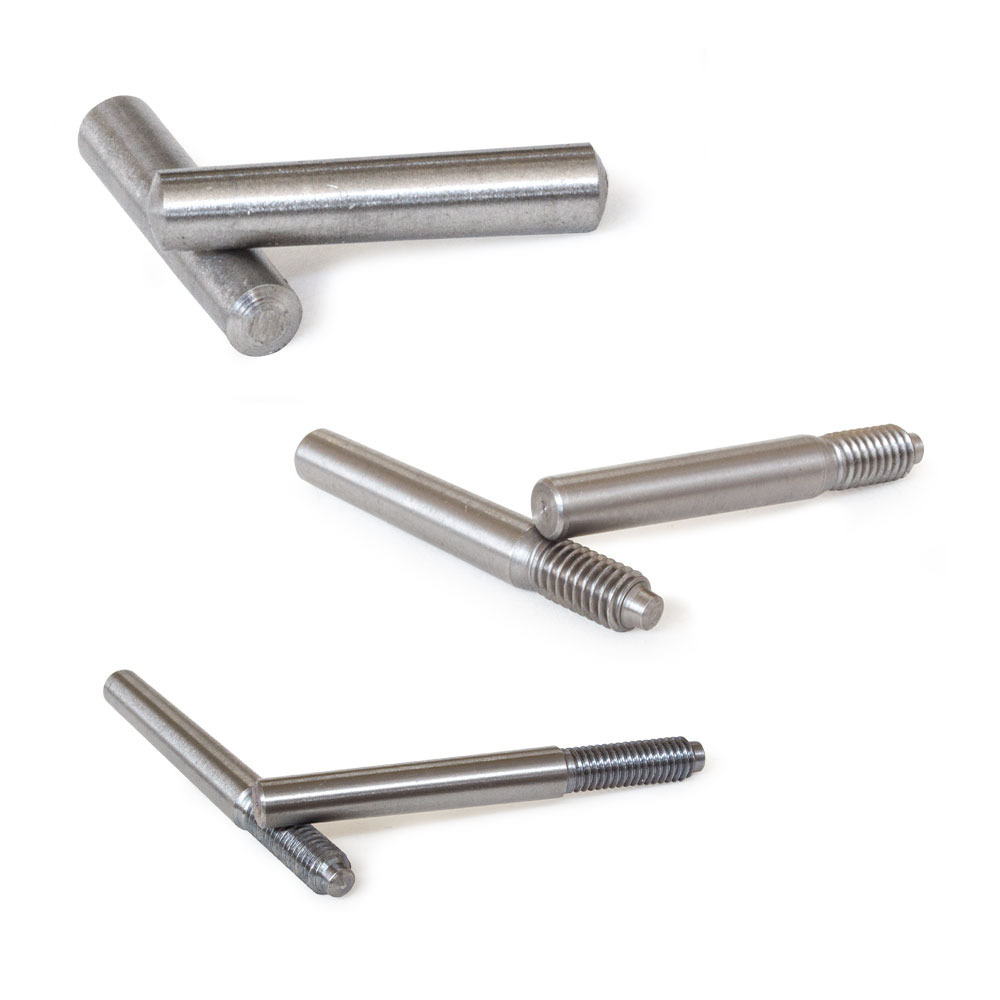
As mentioned, taper pins are mechanical components that allow the joining and coupling of two elements. They are used for joining but also for aligning the parts to be assembled (in this case, we specifically talk about centering pins).
Thanks to the use of taper pins, the work is of high precision, and their conical shape allows assembling ends with holes of different diameters. To create the housing holes for such pins, it's possible to use a manual reamer, a cylindrical tool that serves to enlarge the dimensions of the holes.
Taper pins: What are they?
As mentioned, taper pins are mechanical components that allow the joining and coupling of two elements. They are used for joining but also for aligning the parts to be assembled (in this case, we specifically talk about centering pins).
Thanks to the use of taper pins, the work is of high precision, and their conical shape allows assembling ends with holes of different diameters. To create the housing holes for such pins, it's possible to use a manual reamer, a cylindrical tool that serves to enlarge the dimensions of the holes.
To achieve the desired results in a machining process, it's important to know all the different types of taper pins available on the market. Moreover, the quality of the product should not be overlooked, in order to avoid an unsuitable component ruining the final result.
The differente types of taper pins
When we talk about taper pins, we refer more generally to a specific type of the different categories belonging to the family of mechanical pins.
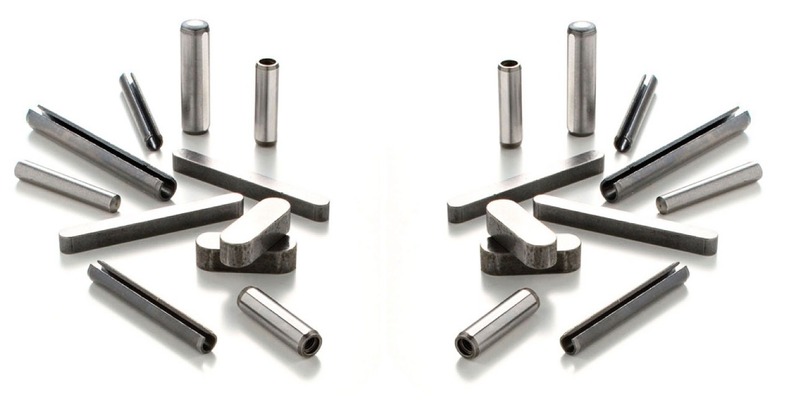
In detail, there exist different types of taper pins, each with its specificities and modes of use:
Taper pins are therefore a specific type of mechanical pins whose use offers numerous advantages. In fact, these mechanical components are often employed as locating pins (i.e., elements that allow the alignment and centering of the bodies to be joined) and for transmitting and/or resisting shear forces (a force applied perpendicularly to a surface that opposes a compositional force, thus creating a shear stress) applied to the components joined by the pins themselves. Moreover, such pins can be used to ensure spacing between the two components to be coupled, preventing the so-called seizing (sliding of the contact surfaces).
The sectors of use
Given their ease of insertion and the associated advantages, it's easy to understand that taper pins find various fields of application:
Mechanical industry
Automotive industry
Engine industry
Piping
Mechanical carpentry.
For more useful and interesting information about this product, subscribe to our newsletter. If you want to receive a free quote, contact our commercial team by writing to the email: commerciale@univiti.it
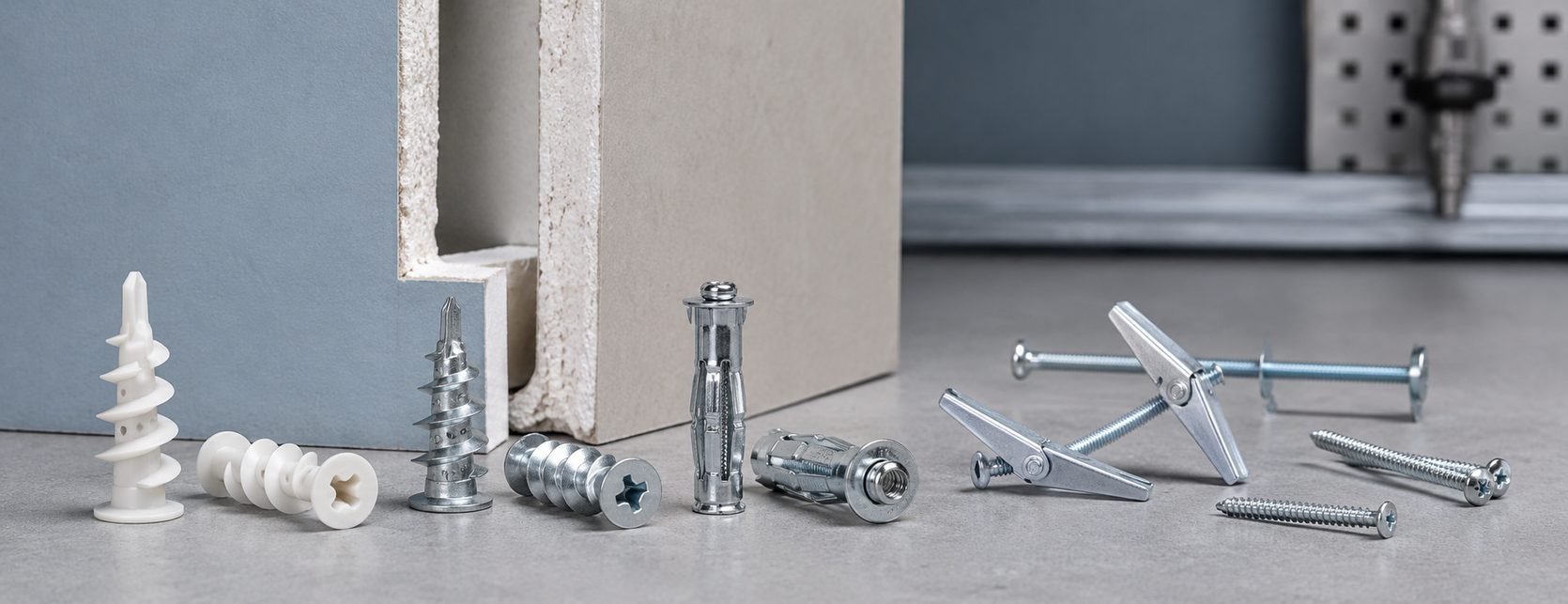
Drywall anchors: types, load capacity, selection criteria and correct installation to identify the most suitable fixing solution for every application....
Industrial automation is now a key factor in improving efficiency, quality, and control in manufacturing processes. By integrating machines, software, and data, companies can make their production more reliable, flexible, and competitive....
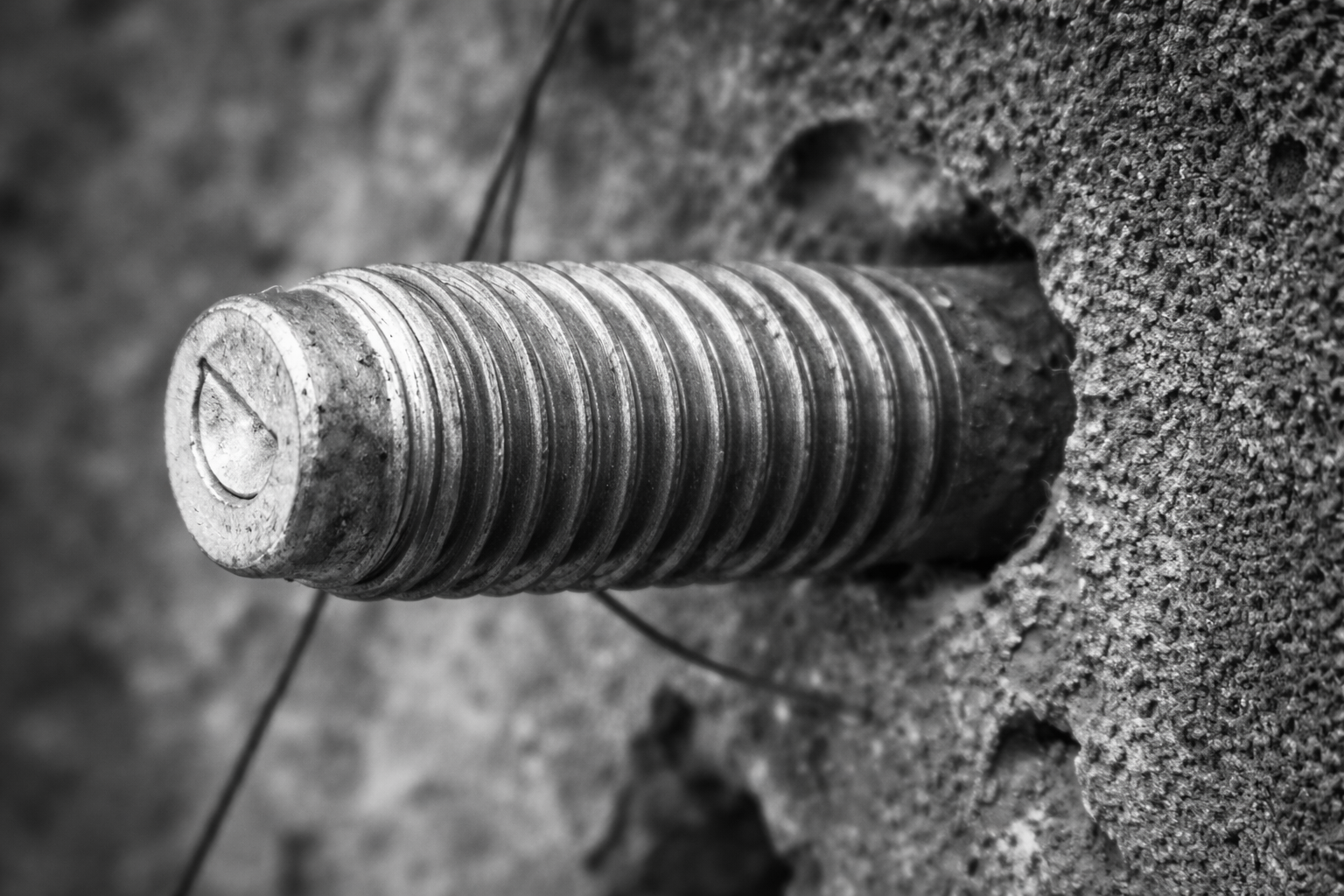
Threaded stud bolts are fasteners widely used in industry when it is necessary to ensure strong, reliable and above all time-demountable connections. Unlike traditional screws, they have a specific configuration that makes them particularly suitable ...
Carburizing is a thermochemical treatment that significantly improves steel performance by increasing surface hardness without compromising internal toughness. It is a fundamental solution for components subject to wear, friction and dynamic loads....
Surface treatments of steel are essential to ensure corrosion resistance, durability and reliable performance. Understanding which ones to choose and when to apply them helps you avoid problems, reduce costs, and improve component efficiency....
In the metal fabrication and construction industries, structural connection and reinforcement systems play a fundamental role in ensuring long-term stability and safety. Among these, steel tension rods are a widely used technical solution for absorbi...
The metalworking sector is one of the pillars of modern industry. But what does it actually encompass? What are its categories, and what jobs fall under it? In this article, we provide a clear and comprehensive analysis of one of the most strategic s...
Behind every product that reaches the market lies a complex network of suppliers, production processes, logistics, and distribution. Supply Chain Management was developed precisely to efficiently coordinate all these activities, transforming supply c...
Heat treatment of steel is one of the most important processes for obtaining reliable, resistant metal components suitable for industrial applications. From normalizing to tempering, these processes modify the structure of the material and determine ...
 Added to quote