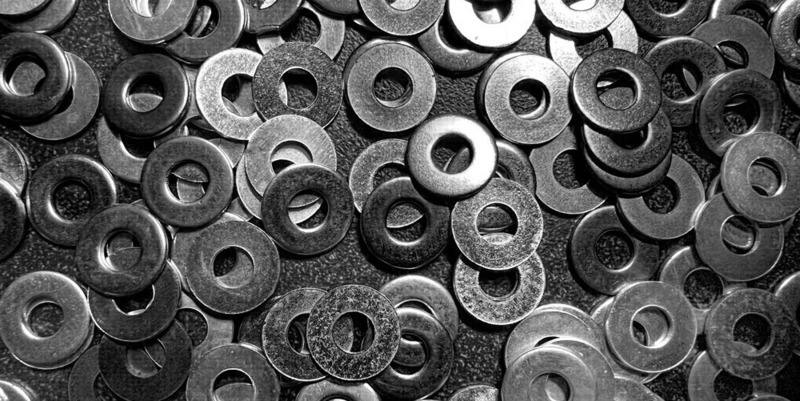
Also known as a shim or mechanical rosette, a washer is a disc-shaped element characterized by a hole, more or less wide, that is inserted between the nut of a bolt - or the head of a screw - and the object against which it will be screwed. The purpose for which washers are produced gives them the name of locking washers, precisely because they make the tightening more stable.
This mechanical element finds broad use in various applications. For this reason, there are numerous types of washers that are distinguished by certain characteristics. In the following paragraphs, we will outline all the facets and uses.
What are washers for?
Rosettes, or washers, are mainly used to increase the support surface and protect components in case of frequent screwing and unscrewing. The perforated discs placed between the screw head (or between the nut) and the mechanical part, facilitate tightening and make the assembly more solid.
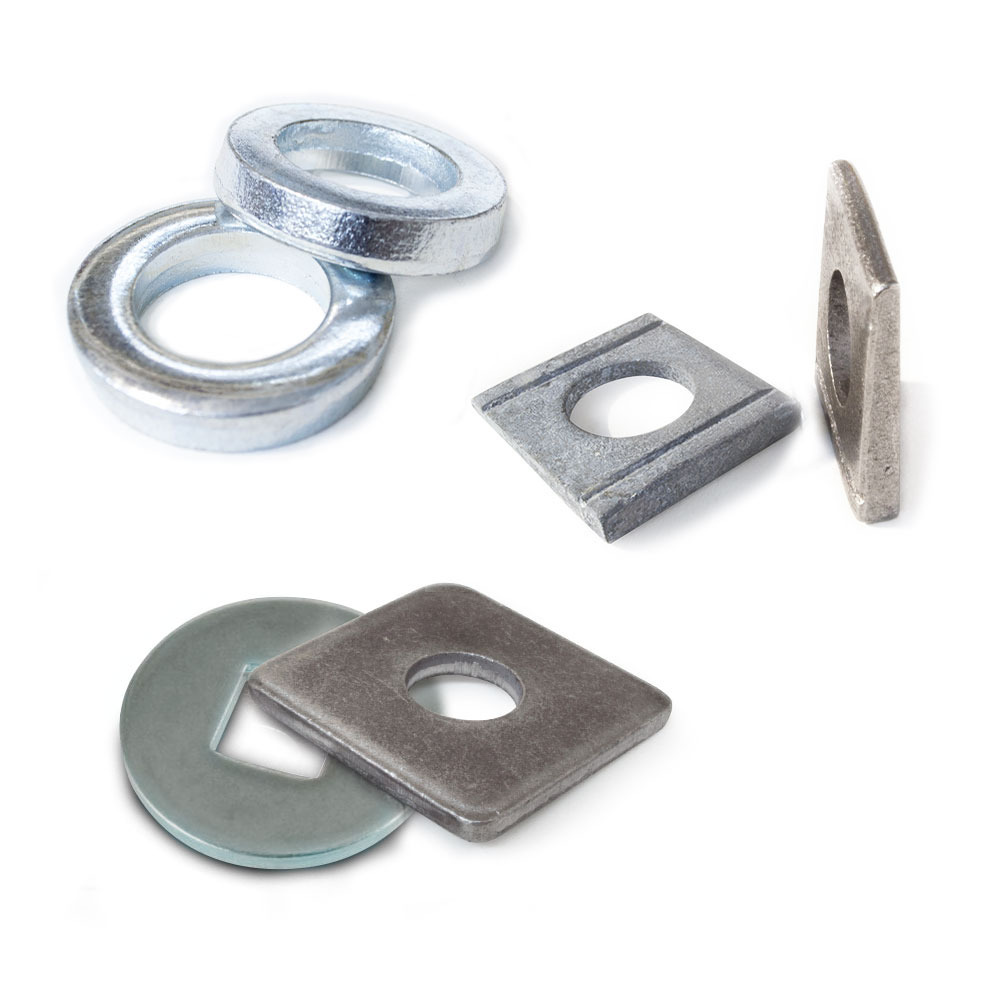
The configuration of these elements, which can vary from piece to piece, outlines the combination with bolts and their respective application sectors. For example, flat washers with a circular hole are usually used with hexagon head screws, while washers with a square hole or rectangular or square contour - also defined as plates - are used in carpentry.
How many types of washers are there?
The vastness of mechanical washers produced and present in the market, implies the need to classify them based on specific criteria such as:
Sizes
Hole diameter
Construction material (plastic, rubber, copper, iron, aluminum, cork, felt, and fabric).
Combining these three criteria with each other, each mechanical element will have its uniqueness and destination.
A first macro categorization sees the distinction between: flat washers, thin washers, special washers, and enlarged washers. In detail:
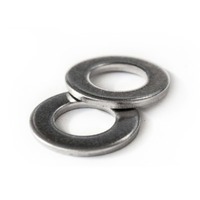
Flat Washer: used to distribute the tightening force over a wider surface than that which the bolt or screw can cover. To this macro-category, belong several subsections, specific for different applications between them. For example:
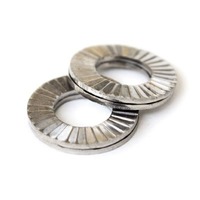
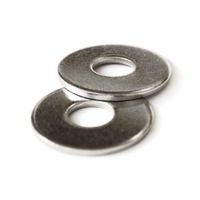
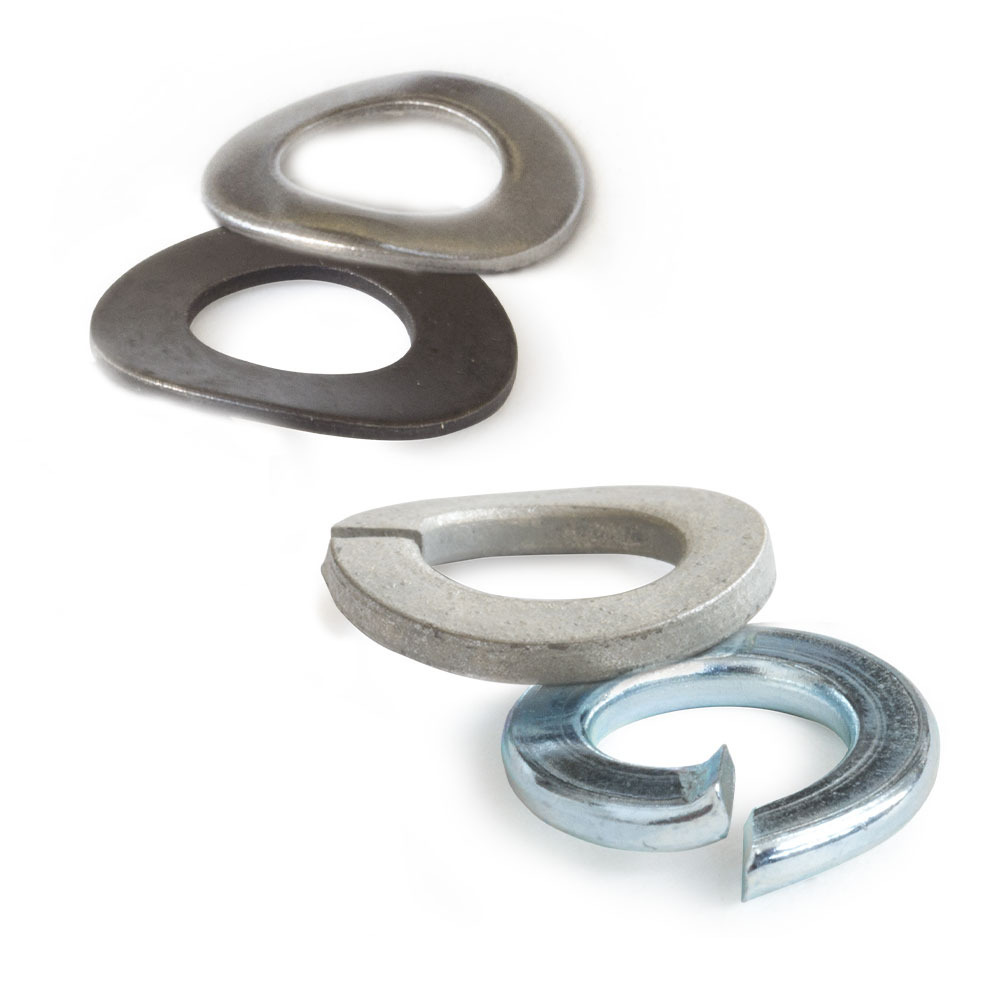
Conical Washers: mainly used to prevent loosening of the fastening in the presence of couplings subject to vibration. They are characterized by a wider opening compared to classic flat ones.
Figure 3 Conical washer
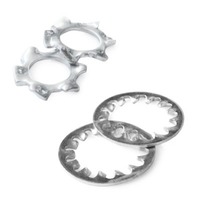
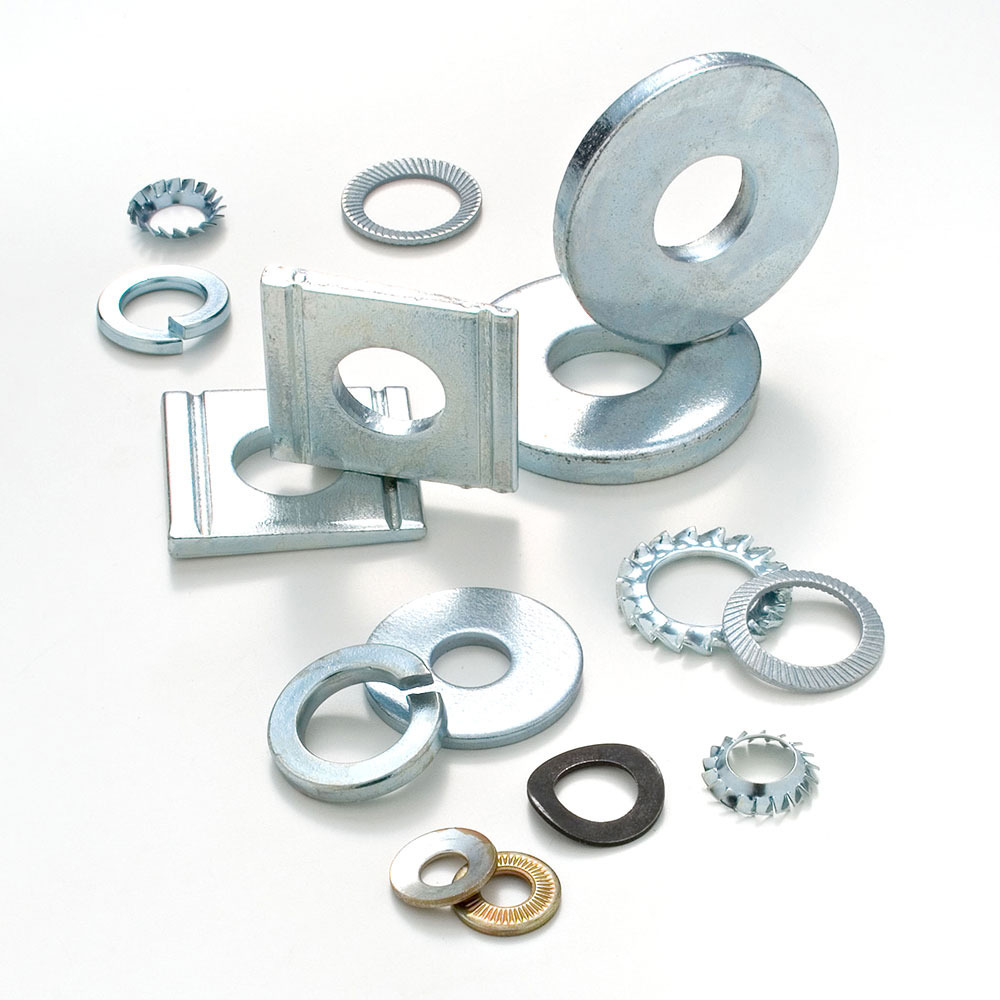
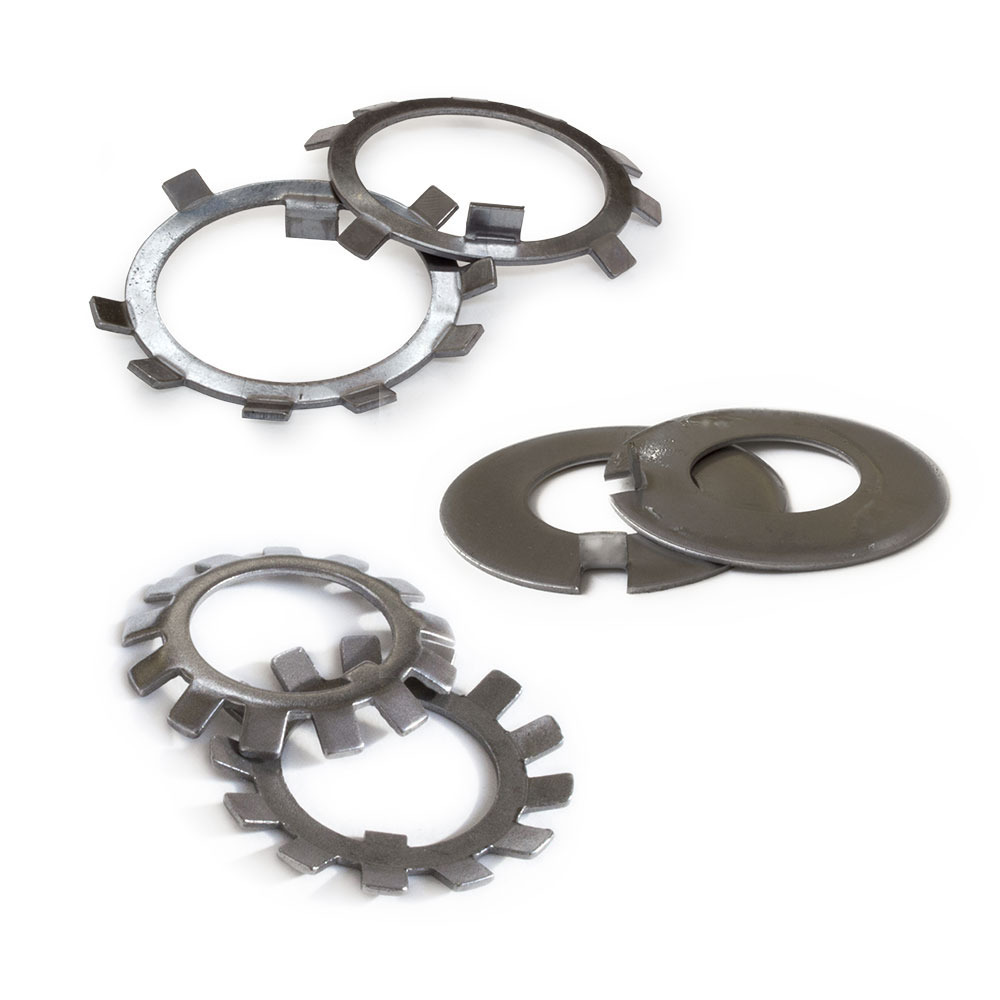
External and Internal Toothed Washers: the former are used for fastenings with limited tightening torques while the latter ensure locking on non-flat surfaces.
Figure 4 Toothed washers (internal and external)
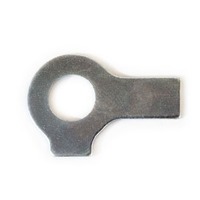
Safety Washers: equipped with tabs that are folded over the nut and allow increasing the grip.
Figure 5 Safety washer
Regardless of the type, the primary function of this element remains that of tightening/locking the object. The size of the washer is of particular relevance because, based on the size, the application of this component will be correct or wrong. In this regard, a separate discussion deserves the fender washers, belonging to the category of flat washers.
Fender Washers: What Are They?
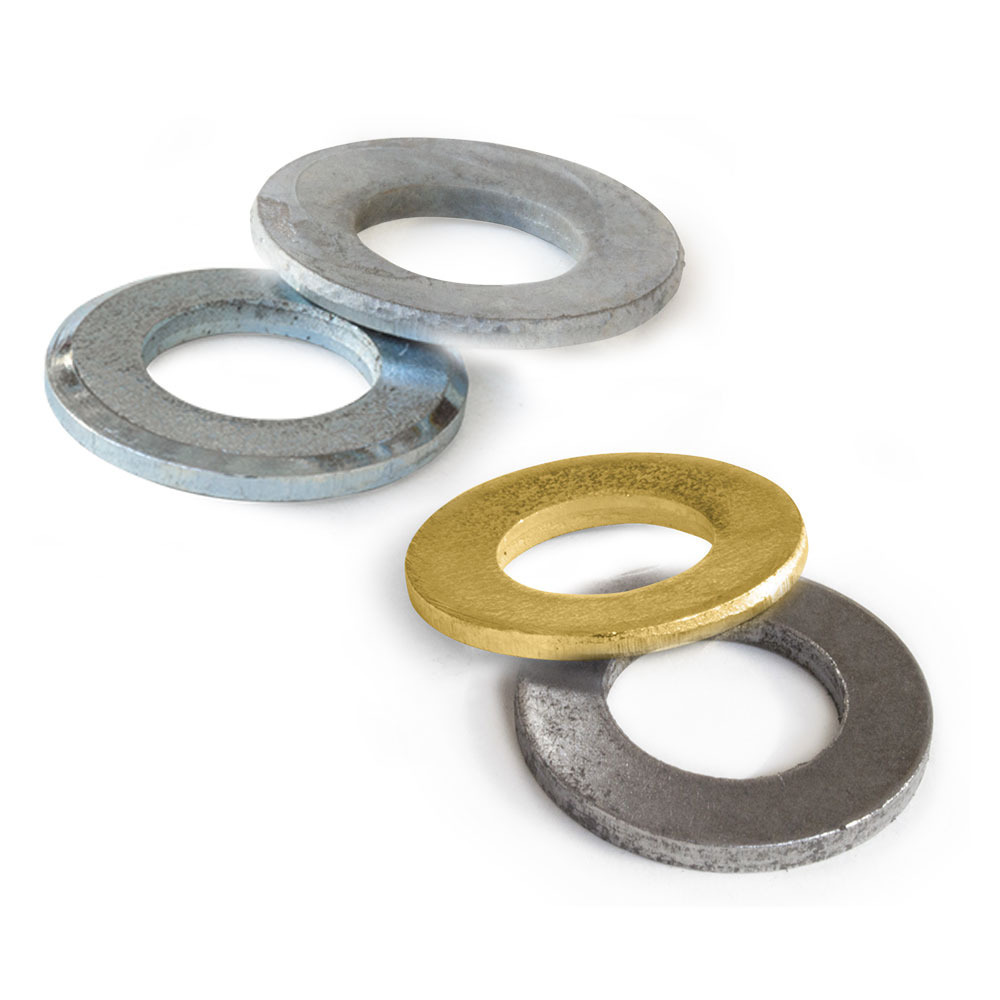
Figure 6 Fender washer
As anticipated in the previous paragraph, the fender washer is a particular flat washer. Countable among the enlarged washers, the fender washer features a wider band and is thus characterized by an outer diameter equal to 3 times that of the hole. The width of these elements makes them particularly protective: during tightening, the exerted force is distributed over a wider area, and this makes it possible for a greater protection of the underlying surface, in addition to creating a more stable tightening point.
These wide-band washers are generally produced in four materials:
Stainless steel, more robust devices and very resistant to corrosion; such washers find application in sectors where durability over time is a primary factor.
Galvanized steel, less resistant to weathering compared to stainless steel, are used in structures where there is no need to support particularly heavy loads.
Brass
Plastic
Among the fender washers, the UNI 6593 washers are those produced in steel 100/140. The fender washers are the enlarged washers par excellence because their dimensions are significantly larger than those of others.
For further useful advice on the different types of washers, subscribe to our newsletter.
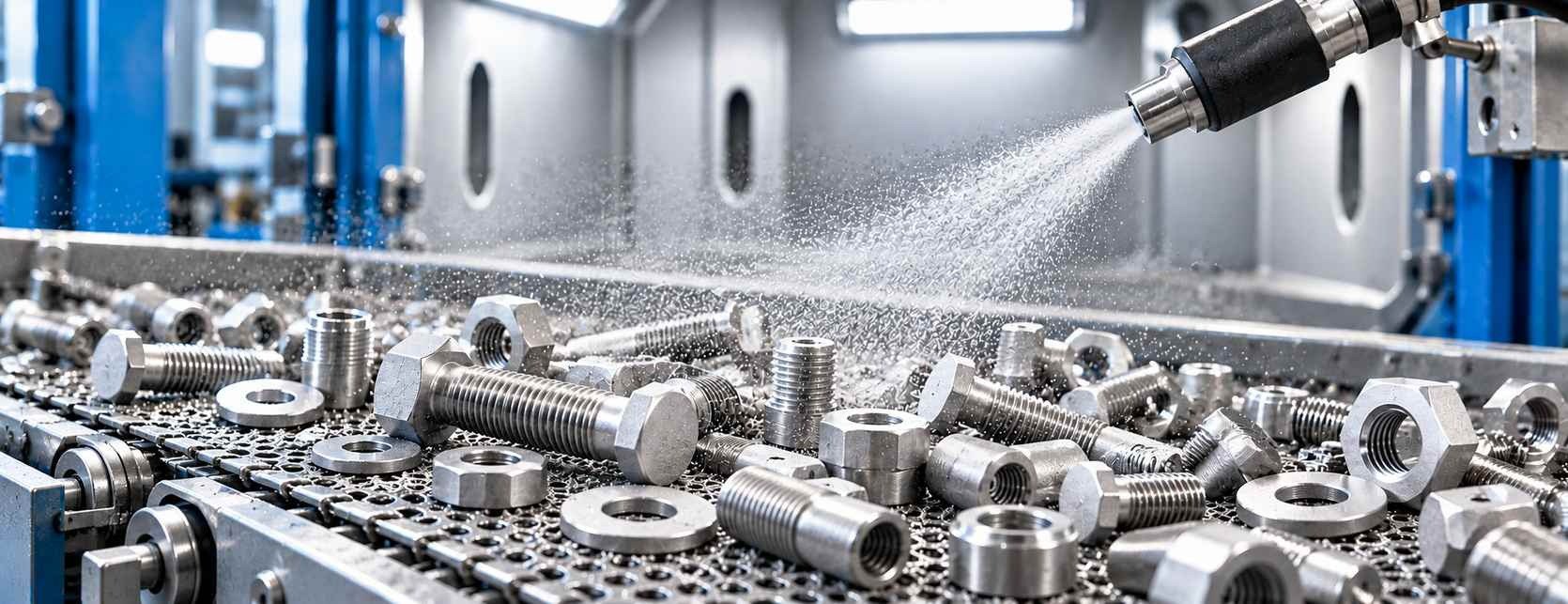
Metal sandblasting applied to small metal components: surface preparation, process control and its role in coatings for screws, bolts and threaded parts....
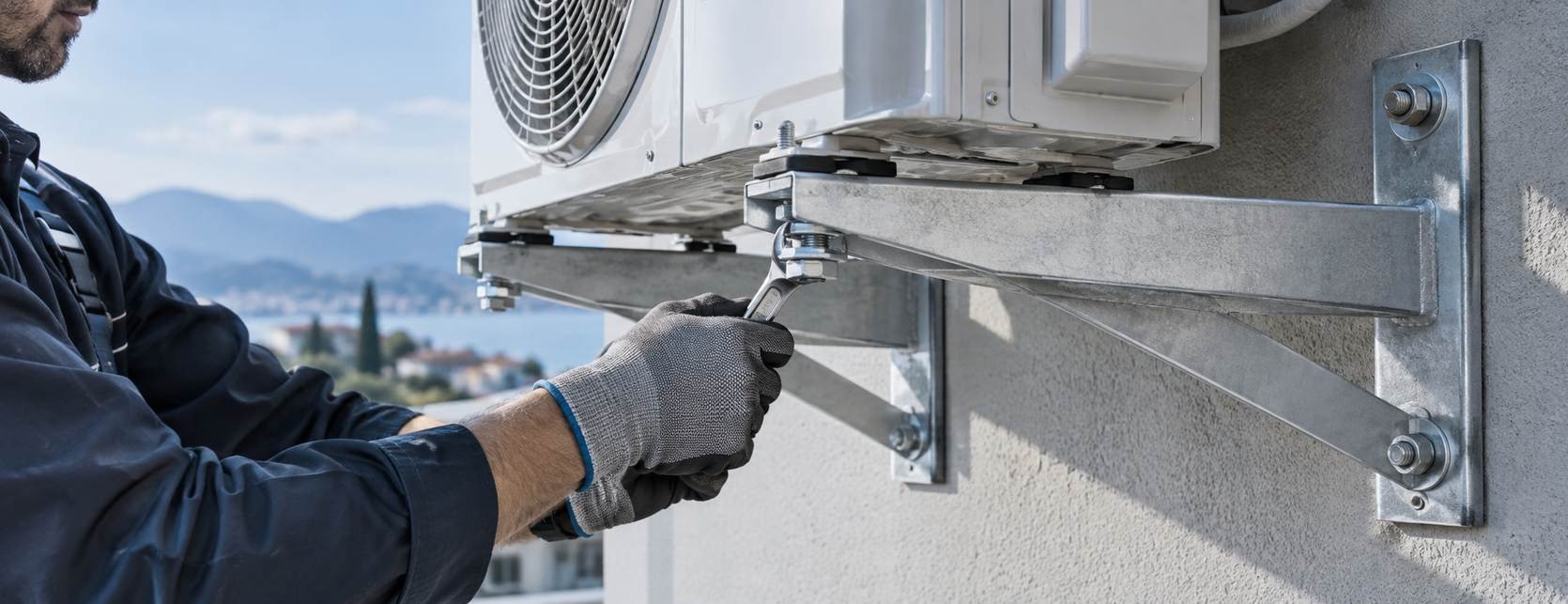
Technical guide to choosing anchors and bolts for air conditioner installation: substrate, bracket, anchoring, vibration, corrosion and proper tightening....
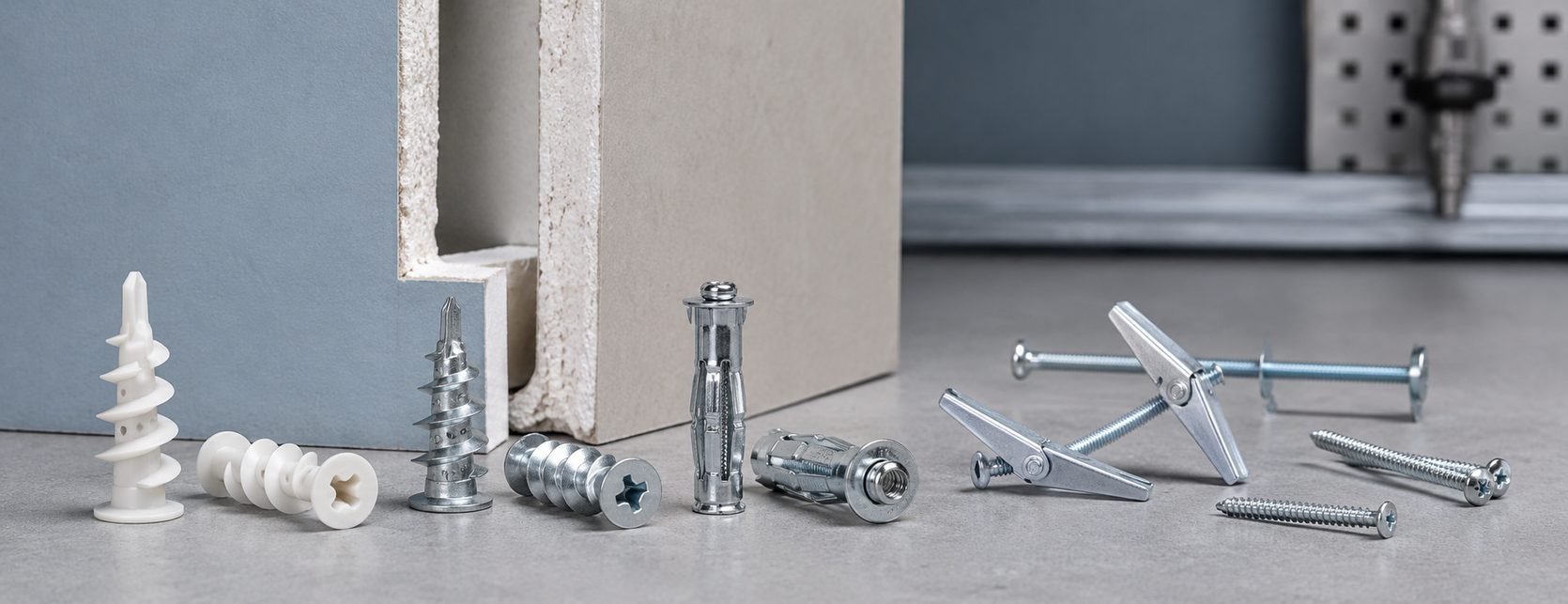
Drywall anchors: types, load capacity, selection criteria and correct installation to identify the most suitable fixing solution for every application....
Industrial automation is now a key factor in improving efficiency, quality, and control in manufacturing processes. By integrating machines, software, and data, companies can make their production more reliable, flexible, and competitive....
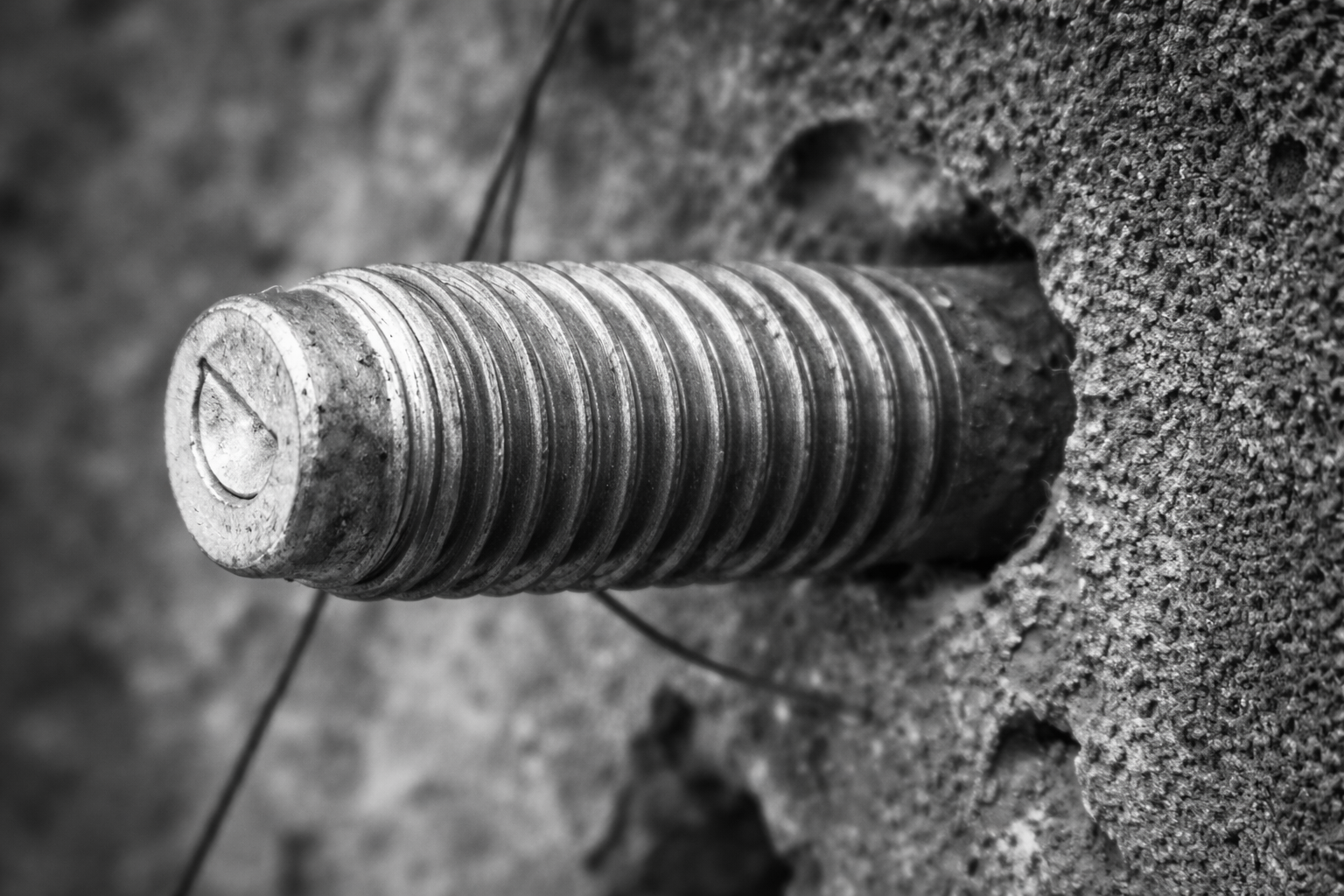
Threaded stud bolts are fasteners widely used in industry when it is necessary to ensure strong, reliable and above all time-demountable connections. Unlike traditional screws, they have a specific configuration that makes them particularly suitable ...
Carburizing is a thermochemical treatment that significantly improves steel performance by increasing surface hardness without compromising internal toughness. It is a fundamental solution for components subject to wear, friction and dynamic loads....
Surface treatments of steel are essential to ensure corrosion resistance, durability and reliable performance. Understanding which ones to choose and when to apply them helps you avoid problems, reduce costs, and improve component efficiency....
In the metal fabrication and construction industries, structural connection and reinforcement systems play a fundamental role in ensuring long-term stability and safety. Among these, steel tension rods are a widely used technical solution for absorbi...
The metalworking sector is one of the pillars of modern industry. But what does it actually encompass? What are its categories, and what jobs fall under it? In this article, we provide a clear and comprehensive analysis of one of the most strategic s...
 Added to quote