Rock Wall and Slope Stabilization: Suitable Materials
Landslides, ground collapses, and the presence of unstable masses are, unfortunately, phenomena that occur regularly. Every day, events demonstrate the accelerated levels of ground movement and alteration. But why do they happen? And how can these phenomena be slowed down?
When a piece of rock detaches from the mass or a landslide occurs, the main reasons are generally related to hydrogeological instability, the stability of the plot, and the absence of plants that fix the soil and prevent it from sliding. Stabilizing slopes and rock walls are techniques to counter these risky events and secure various affected areas. The work must be carried out following a careful analysis of the location and an equally meticulous choice of solutions, to mitigate the detachment of soil covers and/or debris material. In the next paragraphs, we will analyze the stabilization interventions and the appropriate materials to use.
What is Used to Stabilize Soil?
Soil stabilization can essentially occur at three different times:
Landslide in motion, when the condition of instability is current;
Possibility of a landslide, when an actual risk is observed;
Landslide occurred, when the ground has disintegrated.
Generally, phenomena involving rock walls are defined as "micro collapses" because they involve the surface of the rock without affecting the overall stability of the mass. In this case, the intervention (also defined as coating or cortical reinforcement) involves the use of equipment such as double twist mesh combined with nailing, plates, and reinforcement cables. Technicians and designers deciding on the intervention methods can choose between two types of coatings:
Simple coating, a technique of accompanying the falling material to the base of the slope;
Reinforced coating, a consolidation work of the slope to prevent further movements and falls of elements and portions of land.
Stabilizing slopes also involves the use of metallic nets and nailing, with specific thicknesses and arranged to favor future greening of the area. The coatings are carried out considering various factors, such as the inclination and length of the intervention, the material, and the thickness, all to strengthen the stability of the soil and improve its conditions.
In this case, the interventions can be of two types:
Active, characterized by the installation of anchoring bars that, combined with the metal mesh, act as a whole;
Superficial, mainly characterized by the use of the mesh that serves to reinforce, control the surface, and regreen.
Anchors, Eyebolts, and Nailing
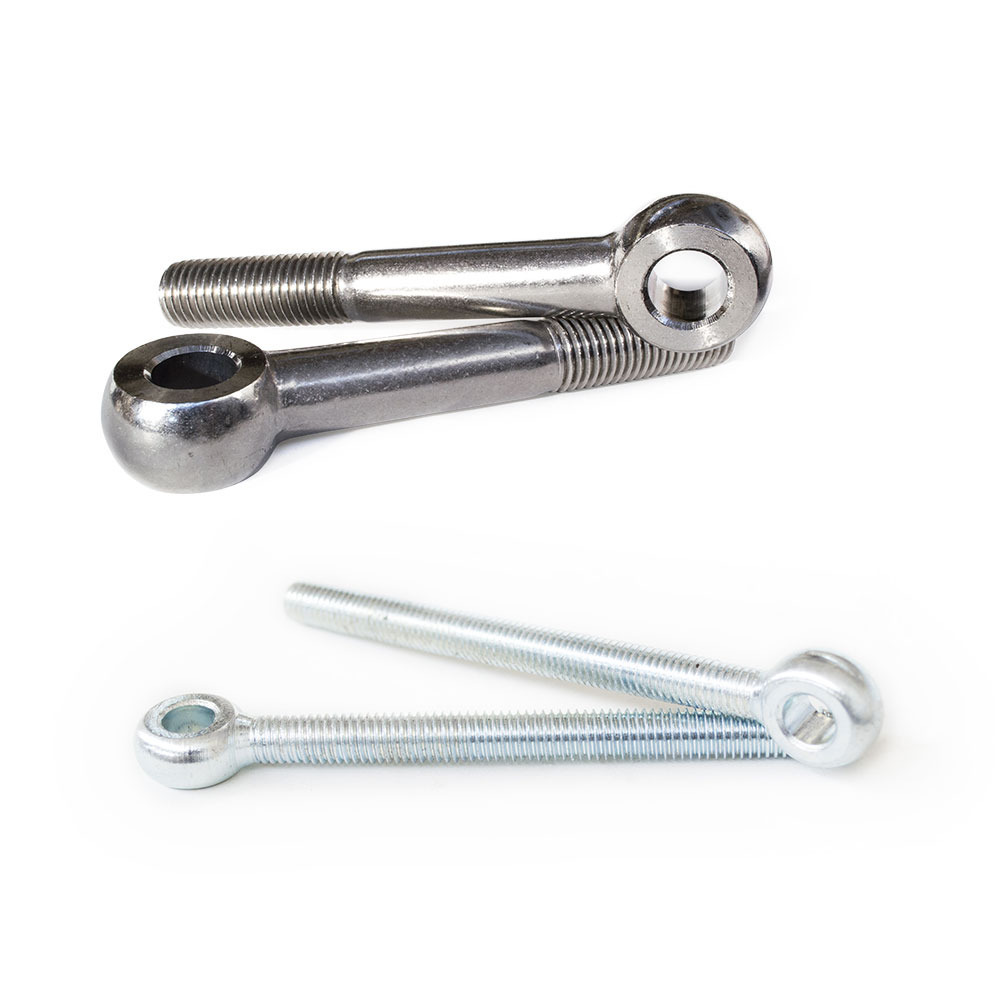
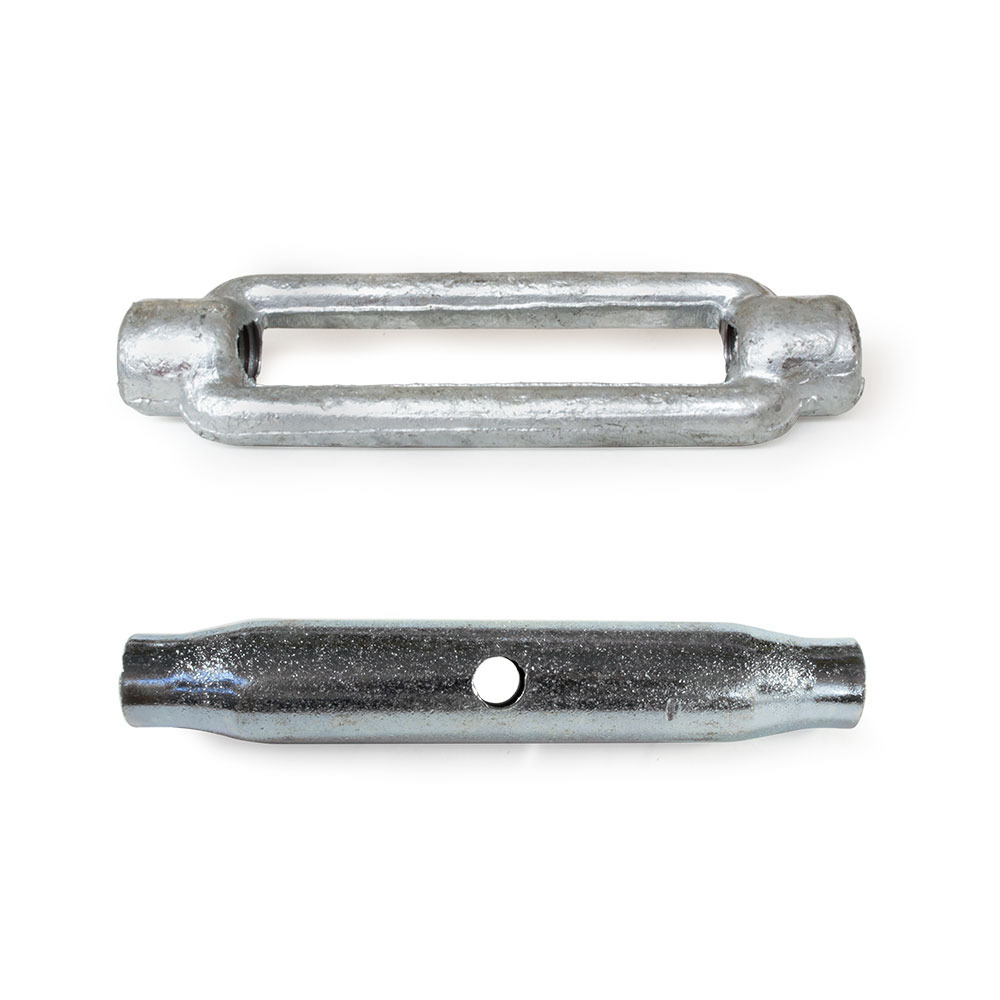
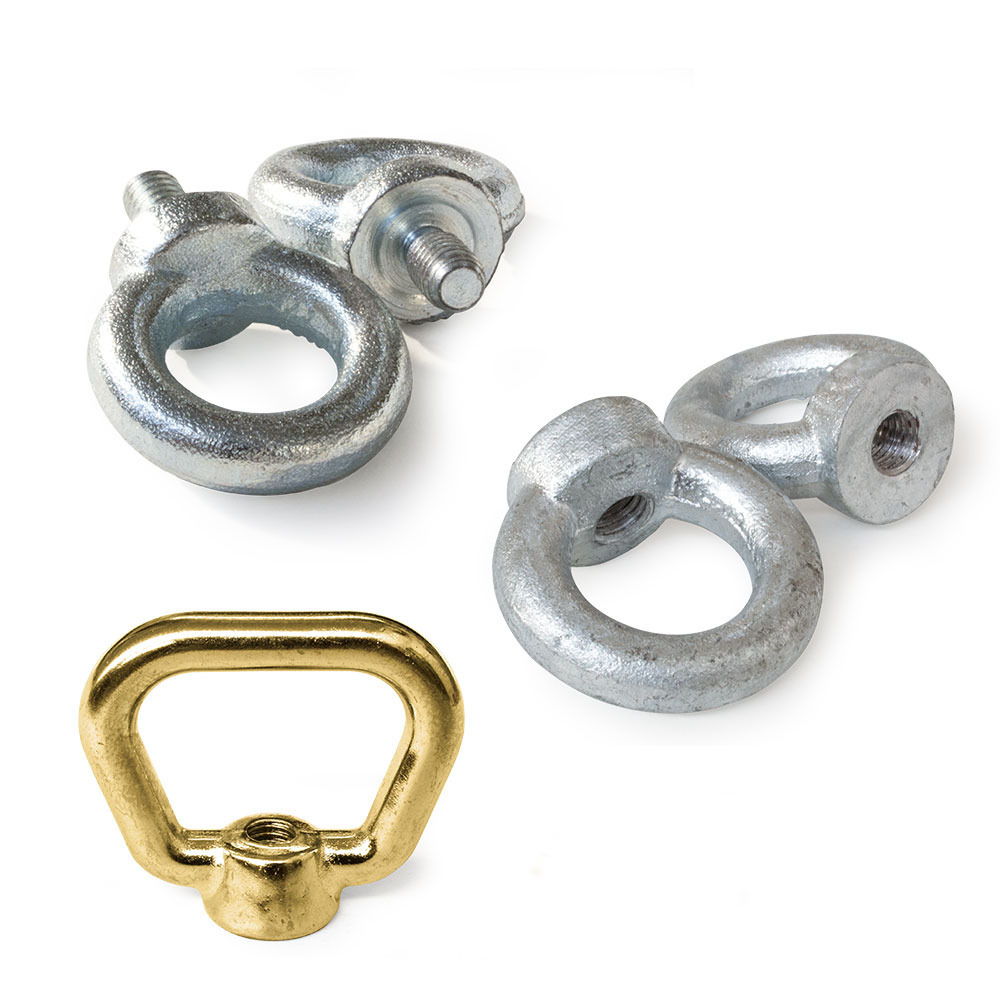
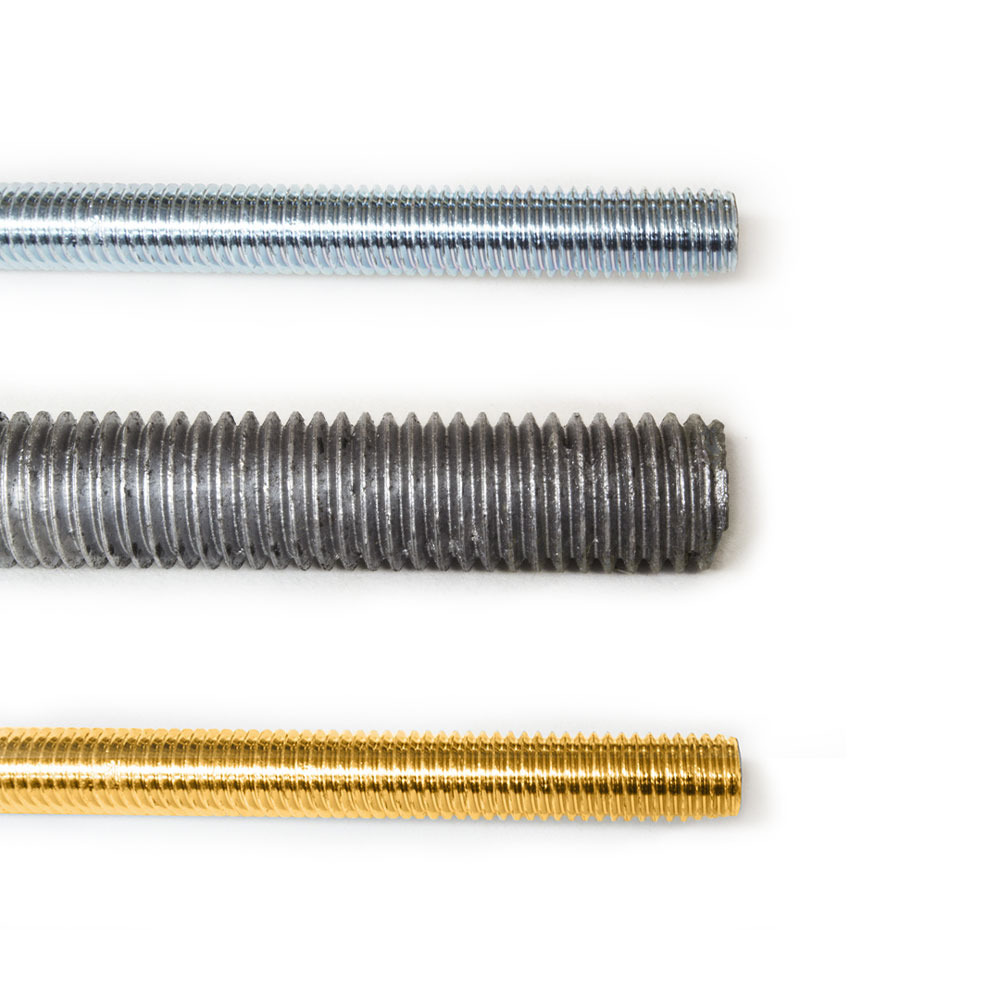
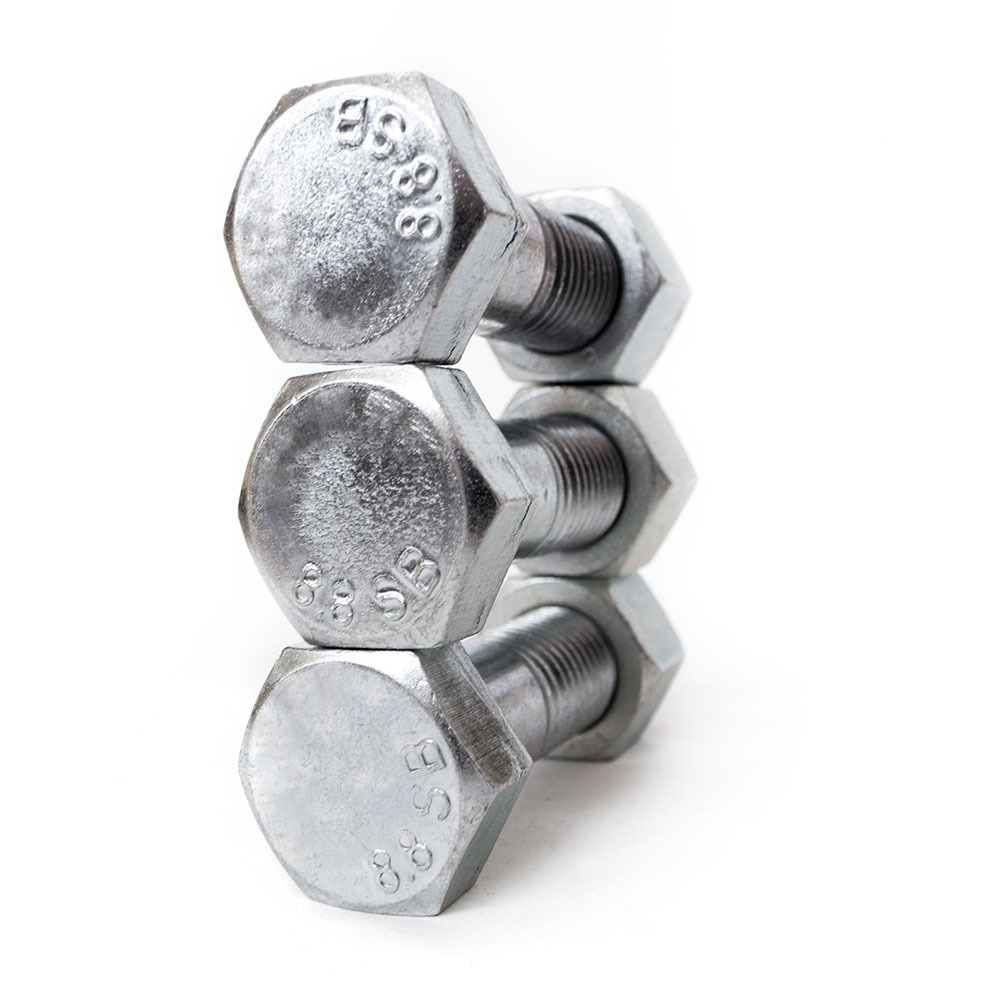
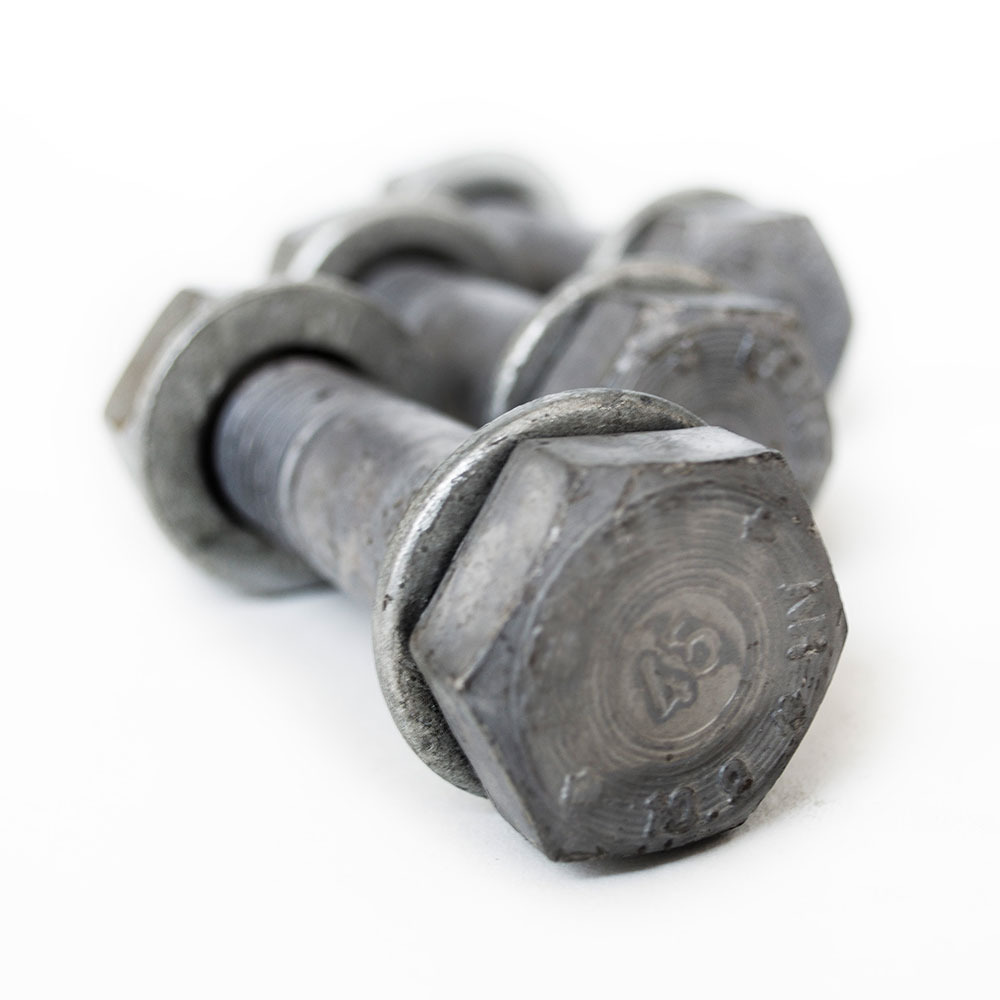
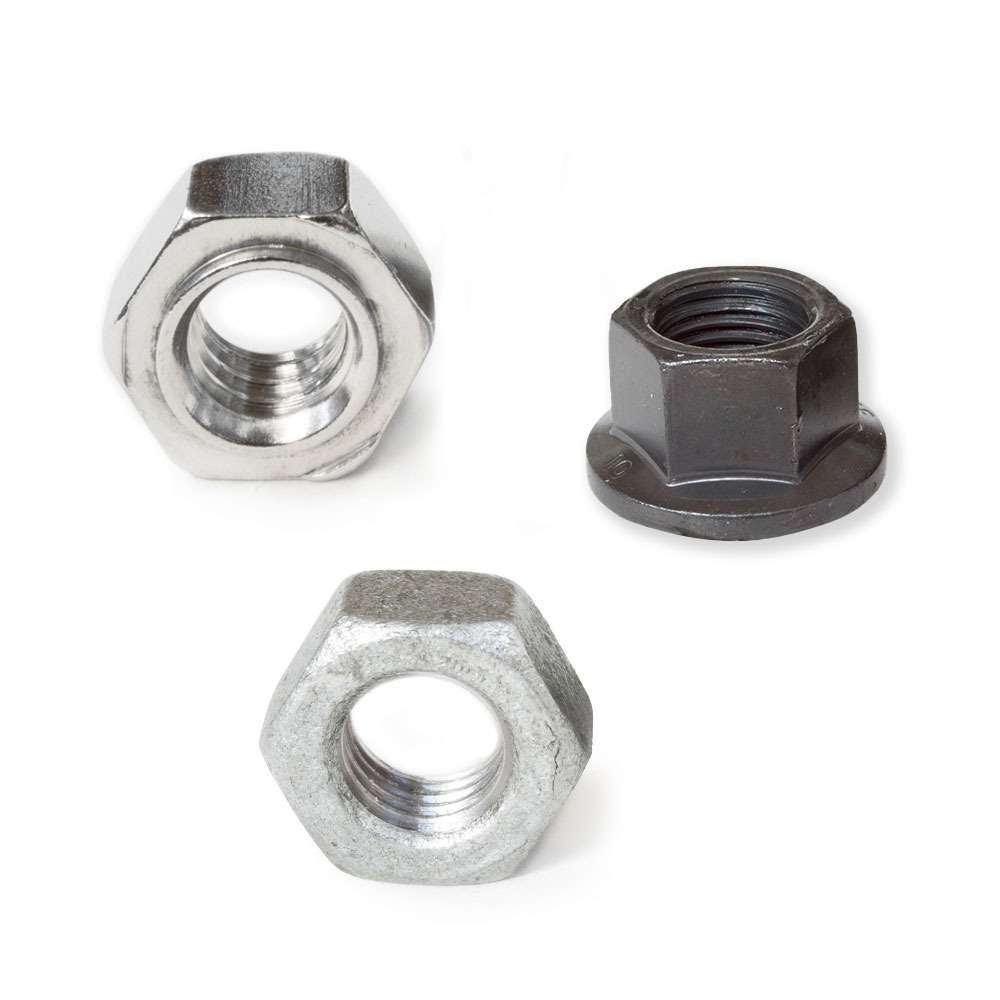
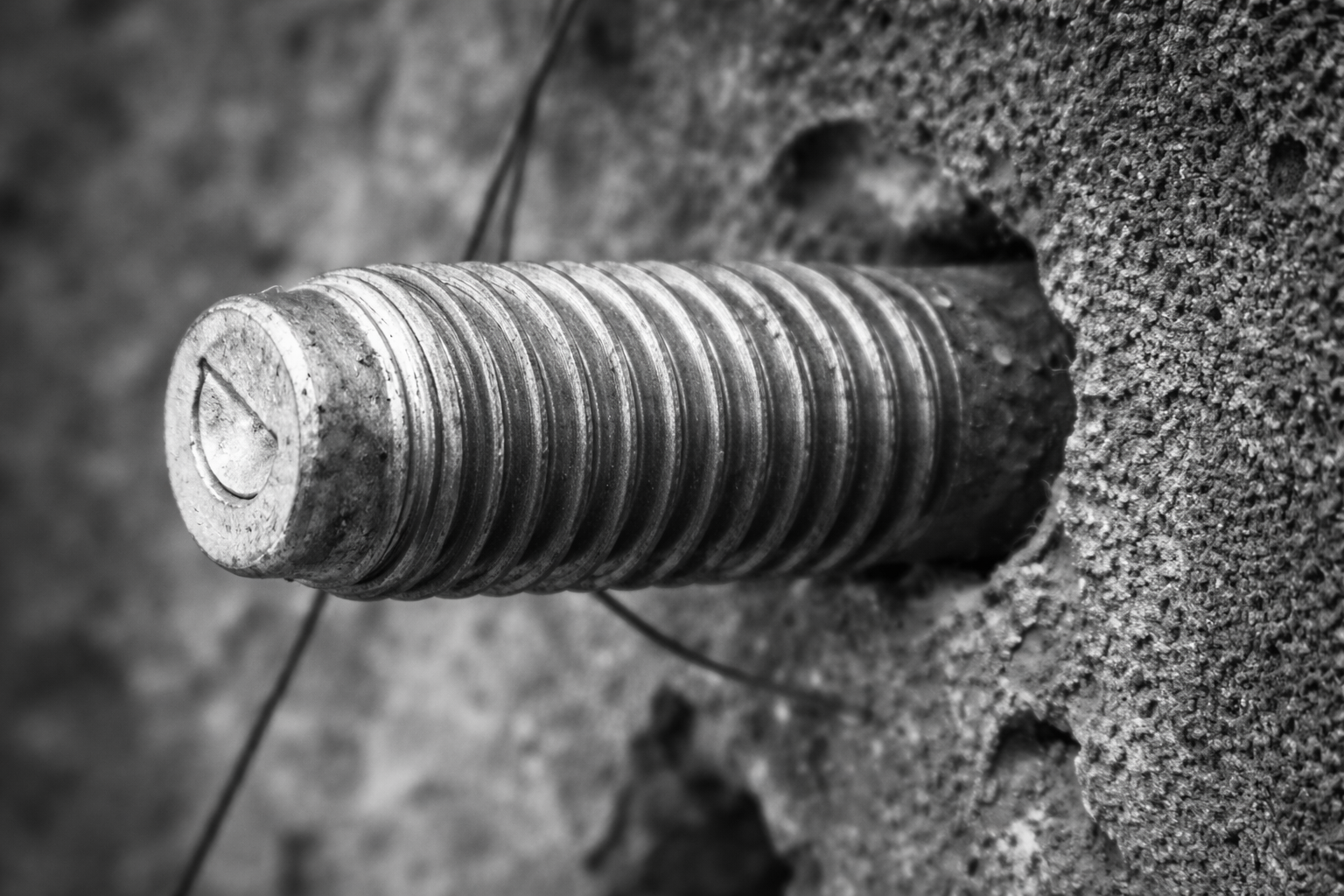
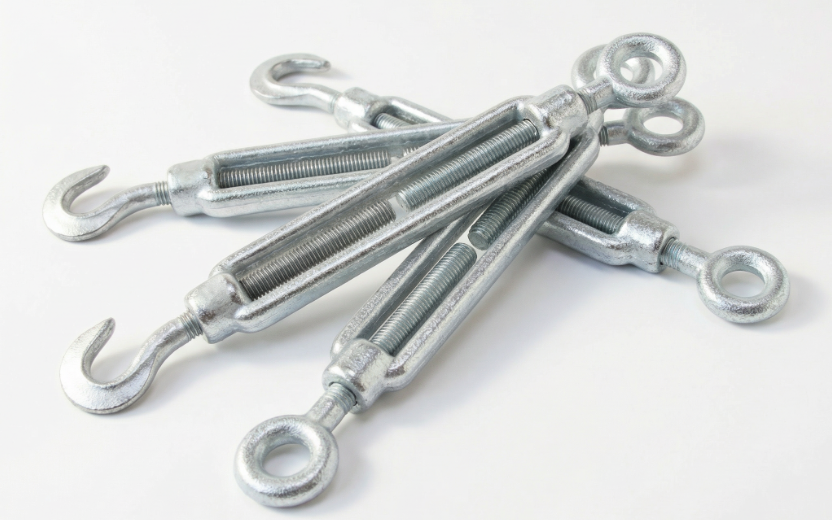
As mentioned in the previous paragraph, to avoid or reduce the dislodging of rock walls or slopes, in addition to metal meshes, various elements of bolting are used, including:
These elements can be subjected to treatments aimed at increasing the protection of structural steel and prolonging its durability over time, such as electrolytic galvanization or hot-dip galvanization.
For further information about the stabilization of rock walls and slopes or the components used, subscribe to our newsletter.
Metal sandblasting applied to small metal components: surface preparation, process control and its role in coatings for screws, bolts and threaded parts....
Technical guide to choosing anchors and bolts for air conditioner installation: substrate, bracket, anchoring, vibration, corrosion and proper tightening....
Drywall anchors: types, load capacity, selection criteria and correct installation to identify the most suitable fixing solution for every application....
Industrial automation is now a key factor in improving efficiency, quality, and control in manufacturing processes. By integrating machines, software, and data, companies can make their production more reliable, flexible, and competitive....
Threaded stud bolts are fasteners widely used in industry when it is necessary to ensure strong, reliable and above all time-demountable connections. Unlike traditional screws, they have a specific configuration that makes them particularly suitable ...
Carburizing is a thermochemical treatment that significantly improves steel performance by increasing surface hardness without compromising internal toughness. It is a fundamental solution for components subject to wear, friction and dynamic loads....
Surface treatments of steel are essential to ensure corrosion resistance, durability and reliable performance. Understanding which ones to choose and when to apply them helps you avoid problems, reduce costs, and improve component efficiency....
In the metal fabrication and construction industries, structural connection and reinforcement systems play a fundamental role in ensuring long-term stability and safety. Among these, steel tension rods are a widely used technical solution for absorbi...
The metalworking sector is one of the pillars of modern industry. But what does it actually encompass? What are its categories, and what jobs fall under it? In this article, we provide a clear and comprehensive analysis of one of the most strategic s...
 Added to quote