Sheet Metal Works: What They Are and What Materials Are Needed
Sheet metal works encompass all those activities involving the processing of metal sheets, including copper and aluminum, using both specific machinery and small tools.
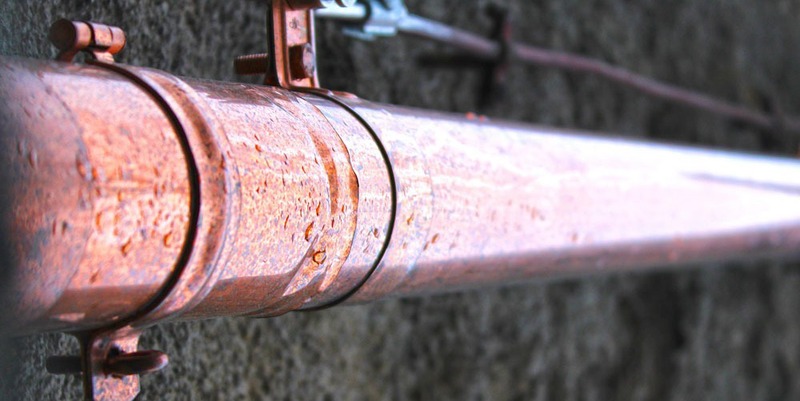
Sheet metal working is, in fact, a fundamental type of processing, for example, for the solidity of partial or total roof constructions, their replacement or repair, and for the creation of gutters and flashings essential for draining rainwater and preventing leaks.
In this article, we will describe in detail this area of work, the important professional figure of the sheet metal worker, and the fastening elements and bolts used in these works.
What Is Sheet Metal Working?
The world of sheet metal working is a prime example of how craftsmanship is indispensable in industrial processes and the realization of large and small constructions.
When we talk about sheet metal working, we refer to the activity through which sheet metal works are designed, processed, and installed, such as flashings, trims, and gutter channels. These types of elements are applied in various sectors.
Among the main ones is certainly construction, a field in which the metal sheet components manufactured and assembled are really diverse, such as:
Ducts
Piping
Joints
Flashings
Gutters
Coverings
Even in the naval and furniture sectors, there are different sheet metal accessories that can be used. Among these, for example:
Brackets
Hinges
Trays
Clips
Small boxes
Although most of these components in aluminum, copper, or iron are produced in metalworking shops, their assembly requires professionalism and precision, and this is where the expert figure of the sheet metal worker comes into play. What are the tasks of this figure, and what does a sheet metal worker do?
What Does a Sheet Metal Worker Do?
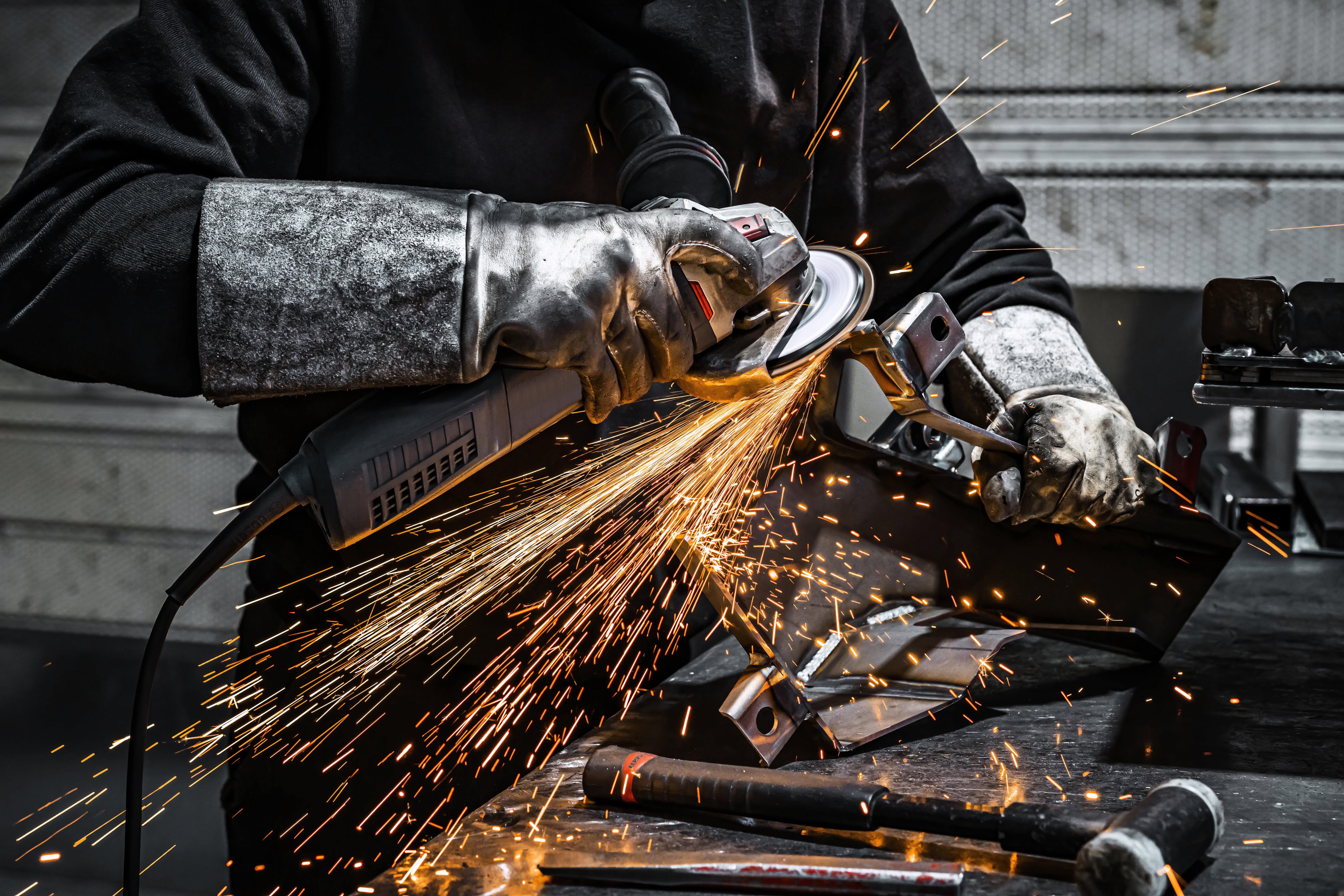
The sheet metal worker is the central figure in the design, realization, and supervision of sheet metal works. Indeed, this specialized figure is responsible not only for designing the works and ordering the necessary materials to execute them but sometimes can also play the role of a technical draftsman.
His task must be performed with the utmost precision. He indeed:
Creates structures
Assembles cut and bent components with the aid of tools like lasers, lathes, shears, and presses
Performs the installation of the artifacts directly on the construction site, testing their validity
Furthermore, it will be this craftsman who interprets and studies drawings and projects, selecting the most efficient models and making them in the most suitable materials for each situation.
Fastening Elements and Bolts for Sheet Metal Works
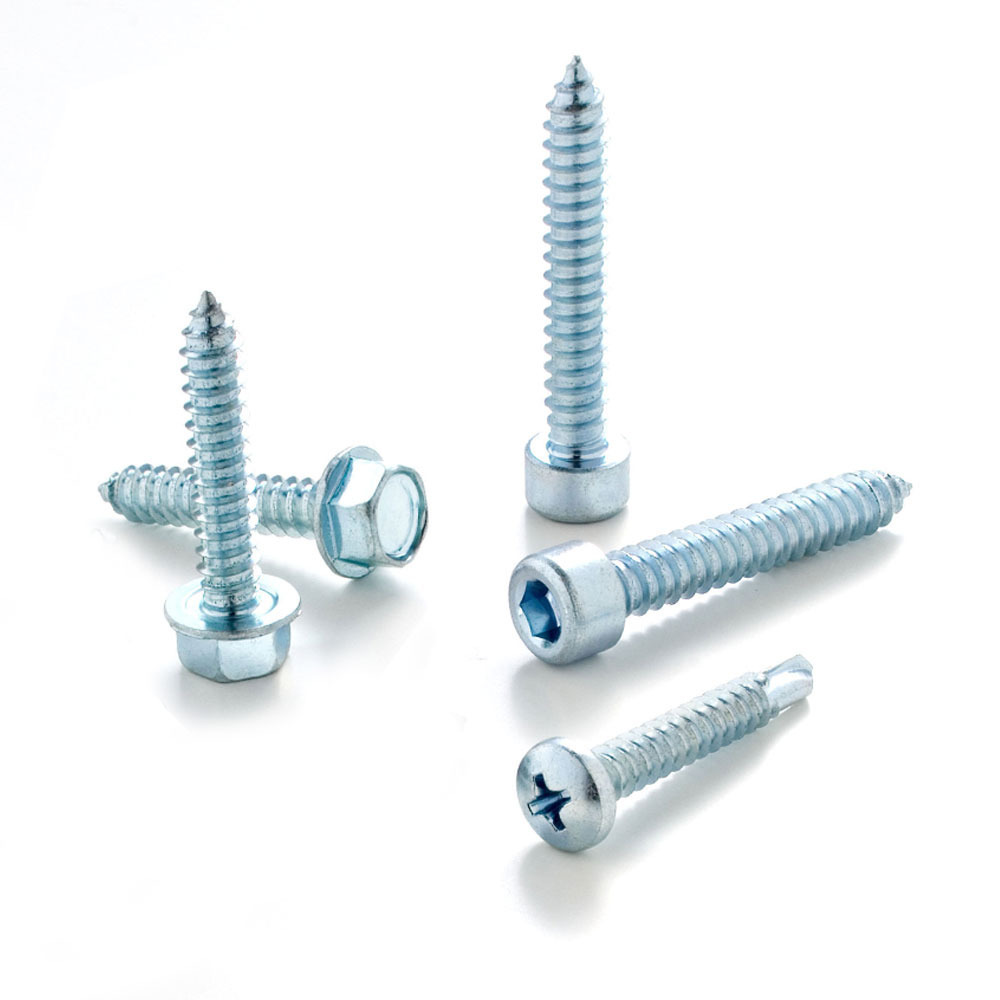
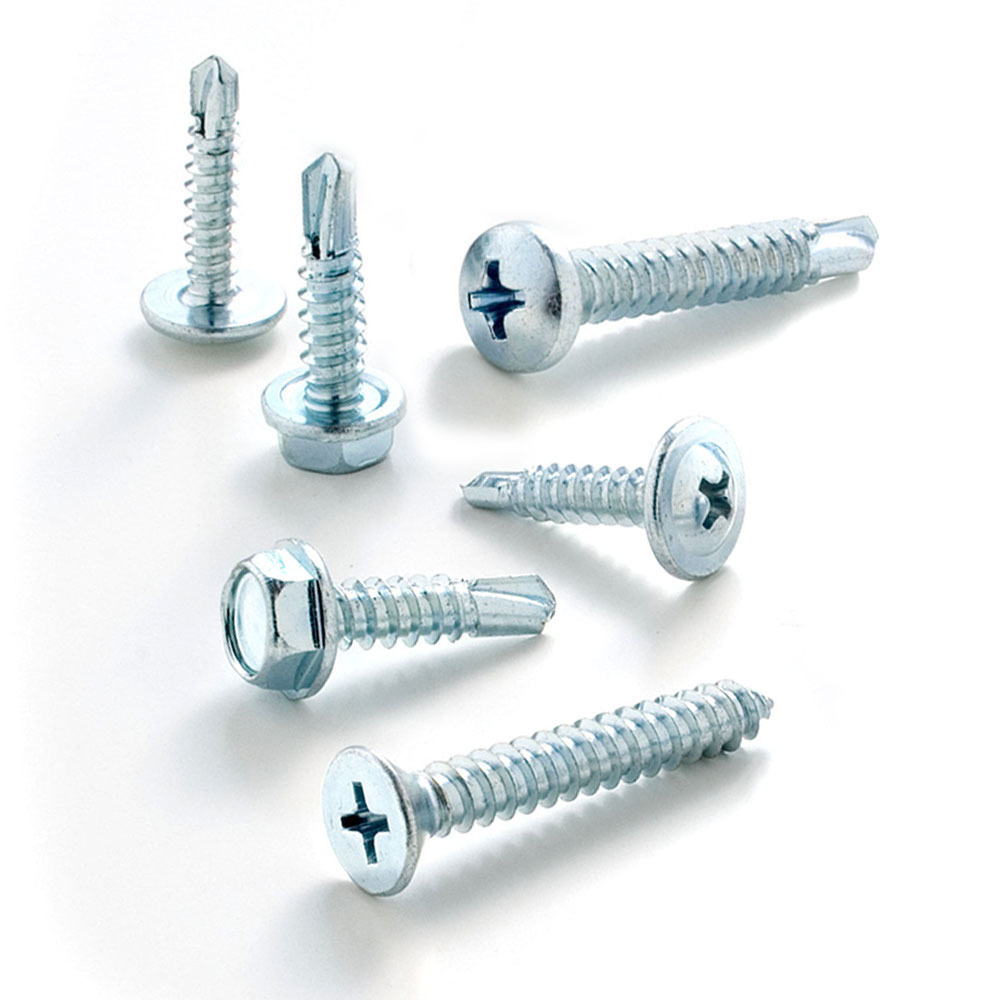
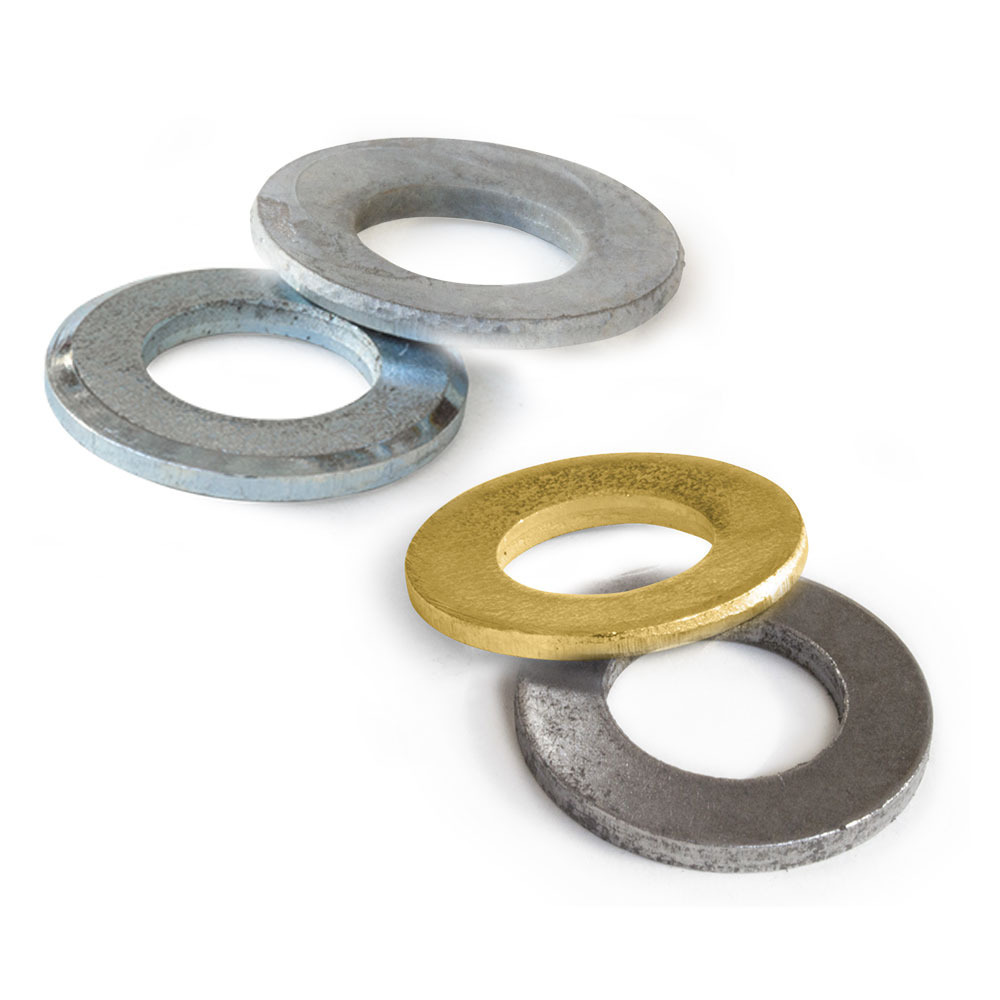
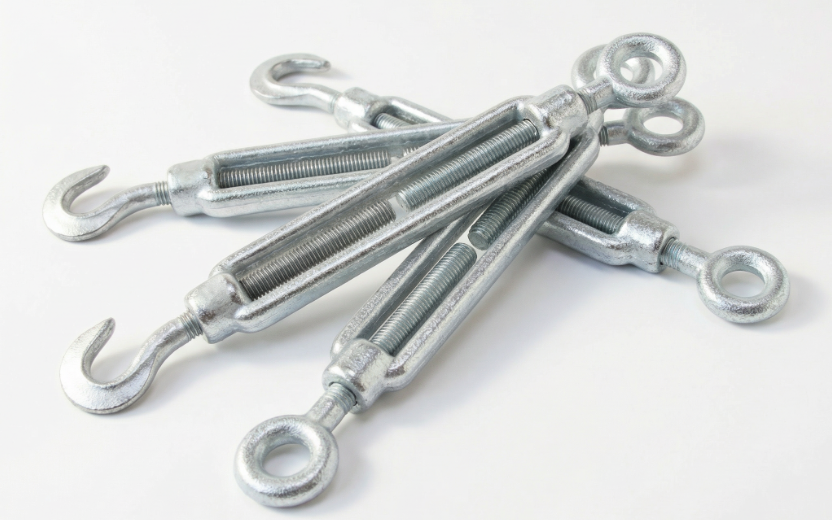
In sheet metal works, fastening elements play a key role in the stability and solidity of the structure. Indeed, for the assembled components to last over time, even the bolts must be studied and chosen based on the final destination.
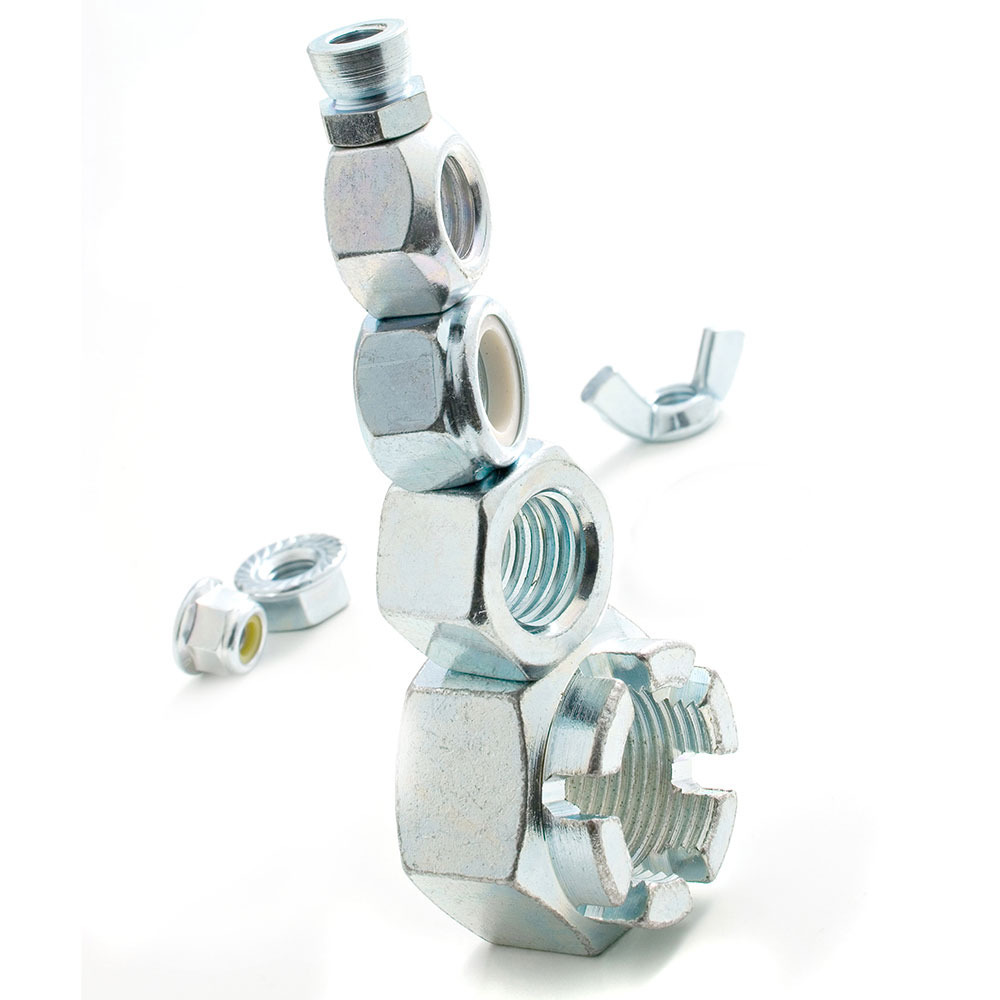
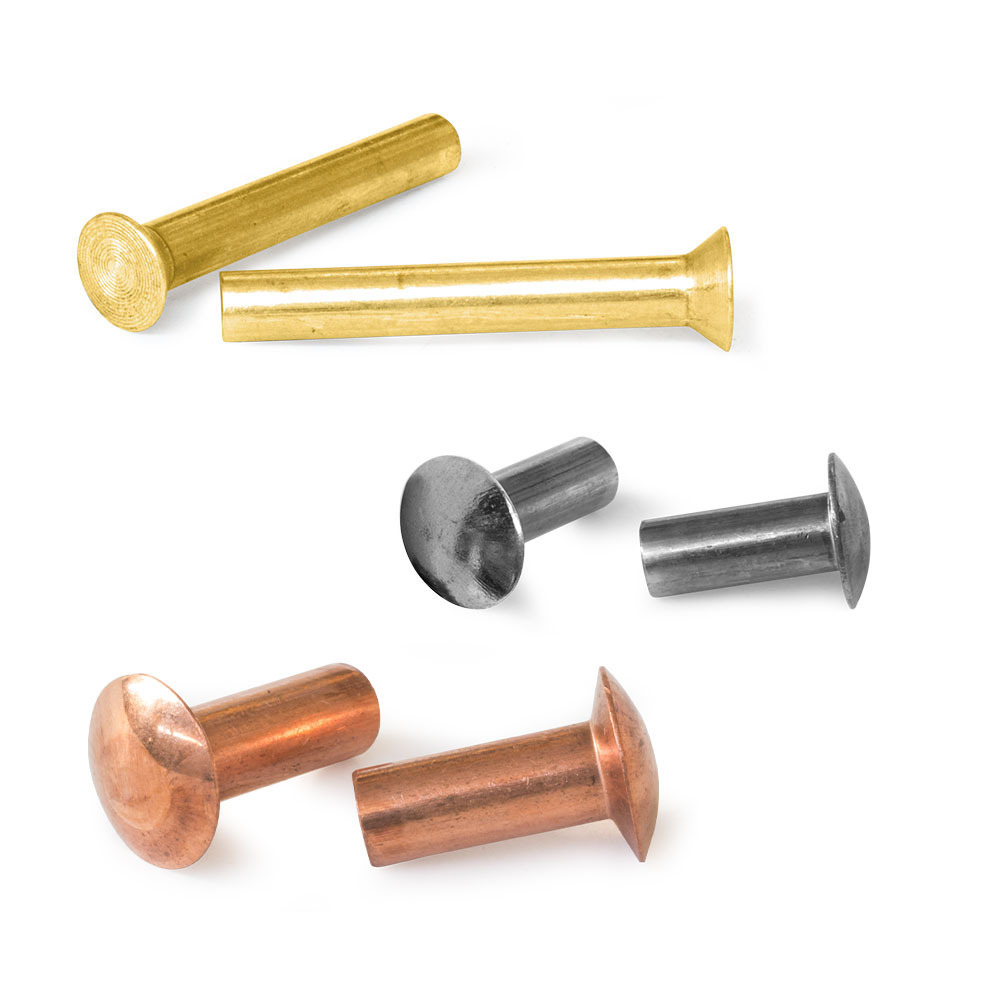
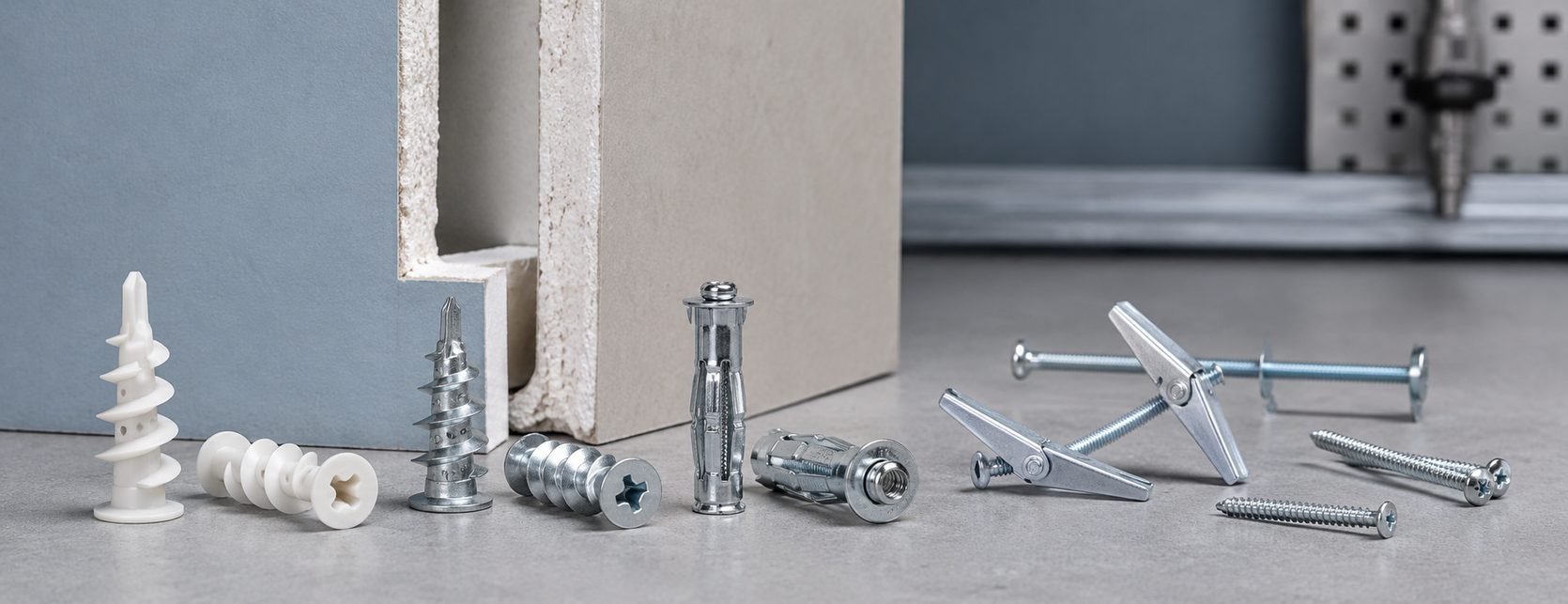
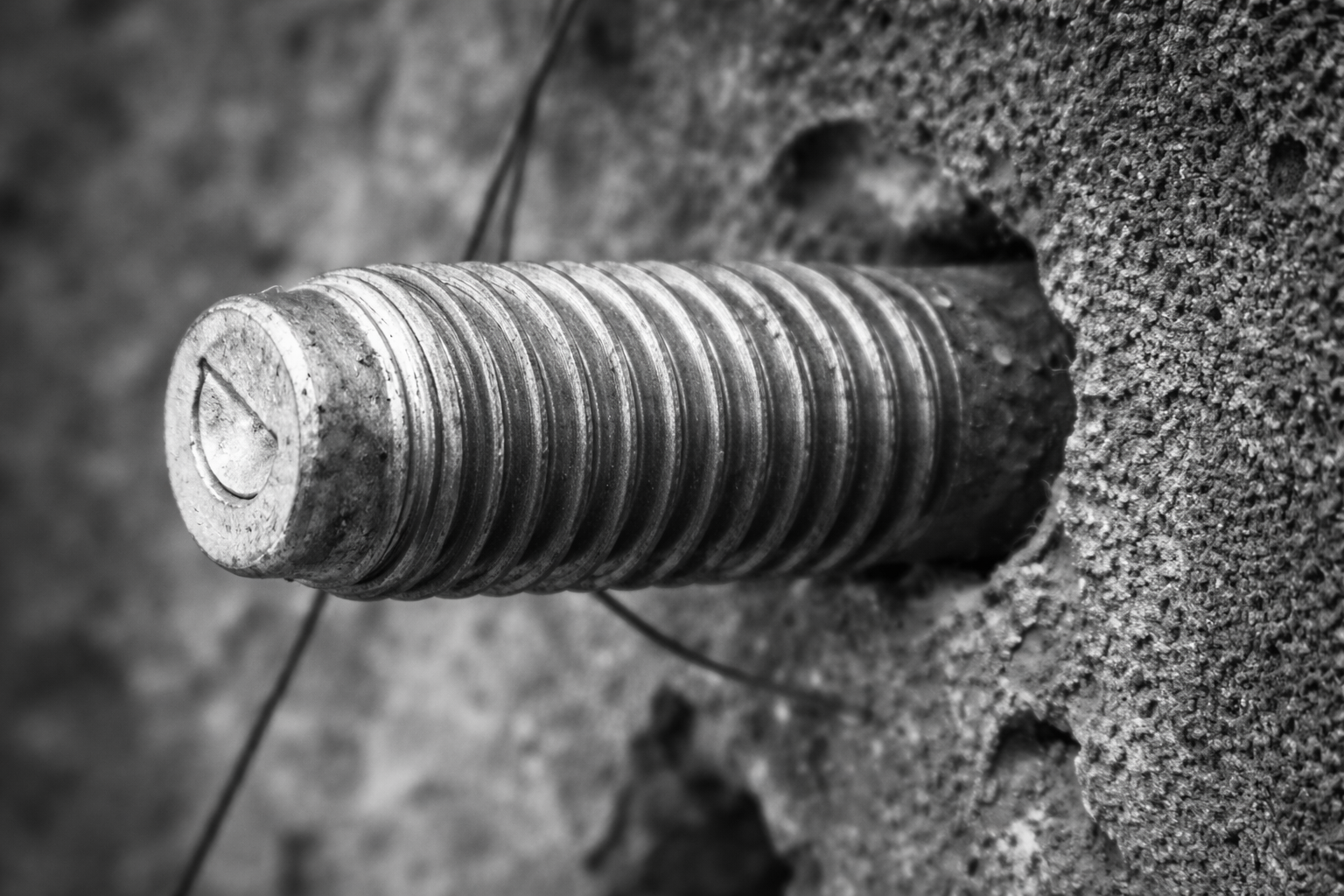
Among the most widely used fastening elements, also found in the Univiti catalog, are:
For this reason, the choice of the fastening system and the elements to be used is crucial in any installation to carry out works in reduced times, achieving the best result.
For further information on sheet metal works and the fastening elements and bolts used, subscribe to our newsletter.
Drywall anchors: types, load capacity, selection criteria and correct installation to identify the most suitable fixing solution for every application....
Industrial automation is now a key factor in improving efficiency, quality, and control in manufacturing processes. By integrating machines, software, and data, companies can make their production more reliable, flexible, and competitive....
Threaded stud bolts are fasteners widely used in industry when it is necessary to ensure strong, reliable and above all time-demountable connections. Unlike traditional screws, they have a specific configuration that makes them particularly suitable ...
Carburizing is a thermochemical treatment that significantly improves steel performance by increasing surface hardness without compromising internal toughness. It is a fundamental solution for components subject to wear, friction and dynamic loads....
Surface treatments of steel are essential to ensure corrosion resistance, durability and reliable performance. Understanding which ones to choose and when to apply them helps you avoid problems, reduce costs, and improve component efficiency....
In the metal fabrication and construction industries, structural connection and reinforcement systems play a fundamental role in ensuring long-term stability and safety. Among these, steel tension rods are a widely used technical solution for absorbi...
The metalworking sector is one of the pillars of modern industry. But what does it actually encompass? What are its categories, and what jobs fall under it? In this article, we provide a clear and comprehensive analysis of one of the most strategic s...
Behind every product that reaches the market lies a complex network of suppliers, production processes, logistics, and distribution. Supply Chain Management was developed precisely to efficiently coordinate all these activities, transforming supply c...
Heat treatment of steel is one of the most important processes for obtaining reliable, resistant metal components suitable for industrial applications. From normalizing to tempering, these processes modify the structure of the material and determine ...
 Added to quote