What Is Fastener Hardware? Everything You Need to Know
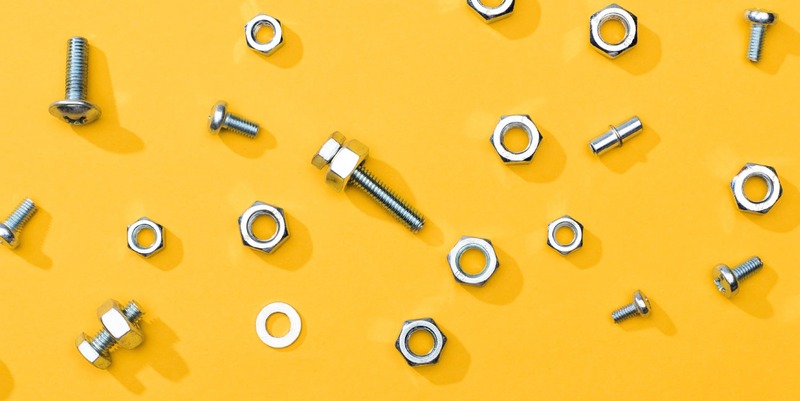
The term "fastener hardware" describes a wide range of products that can be distinguished by purpose, size, material, treatments they undergo, technical characteristics, and quality. Generally, the word encompasses all those elements produced with the purpose of joining multiple components together. Thus, it refers to screws, nuts, and washers - fastening elements that may be characterized by threading. As for types of bolts, they are actually considered as a combination of a screw and a nut.
Given the variety of components within the world of fastener hardware, a classification was also necessary through different regulations on bolts. Between the late 19th and early 20th century, the regulatory framework developed internationally with the creation of the first standardization bodies in America (AISI and ANSI). Additionally, specific regulations were created to standardize certain cases, such as the EN 15048 standard that governs structural fastener hardware.
Threaded Connecting Elements
In choosing the right elements, knowing the characteristics, types, differences, and sizes is essential. For example, distinguishing between threaded fastening elements becomes simpler if their application and purpose are known.
Screws
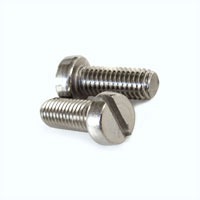
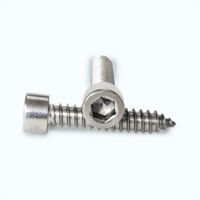
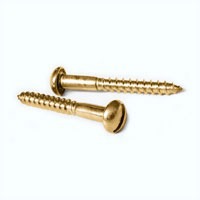
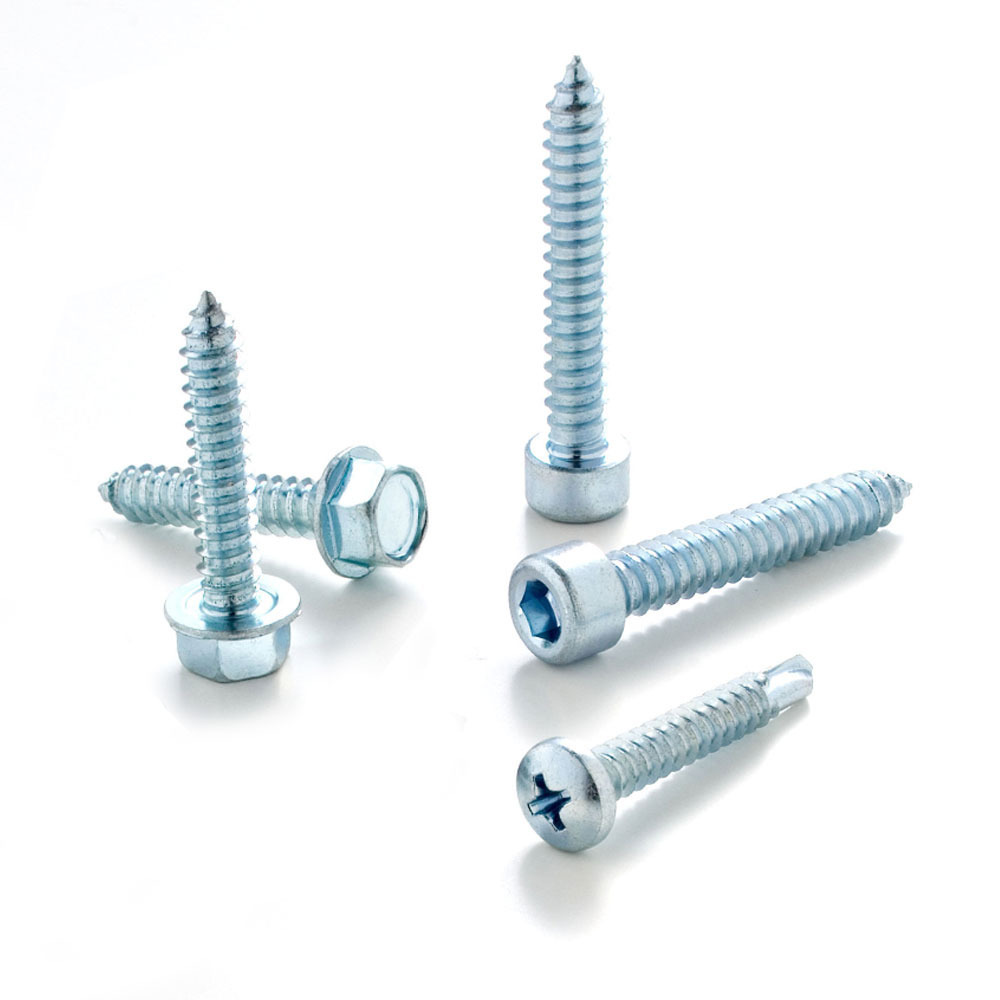
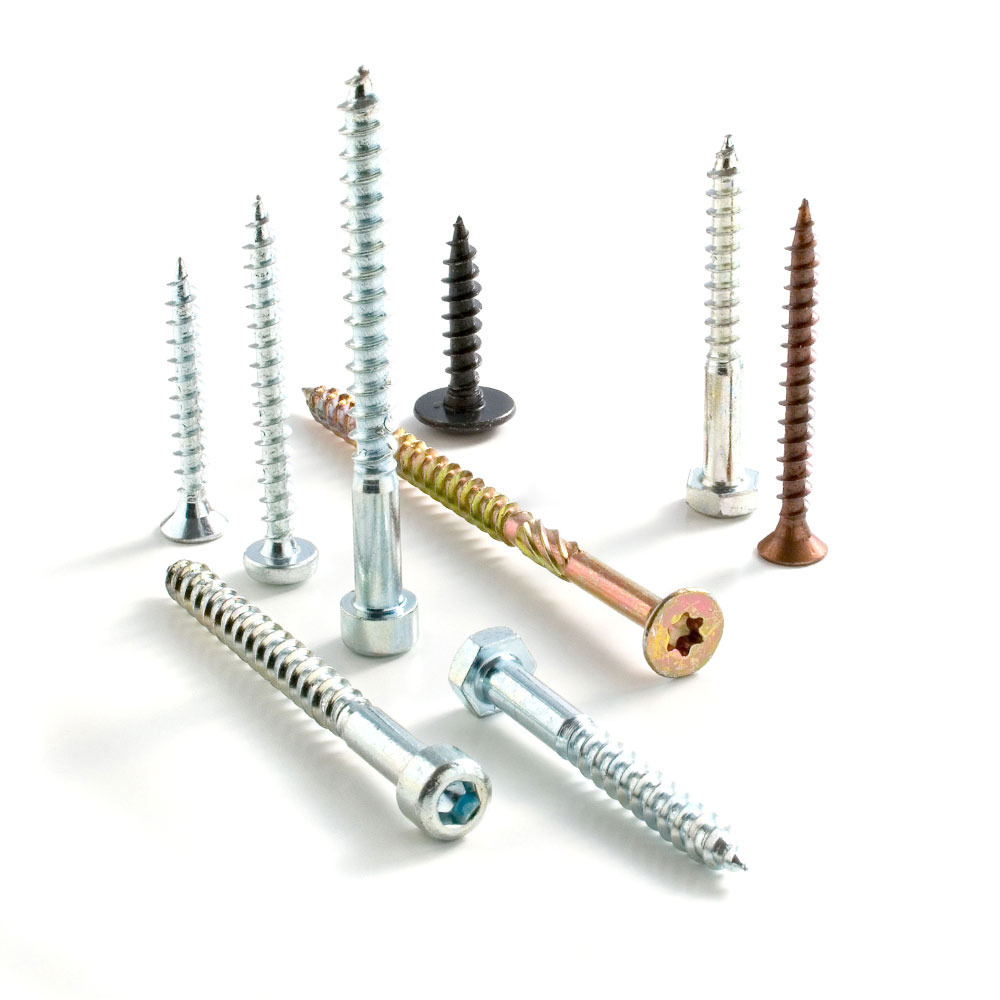
Screws are threaded elements used to fasten objects or parts of them together. These components are characterized by a head, a shank, and a tip, the three criteria through which screws are classified. There are various types, for example:
Particular attention is paid to the head of the screw because, based on its configuration, the right product for the right sector can be chosen. The head can be hexagonal, domed, countersunk, and many other shapes.
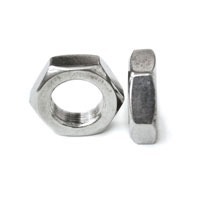
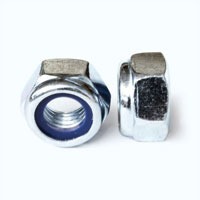
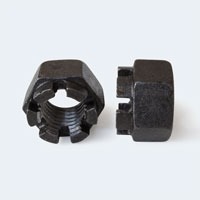
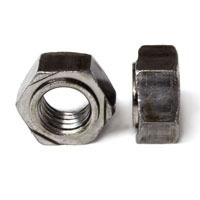
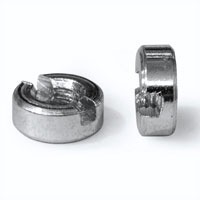
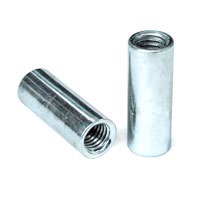
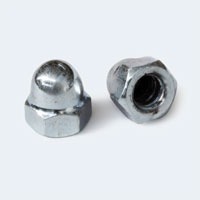
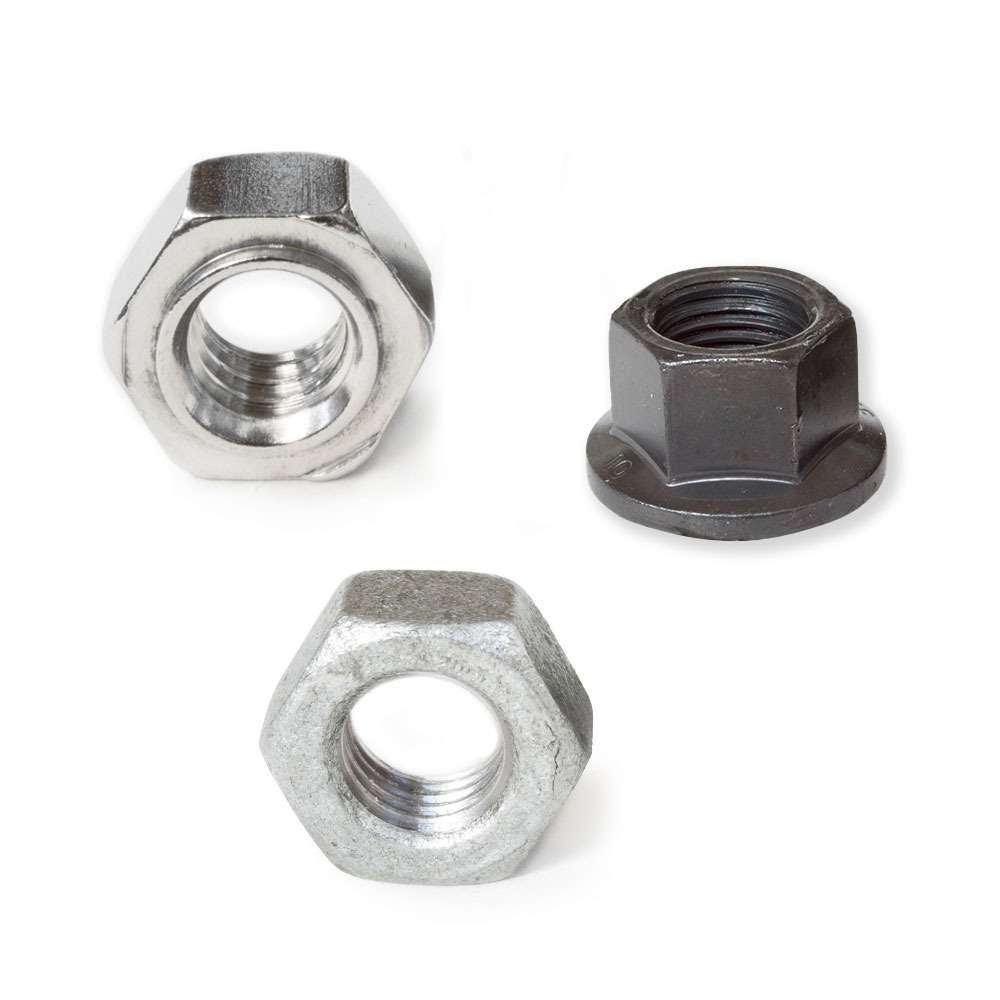
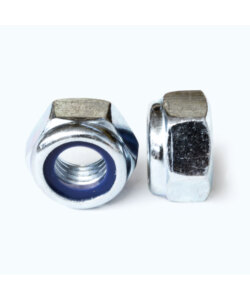
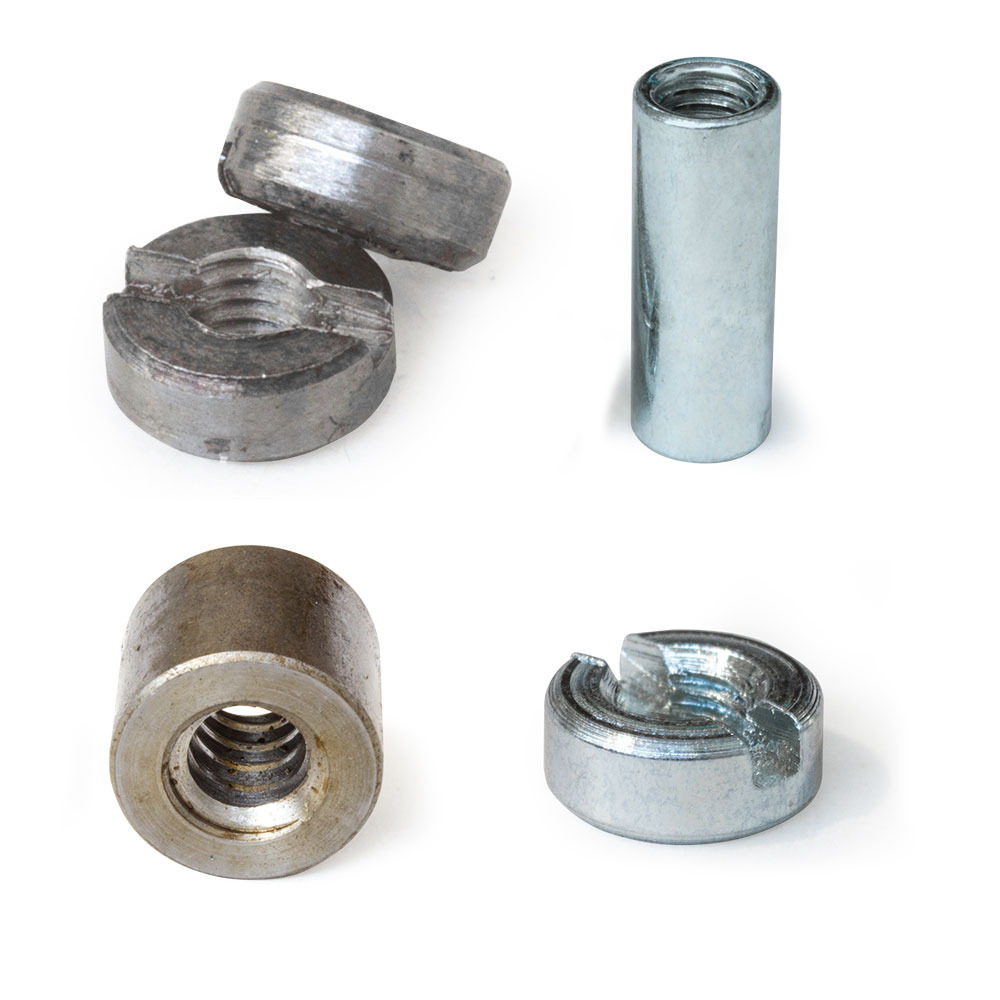
Nuts are fastening elements with a threaded hole. Their use is generally associated with screws since they share the same type of threading. Such threaded nuts are implemented to keep the materials on which they are applied together. There are different types of nuts:
These elements are available in the market in various sizes indicated, for example, with codes such as M8, M10, and M12 (respectively diameters of 8, 10, and 12 millimeters). Thus, there are various nuts depending on the final application.
Washers
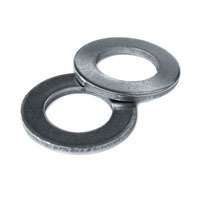
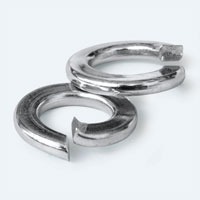
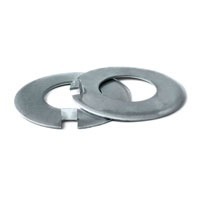
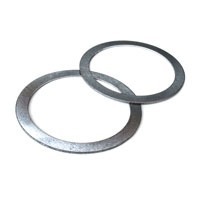
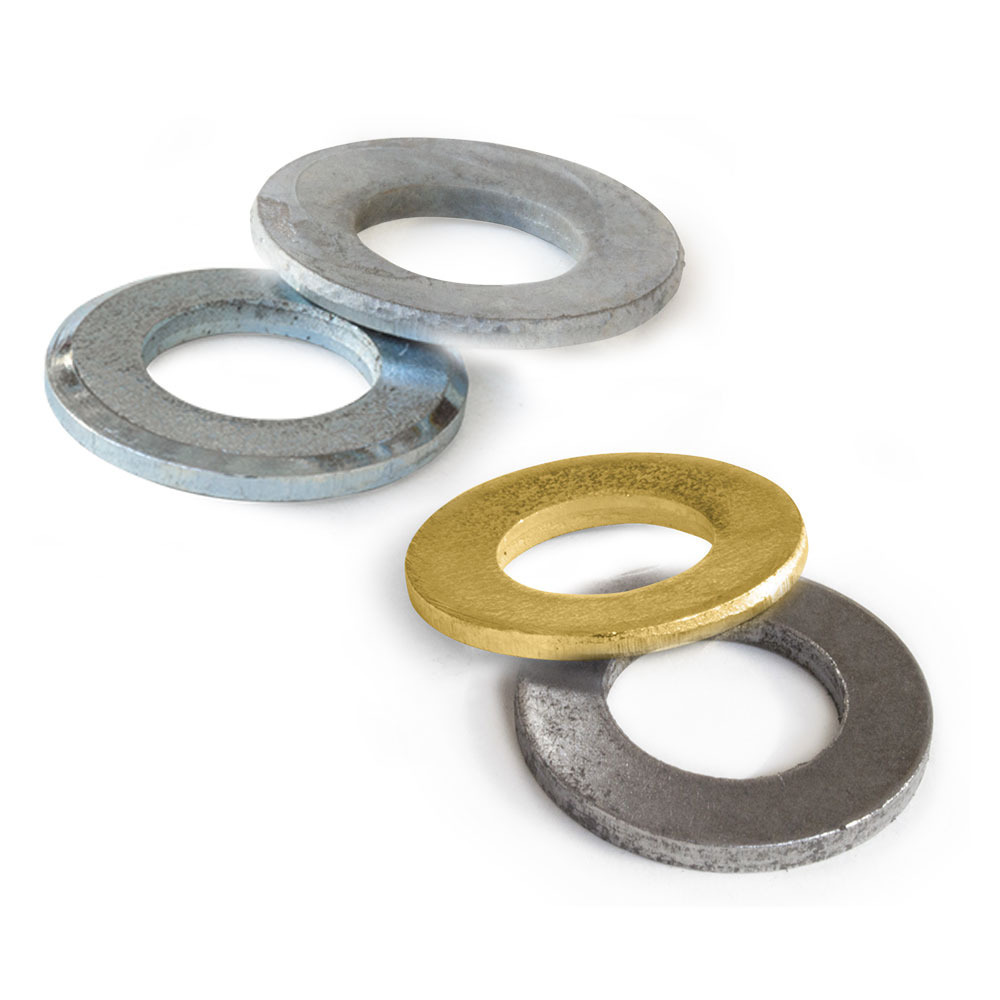
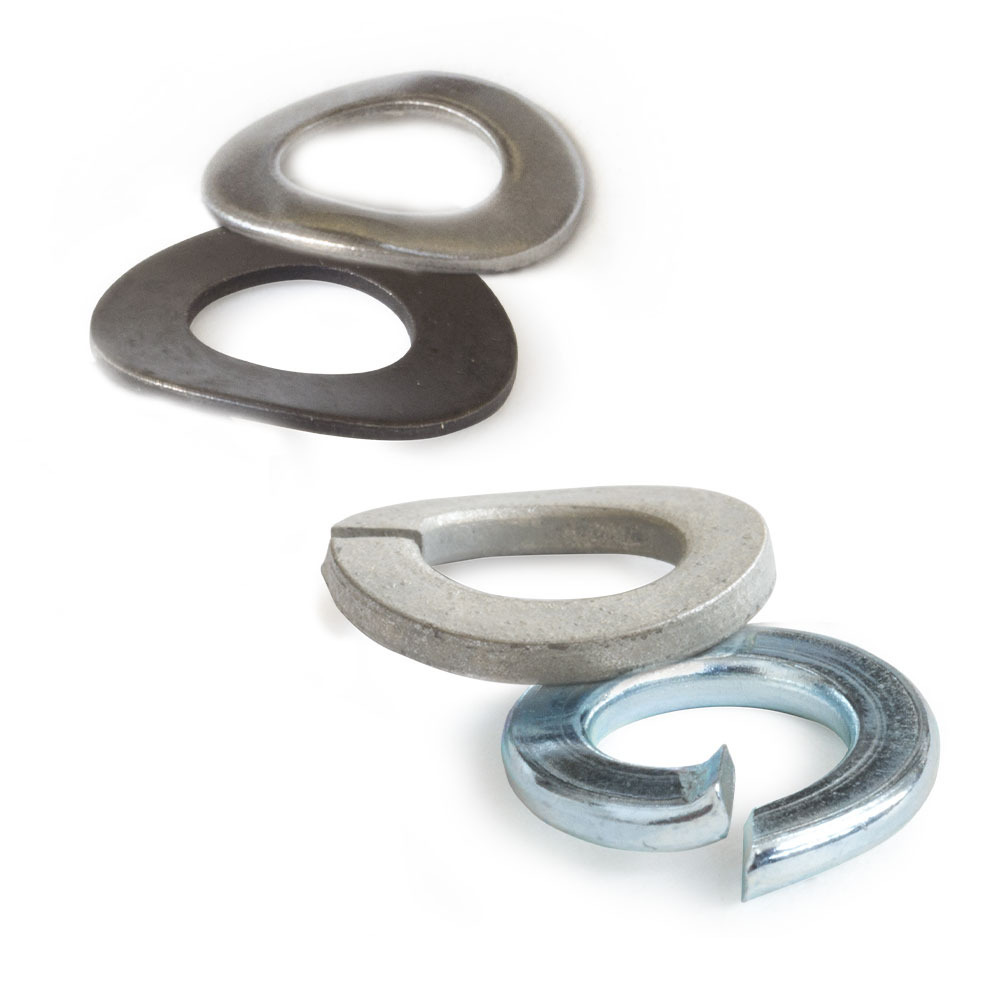
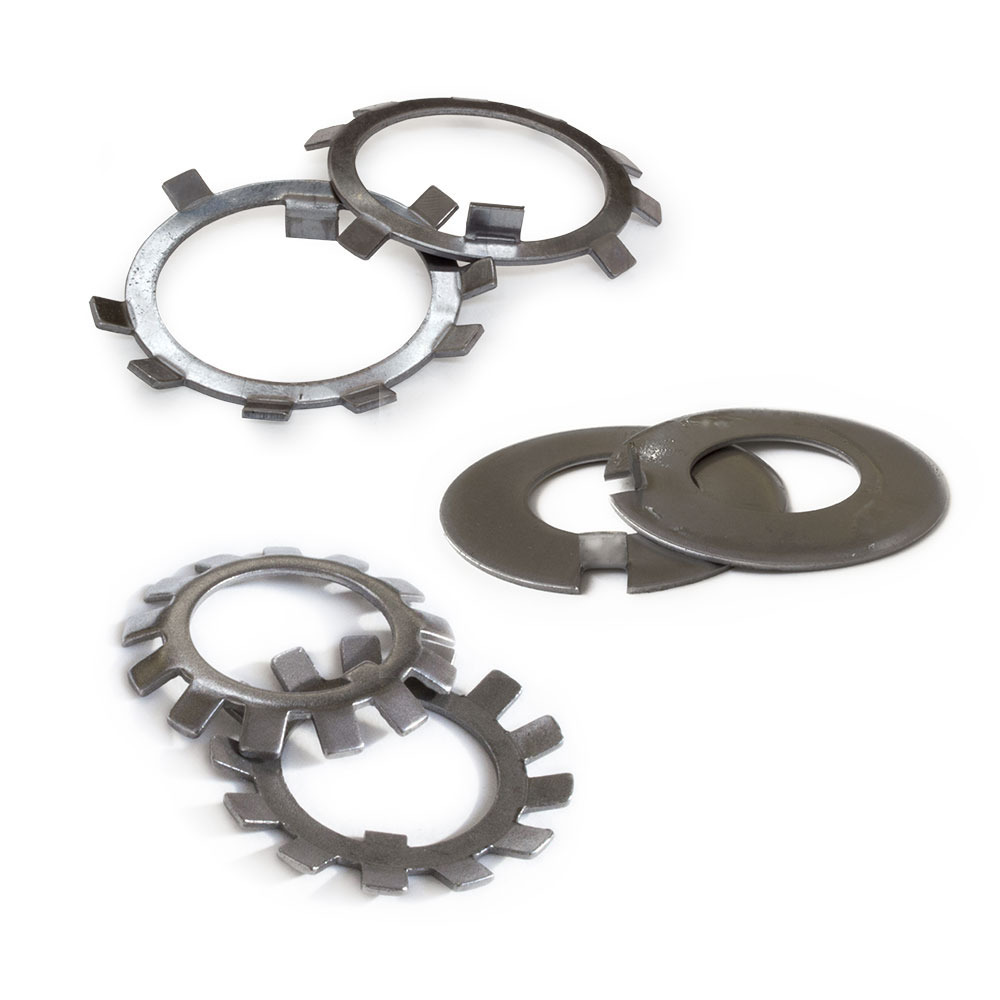
Like screws and nuts, there are different types of washers, fastening elements that make the tightening more stable. Also known under the name of spacer or mechanical rosette, they are disk-shaped components inserted between the nut of a bolt – or the head of a screw – and the object against which they will be screwed.
The main task of these elements is to increase the support surface in order to protect the fastened components from potential damages dictated by frequent screwing and unscrewing.
The association between the washer and the screw depends on their configuration: for example, a flat washer with a circular hole is usually employed with a hexagonal head screw. This applies to several other combinations.
Based on dimensions, hole diameter, and construction material, washers are divided into:
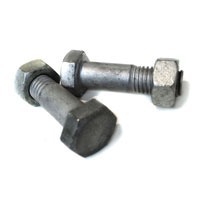
As mentioned in the previous paragraphs, the term bolt identifies the pairing of a screw and a nut. More generally, we could talk about a bolt as a joining element that unites two mechanical parts and is formed by a male element (the screw) and a female element (the nut).
The combination of a screw and a nut, hence the fastener hardware, must follow certain classification schemes to be in line with national and international standards. This means that various types of bolts, and therefore the constituent elements, must have markings or engravings made by the manufacturer that describe the basic characteristics of each component.
The main reference standard for the characteristics of fastener hardware is UNI EN ISO 898-1 which distinguishes between:
High-strength fastener hardware;
Medium/low-strength fastener hardware.
Belonging to one of these two categories is described using a numerical code of two digits, divided by a point. For example, codes 4.6, 4.8, and 5.6 indicate low-strength elements; code 6.8 indicates medium strength, and codes 8.8, 10.9, and 12.9 indicate high-strength elements. The level of resistance connects the various fastener hardware articles and is indeed useful to delve into the resistance classes of screws.
In the market, it is possible to find threaded bolts and partially threaded bolts. On the former, the tightening tension extends along their entire length with greater pressure on the head where the element comes into contact with the material that must be tightened. The latter, instead, are suitable for projects requiring additional locking force for metal parts. Among these applications, for example, are water pumps, alternators, engine supports, etc.
Thus, the main types of bolts are:
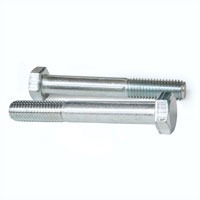
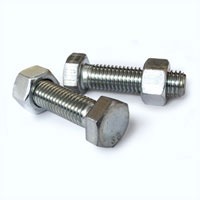
Hex head bolts,the most commonly used type both in the construction and repair sectors. They are usually used in joints, along with hex nuts and washers, so that the bolt head is involved in the connection. These elements are produced in various classes of resistance and materials;
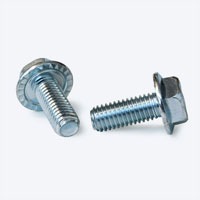
Hex flange bolts, products with a hexagonal head and the presence of the flange under the head, eliminate the need for a washer. They are very useful for compensating misaligned holes of components that must be tightened;
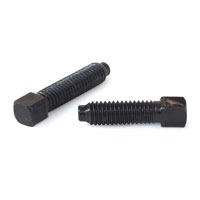
Square head bolts. Mainly used to meet aesthetic needs, they have long been a real reference among fastening elements;
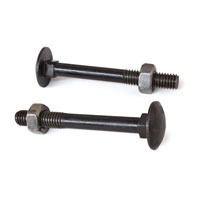
Round head bolts with square under the head. Produced with a round head, devoid of any type of slot for screwdrivers or wrenches, they have a square section immediately below the head. Widely used in woodworking, for example, to fasten metal components in wood, such elements also primarily have an aesthetic value;
Large hex bolts for carpentry. Generally characterized by a shank shorter than standard hex bolts, they are products designed for structural steel connections.
Basic Technological Treatments of Fastener Hardware
The production of fastener hardware occurs through three main basic technological processes:
By chip removal;
By cold plastic deformation;
By hot plastic deformation.
It's important to emphasize that, for some productions, mixed treatments are necessary that do not respect this schematic division but, in fact, the synergistic use of different methods may be fundamental, based on application needs. For example, self-tapping screws for metals, which must meet specific criteria for robustness and corrosion resistance, can be subjected to specific zinc plating processes.
Therefore, except for some more specific cases, bolts are usually subjected to the three main technological treatments. But what are they, and how do they differ?
Chip Removal
The first method of producing bolts is chip removal. Used since ancient times, it involves the use of a hard and sharp tool that removes a piece of material to achieve the desired shape. The removal can occur in different ways:
Turning;
Drilling;
Milling;
Boring;
Broaching.
Modern machinery and technologies allow for the production of products exactly as desired. This type of machining is indeed a high-precision system that enables the creation of shapes of any type and size.
Sometimes, however, to achieve even greater accuracy and finish of the product, heat treatments are necessary because the clean cut performed can reduce the mechanical characteristics of the piece. In this regard, materials that can easily flake are used to avoid the creation of small chips. In this type of production, therefore, materials that are too hard or pasty that make processing difficult should be avoided.
Cold Plastic Deformation
The second method of producing fastener hardware is cold plastic deformation. In this cold forging mechanism, it starts from a bar - or wire - which is drawn with precision to allow optimal filling of the molds.
Cold forging is a high-speed production process because it is based on a series of automatic and standardized steps. Indeed, during these steps, the metal wire - or bar - is cut to precise size and then moved with mobile tongs through a series of molds in succession. In these molds, the material is deformed, and the desired geometry is obtained.
This system exploits the plasticity of the material but respects its critical values. Thus, the substance takes the shape of the mold but does not exceed the yield load, and consequently, the formation of cracks that would compromise the use of the final product is avoided.
The press used for cold forging consists of a very massive fixed frame, capable of withstanding the high stresses required to deform even a hard material like steel, and a slider that moves in this frame. The molds made of very hard material are mounted on the front part of the frame. The slider, by moving, presses the material, which is placed by some tongs on a specific plane of the frame.
Hot Plastic Deformation
The third and last production system for fastener hardware is hot plastic deformation. Hot forging has the same characteristics as cold forging but is a technique used to produce products of larger sizes and diameters. Precisely because of the material's diameter, the machine is fed by a bar whose end is heated to induction heat, before being cut.
The plastic deformation of preheated steel occurs through a press that imprints the desired shape through a mold and a counter-mold.
The forging process allows significant deformations even of very resistant materials. To ensure correct realization, it is appropriate to perform a heat treatment of stabilization before processing, to reduce the risk of cracks.
In general, the processes of stamping and plastic deformation, both cold and hot, are the most widespread because they allow obtaining a good quality of the product at contained costs, especially if there is a constant and significant production.
Materials that lend themselves well to stamping are those more malleable like steel, aluminum, copper, and brass. If flanges or cavities are needed, further processing is required for rolling or material removal.
For further information about what fastener hardware is, its elements, and production methods, subscribe to our newsletter.
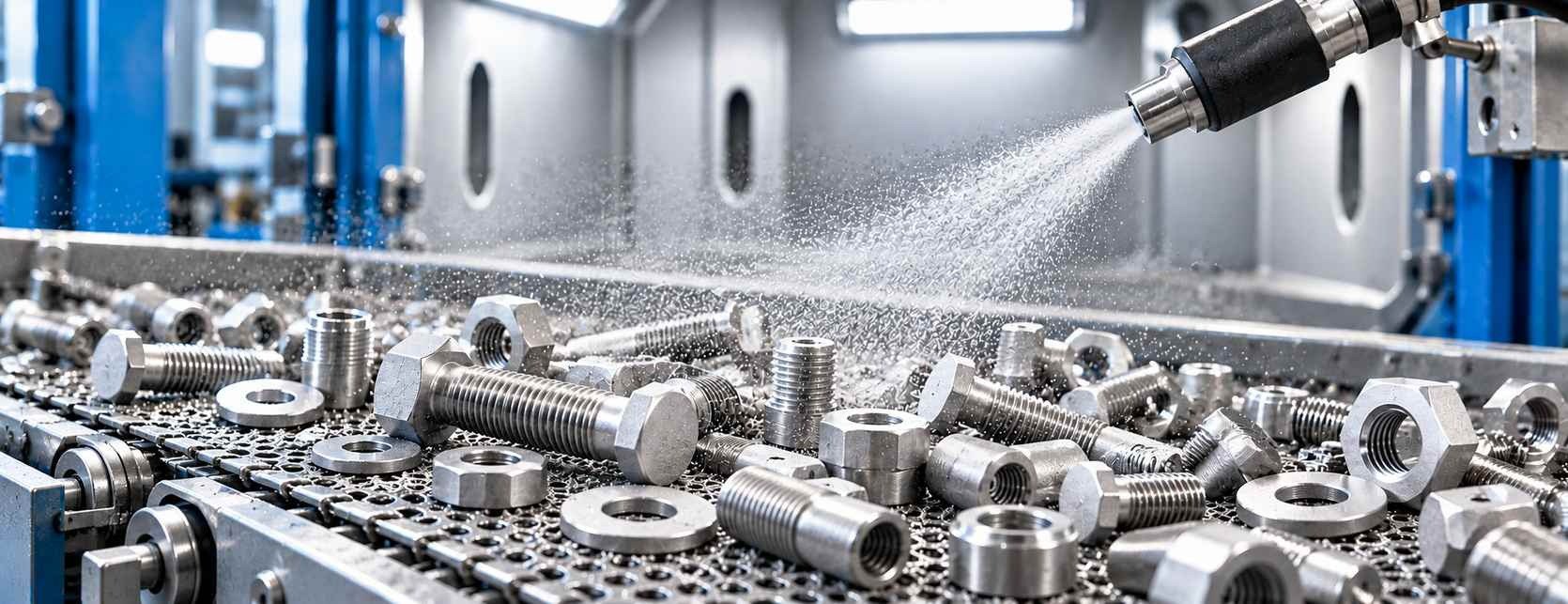
Metal sandblasting applied to small metal components: surface preparation, process control and its role in coatings for screws, bolts and threaded parts....
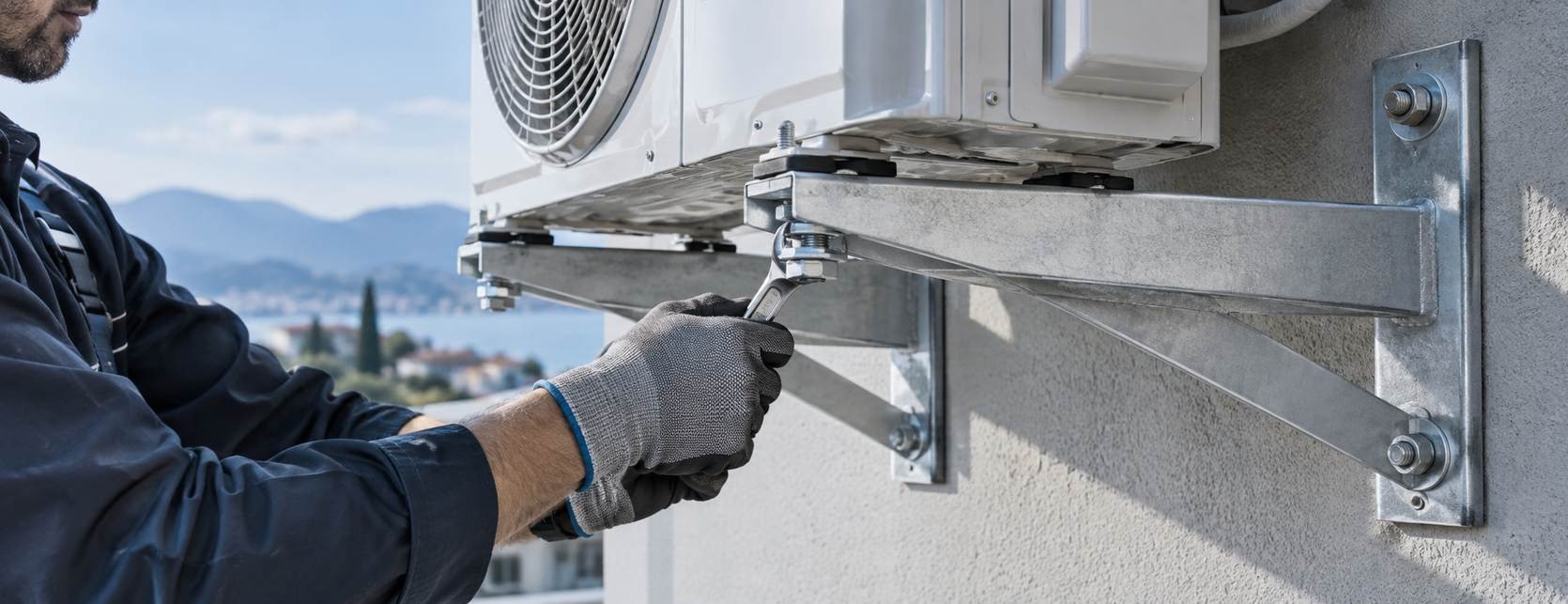
Technical guide to choosing anchors and bolts for air conditioner installation: substrate, bracket, anchoring, vibration, corrosion and proper tightening....
Drywall anchors: types, load capacity, selection criteria and correct installation to identify the most suitable fixing solution for every application....
Industrial automation is now a key factor in improving efficiency, quality, and control in manufacturing processes. By integrating machines, software, and data, companies can make their production more reliable, flexible, and competitive....
Threaded stud bolts are fasteners widely used in industry when it is necessary to ensure strong, reliable and above all time-demountable connections. Unlike traditional screws, they have a specific configuration that makes them particularly suitable ...
Carburizing is a thermochemical treatment that significantly improves steel performance by increasing surface hardness without compromising internal toughness. It is a fundamental solution for components subject to wear, friction and dynamic loads....
Surface treatments of steel are essential to ensure corrosion resistance, durability and reliable performance. Understanding which ones to choose and when to apply them helps you avoid problems, reduce costs, and improve component efficiency....
In the metal fabrication and construction industries, structural connection and reinforcement systems play a fundamental role in ensuring long-term stability and safety. Among these, steel tension rods are a widely used technical solution for absorbi...
The metalworking sector is one of the pillars of modern industry. But what does it actually encompass? What are its categories, and what jobs fall under it? In this article, we provide a clear and comprehensive analysis of one of the most strategic s...
 Added to quote